

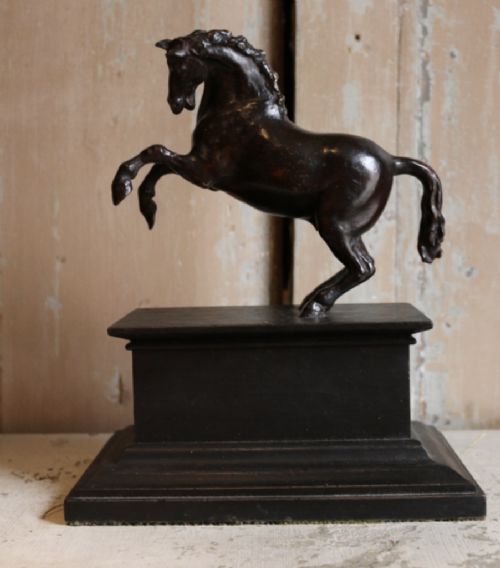


Metal Horse Figures
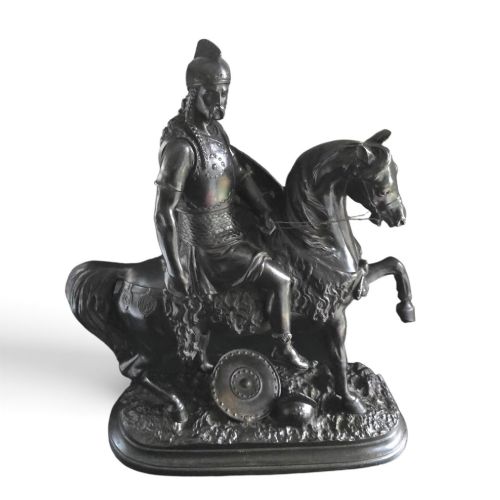
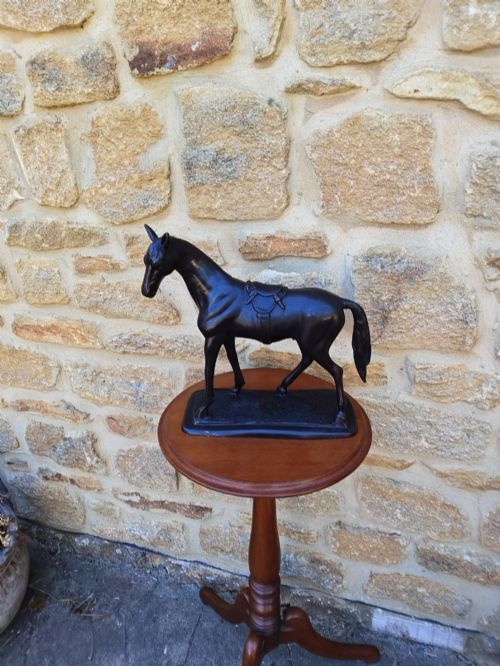
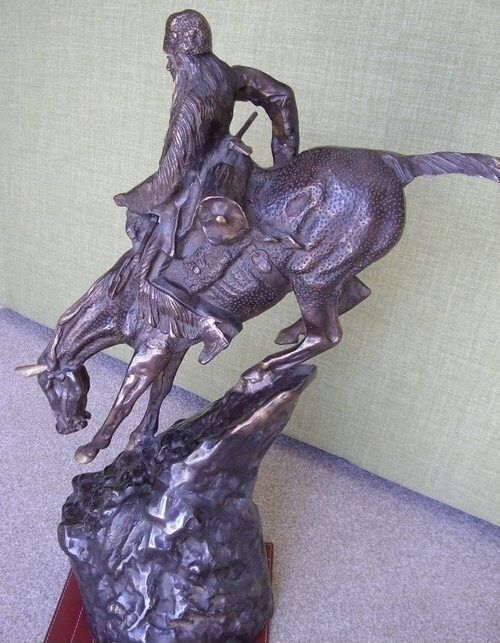
Metal horse figures bring equestrian form into domestic spaces through enduring bronze, brass and marble castings spanning several centuries.
Metal Horse Figures
Metal horse figures encompass a diverse array of sculptures, desk accessories and doorstops created across multiple centuries and stylistic traditions. When you search for metal horse figures, you encounter works ranging from small Austrian cold painted bronzes and desk tidies to substantial Victorian doorstops and classical European sculptures.
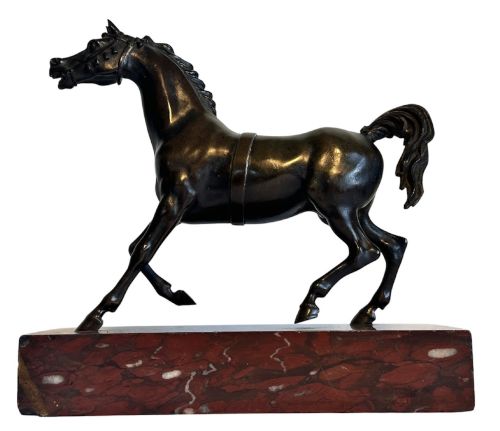
The material vocabulary of these objects is dominated by bronze, brass and gilt bronze, frequently mounted on marble, onyx or olive wood bases. The pieces reflect distinct movements such as Animalier, Neoclassical, Baroque, Art Deco and Western Americana, alongside Chinese Asian Art and Austrian traditions.
You are most likely to meet 19th-century and early 20th-century castings on this page, including Edwardian models and Victorian doorstops. These functional and decorative pieces capture horses in various postures, from rearing figures to stationary stallions and racing subjects.
Materials and Methods
Makers utilised casting techniques to shape molten bronze and brass into detailed equine forms, frequently finishing the surfaces with cold painting or gilding. Bronze and brass serve as the primary metals, providing the weight and durability necessary for both miniature desk items and heavy doorstops.
Many sculptures and figures are mounted onto secondary supportive materials such as marble, onyx or olive wood to provide stability and visual contrast. These combination pieces demonstrate the careful integration of carved mineral and wooden bases with cast metal bodies.
Metal Horse Figures Retail Price Guide 2026
Typical asking prices for metal horse figures among the pieces listed under this phrase on Sellingantiques today, from the lower quarter to the upper quarter. They describe what is for sale here now, not the wider market.
Some horses wear full racing jockeys, immortalising specific turf victories on the desk.
Assessing Quality in Cast Equines
The refinement of the casting and the crispness of anatomical detail distinguish finer pieces from simpler utilitarian items like doorstops. Superior examples demonstrate attentive finishing in the musculature, mane and harness details, whereas robust functional pieces prioritise structural solidity.
The quality of the patination and the integration of the figure with its base, whether marble, onyx or olive wood, reveal the maker's hand. Original surface treatments and careful mounting elevate the sculptural presence of the piece.
The Metal Horse Figures Glossary
- Animalier
- A 19th-century artistic movement focused on the realistic depiction of animals, particularly horses and predators in motion. Sculptors in this tradition studied anatomy closely.
- Cold Painted Bronze
- A technique where bronze figures are painted with cold enamel paint rather than fired in a kiln. This method was notably practiced by Austrian workshops.
- Gilt Bronze
- Bronze that has been coated with a thin layer of gold or gold amalgam to impart a rich golden finish. It appears frequently in Neoclassical and Baroque decorative objects.
- Doorstop
- A heavy utilitarian object designed to hold doors open, often cast in solid brass or bronze during the Victorian era. Many took the form of horses and equines.
- Desk Tidy
- A small desk accessory incorporating compartments or pen trays alongside a sculptural motif. These items combined practical stationery storage with decorative metalwork.
Metal Horse Figures: Frequently Asked Questions
What periods do these pieces come from?
The selection includes works from the seventeenth century through to the Edwardian era and the nineteen-twenties. Nineteenth-century examples are particularly well represented alongside early twentieth-century items.
Each period brought distinct stylistic approaches, moving from Baroque and Neoclassical interpretations to Victorian utility and Animalier realism.
How were brass doorstops used?
Cast brass horse doorstops served a purely practical role in grand houses and domestic interiors to keep heavy interior doors stationary. Their substantial weight ensured they could hold doors open against draughts.
Despite their functional purpose, makers cast them with considerable attention to equine form, turning utility items into decorative accents.
What is an Animalier bronze?
Animalier bronzes focus specifically on the realistic portrayal of animals, capturing horses in dynamic poses such as rearing or running. This genre gained immense popularity across Europe during the nineteenth century.
Sculptors worked from direct observation of live animals to render musculature and movement with high accuracy.
How do I display a desk tidy?
Desk tidies function well on studies, libraries or office desks where they can hold pens, clips and small items while displaying the horse sculpture. They occupy a compact footprint compared to large floor sculptures.
Position them where natural light can highlight the patination of the bronze or brass work.