


Metal Hearth Log Holder
These metal hearth log holder pieces combine function and decoration beside the fireplace, keeping fuel close at hand in copper, brass, and iron.
Metal Hearth Log Holder
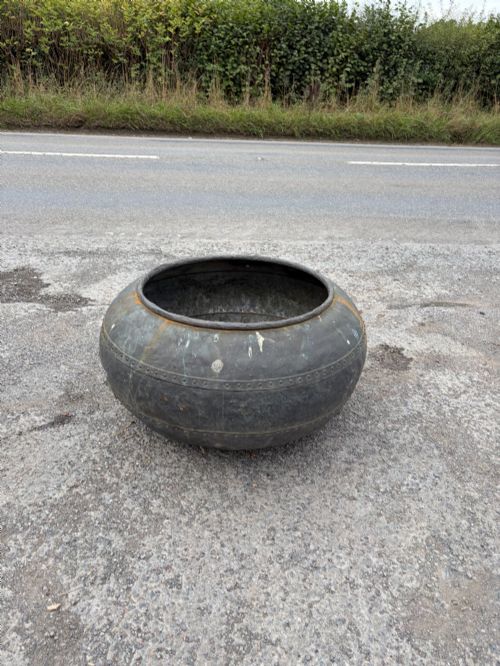
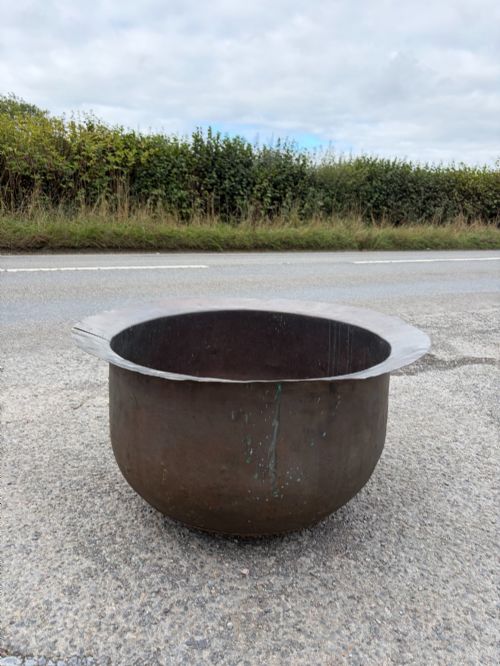
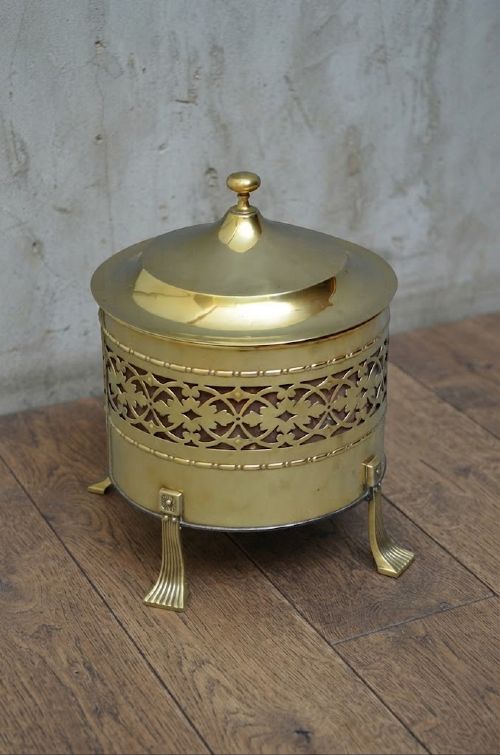
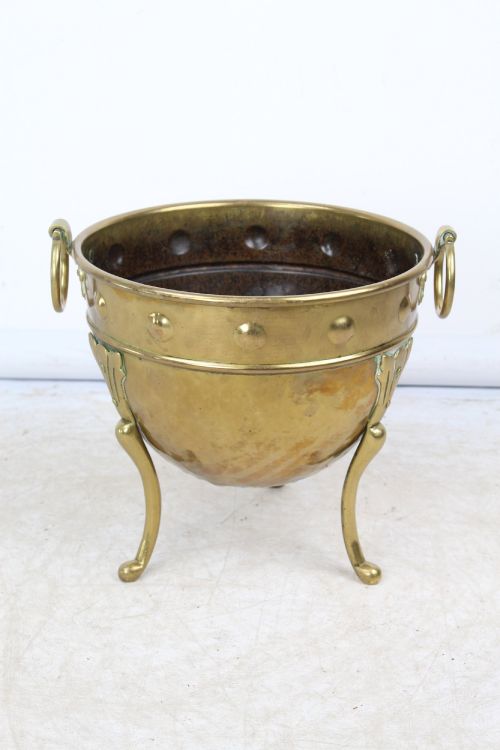
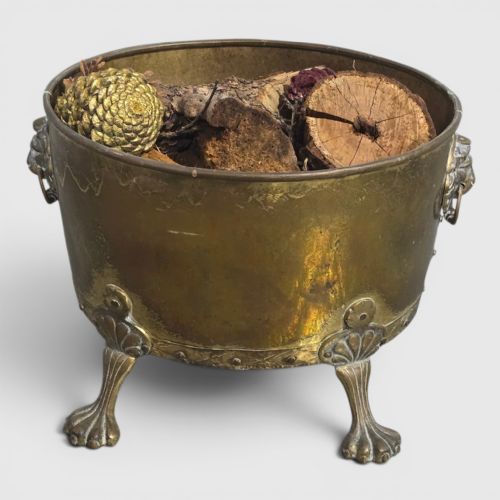
When you search for a metal hearth log holder, you encounter a variety of practical vessels designed to store firewood, kindling, and coal beside the fireplace. These objects take the form of large pots, cauldrons, lidded bins, bucket shapes, and helmet scuttles intended for hearth service.
The selection ranges from nineteenth-century Victorian copper vessels to Edwardian brass designs and Arts and Crafts creations. Many examples date from the eighteen-eighties onwards, utilising durable metals suited to daily fireside use.
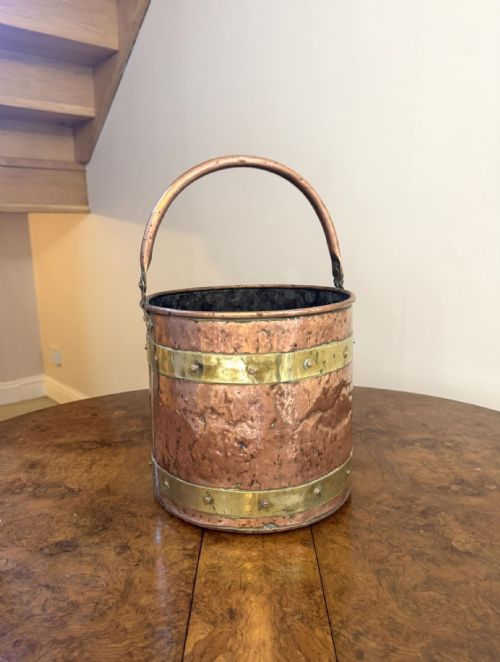
You frequently meet riveted copper bodies paired with contrasting brass handles, bands, or swing bails. These utilitarian containers transitioned from holding coal or logs to functioning as decorative planters and fireside storage bins.
How they were made
The construction relies on heavy sheet copper and brass joined by visible rivets, paired with hand-forged wrought iron frames, swing handles, and trim. Makers shaped the metal vessels by hand, often adding brass banding and footed bases for stability on stone hearths.
Details such as fretwork designs, embossed motifs, and hammered surfaces reflect Arts and Crafts and Art Nouveau influences. Coopered wooden construction with metal bands also appears, alongside traditional cast brass and cast iron components.
Some cauldrons started life hauling coal in grand houses before retiring indoors as heavy-duty homes for ferns.
What varies in quality
Quality rests in the weight of the metal, the integrity of the riveted seams, and the retention of original iron frames and swing handles. Substantial gauge copper and cast brass components indicate sturdiness for holding heavy loads of logs.
Refined surface patination and crisp decorative details, such as pierced fretwork or hand-forging on iron supports, separate standard utility vessels from superior examples. The presence of makers' stamps adds distinction to the best specimens.
Henry Loveridge·Petrus Ramus·William Soutter & Sons
The Metal Hearth Log Holder Glossary
- Cauldron
- A large round metal pot with a wide opening and a swing handle, traditionally used for heavy duty fuel storage. These deep vessels accommodate substantial quantities of logs.
- Helmet Scuttle
- A coal bucket shaped with a high back and a sloping front lip designed for pouring fuel cleanly. They usually feature a fixed carrying handle and a small rear grip.
- Andirons
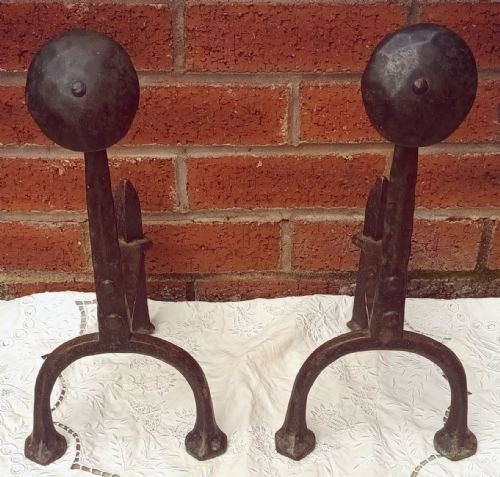
- Horizontal metal bars supported by vertical posts, placed in a fireplace to elevate logs for better airflow. They often accompany hearth storage pieces in matching wrought iron or brass.
- Fretwork
- Ornamental openwork patterns cut into sheet metal, commonly seen on Edwardian coal bins. This technique lightens the appearance of heavy brass bodies.
- Coopered
- Wood construction formed from tight staves held together by metal bands, similar to barrel making. This technique creates cylindrical fuel buckets from oak.
Metal Hearth Log Holder: Frequently Asked Questions
How were these metal vessels originally used?
These containers served for hauling and storing coal, peat, or logs beside domestic firesides. Their sturdy construction contained fuel debris and kept wood within reach.
Over time, many of these utilitarian items transitioned into decorative hearth ornaments or large indoor plant containers.
Can I use an antique metal bin for real logs?
Yes, heavy copper and iron vessels withstand the weight and rough texture of firewood. Ensure the interior is clean and dry before loading logs to protect the historic metal.
Lined bins help prevent moisture transfer from damp wood to aged surfaces.
How do I distinguish Victorian from Edwardian pieces?
Victorian examples often feature heavy riveted copper construction with robust iron swing handles and simple bucket forms. They emphasise utilitarian strength and darker patinas.
Edwardian items frequently incorporate lighter brass sheet, decorative fretwork panels, and polished Art Nouveau or Arts and Crafts styling.
What is the best way to clean antique copper and brass?
Dust gently with a soft cloth to preserve the natural aged surface and dark oxidation accumulated over decades. Aggressive polishing removes the historical character collectors value.
Avoid harsh chemical cleaners that strip the original patination from the metal.