


Victorian Iron Log Bin
A victorian iron log bin sits beside the hearth as a sturdy holder for fuel, built from heavy metal to last generations.
Victorian Iron Log Bin
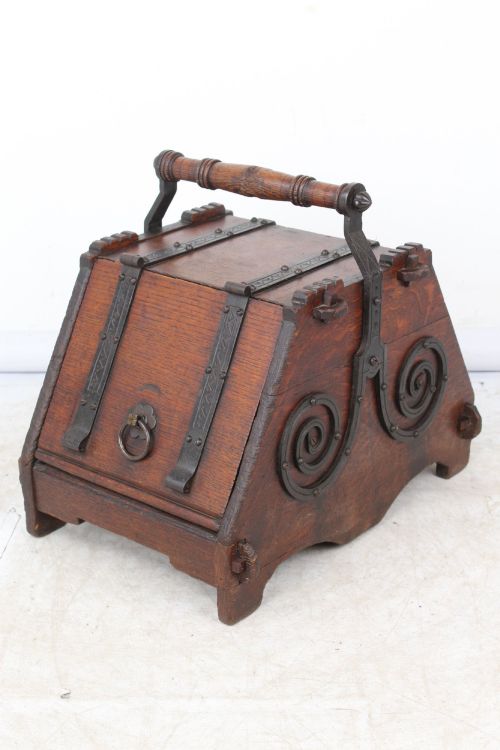
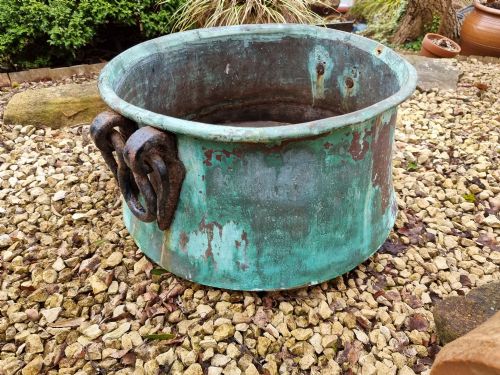
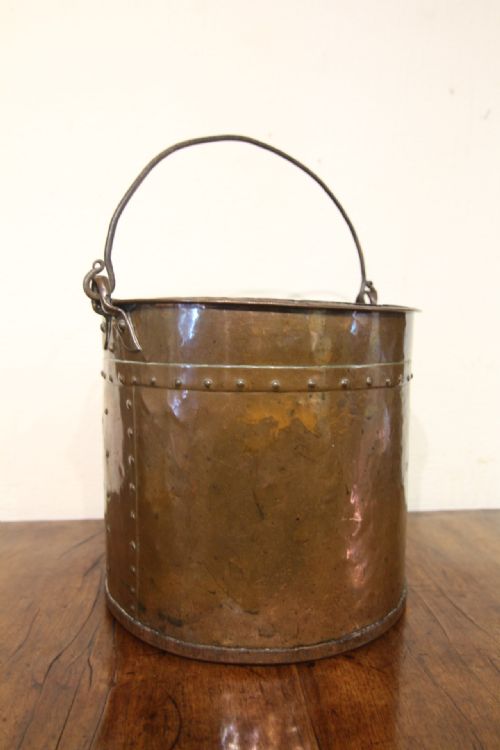
When buyers search for a victorian iron log bin, they look at heavy metal hearth vessels from the nineteenth century designed to hold firewood by the fireplace. These objects appear in various forms on this page, including buckets, coal boxes, cauldrauns, and fitted bins.
The pieces on show range from plain industrial blacksmith work to decorative Arts and Crafts designs. Oak and pine timbers frequently join the ironwork, alongside copper bodies fitted with iron handles and bands.
Originating mostly from country houses and industrial workshops, these vessels served practical roles before finding new life in modern interiors. Their robust construction makes them as useful beside a modern woodburner today as they were in a Victorian drawing room.
Materials and Construction
Wrought iron and cast iron form the structural backbone of these pieces, often combined with hand-beaten copper bowls and riveted seams. Blacksmiths shaped the metal while hot, creating swing handles, sturdy feet, and decorative strapwork.
Listings feature items spanning the nineteenth and early twentieth centuries, incorporating wrought iron, copper, oak, and pine.
Assessing Quality and Character
Quality in these hearth pieces depends on the integrity of the metalwork and the honesty of the materials. Hand-hammered copper surfaces and cleanly forged iron handles show greater skill than mass-produced stamped components.
The balance between utility and decorative detail dictates the standing of each piece. Simple blacksmith-made coal wagons demonstrate direct utilitarian strength, whereas Arts and Crafts examples display considered proportion and thoughtful integration of iron and wood.
Christopher Dresser
The Victorian Iron Log Bin Glossary
- Wrought iron
- Tough, malleable iron that a blacksmith works by hand while hot. It yields characteristic fibrous textures and slight irregularities from the hammer.
- Coopered
- Built from wooden staves bound together with metal hoops, much like a traditional barrel. Oak and pine often appear in this form.
- Arts and Crafts
- A design movement valuing handcraft, natural materials, and simple forms over mass production. Copper bowls on wrought iron stands frequently embody this ethos.
- Verdigris
- A green patina that forms naturally on copper and brass over time through atmospheric exposure. It signals age and untouched surfaces.
- Coal scuttle
- A container designed to hold and carry coal to the fire. Many share proportions and materials with log bins.
Victorian Iron Log Bin: Frequently Asked Questions
How do I clean an iron log bin?
Dust the surface regularly with a dry cloth to remove soot and ash debris. Avoid harsh chemical cleaners that strip the historic patina from the metal.
For stubborn grime, a light application of beeswax on iron parts helps protect the finish. Keep wooden elements dry and away from excessive moisture.
Can I use these for logs indoors?
These bins were originally built to hold solid fuel and firewood beside the hearth. Their robust iron and wood construction handles heavy logs with ease.
Check the interior for any dampness or loose rivets before loading wood onto the base. Placing a protective mat underneath helps guard delicate flooring.
Are copper and iron bins original?
Many nineteenth-century examples combine hammered copper bodies with wrought iron handles and riveted bands. Makers utilised contrasting metals for both strength and visual appeal.
Examine the rivets and joints to ensure the metal components belong together. Consistent wear across both copper and iron indicates a matched piece.
How do I date a metal log bin?
Dating relies on construction methods, fastener types, and stylistic cues from specific periods. Hand-forged ironwork and riveted copper joints point to nineteenth-century production.
Compare the piece against known Arts and Crafts or Gothic Revival design traits. Patina and wear patterns also offer clear clues to age.