



Metal Hat Mold
These metal hat mould pieces are robust industrial tools that double as striking sculptural objects for contemporary interiors.
Metal Hat Mold
When you search for a metal hat mould, you encounter functional workshop equipment from the early twentieth century designed for shaping millinery. These items primarily manifest as aluminium milliners hat block moulds alongside related industrial forms.
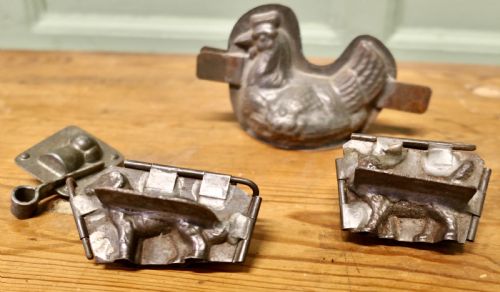
The examples available here date from the nineteen-tens and nineteen-twenties, reflecting an era of active hat production. Alongside traditional hat blocks, the selection occasionally encompasses early chocolate moulds depicting animal and culinary subjects.
Industrial forms dominate the inventory, carrying the straightforward aesthetic of working workshops into modern spaces. Buyers typically source these objects to display them as sculptural centrepieces rather than for active millinery work.
How they were made
Production relied heavily on cast aluminium and tinned steel, chosen for durability and resistance to wear during repeated shaping processes. Metalworkers poured molten material into specialised forms to create solid blocks capable of withstanding pressure.
The manufacturing process left behind honest industrial marks, from casting seams to tool chatter, which record the methods of early twentieth-century workshops. These techniques ensured each block remained rigid enough to support the daily stretching of felt and straw.
Early twentieth-century workshop production occasionally blurred lines, placing canine chocolate moulds right alongside stern industrial hat blocks.
What varies in quality
Distinctions in quality stem from the crispness of the casting and the preservation of original workshop surfaces. Pieces retaining clear numbers or maker stamps display a higher degree of deliberate manufacture than anonymous utility items.
The visual appeal depends on the integrity of the metal skin, where clean patination and minimal surface scarring elevate an ordinary tool to a compelling decorative object. Heavy utilitarian wear tells a working history, but balanced proportions and clean outlines dictate the strongest visual presence.
The Metal Hat Mold Glossary
- Hat block
- A solid form used by milliners to shape and dry hats during manufacture. These are typically carved from wood or cast in metal.
- Millinery mould
- A hollow or solid tool utilised in the creation of headwear. They reflect the exact contours required by period fashion.
- Aluminium
- A silvery-white metal valued in twentieth-century manufacturing for its lightness and strength. It forms the primary material for the majority of these pieces.
- Tinned steel
- Sheet steel coated in a thin layer of tin to prevent corrosion. This material appears in older culinary and confectionery moulds.
Metal Hat Mold: Frequently Asked Questions
What is a metal hat mold?
A metal hat mould is a heavy-duty industrial block used by milliners to shape, press, and dry hats during the manufacturing process. These objects were essential tools in commercial hat production.
Today, collectors and interior designers repurpose these industrial forms as sculptural decorative objects. Their solid construction and utilitarian shapes make them striking display pieces.
How do I date a metal hat mold?
Dating relies on the materials used, manufacturing techniques, and any stamped numbers or identifying marks found on the surface. The pieces seen here largely belong to the early twentieth century.
Aluminium examples from the nineteen-twenties show the industrial shift towards lighter, cast metals in workshop environments. Earlier pieces often utilise tinned steel or traditional casting methods.
How do I clean a metal hat mold?
Cleaning should be minimal to preserve the authentic industrial surface patination and historical wear accumulated in the workshop. A soft dry brush removes surface dust effectively.
Avoid harsh chemical polishes or abrasive pads that strip away the aged character of the metal. Preserving the original texture maintains the integrity of the object.
Are these moulds still usable for millinery?
While originally built for shaping felt and straw hats, most buyers acquire them for display rather than active production. Their weight and rigid forms suit interior decoration.
Using them for traditional hat making remains possible if the dimensions match your specific requirements. However, their primary appeal now lies in their sculptural industrial aesthetic.