



Metal Flower Urns
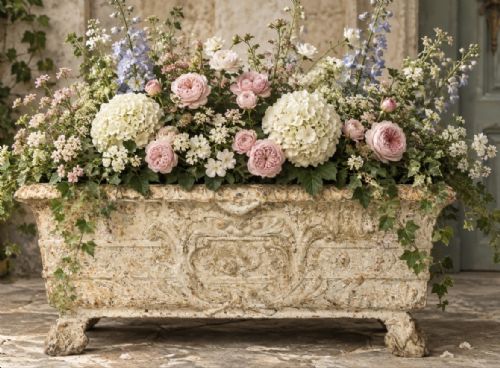
Metal flower urns encompass diverse vessels created for display and botanical arrangement, offering sturdy utility paired with ornamental presence.
Metal Flower Urns
Metal flower urns include vessels designated as vases, jardinieres, and garden planters that function as display containers for flora. Collectors encounter forms originating across the nineteenth and early twentieth centuries, spanning Victorian, Edwardian, and Art Nouveau aesthetics.
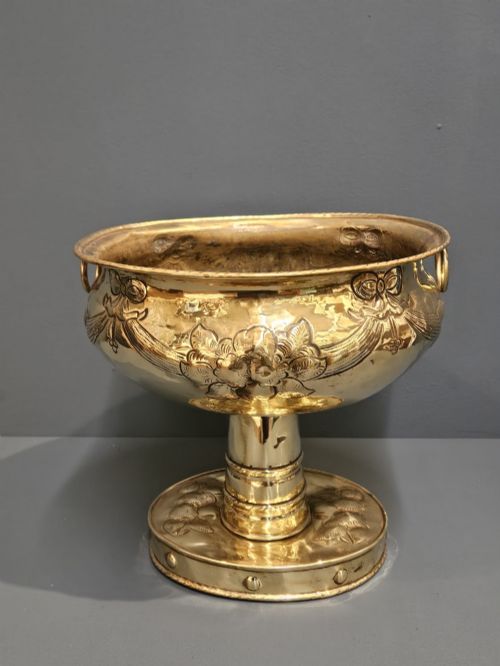
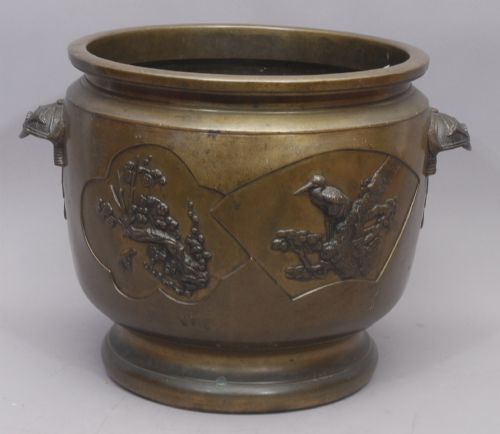
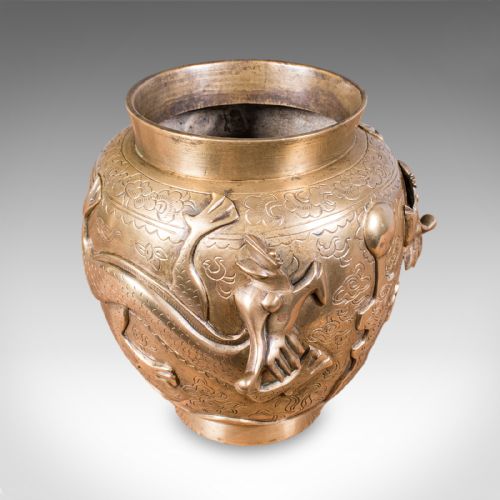
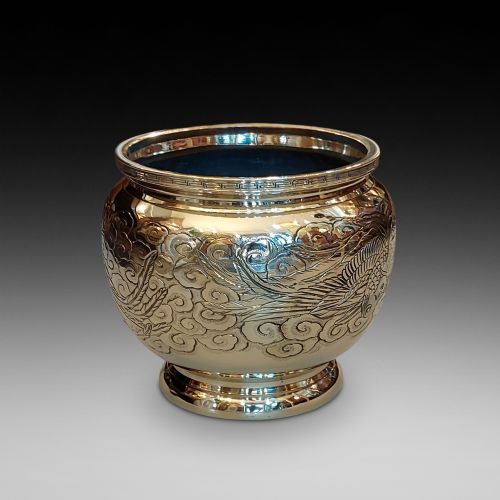
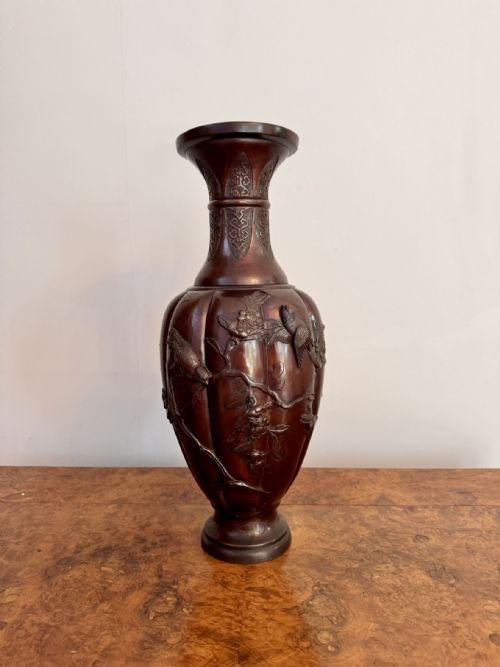
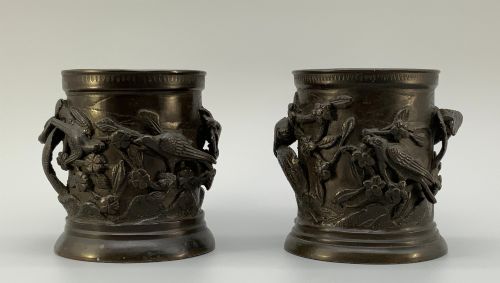
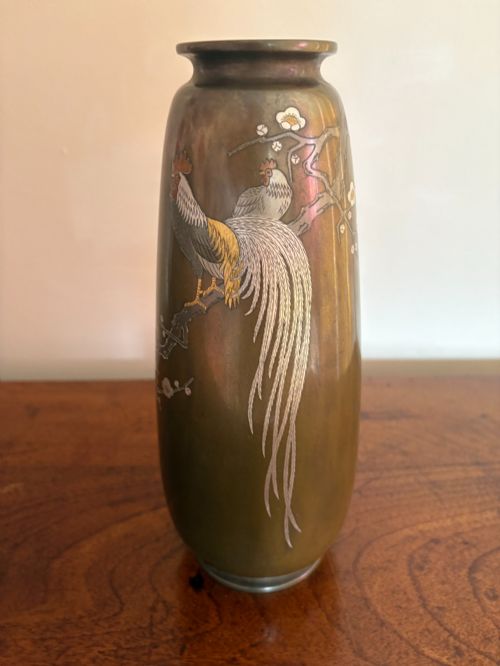
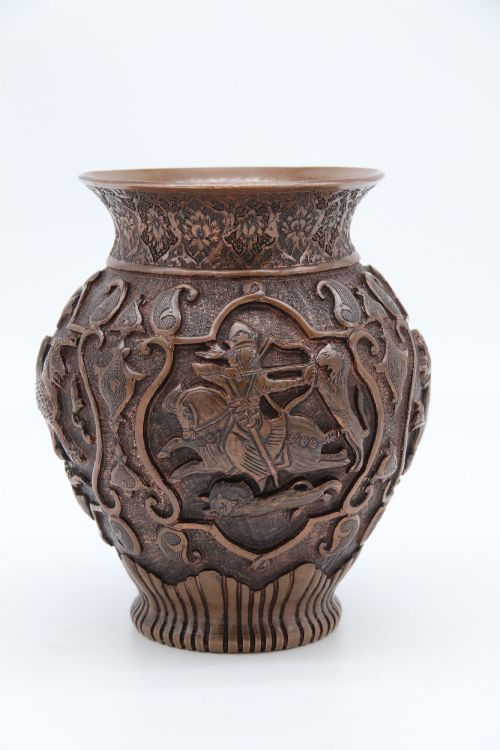
Many examples incorporate specific motifs such as dragons, birds, and blossom patterns, or utilise manufacturing techniques like repoussé and cloisonné enamel. These items serve equally as decorative centrepieces and functional receptacles for cut flowers or potted plants.
Materials and construction
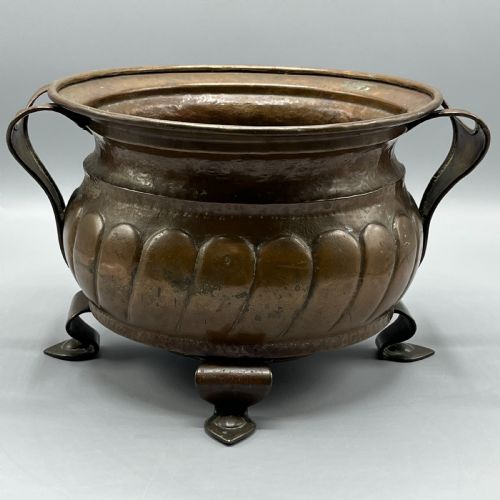
Bronze, copper, and brass dominate the construction of these vessels, shaped through casting, hand carving, and repoussé work. Artisans applied patinated and gilt finishes to bronze surfaces, while copper pieces often display the hammered textures characteristic of the Arts and Crafts movement.
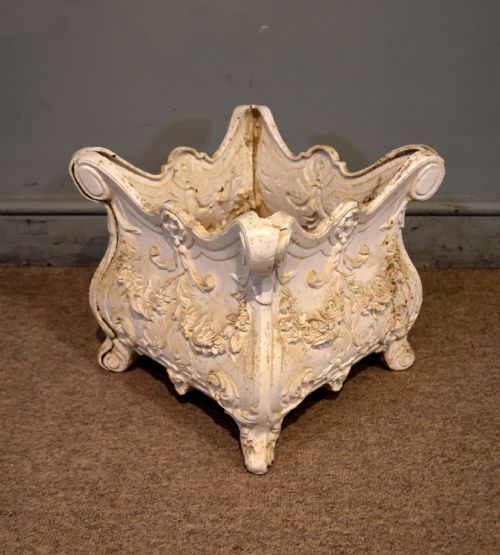
Iron and lead appear in heavier garden planters and urns, utilising robust casting methods suited to outdoor use. Silver plate and pewter form the basis of specific decorative mounts and vessels from the turn of the twentieth century.
Metal Flower Urns Retail Price Guide 2026
Typical asking prices for metal flower urns among the pieces listed under this phrase on Sellingantiques today, from the lower quarter to the upper quarter. They describe what is for sale here now, not the wider market.
Art Nouveau metal urns occasionally feature decorative frogs clambering up the sides to keep watch over the flowers.
Evaluating craftsmanship and detail
Quality depends upon the precision of the casting and the depth of surface ornamentation, such as hand-chased botanical details or inlaid mixed metals. Finer examples exhibit crisp definition in relief motifs and balanced proportions between vessel bodies and handles.
The integrity of the material finish, including original patination and the secure joining of components like mounts and bases, distinguishes superior pieces from standard production items.
Loetz and Argentor·KANASAWA·Coalbrookdale·KESWICK·Jean Dunand·BELDRAY LTD
The Metal Flower Urns Glossary
- Jardiniere
- An ornamental pot or stand for holding plants or flowers, typically designed for indoor display. These vessels appear frequently in copper and ceramic-mounted brass.
- Repoussé
- A metalworking technique where the artist hammers the material from the reverse side to form a raised design in relief. This method creates tactile surface patterns on copper and brass pieces.
- Cloisonné
- An ancient technique for decorating metal vessel surfaces using enamel held in thin wire compartments. Japanese and Chinese examples often showcase this colourful decorative method.
- Patinated bronze
- Bronze that has acquired a chemical or natural surface coating altering its original metallic colour. Artisans use this process to achieve deep brown, green, or dark tones on decorative urns.
- Meiji period
- The era of Japanese history spanning from 1868 to 1912, noted for highly detailed bronze and mixed metal vases exported to Western markets.
Metal Flower Urns: Frequently Asked Questions
How do I care for antique metal urns?
Dust surfaces gently with a soft dry cloth to preserve the existing patina. Avoid abrasive cleaning agents that strip historical finishes.
Use internal glass or plastic liners if holding fresh water and flowers to prevent moisture damage to the interior metal.
Where were these metal urns originally placed?
Smaller copper and bronze vessels functioned as interior table decorations, mantelpiece posy vases, or indoor jardinières for potted plants.
Larger iron and lead pieces stood on patios, in gardens, or within French chateau drawing rooms as structural decorative urns.
How do I identify Art Nouveau metalwork?
Art Nouveau items display organic, flowing lines inspired by natural forms, often featuring stylized plant motifs, insects, or female figures.
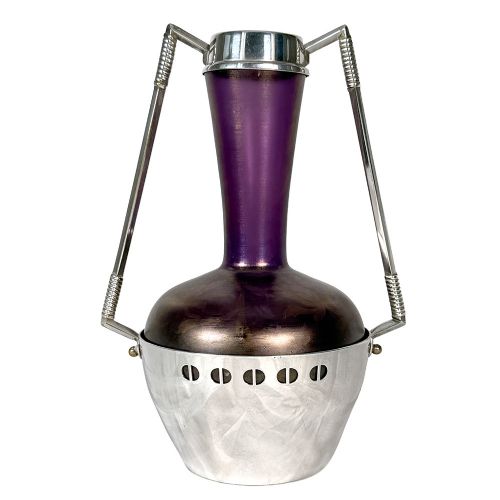
Pieces from this movement frequently combine metals with iridescent glass mounts or distinct hammered copper surfaces.
What distinguishes Meiji period bronzes?
Meiji bronzes from Japan showcase intricate relief work depicting birds, blossoms, and traditional dragons. Many incorporate mixed metal elements and bear artist signatures on the base.
These pieces reflect the high craftsmanship developed for international exhibition during the late nineteenth and early twentieth centuries.