



Metal Fireplace Surround Rail
Metal fireplace surround rail pieces anchor the hearth with brass, steel, and iron built to frame the fire properly.
Metal Fireplace Surround Rail
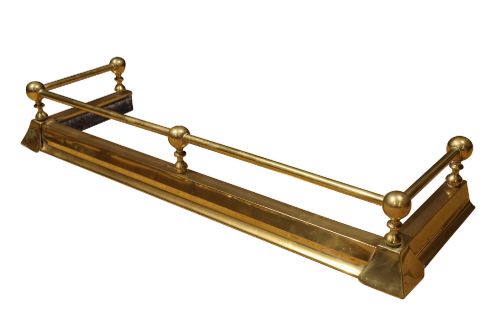
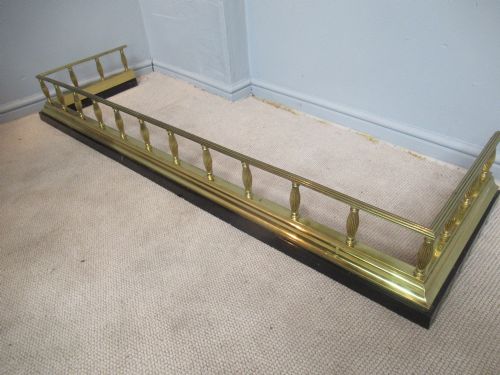
A metal fireplace surround rail is a hearth accessory designed to contain embers and protect the floor covering in front of an open fire. These pieces take the form of fenders and curbs, positioned directly on the floor around the hearth opening.
The versions most commonly met on this page date from the nineteenth and early twentieth centuries, spanning Victorian, Edwardian, and Regency periods. They appear in forms ranging from simple country house steel rails to elaborate Louis XVI neoclassical brass designs.
How they were made
The construction of these pieces relies on combinations of brass, steel, wrought iron, and cast iron, often paired in a single fender. Manufacturers utilised solid brass tubes, bars, and sheet metal alongside blackened steel or iron bases to achieve both durability and decorative contrast.
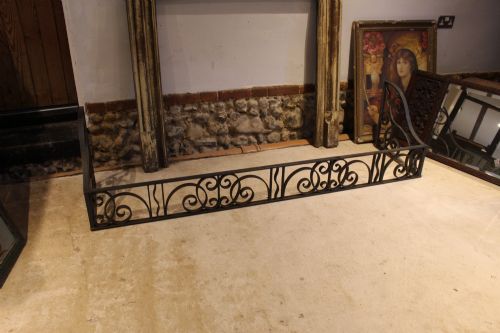
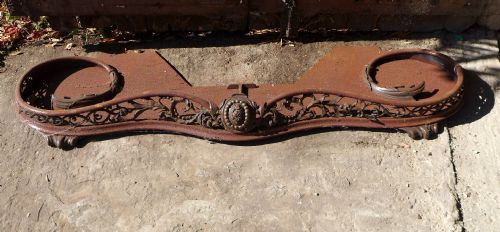
Detailing involves pierced metalwork, applied cast ornaments such as lions, and combination finishes incorporating copper. Components are joined with traditional fixings, while surfaces range from polished brass to painted black finishes on iron.
Metal Fireplace Surround Rail Retail Price Guide 2026
Typical asking prices for metal fireplace surround rail among the pieces listed under this phrase on Sellingantiques today, from the lower quarter to the upper quarter. They describe what is for sale here now, not the wider market.
Listings feature periods from the Georgian era through to the early twentieth century, utilising brass, steel, and iron.
What varies in quality
Quality in a metal fireplace surround rail rests upon the substantial weight of the metal and the crispness of any applied cast decoration. Heavier gauges of brass and steel separate sturdy architectural examples from lighter utilitarian items.
The refinement of the assembly also defines the tier of a piece, observable in the tightness of corner joints and the depth of pierced detailing. Pieces featuring hand-finished brass work or sculptural elements sit distinctly above plain production models.
The Metal Fireplace Surround Rail Glossary
- Fender
- A low metal guard placed around the hearth to keep burning coals and ash from rolling onto the floor. These items also serve to define the fireside space.
- Curb
- The outer boundary or frame of a hearth fender, typically sitting directly on the floor. It forms the primary structural perimeter of the surround rail.
- Pierced
- Metalwork that has been perforated with decorative patterns or ventilation openings. This technique creates intricate light and shadow effects across the surface.
- Neoclassical
- A decorative style drawing on classical antiquity, prevalent in pieces like Louis XVI style fenders. It relies on symmetry, restraint, and classical motifs.
Metal Fireplace Surround Rail: Frequently Asked Questions
What is a metal fireplace surround rail used for?
These rails serve as a physical barrier between an open fire and the room, stopping rolling embers and protecting carpets or hearth stones from damage.
They also provide a stable boundary that organises the fireside area and supports companion accessories.
How do I identify the period of a fender?
Dating relies on observing the combination of metals, the style of casting, and the overall decorative vocabulary present in the piece. Victorian and Georgian examples often display heavier brass castings, while early twentieth-century pieces lean towards simpler steel forms.
Construction methods such as hand-cut piercing versus machine stamping also point toward specific manufacturing eras.
Are brass and iron fenders difficult to maintain?
Maintenance depends on the specific finish and whether the metal is polished or blackened. Regular dusting and occasional cleaning with appropriate metal care products keep polished surfaces bright.
For blackened steel or iron components, a soft cloth prevents dust accumulation without stripping the protective finish.
Will a vintage fender fit my modern hearth?
Dimensions vary widely across nineteenth and twentieth-century examples, meaning careful measurement of the hearth space is essential before selection. Checking both the internal and external width ensures the rail clears the fireplace opening correctly.