

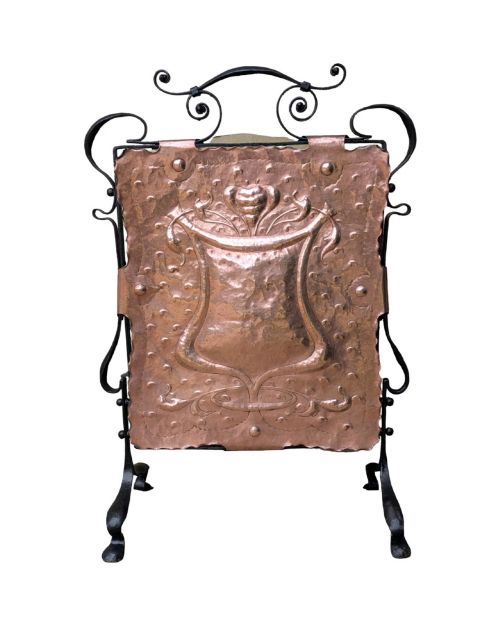
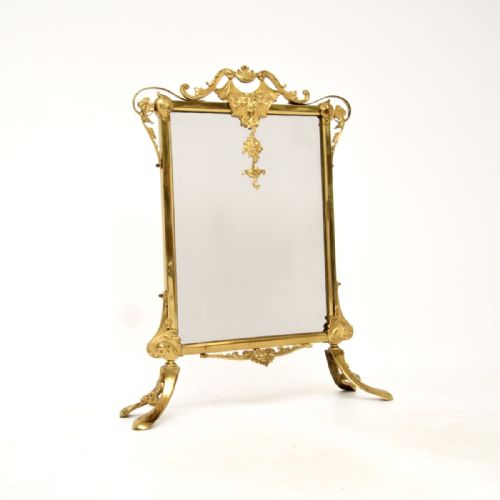
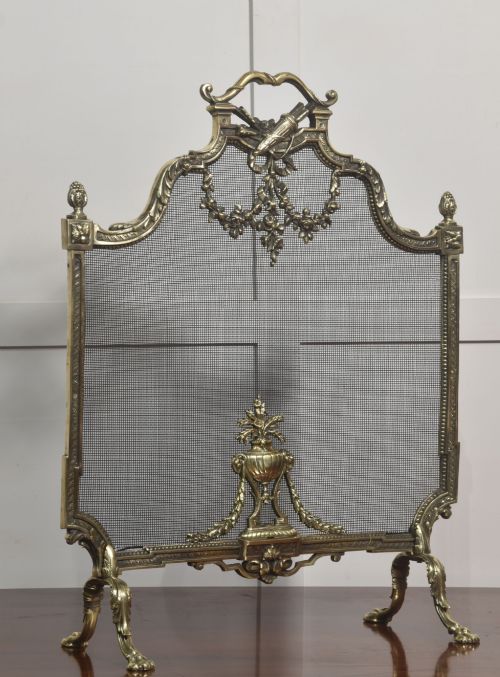
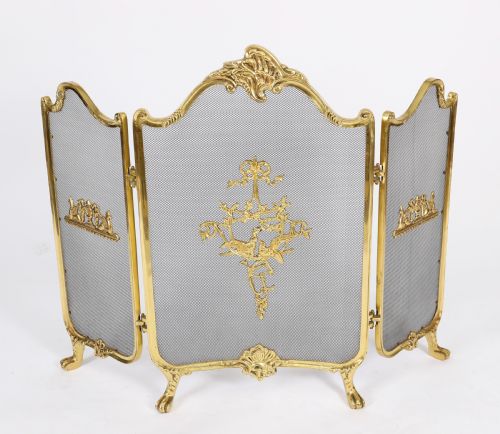

Metal Fireplace Screen
A metal fireplace screen turns a cold hearth into a decorative focal point while keeping sparks safely contained.
Metal Fireplace Screen
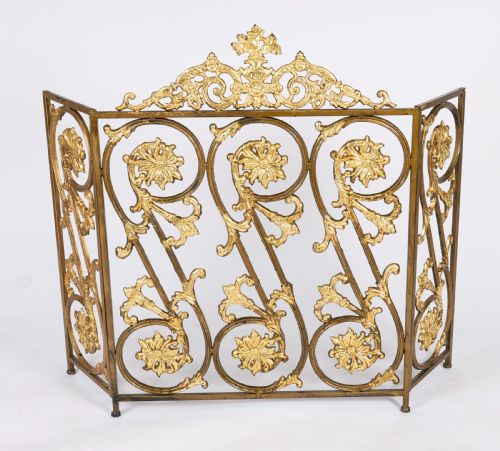
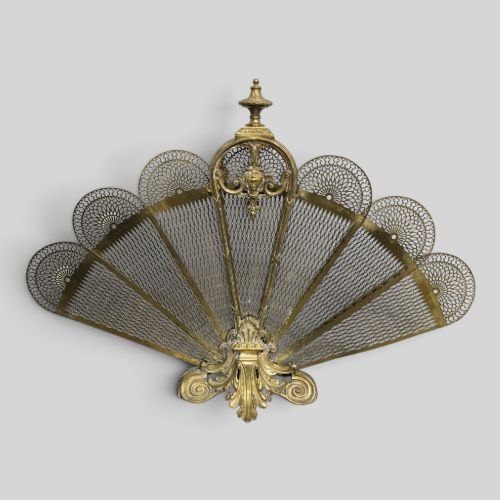
A metal fireplace screen provides both practical protection against stray sparks and a substantial decorative element for the sitting room hearth. When browsing this selection, buyers frequently encounter pieces designed to shield the room while the fire burns down, ranging from simple folding wire mesh guards to elaborate folding panels.
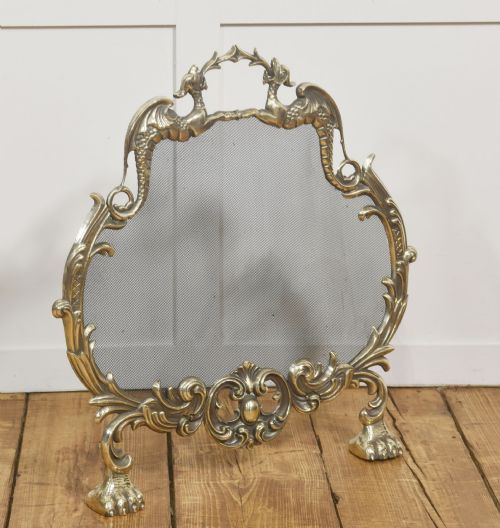
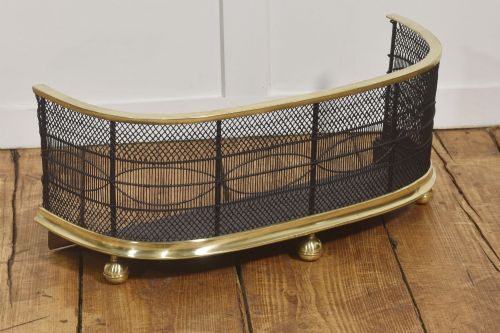
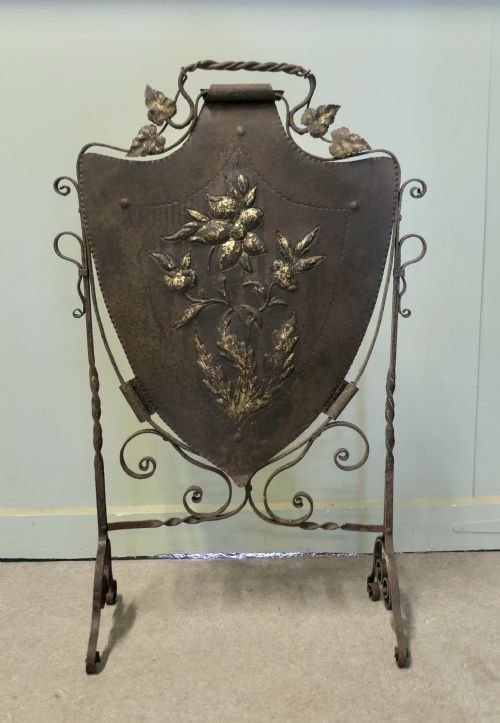
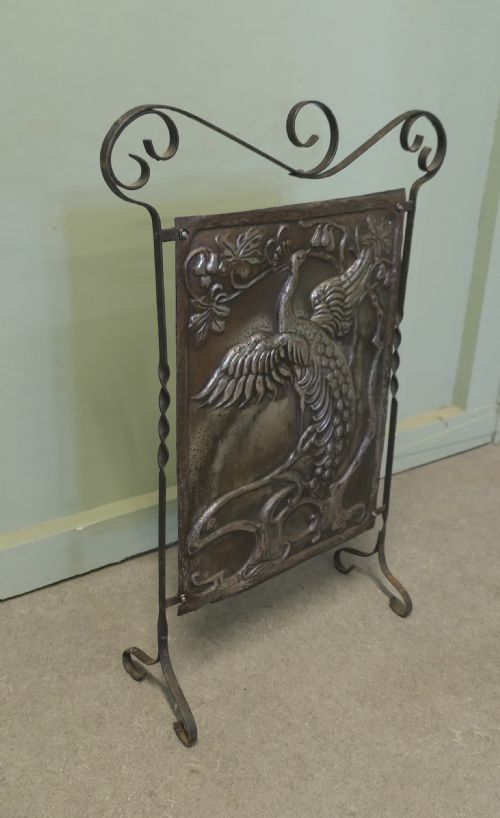
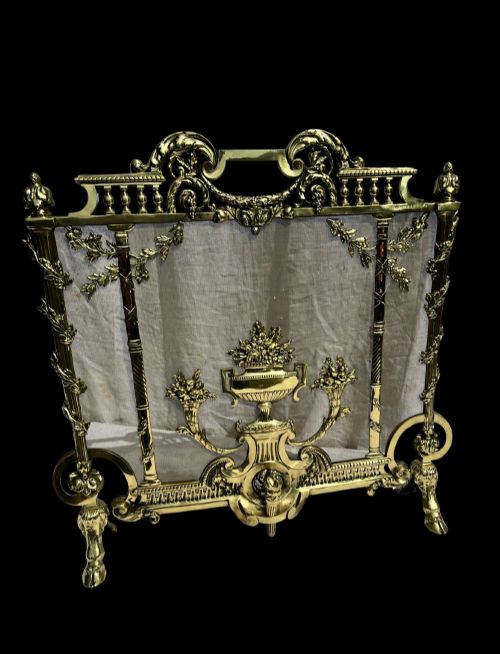
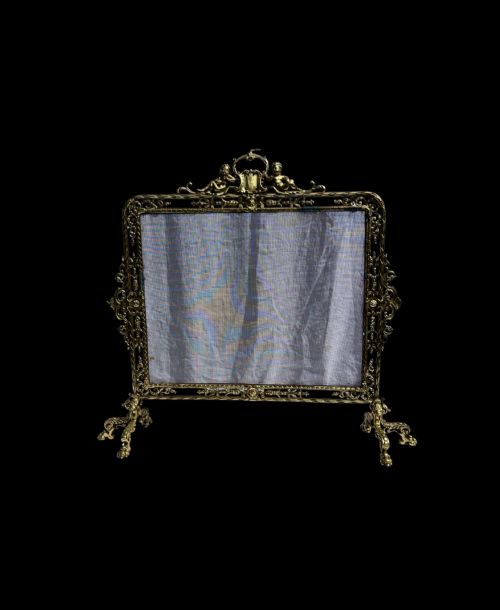
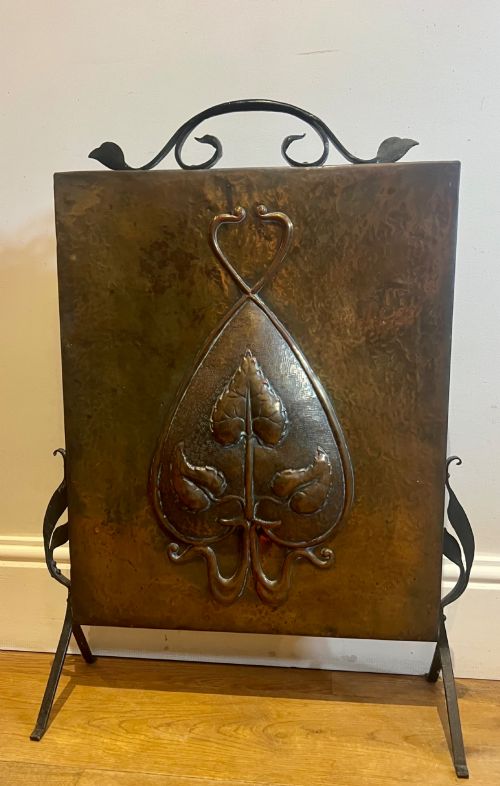
The objects seen here span several distinct periods, with nineteenth-century examples and Victorian designs appearing alongside later 1900s pieces. Forms vary from sturdy wrought iron fire guards and nursery fenders to ornate French Rococo revival screens and Arts and Crafts copper panels.
Origin and style dictate much of the character of these items, with French gilt bronze and brass pieces showing heavy ornamentation alongside British and Dutch variants featuring embossed brass, oak, and polished iron. Buyers select these screens to complement period interiors or to add architectural weight to a modern chimney breast.
Materials and Construction
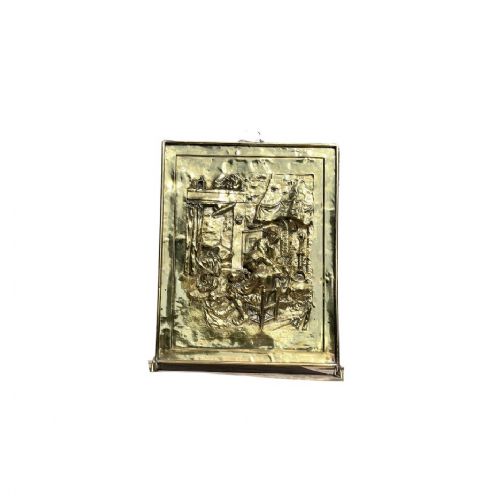
Makers utilised durable metals such as brass, copper, iron, and gilt bronze, often combining solid castings with delicate wire mesh or perforated sheet metal. Structural elements frequently relied on wrought iron for strength, while decorative panels employed chased or embossed brass and copper.
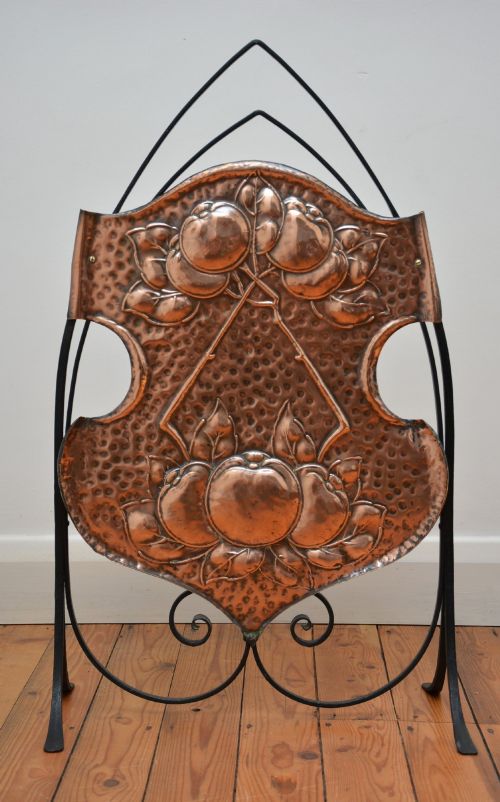
Surface decoration involved techniques like chasing, piercing, and polishing, with some pieces incorporating mirrors or hand-hammered motifs characteristic of the Arts and Crafts movement. Frames were constructed to support folding sections or free-standing feet, balancing decorative ambition with structural stability.
Metal Fireplace Screen Retail Price Guide 2026
Typical asking prices for metal fireplace screen among the pieces listed under this phrase on Sellingantiques today, from the lower quarter to the upper quarter. They describe what is for sale here now, not the wider market.
Listings feature periods spanning from the seventeenth century through the Victorian era and into the early twentieth century, utilising brass, copper, and iron.
Assessing Quality
Quality in a metal fireplace screen rests upon the crispness of the casting, the weight of the metal, and the integrity of the mesh or panel work. Heavier gauges of brass and iron indicate superior durability and a more substantial presence by the hearth.
Artisanal execution separates standard production items from finer works, particularly in the hand-chased details of French rococo revival frames or the distinctive hammered surfaces of copper Arts and Crafts pieces. Original patination and the skillful integration of hinges and folding mechanisms further distinguish the better examples.
The Metal Fireplace Screen Glossary
- Fire guard
- A protective barrier placed in front of an open hearth to catch sparks and embers. These often feature wire mesh or iron construction.
- Rococo revival
- A nineteenth-century design style drawing on eighteenth-century French motifs, characterised by asymmetrical scrolls, C-curves, and naturalistic floral elements. It appears frequently on ornate brass and gilt bronze screens.
- Nursery fender
- A low metal barrier designed to encircle the hearth entirely, preventing children or pets from getting too close to the fire. Some examples include integrated rails.
- Spark guard
- A functional screen, typically constructed from fine metal mesh, intended specifically to contain flying embers. They are built for utility alongside decorative appeal.
- Arts and crafts
- A design movement prioritising traditional craftsmanship and visible hand-working of materials. Copper and iron screens from this tradition often display hammered surfaces and stylised motifs.
Metal Fireplace Screen: Frequently Asked Questions
Can I use an antique screen with an active fire?
Many of these screens were built specifically for functional hearth use and incorporate sturdy iron or wire mesh to stop sparks. However, very delicate gilt bronze or mirrored pieces are better suited for decorative placement when the fireplace is unlit.
Assessing the condition of the mesh and the stability of the frame will help determine whether a piece can safely withstand daily heat exposure. Heavier wrought iron and brass models handle active fires with ease.
What is the difference between a screen and a fender?
A fireplace screen stands upright to block radiant heat and flying embers from entering the room. They are usually taller than they are wide and often feature folding panels.
A fender sits low on the floor around the hearth perimeter to contain logs and ash within the fireplace zone. Some historical variants combine both functions into a single nursery fender design.
How do I identify a French rococo screen?
French rococo revival pieces are distinguished by exuberant ornamentation, including asymmetrical scrollwork, floral garlands, and naturalistic motifs like flaming torches or musical trophies. The metalwork is typically cast in brass or gilt bronze with deeply chased details.
These screens often date from the nineteenth century and reflect a revival of eighteenth-century continental taste. Their heavy construction and elaborate framing set them apart from simpler domestic guards.