

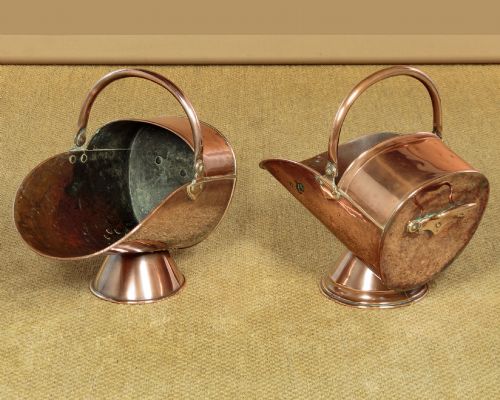

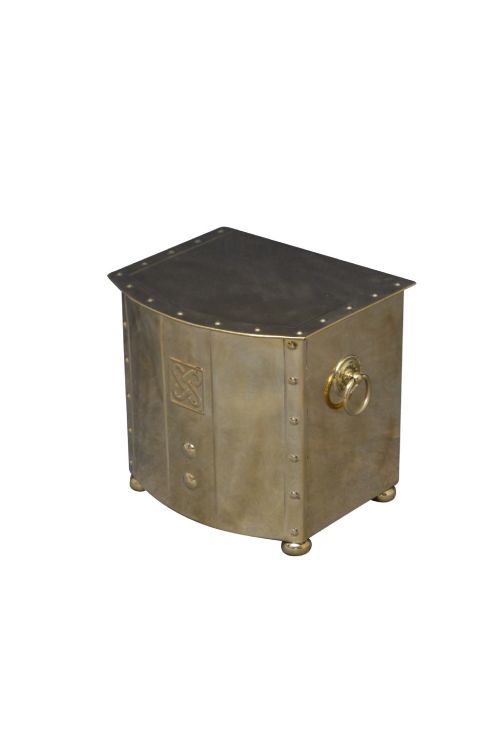
Metal Fireplace Coal Bin
A metal fireplace coal bin is a sturdy hearth container for fuel, offering practical utility alongside period charm.
Metal Fireplace Coal Bin
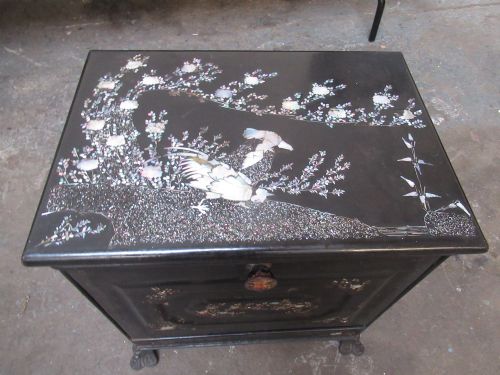
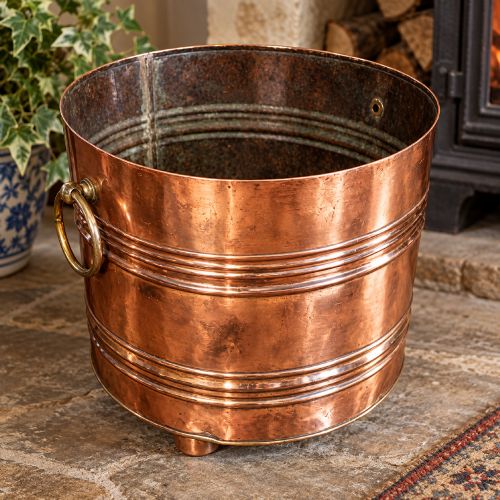
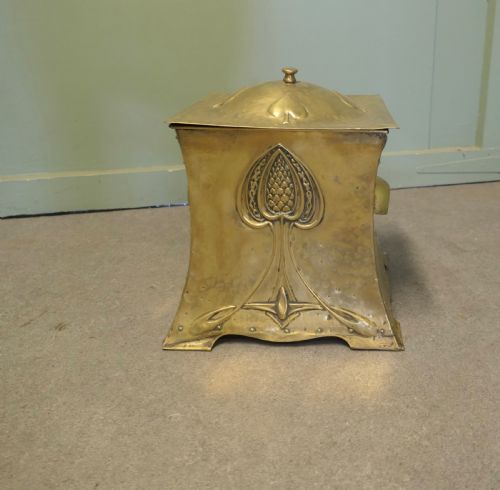
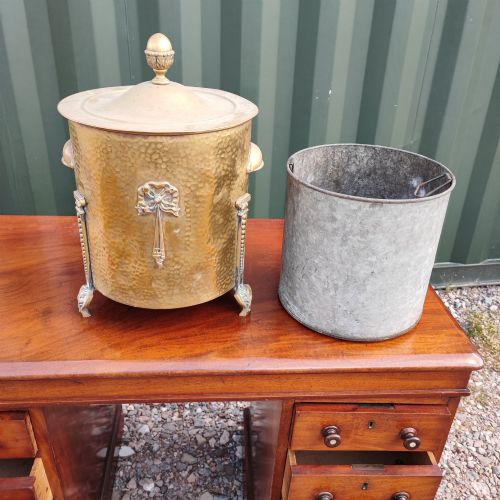
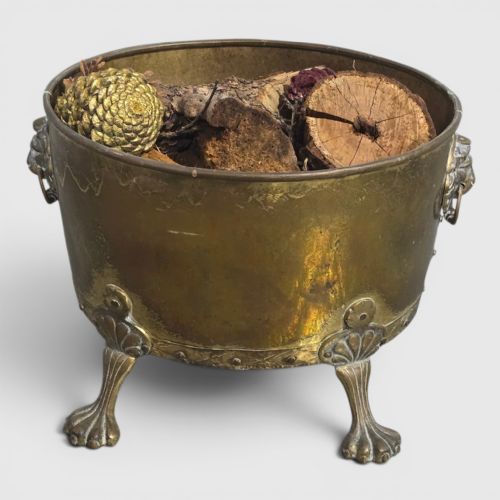
When searching for a metal fireplace coal bin, buyers encounter receptacles designed to store coal, logs, and kindling beside the hearth. These pieces range from cylindrical buckets and scuttles to lidded boxes and planters adapted for fireside use.
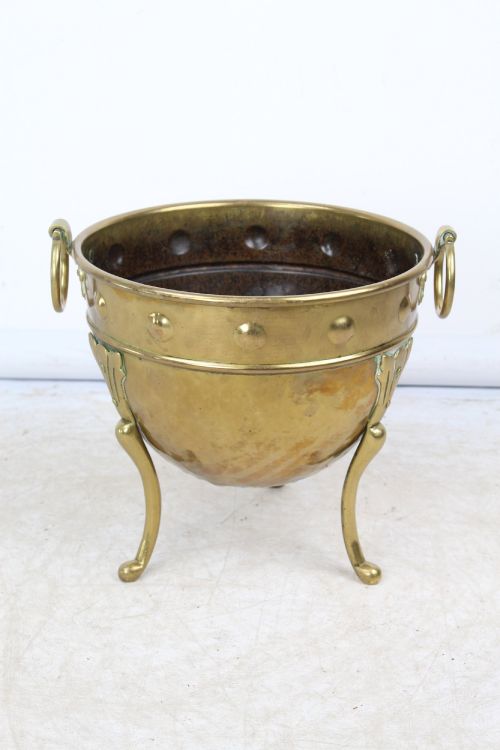
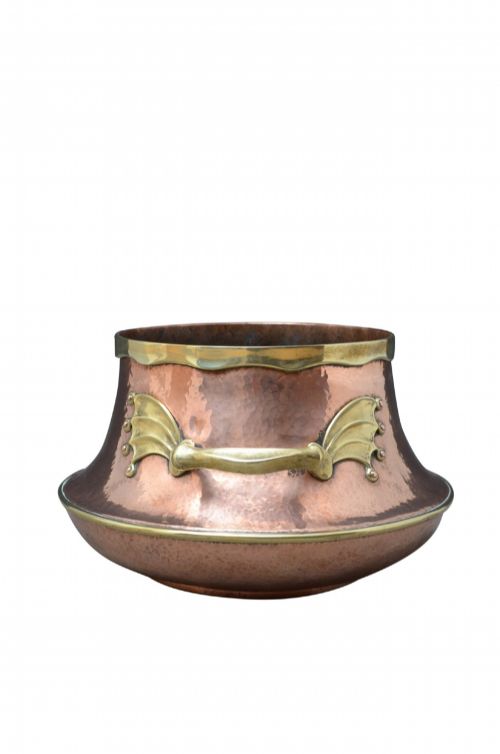
The selection on this page draws primarily from the nineteenth century, the Victorian era, and the Edwardian period, with later examples extending into the nineteen-thirties. Forms encompass Georgian designs, Arts and Crafts creations, and Art Nouveau vessels.
Originating largely from British and continental workshops, these items frequently combine functional metal bodies with decorative handles, liners, and contrasting bands of brass or copper.
Materials and construction
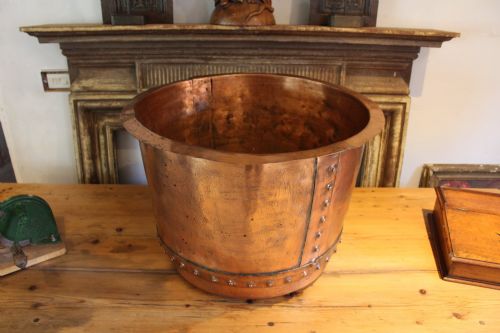
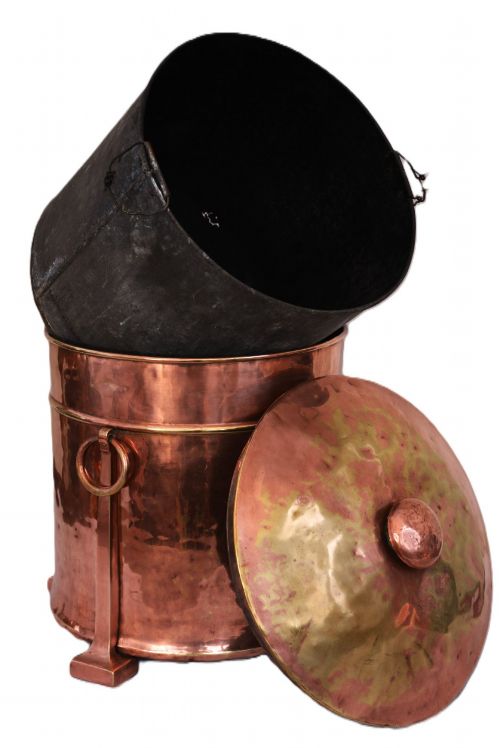
Construction relies heavily on metals such as brass, copper, iron, sheet iron, and galvanised metal, occasionally paired with wood. Artisans shaped these materials through beating, riveting, and hammering to form durable bodies capable of holding heavy fuel.
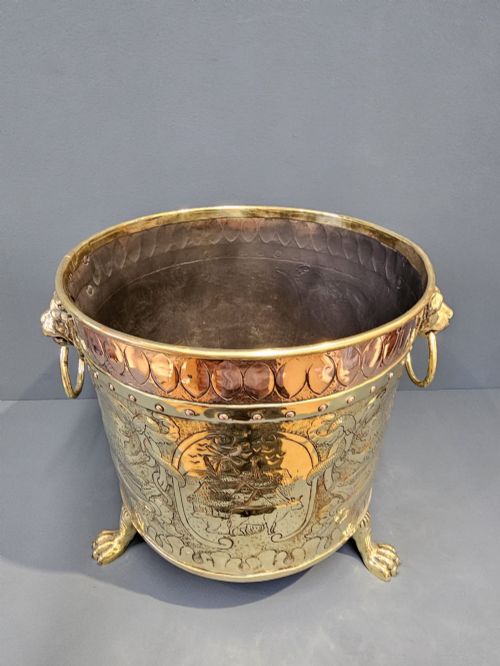
Surface ornamentation often includes embossed motifs, repoussé tavern scenes, spade decorations, and applied copper bands. Wrought iron provides sturdy handles and fixings, while internal metal or ceramic liners protect the main structure from moisture and ash.
Listings feature brass, copper, iron, wood, and galvanised metal across Victorian, Edwardian, Georgian, and Art Deco periods.
Craftsmanship and distinction
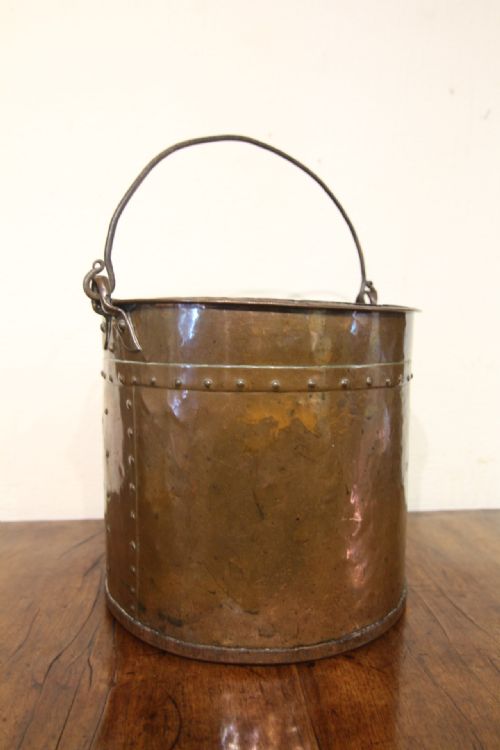
Quality rests upon the thickness of the metal, the rigidity of the construction, and the crispness of any embossed or hammered detail. Heavier gauge copper and brass with secure riveted joints distinguish sturdier utilitarian vessels from lighter decorative items.
Design sophistication also sets examples apart, moving from plain cylindrical buckets to shaped bins featuring specific stylistic movements like Arts and Crafts or Art Nouveau. Maker attribution further elevates certain pieces above standard workshop output.
Henry Loveridge·Petrus Ramus·William Soutter And Sons
The Metal Fireplace Coal Bin Glossary
- Coal scuttle
- A bucket or box designed for carrying and storing coal, often featuring a shaped lip or scoop for easy pouring. These vessels typically include swing handles for transport.
- Arts and Crafts
- A design movement prioritising traditional craftsmanship, visible construction methods, and hand-worked surfaces such as hammered copper. It emerged in the late nineteenth century as a reaction against industrial mass production.
- Dinanderie
- A term for various objects made of brass, copper, or bronze, particularly vessels produced in European workshops. It denotes traditional metalworking techniques applied to decorative and utilitarian items.
- Tole ware
- Lacquered or enamelled sheet metal items produced to imitate Asian lacquerware. This technique added colourful, durable finishes to domestic household objects.
- Jardiniere
- An ornamental pot or receptacle, usually ceramic or metal, designed to hold plants. Many hearth bins served a dual purpose as plant containers.
Metal Fireplace Coal Bin: Frequently Asked Questions
How do I clean a brass coal bin?
Maintenance requires gentle washing with warm soapy water to remove dust and soot accumulation without damaging the original surface. Avoid harsh abrasive cleaners that strip away patination accumulated over decades.
Dry the metal thoroughly with a soft cloth after washing to prevent water spotting. Preserving the natural tone is standard practice among collectors who value authentic age.
Can I use an antique bin for logs?
These metal containers were originally built to handle solid fuel and heavy logs beside active hearths. Sturdier riveted designs accommodate firewood easily without sustaining structural damage.
Ensure any delicate internal liners are removed or protected if loading heavy logs to prevent interior denting. Regular use adds to the working history of the piece.
How do I identify a Victorian coal scuttle?
Victorian examples frequently display heavy brass or copper construction with robust wrought iron handles and riveted seams. Stylistic cues often incorporate nineteenth-century manufacturing methods alongside period aesthetic preferences.
Many pieces from this era also feature embossed ornamentation or match specific forms recorded in the late eighteen-hundreds. Examining the construction technique helps separate them from twentieth-century reproductions.
What is the difference between a coal box and a scuttle?
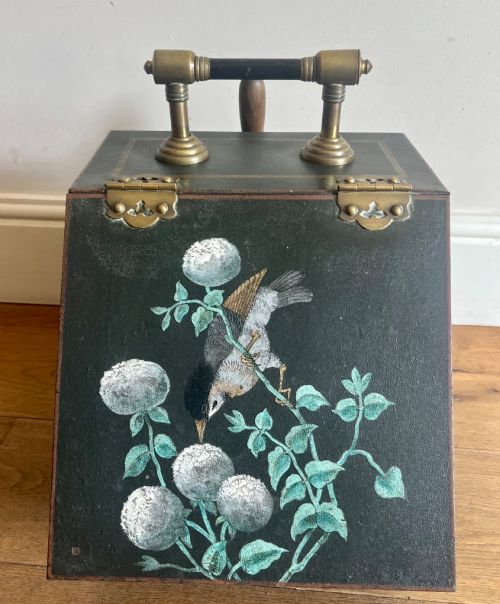
A coal box usually takes a rectangular or lidded form designed to sit neatly beside the fireplace as furniture. These enclosed boxes often conceal the fuel entirely from view.
A scuttle is typically an open bucket or helmet-shaped vessel with a handle intended for carrying fuel from an outside store. Scuttles prioritise accessibility and pouring utility over enclosed storage.