

Metal Fire Screen
A metal fire screen keeps the hearth safe while adding a decorative focal point to the room.
Metal Fire Screen
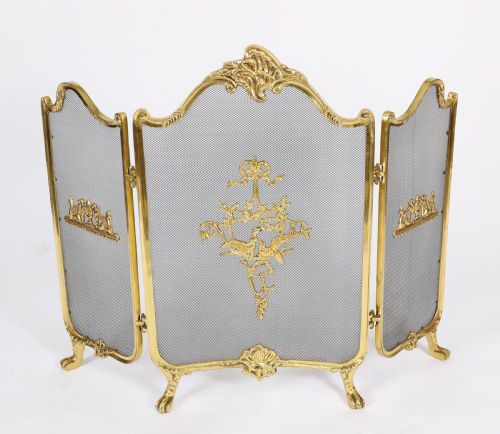
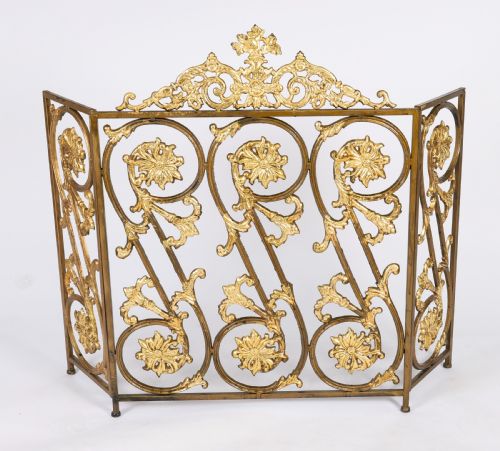
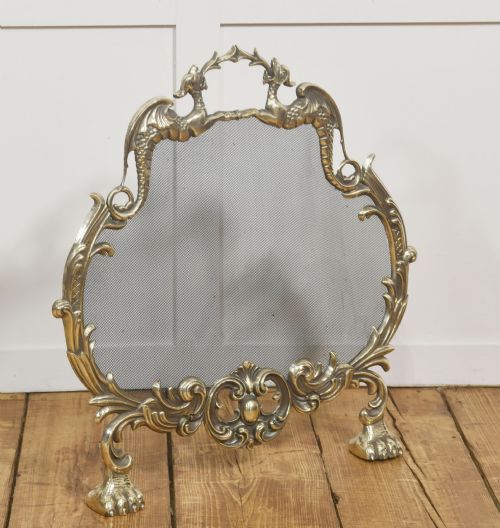
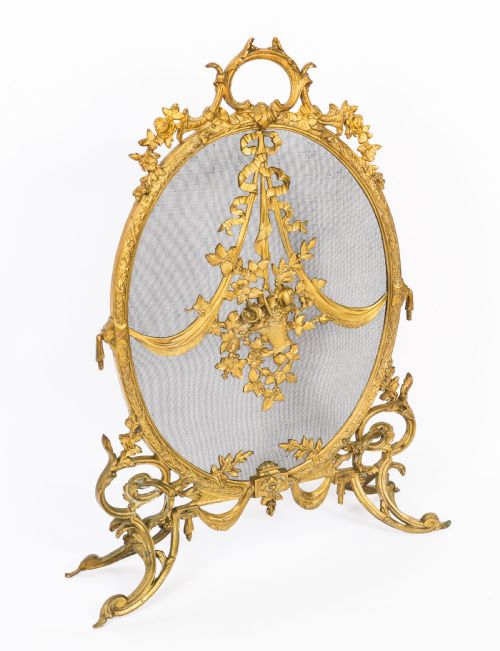
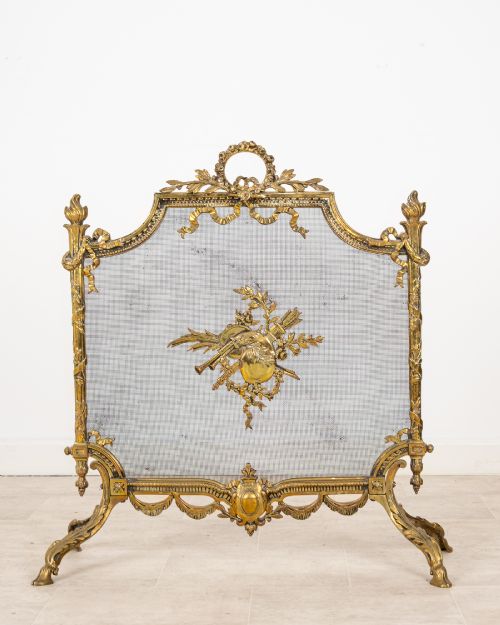
A metal fire screen serves as a functional barrier for the hearth, protecting the room from sparks while remaining a decorative centrepiece. When searching for a metal fire screen, buyers encounter various forms designed to stand before an open fireplace.
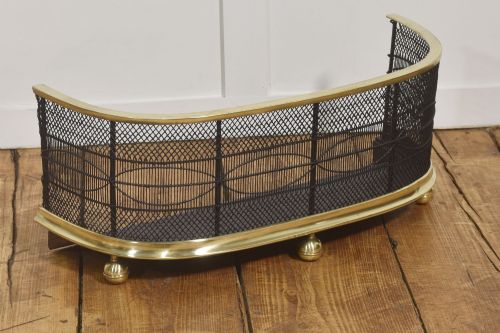
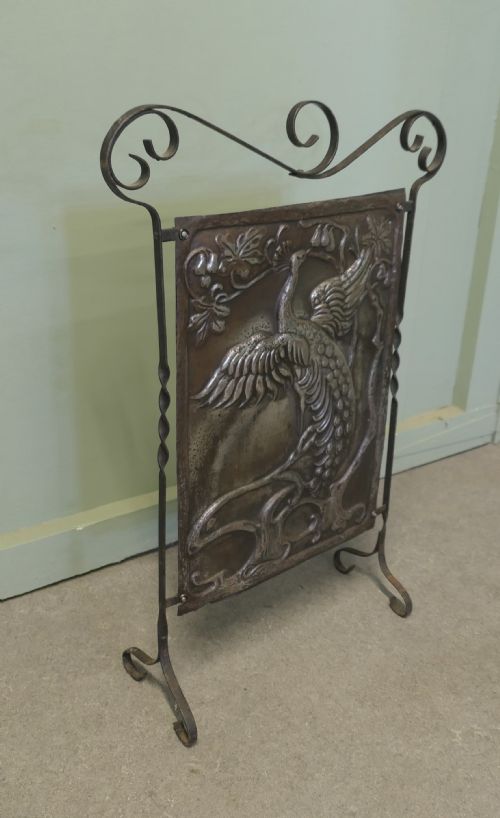
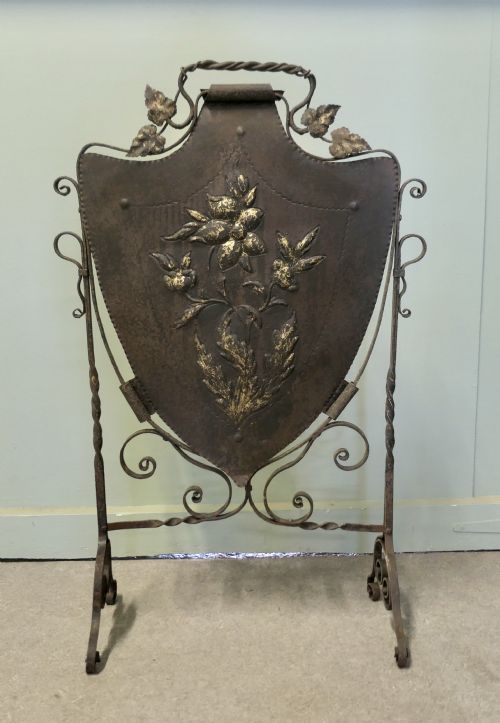
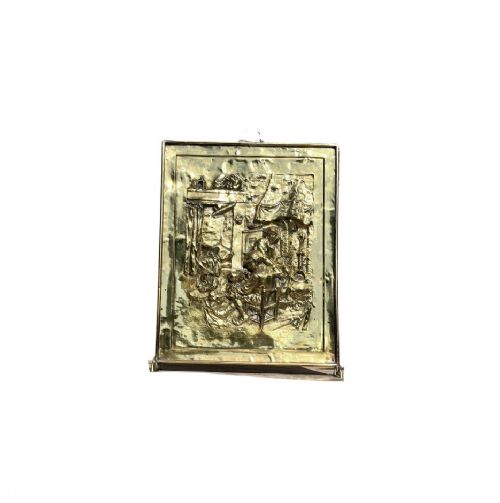
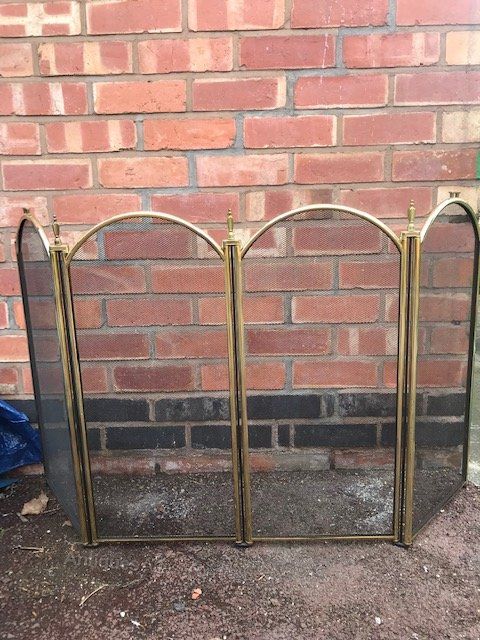
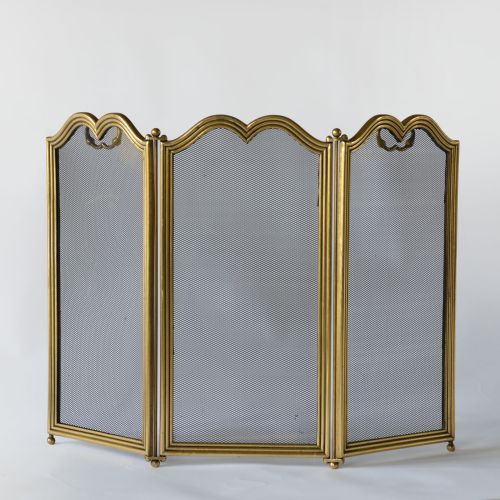
The selections span the nineteenth century into the early twentieth century, taking the form of solid panels, folding sections, and spark guards. Brass and iron examples appear frequently alongside copper and wire mesh designs.
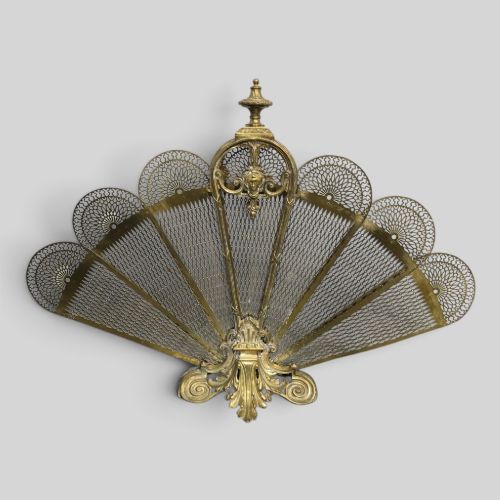
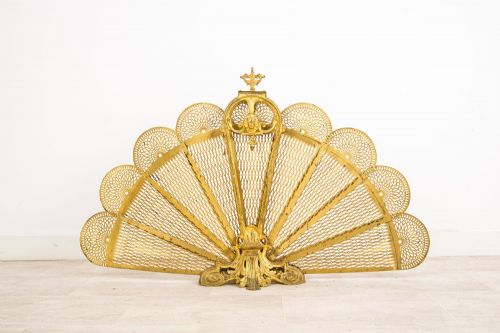
Stylistic influences range from French Rococo and Louis revivals to Arts and Crafts and Gothic designs. Peacock fan screens with expanding metal blades also feature among the available fireplace accessories.
Materials and Construction
Makers utilised brass, wrought iron, copper, and bronze as the primary structural metals for these fire guards. Cast and chased brass components appear alongside hand-beaten copper panels and sturdy iron frames.
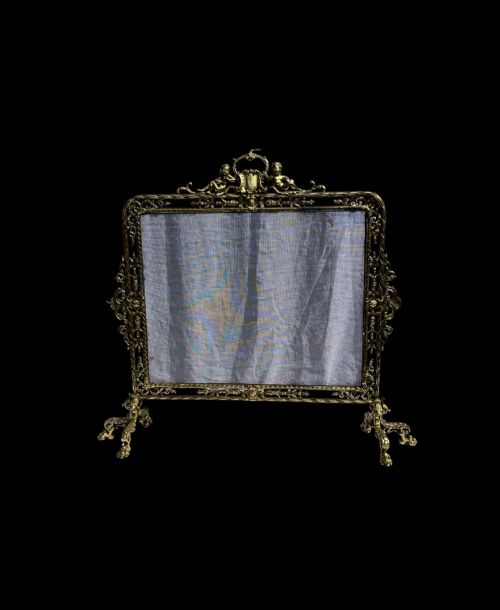
Wire mesh and fine metal netting provide the spark-guard function on folding and tripartite screens. Gilt finishes and black treatments alter the appearance of the base metals according to period tastes.
Quality and Execution
The standard of a metal fire screen depends upon the weight of the metal and the depth of the hand-chased or embossed detail. Heavy cast bronze and thick brass frames represent a higher grade of manufacture than thin sheet metal.
Fine craftsmanship shows in the articulation of folding sections and the intricacy of pierced brass or wrought iron motifs. Examples featuring embossed coats of arms or integrated mirrors demonstrate superior workshop skill.
The Metal Fire Screen Glossary
- Spark guard
- A fine wire mesh or metal screen designed primarily to catch flying embers from an open fire. These protective barriers keep carpets and furnishings safe from stray coals.
- Peacock screen
- A folding metal fire screen featuring overlapping fan blades that open like a peacock tail. They expand to cover the fireplace opening when cold and fold compactly when the fire is lit.
- Trophies
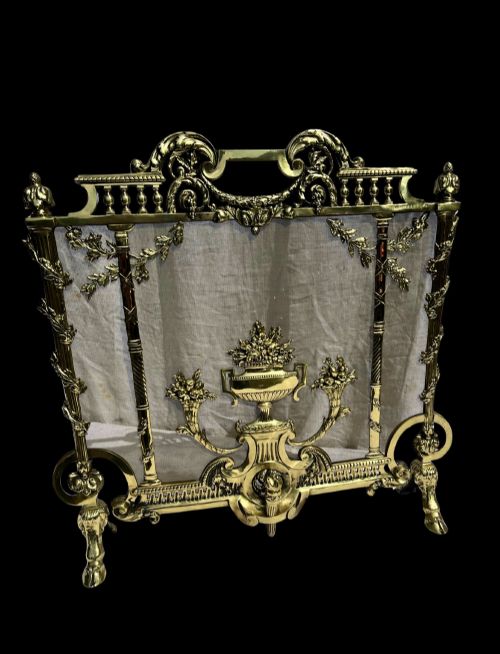
- Decorative motifs depicting musical instruments, floral arrangements, or classical emblems. Metal casters often cast these in relief upon French bronze and brass frames.
- Rococo revival
- A nineteenth-century design style marked by asymmetric scrollwork, C-scrolls, and naturalistic shell motifs. Fire screens in this manner display elaborate cast brass frames.
- Toleware
- Painted or enamelled sheet metal items. The archive records painted floral designs executed on metal surfaces.
Metal Fire Screen: Frequently Asked Questions
How do I choose the right size fire screen?
Measure the width and height of your fireplace opening to ensure the screen covers the space adequately without leaving large gaps at the sides.
Consider whether you need a folding tripartite design or a rigid single panel based on the hearth layout and clearance space.
Are these screens safe to use with modern fires?
Most antique metal screens function effectively as spark guards when paired with active hearths, provided the mesh remains intact.
Verify that folding sections stand stably on the hearth stone before using them with open fires.
How do I clean brass and copper fire screens?
Dust the metal regularly with a soft dry cloth to prevent the accumulation of soot and grime.
Avoid harsh chemical abrasives that strip patinated finishes, opting instead for gentle cleaning methods appropriate for historic metals.
What is the difference between a fire screen and a nursery fender?
A fire screen stands upright to shield the room from radiant heat and sparks, often featuring decorative panels or folding fans.
A nursery fender creates a low protective barrier around the entire hearth perimeter to keep children at a safe distance.