


Metal Figure Sculpture
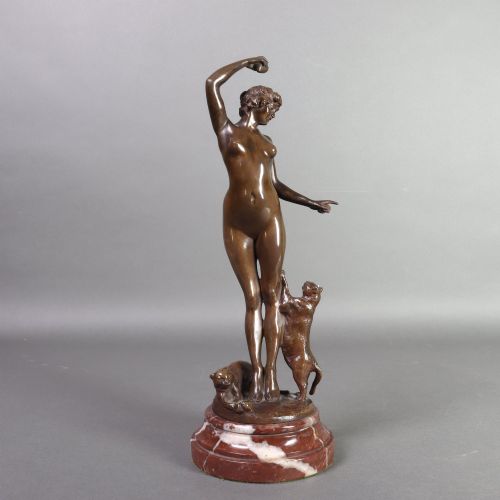
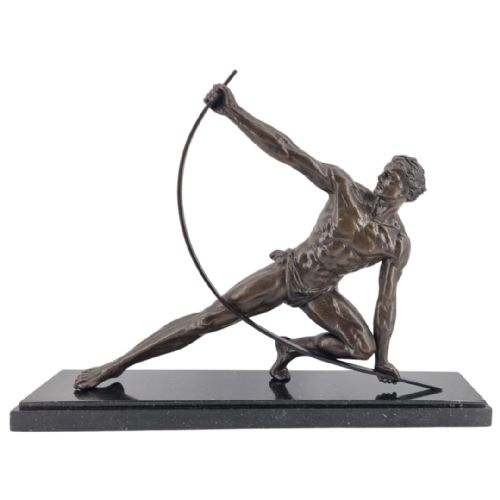
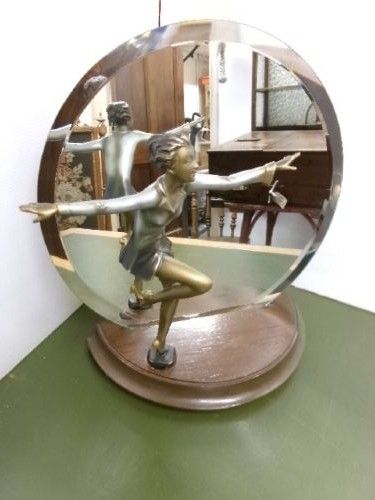
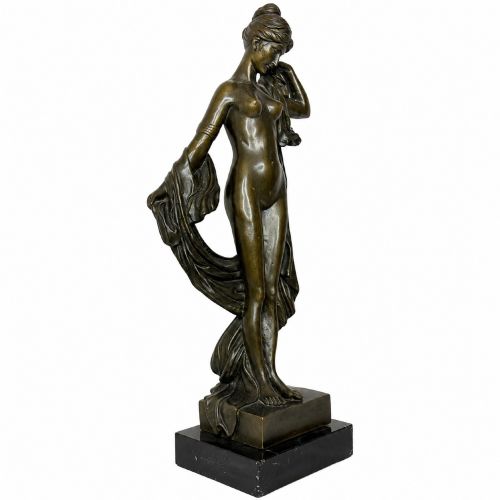
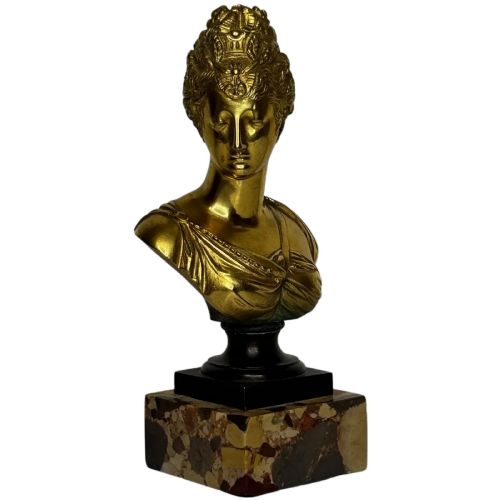
Metal figure sculpture encompasses cast and patinated works ranging from classical deities to Art Deco dancers, bringing substantial weight and historic form into a room.
Metal Figure Sculpture
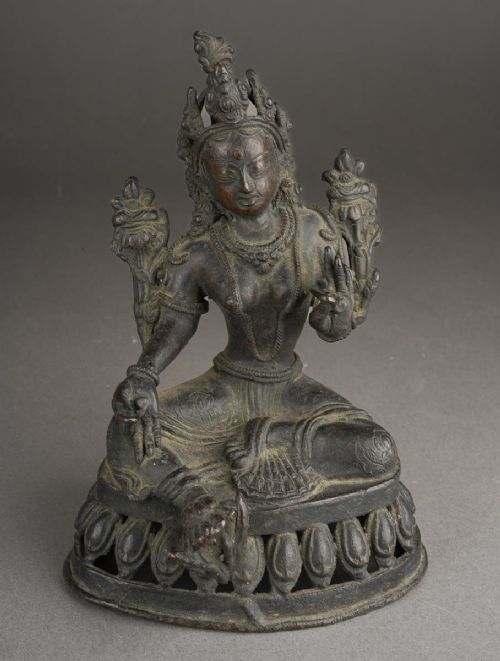
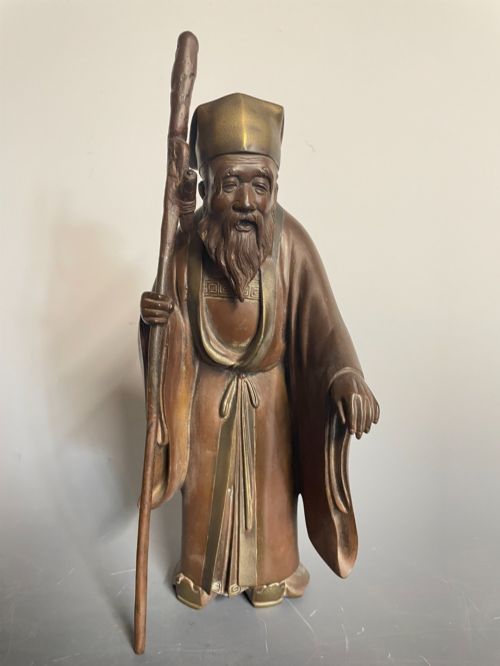
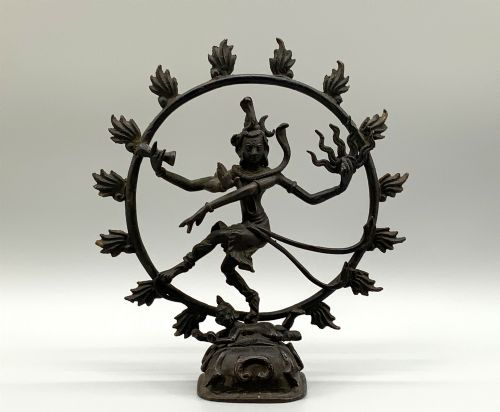
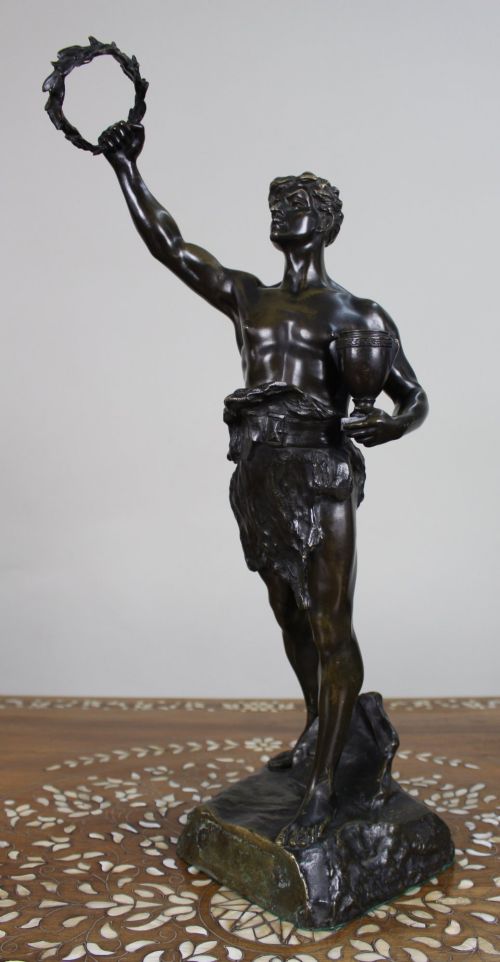
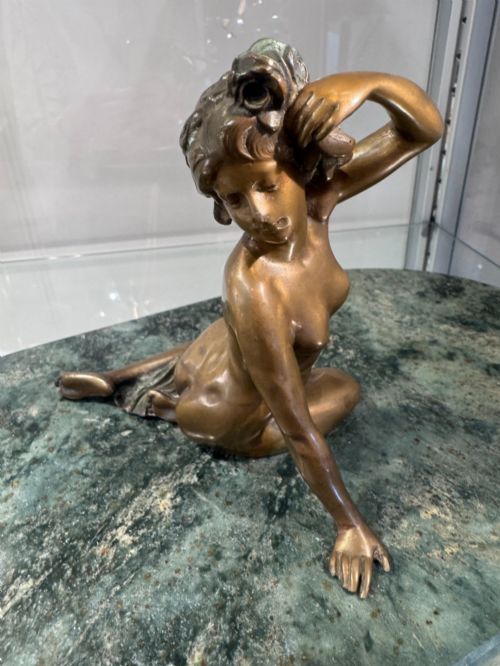
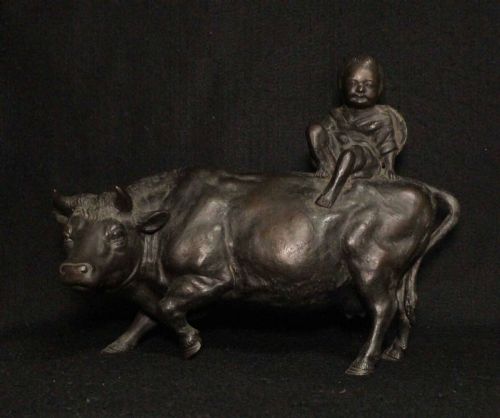
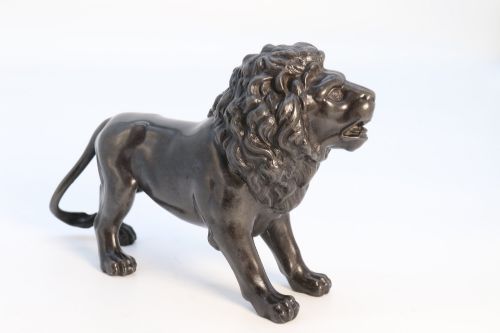
Metal figure sculpture spans centuries of foundry work, including European mythological subjects, Asian religious icons and domestic animal studies. A buyer browsing this selection encounters everything from 19th-century French classical bronzes and Grand Tour lions to sprightly Art Deco spelter dancers and Japanese Meiji period okimono.
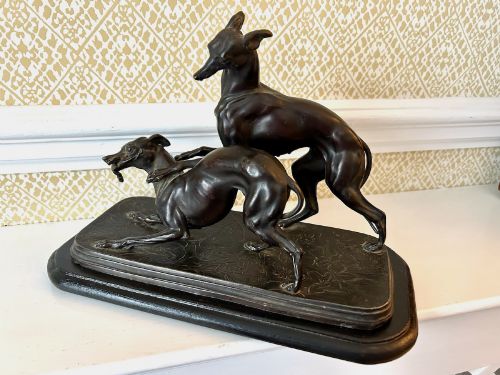
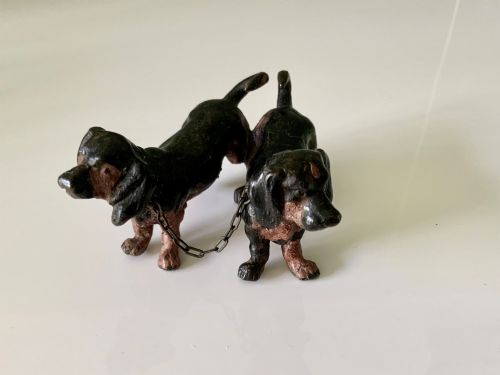
The objects take many physical forms, appearing as standalone figures mounted on marble bases, pairs of bookends, altar statues and small cabinet bronzes. Animalier subjects such as whippets, dachshunds, horses and lions sit alongside human subjects drawn from mythology, daily labour and the decorative arts.
Origins stretch across Europe, India, Tibet, China and Japan, reflecting diverse cultural traditions in metalcasting. French ateliers, British foundries and Eastern workshops all contribute distinct stylistic markers to the category.
How they were made
Foundries relied primarily on the lost-wax method or sand-casting techniques to shape molten metal into complex human and animal forms. Bronze allowed for crisp detail and sharp chiselling, while spelter offered a more affordable zinc alloy alternative that accepted patination readily.
Surface treatments defined the final appearance, utilising cold-painted enamels, gilt finishes, and dark chemical patinas to simulate age or highlight musculature. Many figures incorporate mixed media elements, pairing cast metal bodies with marble plinths, ivory details or turquoise stone inlays.
Materials documented in the inventory include bronze, gilt bronze, spelter, cast lead, brass, wood and carved marble bases.
What varies in quality
Quality rests in the crispness of the chasing and the depth of the foundry work after the cast leaves the mould. Superior examples retain fine facial expressions, legible signatures and sharp musculature without smoothing or softening from worn production moulds.
The integrity of the patina and the quality of the base materials elevate certain pieces above standard commercial production. Heavy genuine bronze with a rich, stable patination and a substantial marble or stone mount demonstrates superior manufacturing standards compared to lightweight plated spelter.
Gustave Dussart·Jean de Roncourt·F.Milliot·Josef Lorenzl·Christophe Fratin·Emile Carlier·Henri Godet
The Metal Figure Sculpture Glossary
- Spelter
- A zinc-based alloy commonly used as an economical substitute for bronze in 19th and early 20th-century decorative figures. It is softer than bronze and typically carries a bronze-toned or painted finish.
- Patina
- The surface coloration and sheen developed naturally through age or applied artificially by the artist using chemicals. A good patina enhances the tactile depth of the metal.
- Animalier
- A 19th-century artistic movement focused on the realistic depiction of animals, particularly predators, horses and hounds. Sculptors in this tradition studied anatomy closely at menageries.
- Okimono
- A Japanese carved or cast decorative object designed for display on a shelf or in a tokonoma alcove. These pieces often depict animals, folklore figures or scenes from daily life.
- Cold-painted
- A colouring technique where paint is applied to cold metal without subsequent firing, common in Viennese bronze production. The paint sits on the surface and can show wear over time.
Metal Figure Sculpture: Frequently Asked Questions
How do I clean bronze figures?
Dust the surface gently with a soft, dry brush to prevent the accumulation of grit in recessed details.
Avoid using harsh chemical polishes or water, which can strip the historic patina and damage the underlying metal.
How can I tell bronze from spelter?
Bronze is heavier, colder to the touch and rings with a distinct resonant tone when lightly tapped.
Spelter is lighter, softer and often reveals a silvery grey metal beneath worn spots in the surface finish.
Where should I place these sculptures?
Position heavier pieces on stable, level surfaces such as sturdy sideboards, mantelpieces or dedicated pedestals.
Keep figures away from direct sunlight and damp environments to protect patinated surfaces and marble bases.
What does cold painted mean?
Cold painting involves applying natural pigments or oil paints to a finished metal casting without heat firing.
This technique allows for vibrant polychrome detailing on small animal and human figures.