






Metal Drinking Goblet
These metal drinking goblet examples span centuries of craft, offering robust vessels that turn a simple drink into a tactile, historic ritual.
Metal Drinking Goblet
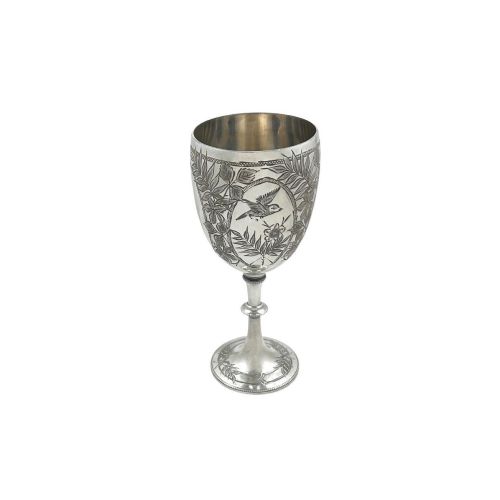
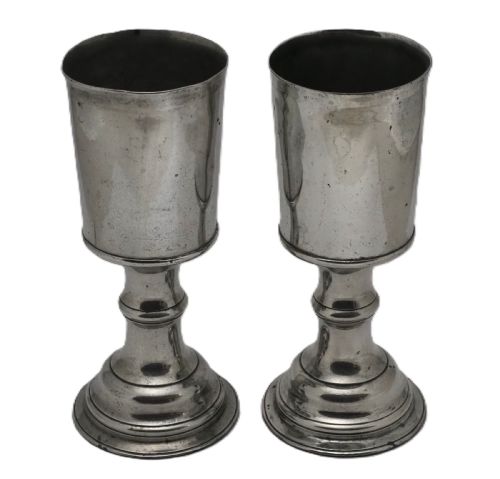
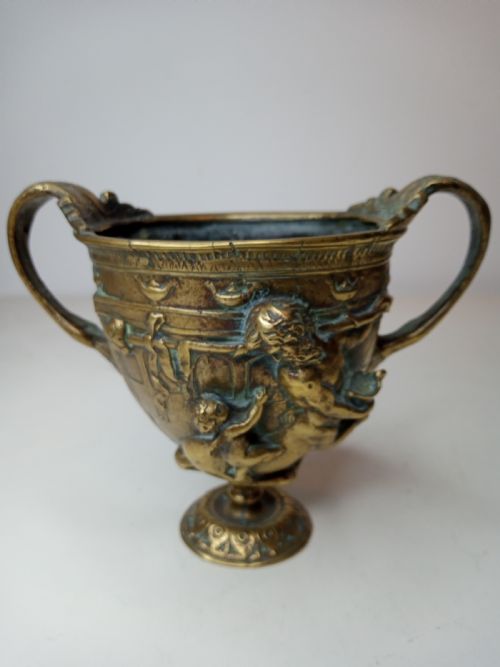
A metal drinking goblet bridges utilitarian barware and decorative art, appearing in diverse forms across multiple centuries. When people search for a metal drinking goblet, they encounter everything from Georgian pewter chalices to Italian bronze Grand Tour items.
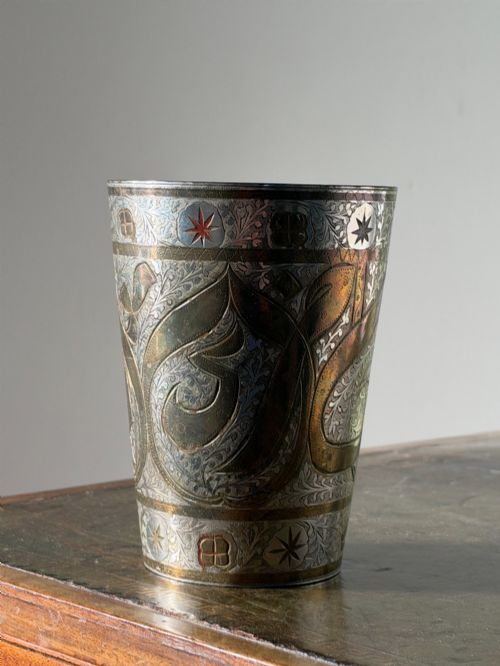
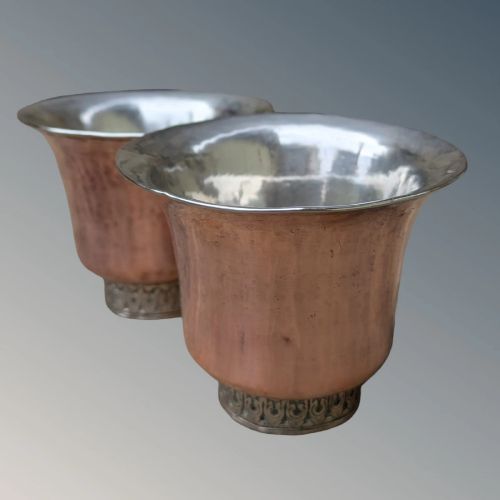
The selections on this page showcase a broad geographical and temporal range, including Dutch pewter beakers, Tibetan copper and silver vessels, and early twentieth-century Indian engraved white metal pieces. Domestic items like silver plated mugs and tankards sit alongside classical revival pieces such as the brass Pompeji kantharos cup.
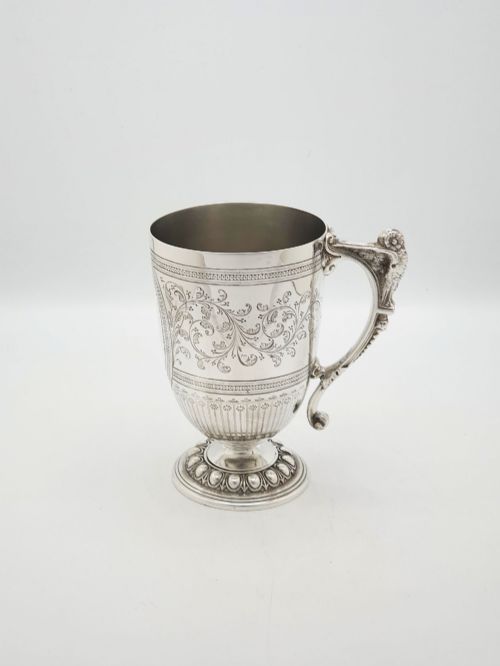
Mug and drinkware forms vary widely, incorporating unusual pairings like coconut shells wrapped in Chinese pewter or figural elements like an owl handle on an Edwardian silver plated tankard. Buyers find both paired chalices and singular decorative vessels intended for display or occasional use.
How they were made
Maker techniques rely heavily on casting, hammering, and metal spinning to shape base metals and alloys such as pewter, brass, bronze, copper, and nickel silver. Silver plating provides a polished surface layer over a base metal core, while white metal offers a durable, bright finish.
Surface ornamentation is achieved through skilled hand engraving, intricate embossing, and shallow chasing. Artisans also integrated organic materials, wrapping carved coconut shell securely around metal drinking cups or applying detailed cast metal handles.
Metal Drinking Goblet Retail Price Guide 2026
Typical asking prices for metal drinking goblet among the pieces listed under this phrase on Sellingantiques today, from the lower quarter to the upper quarter. They describe what is for sale here now, not the wider market.
Periods represented stretch from the seventeenth century through the Georgian and Victorian eras into the Art Deco twentieth century.
What varies in quality
Quality rests in the crispness of the chasing and engraving, and the structural integrity of joints where stems meet bowls and handles join bodies. Heavy gauge metals and thick silver plating endure handling better over generations.
The refinement of cast details, such as the sculptural definition on figural handles or classical motifs, distinguishes standard utility ware from ambitious decorative works. Patina development and the preservation of original surface textures also influence the overall character of each piece.
The Metal Drinking Goblet Glossary
- Pewter
- A malleable metal alloy consisting primarily of tin, often mixed with copper and antimony, used widely for historical vessels and tableware. It takes a soft, dark grey patina over time.
- Chalice
- A large cup or goblet, historically used for sacramental wine or ceremonial drinking. Examples often feature a distinct stem and a wide foot for stability.
- Grand Tour
- A cultural phenomenon of the eighteenth and nineteenth centuries where travellers collected classical antiquities and souvenirs, including bronze vessels and classical revival cups.
- Kantharos
- An ancient Greek cup type with two high-swung handles and a deep bowl, recreated in later eras in metals like brass for decorative collections.
Metal Drinking Goblet: Frequently Asked Questions
What metals are used?
Pieces utilise a range of materials including silver, silver plate, pewter, bronze, brass, copper, and white metal.
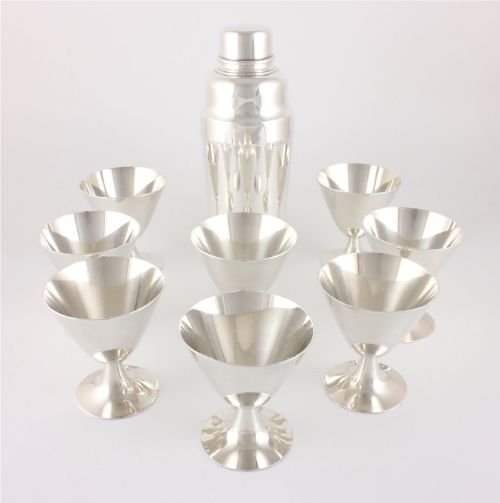
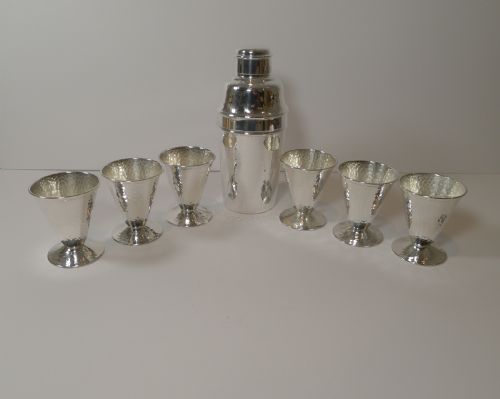
Selection depends on the period and region of origin, from seventeenth-century continental pewter to twentieth-century plated cocktail sets.
How do I date a metal goblet?
Dating relies on stylistic clues, manufacturing techniques, maker marks, and the specific wear patterns visible on the metal surface.
Comparing forms against documented examples from periods like the Georgian era or Art Deco helps narrow the timeframe.
Are these items safe for drinking?
While many historical vessels were designed for functional use, composition varies widely across centuries and materials.
Modern buyers often treat older or plated items primarily as decorative display pieces rather than daily drinkware.
How should I clean antique metal?
Care depends entirely on the specific metal, as harsh polishes can strip desirable historic patina from pewter or bronze.
Gentle dusting and appropriate conservation methods preserve the surface without removing the evidence of age.