




Metal Dining Table
A metal dining table brings industrial strength and enduring utility to a room, offering surface space built to last.
Metal Dining Table
A metal dining table serves as a robust surface for daily meals, appearing across periods from the nineteenth century through the early twentieth century. These pieces often combine industrial strength with domestic utility, forming the centrepiece of a kitchen or dining space.
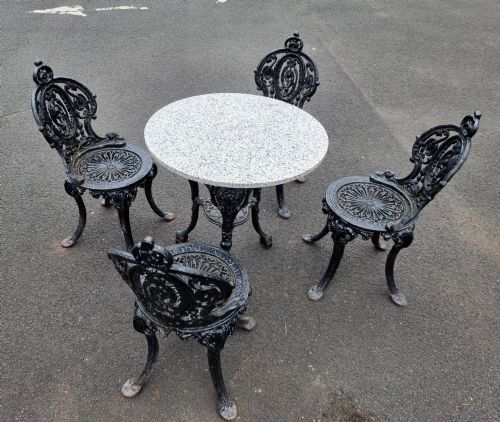
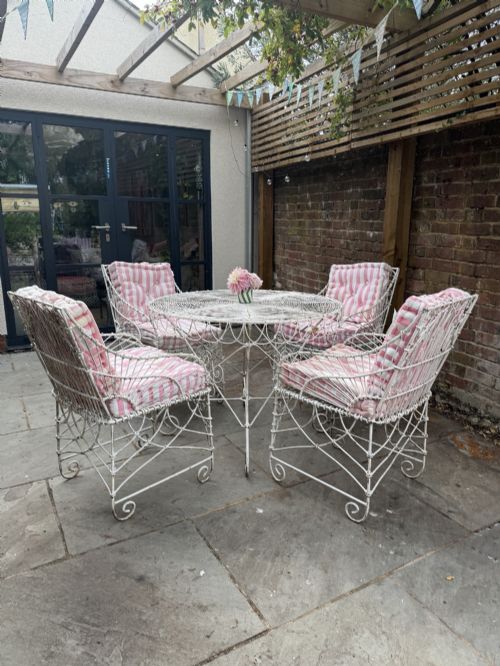
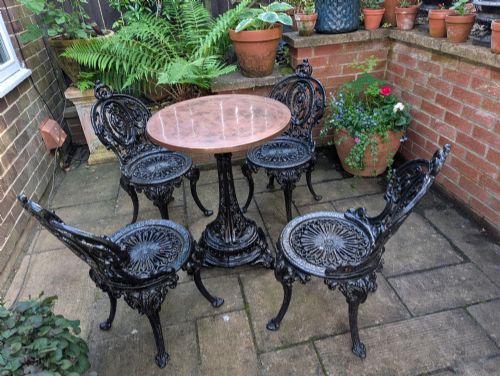
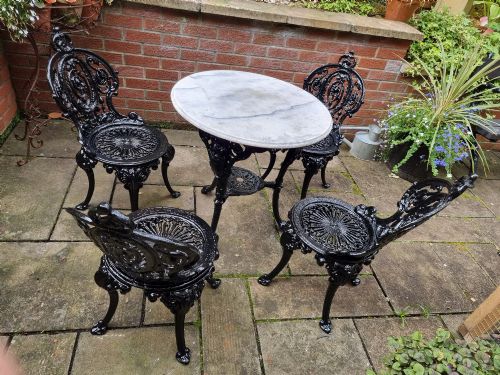
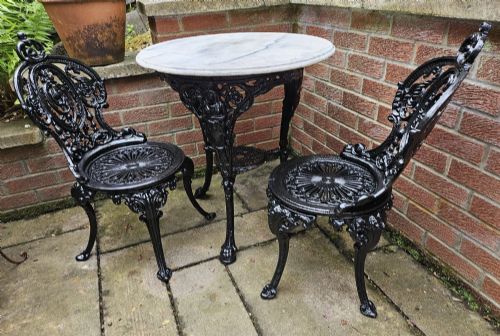
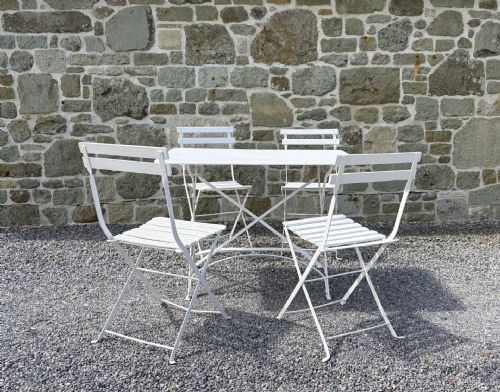
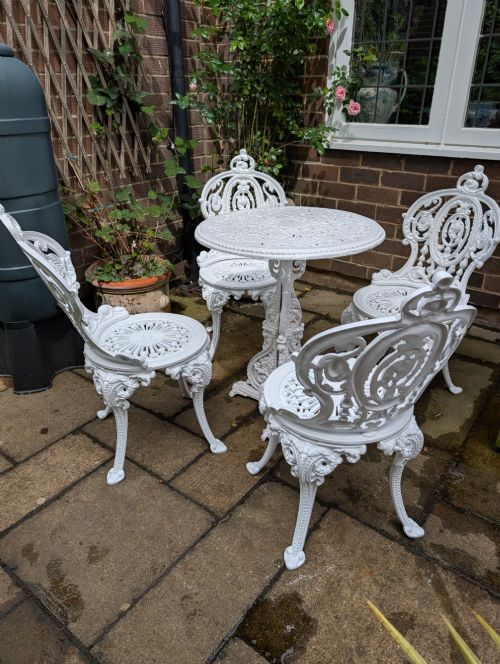
The selections available here range from heavy cast-iron frames paired with matching chairs to garden dining sets and French bistro arrangements. Many examples integrate mixed materials, joining metal bases with timber or marble tops for varied texture.
Industrial steel tables and folding metalwork designs from the nineteen-twenties sit alongside earlier nineteenth-century garden furniture and French country styles. Buyers encounter both dedicated dining tables and versatile bases paired with solid oak surfaces.
Distinctions in Quality
The standard of a metal dining table depends on the weight and integrity of its foundational metalwork, distinguishing solid castings from lighter fabricated elements. Superior examples show careful proportion in the legs and stretcher bars, ensuring stability without excessive bulk.
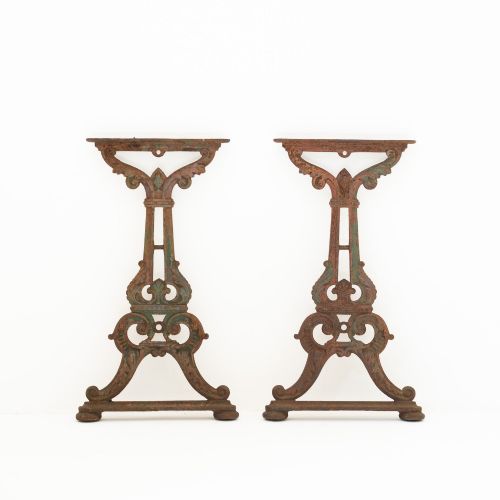
The union between the metal base and the top surface reveals the maker's hand, whether joining cast iron to marble, zinc, or solid oak. Original patination on painted industrial steel or weathered iron adds depth that modern replicas cannot replicate.
Materials span heavy metals, marble, zinc, and solid oak across French country and industrial styles.
Christopher Dresser·Orivit·Lerolle Fres·Harrison Patent·Barker Ellis·Blagden, Hodgson & Co
The Metal Dining Table Glossary
- Cast iron
- A hard, brittle alloy of iron and carbon poured into moulds to create rigid structural forms. It provides exceptional weight and stability for heavy table bases.
- Wrought iron
- Iron that is beaten, rolled, or bent into shape while hot, yielding a fibrous material with high tensile strength. This technique allows for more flexible and decorative framework designs than casting.
- Industrial steel
- Strong, versatile metal alloy utilised for twentieth-century utilitarian furniture. It offers a clean, rigid profile suited to heavy-duty domestic environments.
- Bistro set
- A small table accompanied by matching chairs, designed originally for French cafes and outdoor terraces. These arrangements prioritise compact proportions and folding mechanisms.
- Refectory table
- A long, narrow dining table traditionally built for communal dining halls. The form often utilises sturdy wooden tops supported by robust trestle or metal bases.
Metal Dining Table: Frequently Asked Questions
How do I clean a metal dining table top?
Wipe the surface regularly with a soft, damp cloth to remove dust and daily debris. Avoid harsh chemical cleaners that might strip the protective finish or damage the underlying metal.
For wooden or marble tops paired with metal bases, use specific cleaning agents suited to those particular materials. Dry the surfaces thoroughly after cleaning to prevent moisture rings or corrosion.
Can I use an industrial metal table outside?
Many metal tables originate from garden or bistro settings and tolerate outdoor conditions well. However, prolonged exposure to damp weather can encourage rust on unprotected iron or steel surfaces.
Store vulnerable pieces indoors during harsh winter months or apply suitable protective waxes. Check the specific material composition before leaving any table exposed to the elements permanently.
How do I identify a nineteen-twenties industrial table?
Nineteen-twenties industrial pieces typically feature painted steel frames, riveted joints, and utilitarian forms designed for factories or workshops. They often display robust construction with visible signs of working life and heavy-duty usage.
Look for original painted finishes, stamped maker marks, and heavier gauge metals compared to modern reproductions. The integration of solid oak or thick pine tops is also common in this period.
Are cast iron table bases stable?
Cast iron provides significant weight, which anchors the table firmly to the floor and prevents tipping. This density makes these bases exceptionally steady, even when supporting heavy stone or timber tops.
Inspect the joints and connecting bolts periodically to ensure the heavy components remain tightly secured. The sheer mass of the iron absorbs daily movement effectively.