

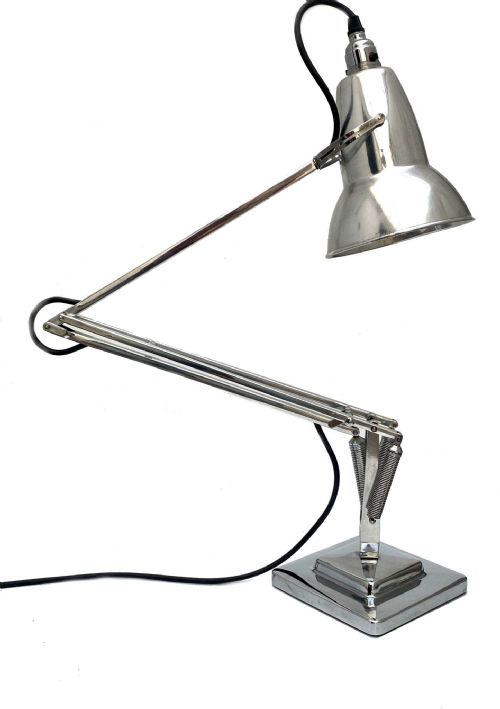

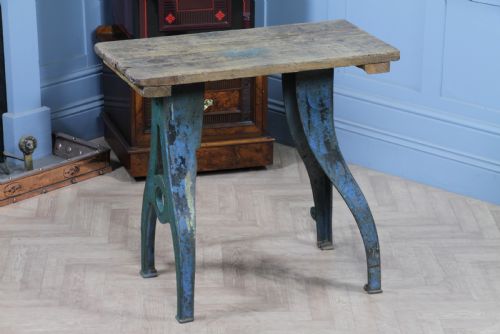
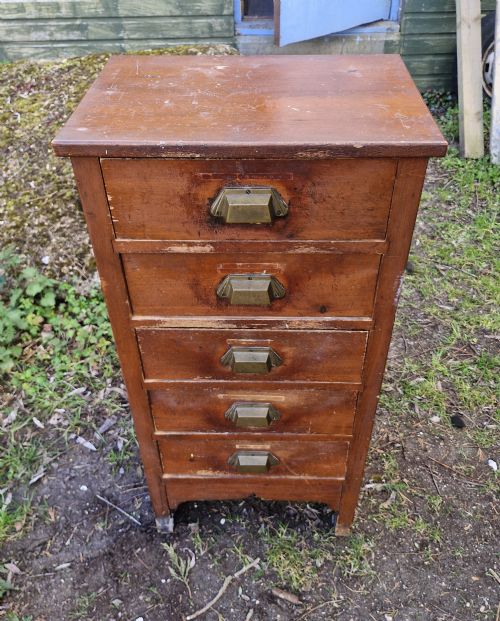


Vintage Industrial Desk
These vintage industrial desk pieces and related work tables bring utilitarian metal and timber directly into modern workspaces.
Vintage Industrial Desk
A vintage industrial desk or related work table brings together heavy metal framing and robust timber tops drawn from nineteenth and early twentieth-century offices, workshops, and factories. Buyers search for these pieces to anchor a study or workspace with functional architecture built for heavy daily use.
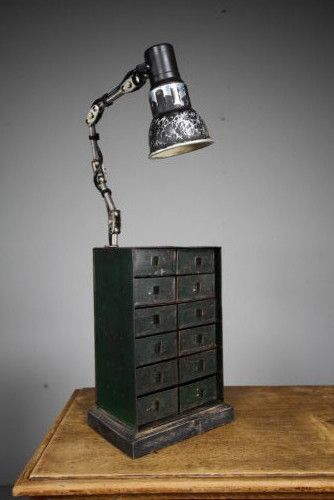
The selections encountered here most frequently include sturdy tables built from cast iron, steel, pine, and oak, often paired with matching workshop chairs, pigeon holes, or task lighting. Pieces span Victorian, Edwardian, Art Deco, and early twentieth-century eras, reflecting genuine commercial and trade origins rather than purely decorative reproductions.
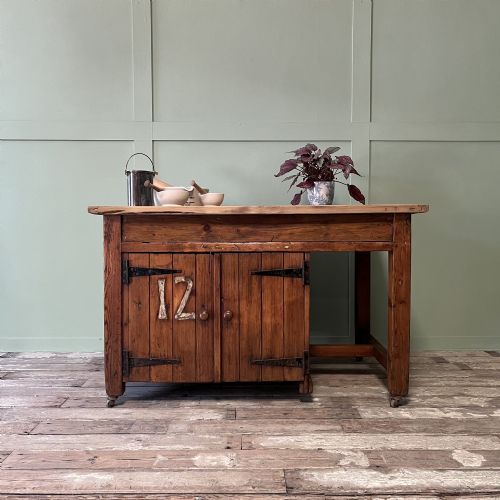
While the phrase specifically targets desks, the material record reveals an overlap with sorting tables, bakers prep tables, and jewellers benches adapted for writing or computer use. These forms share the same honest construction and utilitarian proportions that define the genre.
Materials and construction methods
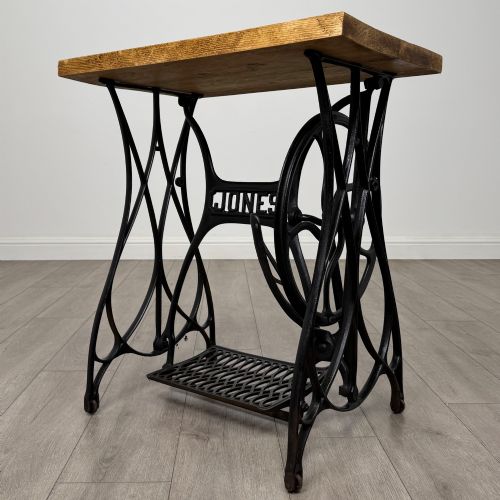
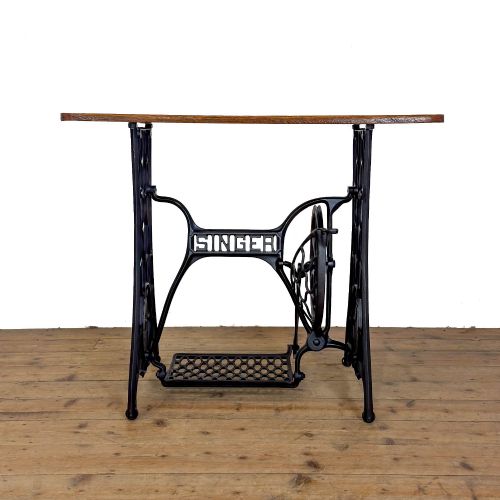
Construction relies heavily on structural metals like cast iron, steel, and brass for bases, frames, and mechanical adjustments, paired with durable timbers such as pine, oak, elm, and ash for surfaces. Cast iron provides rigid, weighty support for sewing machine bases and adjustable mechanisms, while solid hardwoods and pine withstand the rigours of workshop activity.
Joinery and assembly methods prioritise utility and strength over concealed finesse, utilising bolted metal joints, rivets, and heavy-duty fixings alongside traditional timber framing. Enamelled finishes, chrome plating, and brass fittings appear on task lighting and cabinets, showing the industrial application of protective and decorative coatings during the early twentieth century.
Assessing quality in industrial furniture
Quality rests in the integrity of the original industrial application, distinguishing pieces designed for rigorous municipal or factory service from lighter domestic adaptations. Weight, gauge of metal, and the substantial nature of timber tops dictate the physical presence and durability of each item.
The preservation of original functional elements - such as working cast-iron screw adjustments, original brass handles, and authentic manufacturer stamps - separates standard utility items from superior collector pieces. Surface patination achieved through decades of genuine workshop use provides an aesthetic depth that replacement parts or aggressive cleaning diminish.
Herbert Terry·Carters Of London·Evertaut·Pirouette·Andre Guilmet
The Vintage Industrial Desk Glossary
- Cast iron
- A strong, heavy iron-carbon alloy poured into moulds to create rigid machine bases, table legs, and structural frames. It provides the characteristic weight and durability found in many nineteenth-century industrial pieces.
- Trestle table
- A table consisting of a horizontal beam supported by two vertical legs or frames at each end. This form often appears in early twentieth-century work tables and architectural plans.
- Pigeon holes
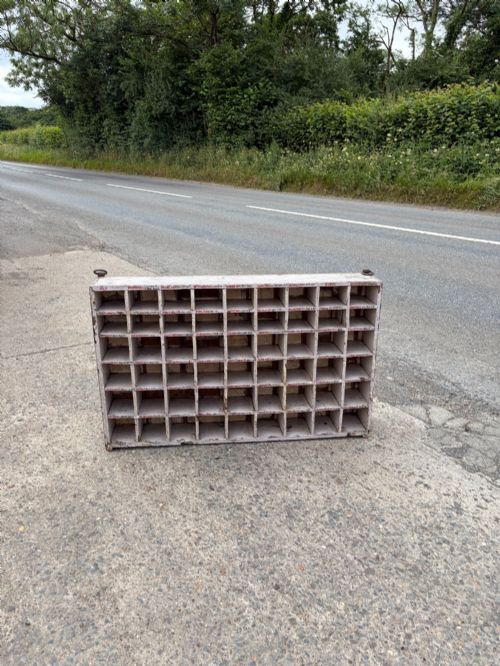
- A series of small, open compartments built into a cabinet or desk for sorting post, papers, or documents. Post office sorting tables frequently utilise this storage arrangement.
- Spelter
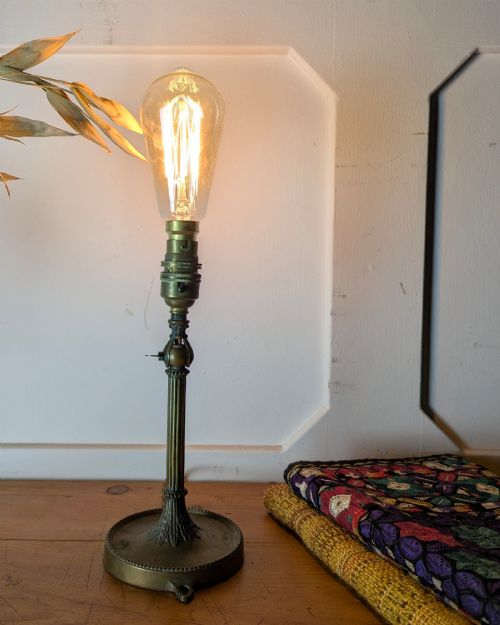
- An alloy of zinc and lead or copper used as a substitute for bronze in decorative items and lamp bases around nineteen hundred. It offers a metallic appearance suitable for cast figures and desk accessories.
- Trench art
- Objects fashioned by soldiers, prisoners, or civilians from war debris such as shell cases and metal scraps. Pieces often include candlesticks and small metalwork dating from the early twentieth century.
Vintage Industrial Desk: Frequently Asked Questions
How do I choose the right size desk?
Consider the proportions of your room and whether you intend to use the piece for daily writing or as a display surface. Measure your available floor space carefully, keeping in mind that industrial tables often feature fixed or heavy cast-iron bases that cannot be easily modified.
Look closely at the knee clearance and height dimensions provided in the listings. Many workshop tables and sorting desks were built for standing tasks or specific stool heights rather than standard modern seating.
How do I care for pine and oak tops?
Maintain timber surfaces by dusting regularly with a dry cloth and occasionally applying a suitable beeswax or natural oil to nourish the grain. Avoid placing untreated wood directly against extreme heat sources or moisture to prevent warping and splitting.
Embrace the existing marks, dents, and stains as part of the piece's working history. A durable wax barrier protects the historic surface from further wear without erasing its character.
How do I date an industrial desk?
Examine the materials, construction techniques, and any surviving maker marks or patent plates. The transition from heavy cast iron and pine in the Victorian era to steel, chrome, and oak in the nineteen-twenties and thirties provides clear chronological markers.
Look for clues in hardware such as brass handles, screw threads, and electrical fittings where lamps are attached. Patination and manufacturing styles often align closely with documented periods like the Edwardian era or Art Deco movement.
Can I use workshop chairs with these desks?
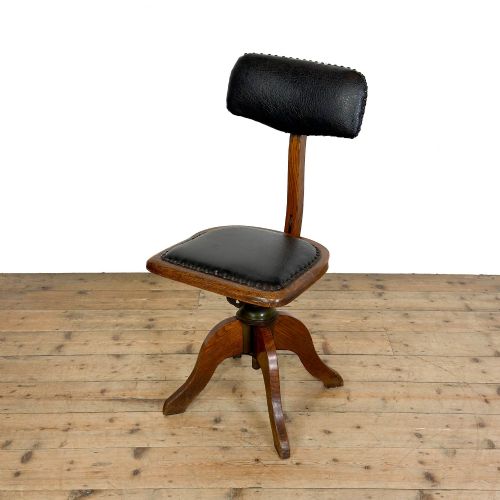
Industrial desk chairs and revolving stools designed for factories and offices pair naturally with these tables. Their adjustable iron screw mechanisms and sturdy timber seats complement the aesthetic and functional origins of the desk.
Check the seat height specifications to ensure compatibility with your chosen table. Many vintage workshop chairs offer adjustable heights that accommodate both lower writing desks and taller prep tables.