

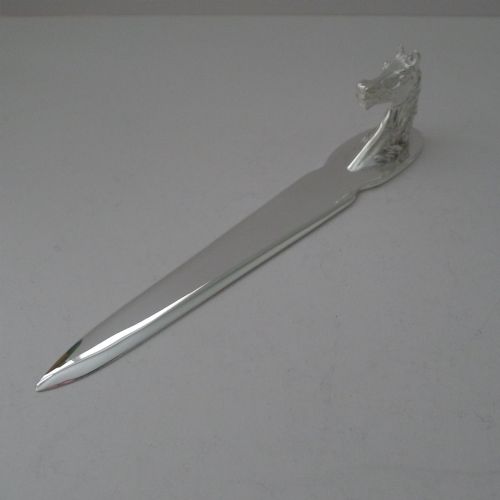
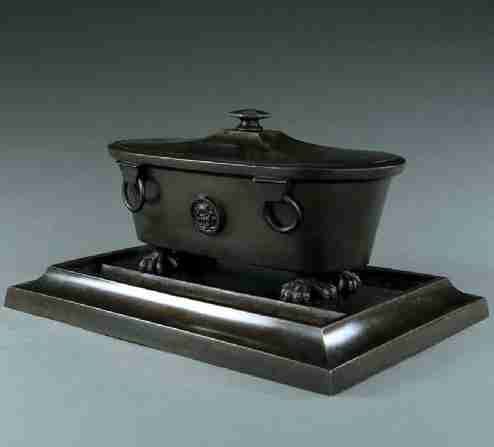
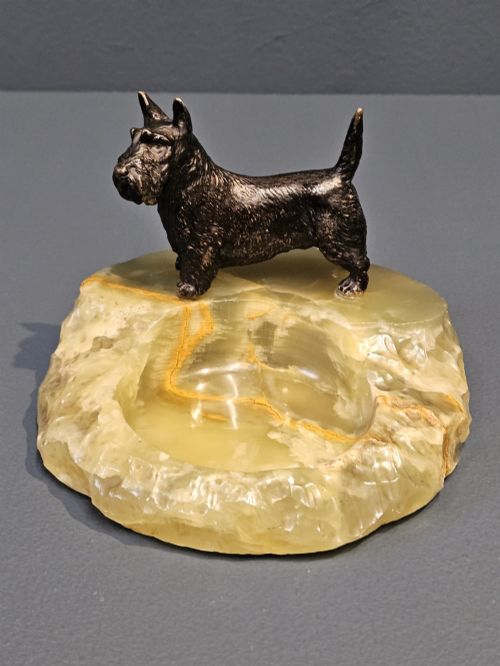
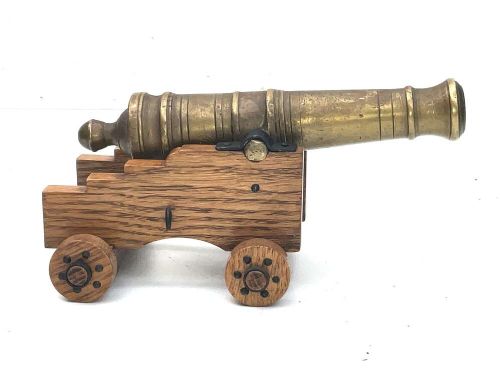
Metal Desk Accessories
Metal desk accessories bring substance to a workspace, combining utility with periods ranging from the eighteenth century to Art Deco.
Metal Desk Accessories
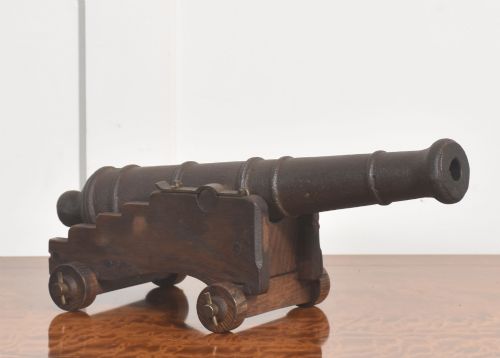
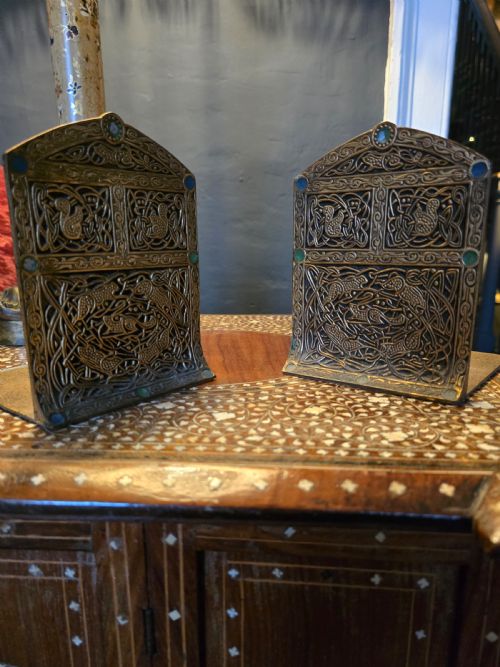
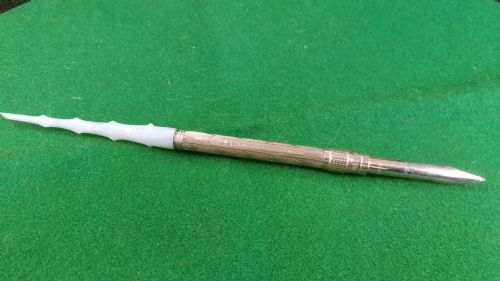
These items encompass functional objects designed for the study or office, including inkwells, desk tidies, bookends, paperweights, letter racks, and blotters. Metal desk accessories appear across diverse historical periods, from Georgian maritime pieces and nineteenth-century cast iron items to twentieth-century Art Deco and Arts and Crafts examples.
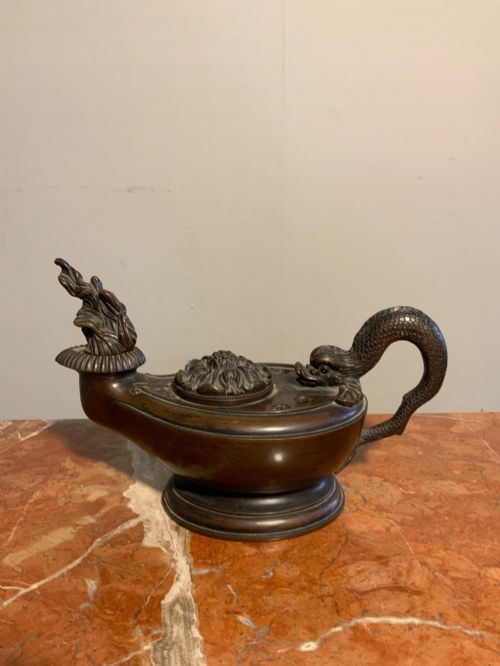
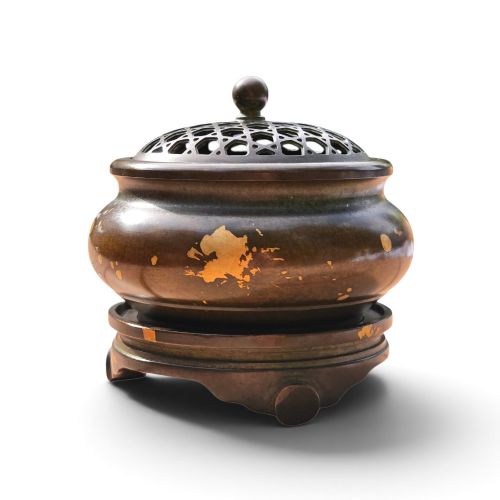
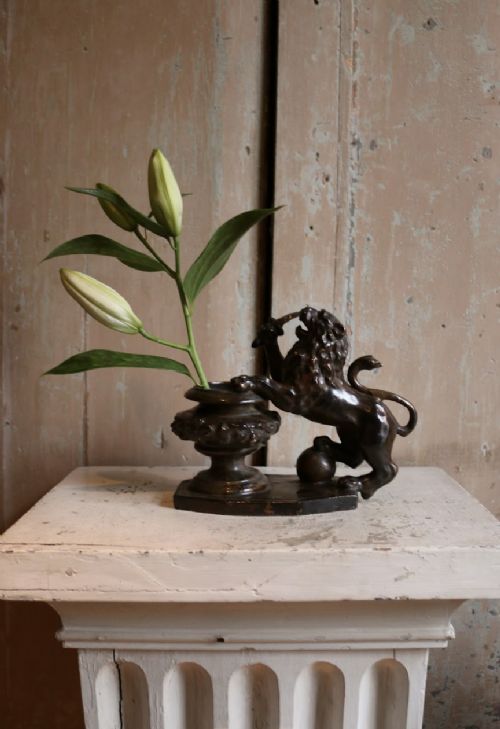
The selections frequently feature materials such as bronze, brass, cast iron, copper, pewter, and spelter, often paired with glass, marble, or onyx. Buyers encounter animal figures, figural models, novelty ornaments, and architectural forms that reflect the design sensibilities of their respective eras.
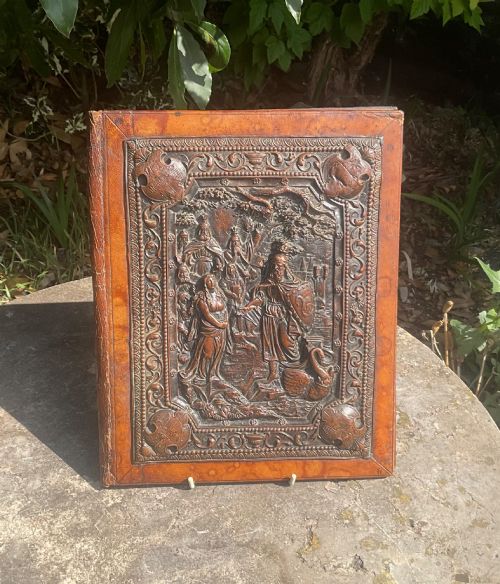
Art Nouveau and Vienna Bronze styles sit alongside utilitarian trench art candlesticks and Grand Tour souvenirs. Each piece served a distinct daily purpose in historical offices and libraries, translating practical writing tasks into decorative arts.
Materials and construction methods
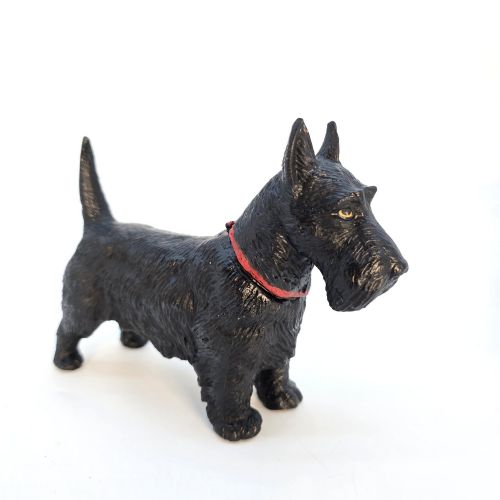
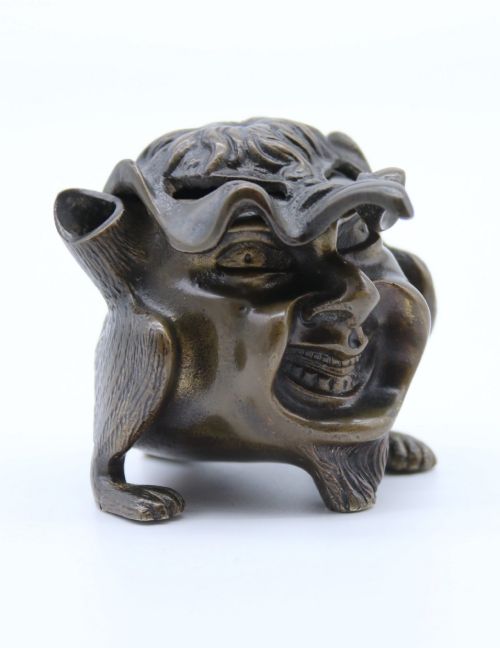
Foundry techniques defined much of this output, utilising cast bronze, brass, iron, and spelter to create sculptural forms and desk tidies. Cold-painting added surface colour to bronze animal figures, while silvering, gilding, and patination provided varied metallic finishes.
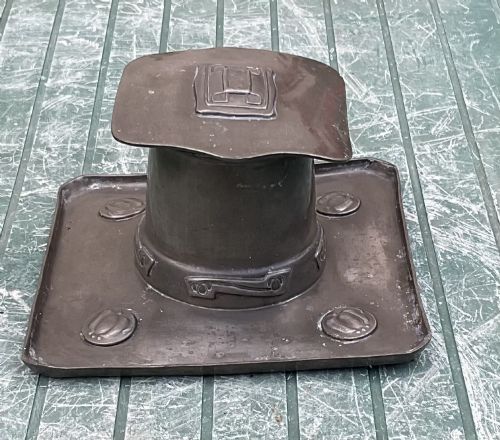
Craftsmen also worked with sheet copper and pewter, hammering and assembling components for letter racks, blotters, and stands in the Arts and Crafts manner. Inlaid boulle work, alabaster bases, and fitted glass liners completed more elaborate Victorian and Art Deco desk sets.
Metal Desk Accessories Retail Price Guide 2026
Typical asking prices for metal desk accessories among the pieces listed under this phrase on Sellingantiques today, from the lower quarter to the upper quarter. They describe what is for sale here now, not the wider market.
An iron paperweight immortalises the Reverend Joshua Brooks, locally known as the Manchester Man.
Assessing quality in metal work
The integration of secondary materials, such as undamaged original glass ink bottles, fitted onyx bases, or substantial marble mounts, elevates the execution. Maker attribution and documented foundry marks further distinguish exceptional examples from anonymous production.
Archibald Knox·Tiffany Studios New York·F Abella And Sons·C Omin·Asprey Of London·Jennings Brothers
The Metal Desk Accessories Glossary
- Cold-painted bronze
- A technique where bronze sculptures are painted with naturalistic colours rather than patinated with heat. This method was widely used in Austrian workshops for animal figures and figural desk accessories.
- Spelter
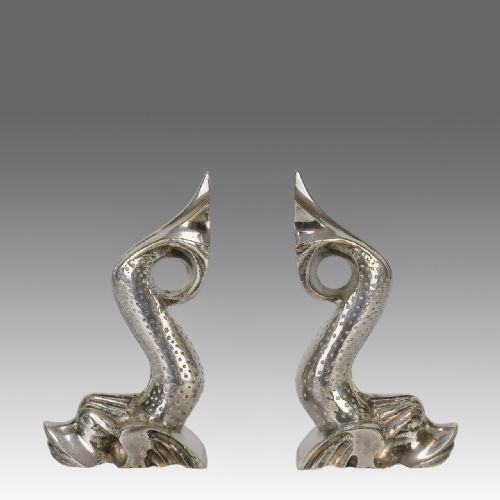
- An alloy of zinc and lead or copper, frequently used as a cheaper alternative to bronze. French and Middle Eastern makers utilised spelter for Art Deco bookends and novelty desk ornaments.
- Inkwell
- A small container for holding liquid ink, usually placed on a desk or fitted into a stand. Examples often incorporate hinged lids and glass liners.
- Trench art
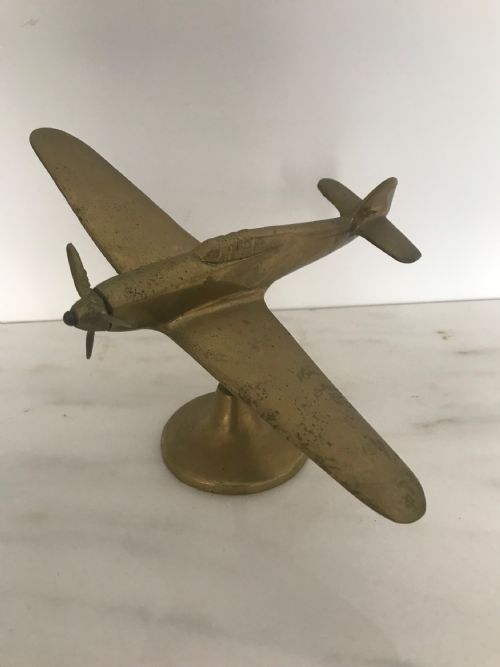
- Objects fashioned by soldiers or civilians from wartime debris, shell cases, and military equipment. Candlesticks and model aircraft reflect this utilitarian craftsmanship.
- Desk tidy
- A compartmentalised tray or dish designed to hold pens, paperclips, and small stationery items. These often feature integrated inkwells or match strikers.
Metal Desk Accessories: Frequently Asked Questions
What are metal desk accessories?
Metal desk accessories are functional and decorative items used in studies and offices. They include inkwells, bookends, paperweights, and letter racks made from materials like bronze, brass, and cast iron.
These pieces span multiple eras, offering a glimpse into the stationery habits and interior styles of past centuries.
How were inkwells used historically?
Inkwells provided a central reservoir for liquid ink before the invention of the fountain pen. Writers dipped dip pens or quills directly into the glass or metal containers.
They sat upon desks or within fitted stands alongside pen trays and blotters for daily correspondence.
How do I date an antique desk accessory?
Dating relies on stylistic markers such as Art Deco geometric lines, Art Nouveau organic curves, or Victorian ornamentation. Materials like cast iron, cold-painted bronze, and silvered metal also point to specific manufacturing decades.
Maker marks, signatures, and foundry stamps offer precise clues to a piece's origin.
How do I clean metal desk pieces?
Cleaning depends entirely on the metal and original finish. Unlacquered brass or bronze can be gently dusted, while patinated surfaces and cold-painted colours require no harsh polishing.
Preserving the original surface patina is essential for maintaining historical and aesthetic integrity.