





Metal Clock Dial
These metal clock dial pieces bring utilitarian timepieces into domestic display, offering industrial history and decorative brass work for the wall or mantel.
Metal Clock Dial
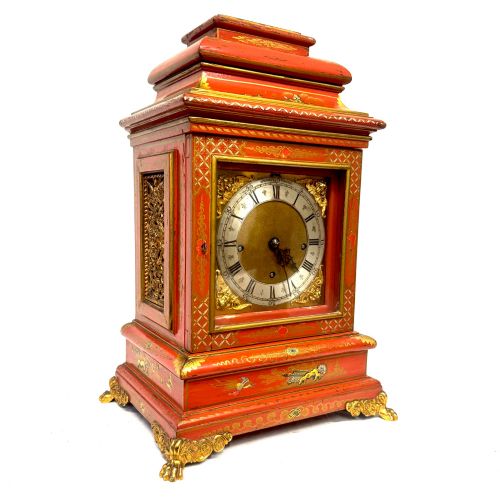
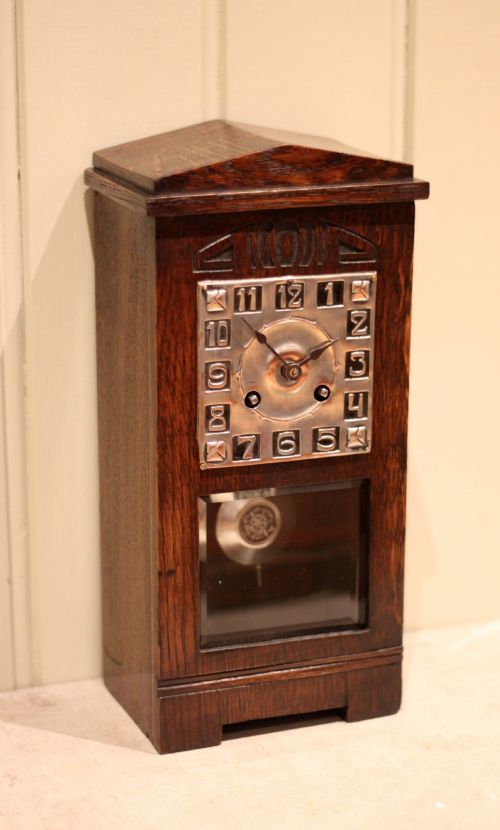
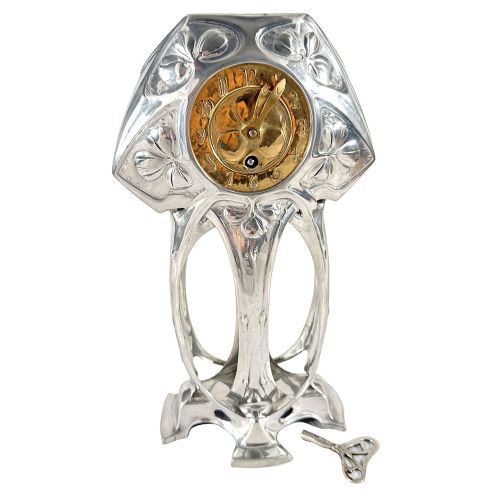
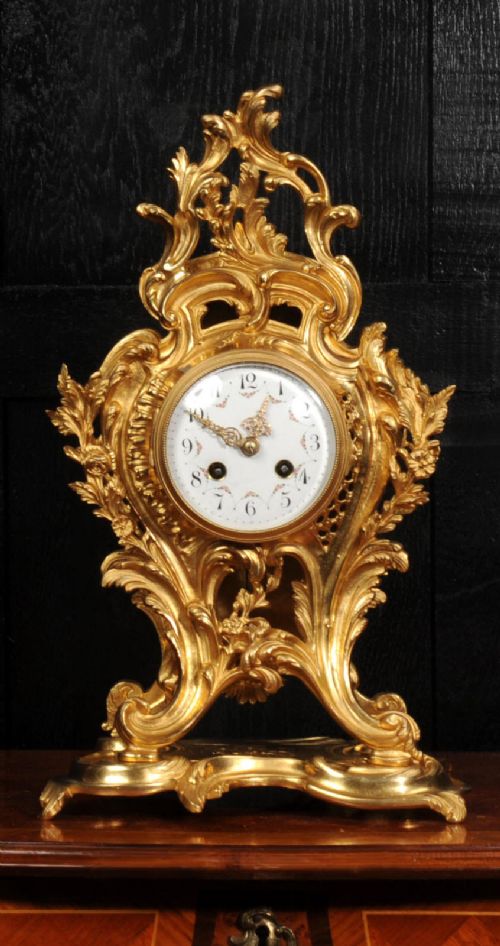
When you search for a metal clock dial, you encounter circular faces and components salvaged from wall clocks, turret clocks, and mantel timepieces. These items range from mid-nineteenth century French enamel faces to mid-twentieth century station and transport boards.
The selections span various forms including standalone painted displays, heavy turret clock faces, and complete clocks housing metal dials. You will find pieces originating from British, French, Swedish, and Swiss makers across multiple decades.
Victorian, Art Deco, and Arts and Crafts styles dominate the offerings alongside industrial and French Rococo aesthetic influences. Each piece preserves the functional layout of historic timekeeping combined with decorative metalwork.
Materials and Construction
Maker workshops utilised brass, copper, pewter, and gilded metal for the structural plates and decorative surrounds of each clock face. Enamel on copper provided durable, legible numerals for public and domestic timepieces alike.
Secondary framing frequently incorporated oak, ebonised wood, glass, and iron to mount and protect the delicate dial assemblies. Ornate models added cast ormolu and champlevé enamel to enhance the visual weight of the surround.
Metal Clock Dial Retail Price Guide 2026
Typical asking prices for metal clock dial among the pieces listed under this phrase on Sellingantiques today, from the lower quarter to the upper quarter. They describe what is for sale here now, not the wider market.
Listings feature metal clock dials spanning the nineteenth and twentieth centuries, incorporating brass, enamel, oak, and copper across domestic and industrial forms.
Assessing Quality and Execution
Quality rests in the crispness of the hand-painted or etched numerals and the integrity of the base metal. Heavy cast brass, finely chased ormolu, and undamaged enamel sections command greater attention than mass-produced painted replacements.
The presence of maker signatures, original mounting hardware, and untouched patination elevate individual examples. Finer specimens retain their original subsidiary bezels, winding arbours, and matching hands rather than later substitutions.
Friedrich Adler for Osiris·Leon Message·Jollet et Cie·P.H Mourey·Mathias Bauerle
The Metal Clock Dial Glossary
- Turret clock
- A large timekeeping mechanism, typically housed in a tower, featuring an oversized exterior dial. These faces were engineered to be read from a distance in public squares or estates.
- Champlevé enamel
- A technique where troughs are carved into a metal surface and filled with vitreous enamel powder before firing. This method creates decorative coloured patterns flush with the surrounding metal.
- Ormolu
- Gilded bronze produced by applying a mercury and gold amalgam to cast bronze. The technique was widely favoured by nineteenth-century French makers for decorative clock mounts.
- Carriage clock
- A small, portable spring-driven timepiece designed for travelling officers and gentlemen. They usually feature bevelled glass panels set within a brass or gilt metal housing.
- Mantel clock
- A domestic timepiece designed to sit upon the shelf or mantelpiece above a fireplace. These domestic objects frequently incorporate ornate wooden or metal architectural facades.
Metal Clock Dial: Frequently Asked Questions
What is a metal clock dial?
A metal clock dial is the circular or shaped faceplate of a timepiece, constructed from brass, copper, iron, or enamelled metal. These pieces display the hours and minutes through painted, engraved, or applied numerals.
Many available items are salvaged components removed from working wall, desk, or turret clocks. They serve as decorative wall hangings or collector items displaying historic manufacturing techniques.
How do I hang a heavy metal dial?
Hanging a heavy metal or turret clock face requires securing the weight directly into wall studs or using appropriate masonry fixings. Because these metal and glass pieces carry substantial mass, standard picture hooks are unsuitable.
Ensure any mounting bracket supports the full circumference of the dial frame. Professional framing or custom metal brackets provide secure support for wall-mounted displays.
How do I date a clock dial?
Dating a metal clock dial relies on identifying the typography, manufacturing materials, and artistic style of the piece. Victorian, Art Nouveau, and Art Deco design cues provide clear chronological markers for the decade of production.
Maker signatures, patent stamps, and regional manufacturing traits found on the rear plates further narrow the production period. Comparative study of known clockmaker archives helps confirm the exact era.
Are these clock dials still working?
Some listings offer complete clocks with functioning movements, while others provide standalone dials and decorative face displays without internal mechanisms. The item title and description specify whether the clock remains in working order.
Buyers seeking functional timepieces should verify if the movement, springs, or pendulum accompany the metal dial face. Many standalone faces are preserved purely as decorative artefacts.