




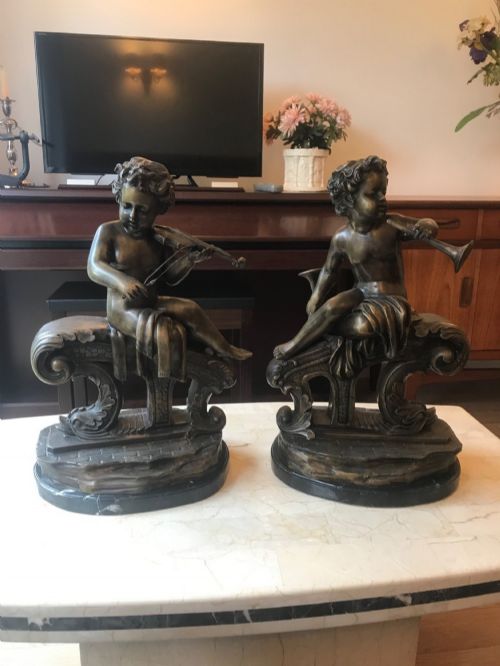
Metal Classical Figure
A metal classical figure captures ancient forms in enduring bronze, iron, and spelter, bringing sculptural presence and historical weight to an interior.
Metal Classical Figure
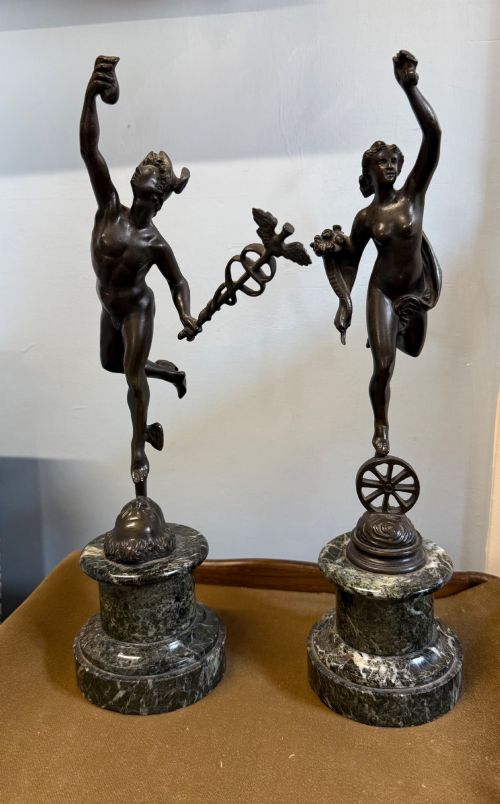
A metal classical figure represents mythological subjects, historical portraits, and allegorical studies cast in durable materials during the nineteenth and early twentieth centuries. These works draw directly on antiquity, channeling the visual vocabulary of ancient Greece and Rome through later revival movements.
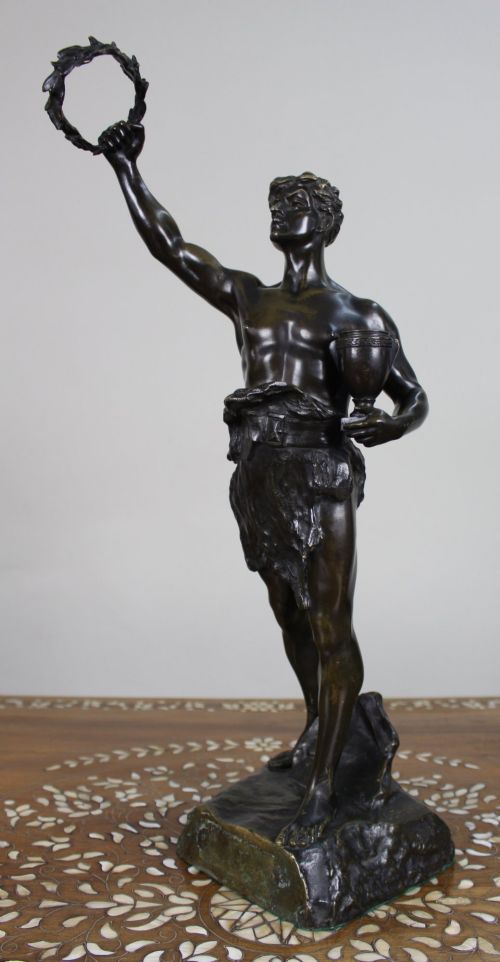
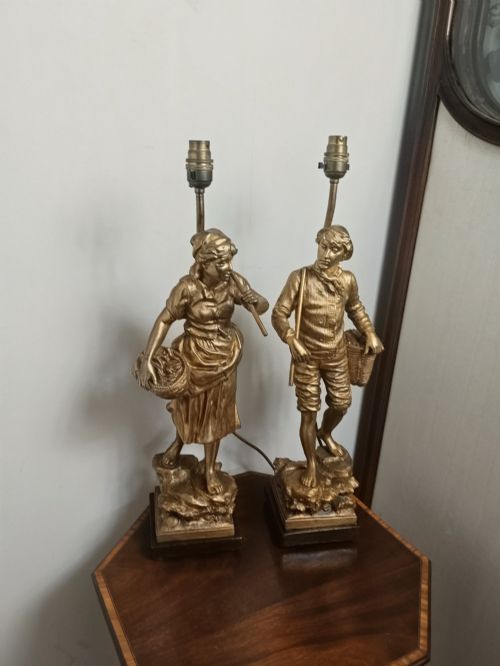
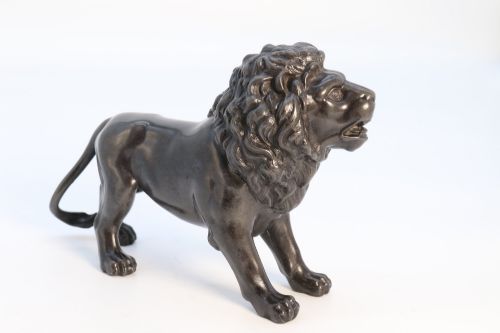
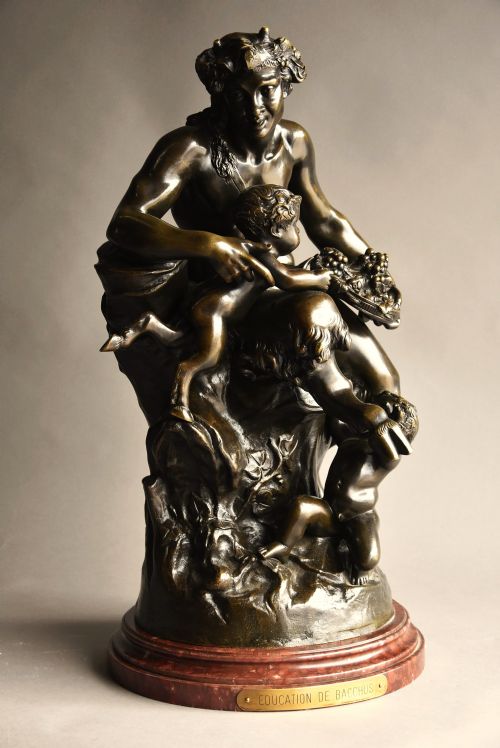
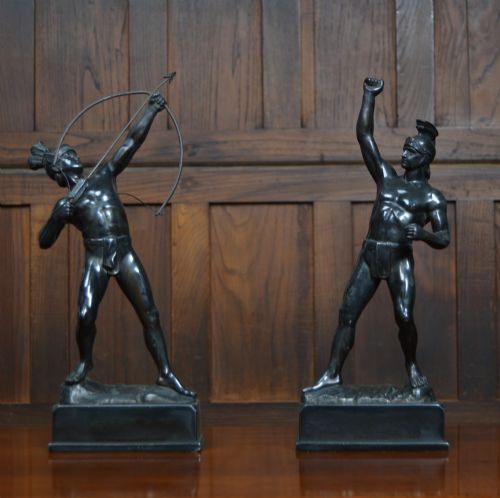
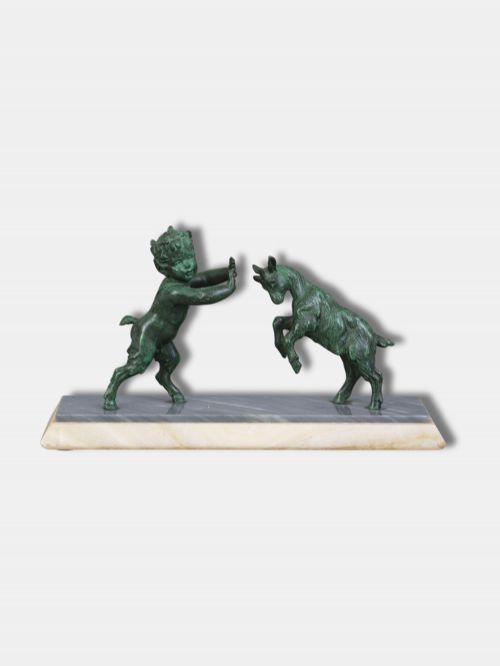
Buyers encounter subjects ranging from mythological fauns and satyrs to heroic athletes and portrait busts mounted on marble bases. The selection leans heavily towards nineteenth-century French foundry output, alongside English cast iron and decorative table lamps.
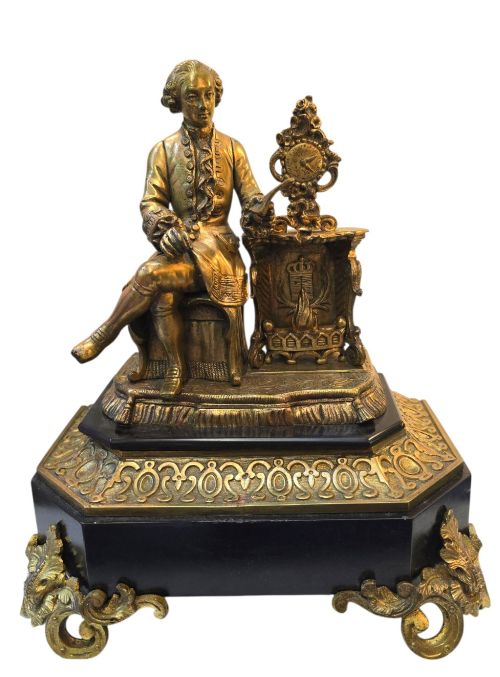
Forms vary from monumental freestanding statuary and mantel clock sets to functional candelabra and small Grand Tour souvenirs. Each piece adapts classical proportion to domestic decoration, serving as a focal point on a mantelpiece or side table.
How they were made
Foundries utilised the lost-wax casting method or sand casting to achieve intricate detail in bronze, brass, and spelter. Molten metal filled moulds taken from original models, capturing fine facial expressions and drapery folds.
Surface finishes define the appearance of these metals, incorporating chemical patination, cold painting, and mercury gilding to produce ormolu and silvered highlights. Many figures stand upon turned marble bases or incorporate slate elements to add structural weight and visual contrast.
Metal Classical Figure Retail Price Guide 2026
Typical asking prices for metal classical figure among the pieces listed under this phrase on Sellingantiques today, from the lower quarter to the upper quarter. They describe what is for sale here now, not the wider market.
Musicians loom large in nineteenth-century metalwork, with cherubs caught mid-tune alongside pipers and satyrs.
What varies in quality
The crispness of the chase work separates superior castings from softer secondary production. Master founders refined the cooled metal by hand with chisels and gravers, sharpening hair texture, musculature, and ornamentation.
The depth and complexity of the patination dictate visual success, with layered chemical treatments outlasting simple applied paints. Furthermore, the integration of solid marble plinths and original fire gilding indicates workshop standards.
E Rousseau·L & F Moreau·Emile Carlier·Justo de Gandarias·Claire Colinet·Charles Cumberworth·Coalbrookdale
The Metal Classical Figure Glossary
- Grand Tour
- A traditional trip through Europe undertaken by upper-class young men in the eighteenth and nineteenth centuries, acquiring small bronze sculptures and antiquities as souvenirs.
- Spelter
- An alloy of zinc and lead or copper, frequently utilised as a cost-effective alternative to bronze in the manufacture of Victorian decorative figures and lamps.
- Ormolu
- Finely ground high-carat gold applied to a bronze base using a mercury amalgamation technique, producing a brilliant golden surface characteristic of French decorative arts.
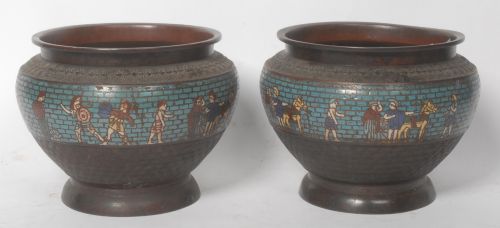
- Champlevé
- An enamelling technique where troughs are dug into a metal surface and filled with vitreous paste before firing, seen on decorative cachepots and vessels.
- Patina
- The surface sheen and coloration developed through age, handling, or chemical treatment on metal sculptures.
Metal Classical Figure: Frequently Asked Questions
What is a spelter figure?
Spelter is a zinc-based alloy that mimics the appearance of bronze but offers a lighter and more affordable medium for nineteenth-century decorative sculpture. Foundries cast these figures extensively for domestic mantel ornaments and figural lamps.
While softer than bronze, a well-preserved spelter figure retains crisp details when finished with a bronze-toned or painted patination.
How do I care for bronze figures?
Maintenance requires only gentle dusting with a soft, dry cloth to prevent the accumulation of airborne particles on the metal surface. Avoid commercial metal polishes, as abrasive compounds strip away the historic chemical patina.
Keeping the sculpture away from direct sunlight and damp environments preserves both the metal body and any underlying marble base.
What are Grand Tour bronzes?
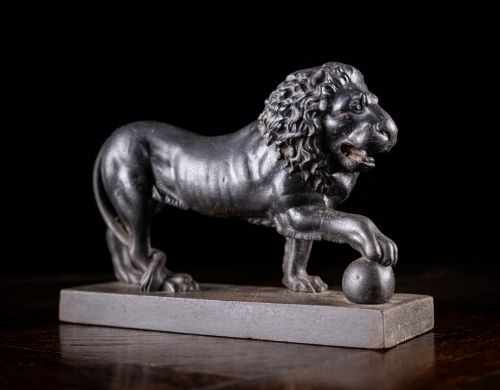
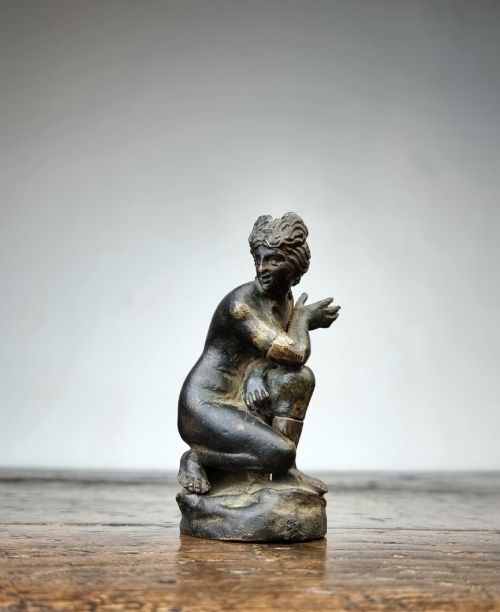
Grand Tour bronzes are miniature or reduced-scale replicas of famous classical statues acquired by travellers touring Italy and Greece during the nineteenth century. These reductions allowed collectors to bring museum-scale antiquities into their private libraries and studies.
They are distinguished by careful attention to ancient sculptural proportions and dark, rich patinations simulating excavated artefacts.
How do I identify cast iron pieces?
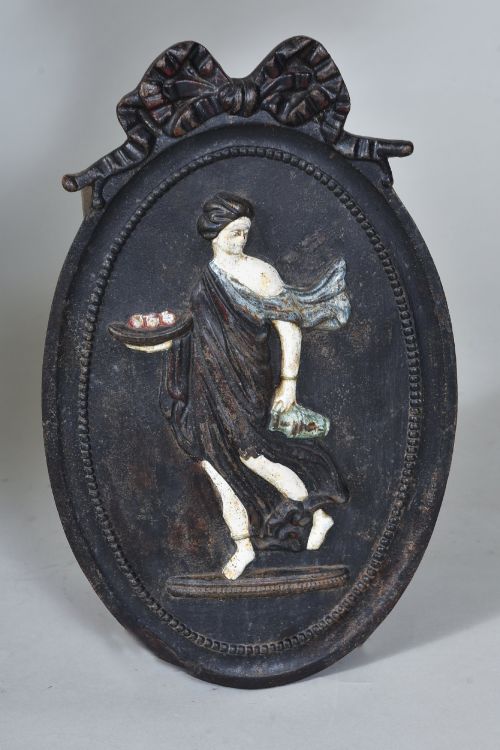
Cast iron objects present a heavier, more utilitarian construction often utilised for door porters, wall plaques, and large garden or hall statues. The metal is poured into sand moulds, resulting in a slightly textured surface grain.
These pieces typically feature black painted finishes or bronzed copper platings to prevent oxidation and enhance their classical motifs.