





Metal Bust Sculpture
These metal bust sculpture works render figures in three dimensions, bringing character, history and material presence directly into a room.
Metal Bust Sculpture
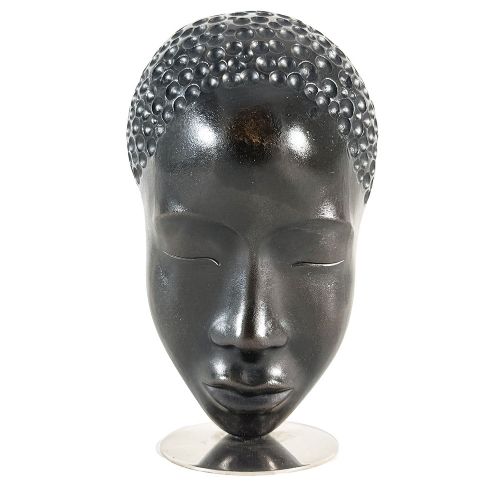
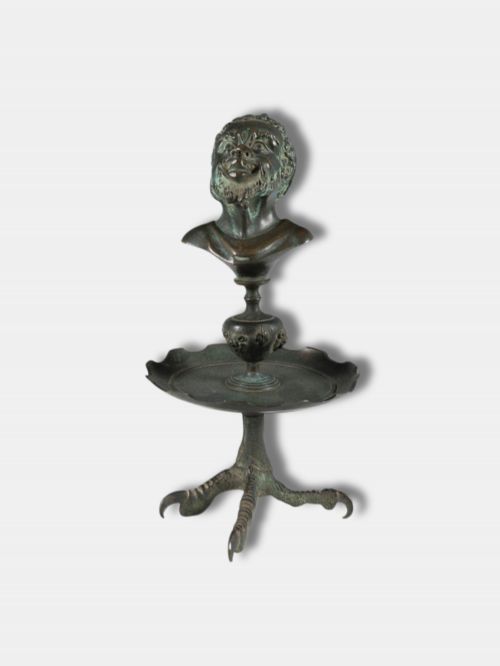
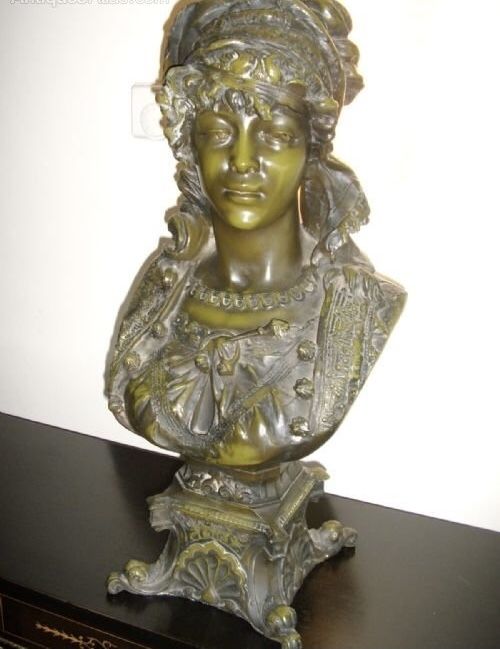
A metal bust sculpture captures the likeness of a human subject from the chest or shoulders upwards, cast or hammered into lasting form. You will encounter nineteenth century and early twentieth century examples here, alongside various global and regional traditions.
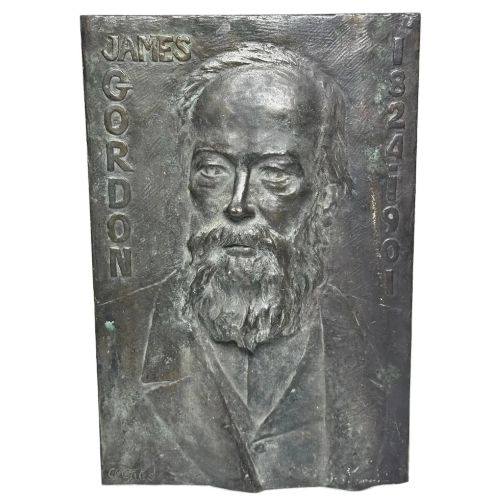
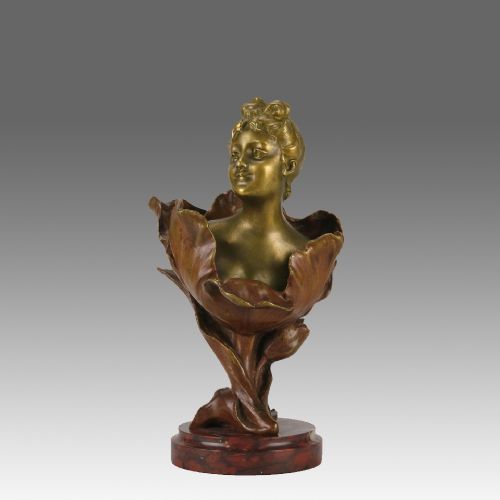
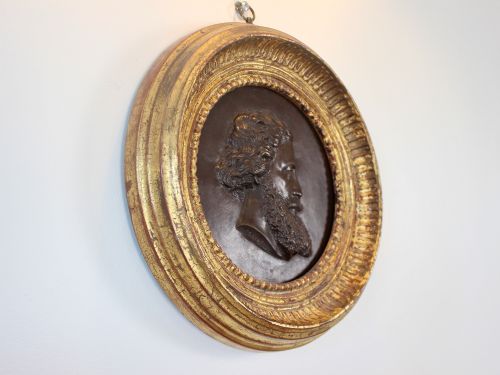
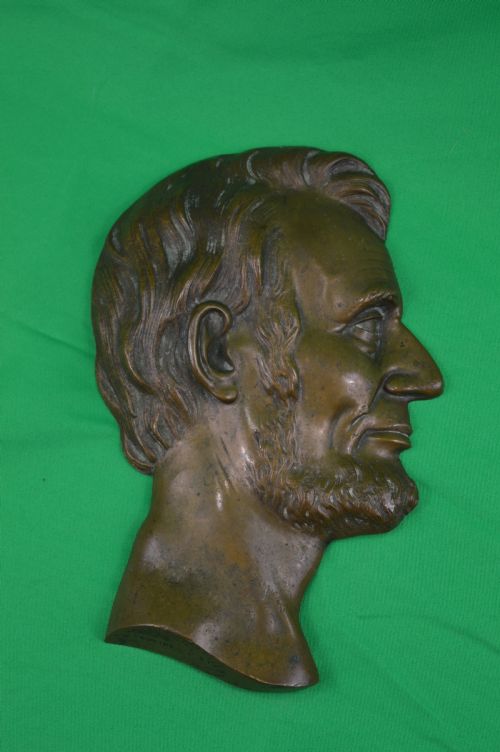
The assortment spans diverse aesthetic movements, including Neoclassical, Art Nouveau, and Art Deco works. Makers ranged from European portraitists to African tribal workshops, utilising forms from classic wall plaques to substantial statues on marble plinths.
Materials and casting methods
Foundry workers shaped these pieces primarily in bronze, spelter, cast iron, and gilt bronze. Many works combine metal figures with bases carved from marble or wood.
Foundries employed traditional casting techniques to capture fine facial expressions and intricate drapery. Surface finishes like patination and painting added depth and colour to the raw metal.
Metal Bust Sculpture Retail Price Guide 2026
Typical asking prices for metal bust sculpture among the pieces listed under this phrase on Sellingantiques today, from the lower quarter to the upper quarter. They describe what is for sale here now, not the wider market.
Materials represented include cast iron, spelter, marble, wood, and various forms of bronze.
Assessing craftsmanship
The choice of secondary materials, such as a heavy verdi green marble base or a finely fitted wooden plinth, signals the intended tier of the finished piece.
Hagenauer·Henri Godet·Adolphe Jean Lavergne·Georges Van Der Straeten·Leonhard Posch
The Metal Bust Sculpture Glossary
- Patinated bronze
- Bronze treated with chemicals and heat to produce a stable surface colour. This process protects the metal and highlights sculptural contours.
- Spelter
- An alloy of zinc and lead or tin used as a cheaper substitute for bronze. It often mimics bronze through painted or patinated finishes.
- Plinth
- A heavy base supporting a bust or statue. These are frequently fashioned from contrasting materials like black or green marble.
- Relief plaque
- A wall-mounted sculptural panel where the figure projects slightly from a flat background. These pieces combine sculptural portraiture with wall decoration.
Metal Bust Sculpture: Frequently Asked Questions
How do I clean a bronze bust?
Dust gently with a soft, dry cloth to remove surface particles.
Avoid chemical cleaners or abrasive pads, which can strip away the original patina.
Where should I display a metal bust?
Place the sculpture on a stable mantelpiece, desk, or dedicated pillar where it receives gentle ambient light.
Ensure the supporting surface can bear the weight, especially for larger cast iron or bronze pieces.
How do I tell bronze from spelter?
Bronze is heavier, colder to the touch, and yields a resonant sound when lightly tapped. Spelter is softer, lighter, and often reveals a greyish metal underneath worn paint.
What periods do these sculptures represent?
The selection spans the nineteenth century through the early twentieth century, encompassing Georgian, Victorian, Edwardian, and Art Deco eras.
Stylistic cues such as flowing botanical lines or severe classical drapery help indicate the period of creation.