



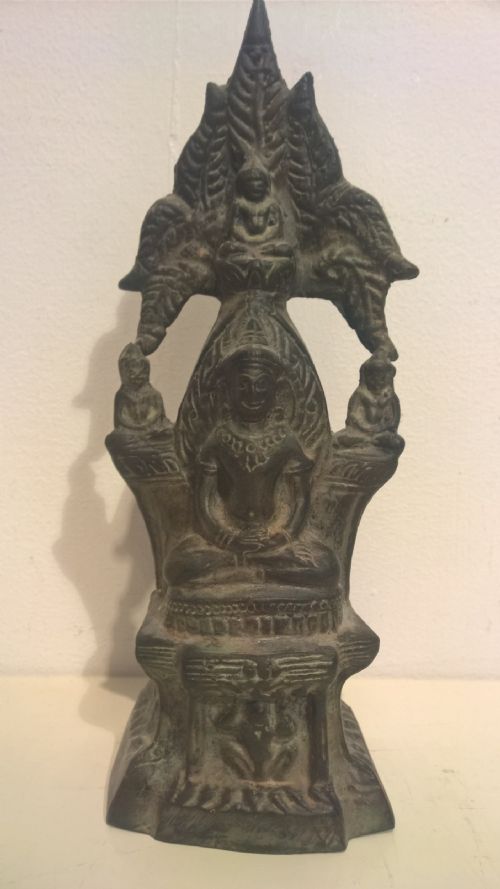


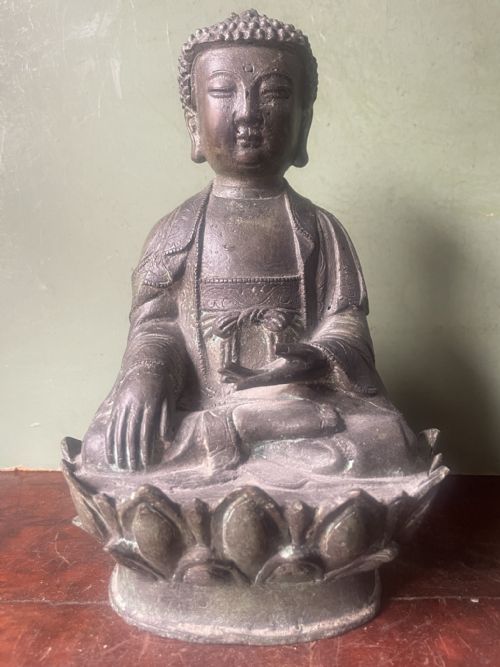


Metal Buddha Statue
These metal buddha statue examples bring centuries of casting craft and spiritual presence into your interior through copper alloy, bronze and brass forms.
Metal Buddha Statue
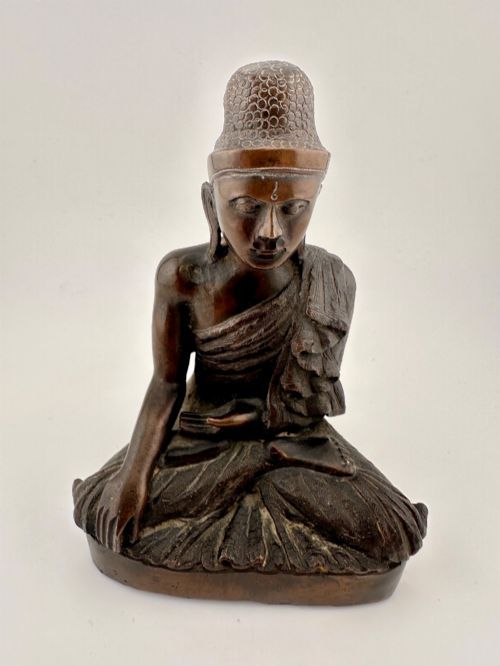
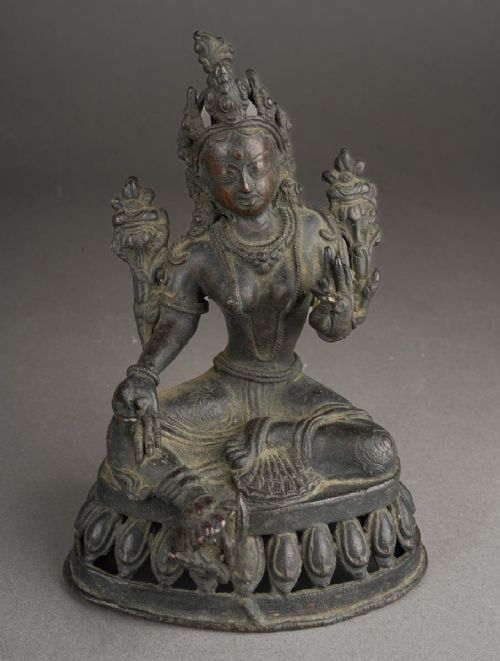
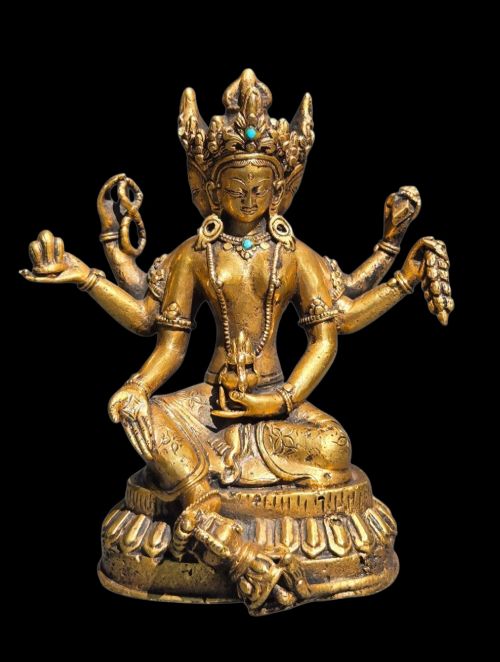
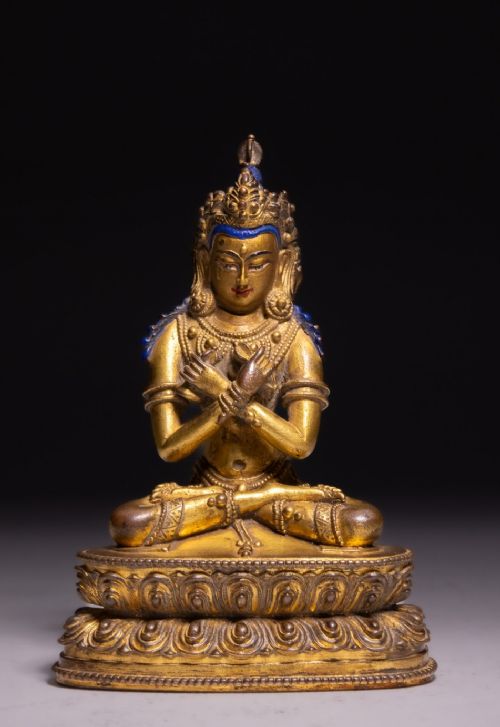
When you search for a metal buddha statue, you encounter figures spanning from pre sixteenth century Indonesian pieces to nineteenth century Chinese, Tibetan, and Southeast Asian works. These range from small scroll weights and figurines to large temple sculptures and deity figures.
The regional styles vary distinctly across origins such as Sino Tibetan, Himalayan, Central Javanese, and Ayutthaya. You find both seated meditative postures and multi armed deity representations modelled in bronze, brass, and copper alloy.
Most examples originate from the nineteenth century or earlier periods, reflecting diverse historical workshops and traditions. Their forms serve as meditative icons, household shrines, or decorative sculptures.
Markers of Quality
Quality rests in the crispness of the casting and the finesse of the chisel work upon the metal. Superior pieces display sharply defined facial expressions, intricate drapery folds, and well integrated inlays.
The presence of original gilding, mineral pigments, and patination elevates an example. Age and regional stylistic purity also dictate the distinction between standard decorative objects and exceptional sculptural works.
Metal Buddha Statue Retail Price Guide 2026
Typical asking prices for metal buddha statue among the pieces listed under this phrase on Sellingantiques today, from the lower quarter to the upper quarter. They describe what is for sale here now, not the wider market.
A collection of five metal laughing buddha statues offers a cheerful contrast to solemn temple deities.
The Metal Buddha Statue Glossary
- Copper alloy
- A metal mixture composed primarily of copper combined with elements such as tin or zinc. This material forms the durable foundation for many antique sculptures.
- Gilt bronze
- Bronze metal coated with a thin layer of gold or gold amalgam. This technique provides a luminous surface finish that endures across centuries.
- Ayutthaya style
- An art style originating from the Ayutthaya Kingdom in Thailand characterised by royal attire and distinct facial proportions. Statues in this style reflect specific Southeast Asian sculptural canons.
Metal Buddha Statue: Frequently Asked Questions
How do I care for a metal buddha statue?
Dust the surface gently with a soft, dry cloth to prevent accumulation. Avoid using chemical polishes or water, which can damage original patinas, gilding, and mineral inlays.
Keep the sculpture away from direct sunlight and high humidity to preserve the metal and any remaining pigment over time.
Where should I place a metal buddha statue?
Position the statue at a respectful height, such as on a dedicated shelf, cabinet, or side table. Many owners place them in living areas or studies where their contemplative presence can be appreciated.
Ensure the placement provides stable support, particularly for heavier bronze and cast iron pieces that require a secure surface.
What is the difference between bronze and brass?
Bronze is an alloy primarily composed of copper and tin, offering a deep, warm tone and high durability for detailed casting. Brass is an alloy of copper and zinc, typically presenting a brighter golden yellow appearance.
Antique statues span both metals, often developing unique patinas that reflect their age and environmental exposure.