





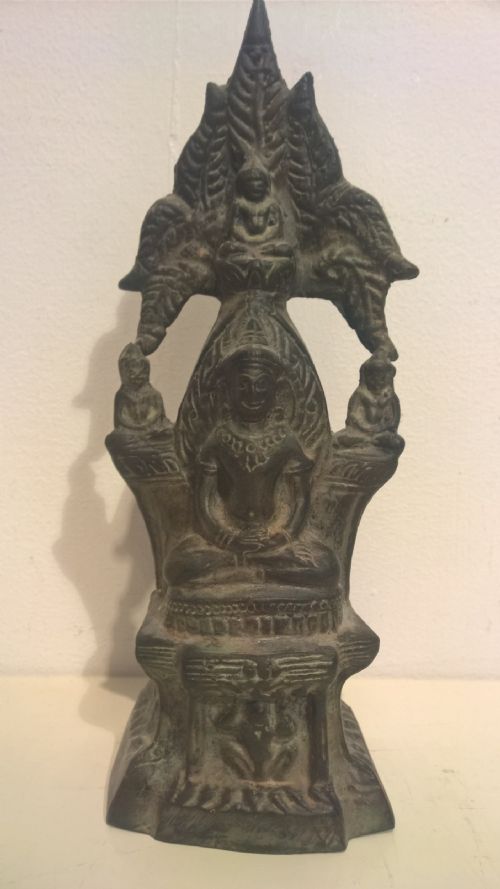
Metal Buddha Sculpture
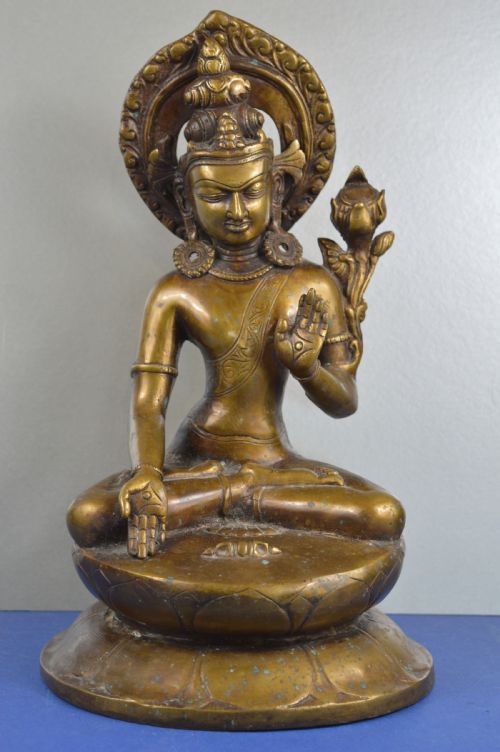
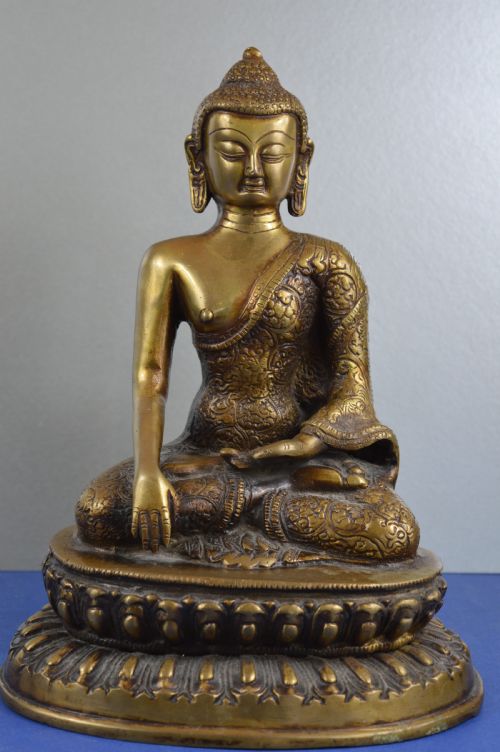
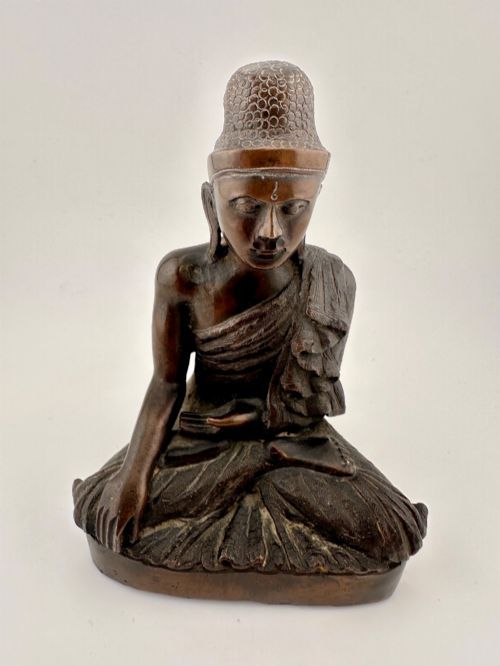
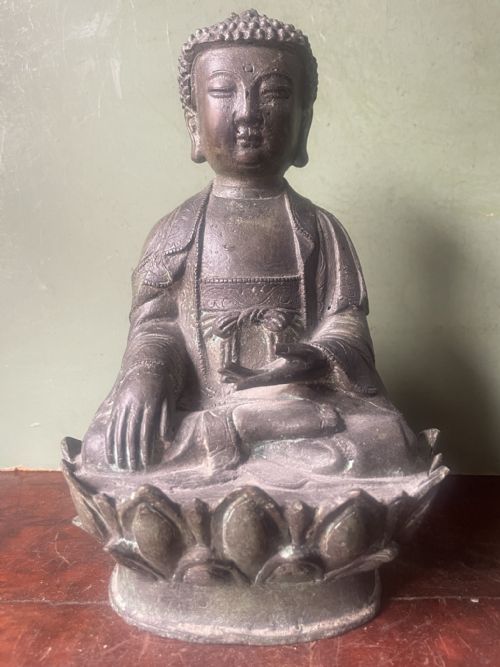
These metal buddha sculpture pieces bring historic meditative forms into your home, fashioned in bronze, copper alloy, and brass across centuries of Asian artistry.
Metal Buddha Sculpture
A metal buddha sculpture embodies sacred iconography across diverse regional traditions, ranging from Tibetan and Himalayan shrines to Javanese temples and Thai kingdoms. You will regularly encounter figures cast from the nineteenth century, alongside earlier examples originating from the sixteenth century and before.
The forms span seated Buddhas, multi-armed deities, and figures such as Tara, Avalokiteshvara, and Guanyin. These statues serve as focal points for devotion and contemplation, reflecting the distinct spiritual aesthetic of their specific place and period of origin.
Regional styles vary visibly, encompassing Sino-Tibetan gilt bronzes, Central Javanese temple figures, and Ayutthaya style pieces. Each metal buddha sculpture carries the specific stylistic markers and casting traditions of its cultural landscape.
How they were made
Artisans employed traditional metal casting techniques, primarily utilising bronze, copper alloy, and brass to shape these figures. Many pieces display rich surface treatments, including gilding, applied pigments, and vermilion.
Detailing often incorporates mineral inlays such as turquoise, which highlight crowns, garments, and attributes. Polishing and patination create varying surface textures, from dark brown tones to bright polished metal.
Metal Buddha Sculpture Retail Price Guide 2026
Typical asking prices for metal buddha sculpture among the pieces listed under this phrase on Sellingantiques today, from the lower quarter to the upper quarter. They describe what is for sale here now, not the wider market.
Listings feature periods spanning from pre-sixteenth century examples to early twentieth century pieces, executed in bronze, copper alloy, and brass.
What varies in quality
Quality rests in the crispness of the casting and the sensitivity of the modelling in the facial expressions and drapery. Superior pieces retain finer details in the ornamentation and hand gestures.
The preservation of original surface elements, such as gilding, pigment traces, and mineral inlays, distinguishes finer examples. The depth of cultural expression and the harmony of the proportions dictate the visual impact of the work.
The Metal Buddha Sculpture Glossary
- Bronze
- A copper alloy traditionally combined with tin, used extensively for durable sculptural casting across Asian traditions. It develops a natural patina over time.
- Gilt Bronze
- Metalwork coated with a thin layer of gold, applied either through fire gilding or gold leaf. This technique imparted a luminous, sacred presence to important deities.
- Turquoise
- A blue-green mineral frequently used for inlay work in Himalayan and Tibetan pieces. It adorns crowns, jewellery, and ritual items on the figures.
- Avalokiteshvara
- A revered bodhisattva who personifies the compassion of all buddhas. This figure appears frequently in sculptural form with multiple arms or specific mudras.
Metal Buddha Sculpture: Frequently Asked Questions
How do I care for a bronze sculpture?
Keep the metal sculpture in a stable environment away from excessive moisture and direct sunlight. Dust gently with a dry, soft cloth without applying harsh cleaning agents.
Avoid using polishes that can strip away historic patinas or damage delicate surface pigments and gilding. Letting the material age naturally preserves its historical character.
Where were these figures originally placed?
These sculptures typically stood within domestic shrines, monasteries, or temples as objects of veneration and focal points for meditation. Smaller pieces were created for personal portable shrines.
Larger figures occupied significant architectural spaces in monastic complexes across Tibet, Thailand, Java, and China.
How do I distinguish regional styles?
Regional identification relies on facial structure, crown design, posture, and the cut of the garments. Sino-Tibetan pieces often feature elaborate jewellery and rich gilding.
Southeast Asian examples from regions like Ayutthaya or Java display distinct cranial protuberances, serene expressions, and specific local monastic dress.
What is a bodhisattva?
A bodhisattva is an enlightened being who defers entry to ultimate peace in order to assist others on the path to spiritual awakening. They are typically depicted in royal attire with ornaments.
Figures such as Avalokiteshvara and Tara are prominent examples found throughout Asian metal sculpture traditions.