


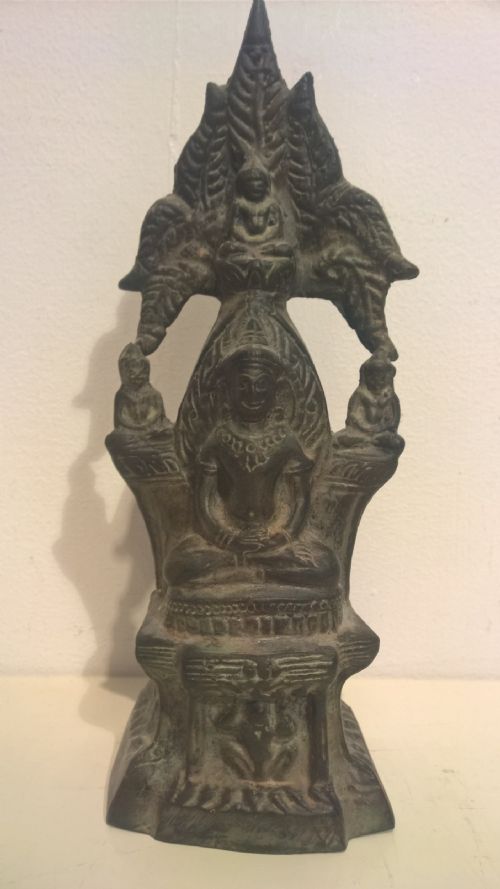


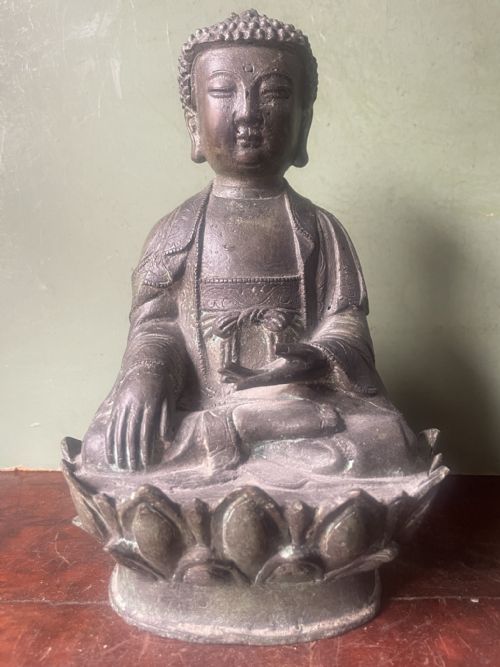


Metal Buddha Figure
A metal buddha figure brings quiet presence to a room, cast in bronze or brass with centuries of ritual history behind it.
Metal Buddha Figure
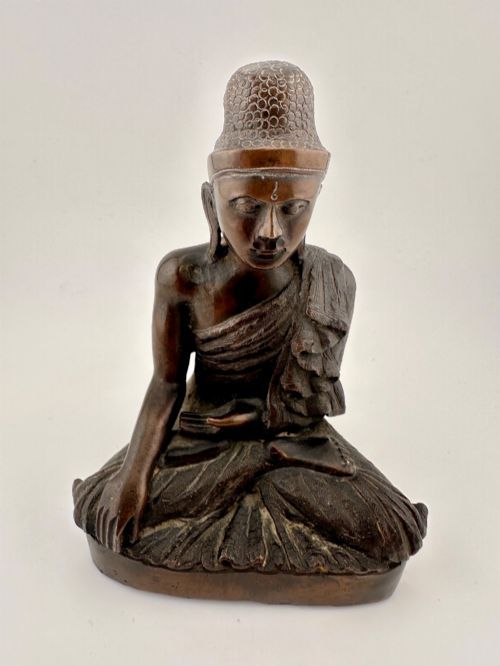
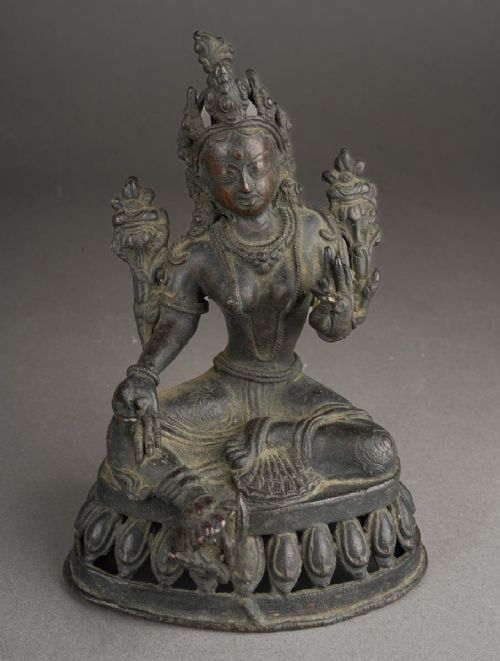
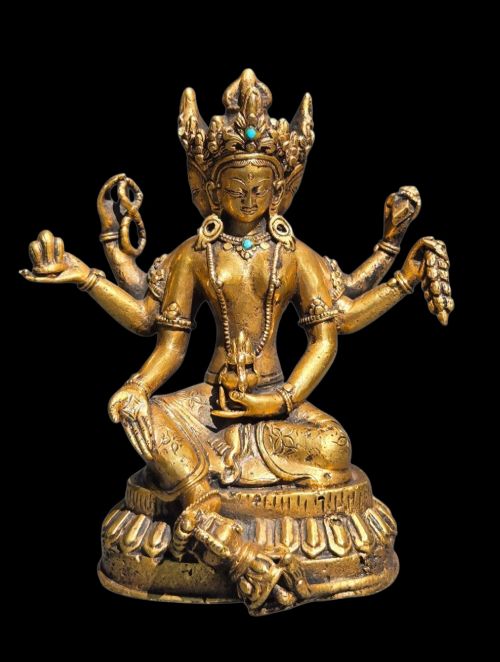
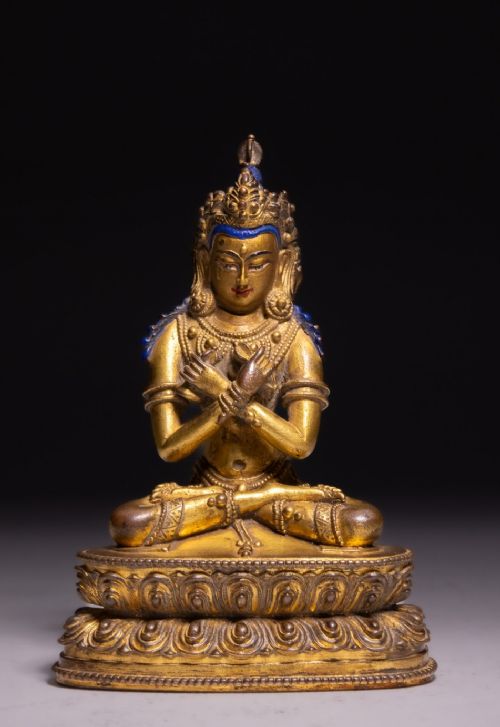
A metal buddha figure encompasses cast sculptures and statues originating from traditions across Asia, including Tibet, China, Thailand, and Java. These pieces take the form of seated deities, multi-armed figures, and standing bodhisattvas created for shrines or personal devotion.
The selections available here lean heavily towards 19th-century works alongside earlier examples from the 16th century and pre-16th century periods. Buyers will encounter both diminutive scroll weights and larger temple figures cast in copper alloy or bronze.
Materials and Casting
Metal buddha figure items are primarily produced through casting methods using bronze, brass, or copper alloy. Many examples receive surface enhancements such as gilt applications, patinated brown finishes, or traces of vermilion pigment.
More ornate pieces incorporate mineral inlays, turquoise stones, or contrasting pigments applied directly to the metal surface. These supplementary materials highlight specific ritual details and robes on the cast figures.
Metal Buddha Figure Retail Price Guide 2026
Typical asking prices for metal buddha figure among the pieces listed under this phrase on Sellingantiques today, from the lower quarter to the upper quarter. They describe what is for sale here now, not the wider market.
Materials recorded across the inventory include solid bronze, gilt bronze, brass, copper alloy, turquoise, and vermilion pigment.
Casting Detail and Finish
Quality in a metal buddha figure rests on the crispness of the initial cast and the finesse of the finishing work. Superior examples display sharply defined facial expressions, intricate drapery folds, and securely set mineral inlays.
The depth of the patination and the preservation of original gilding or pigment further distinguish finer pieces. Pieces showing softer casting lines or heavy wear on applied surfaces occupy a different tier of craftsmanship.
The Metal Buddha Figure Glossary
- Bronze
- An alloy primarily composed of copper and tin, widely utilised for casting durable religious sculptures. It develops a natural patina over centuries of exposure.
- Gilt bronze
- Metal sculpture coated with a thin layer of gold or gold leaf to impart a radiant finish. This technique was reserved for important devotional figures.
- Copper alloy
- A broad term for metal mixtures where copper forms the main component, frequently found in early statues from the Indonesian archipelago.
- Turquoise
- A blue-green mineral often cut into small cabochons and inlaid into the metalwork of Himalayan and Tibetan pieces.
- Vermilion
- A bright red pigment derived from cinnabar, historically used to colour sacred details on statues.
Metal Buddha Figure: Frequently Asked Questions
What are these metal figures used for?
These pieces served as focal points for meditation, prayer, and ritual devotion within temples and household shrines. Their iconography was designed to inspire spiritual contemplation and honour specific Buddhist deities.
Today, collectors place them in domestic interiors for their aesthetic calm and historical depth. They function as contemplative art objects rather than active items of worship.
How do I care for a bronze statue?
Bronze and copper alloy figures require minimal intervention to preserve their historic surfaces. Dusting gently with a soft, dry brush prevents particle buildup without disturbing the underlying metal.
Avoid using liquid cleaners, polishes, or abrasive cloths that can strip away original patinas or gilding. Maintaining a stable indoor humidity protects the metal and any mineral inlays from environmental stress.
What do multi-armed figures represent?
Multi-armed depictions signify advanced spiritual capabilities and the embodiment of multiple divine attributes simultaneously. Each hand often holds a specific ritual implement or displays a symbolic gesture.
These complex forms are particularly prevalent in Tibetan and Himalayan traditions. They require exceptional skill from the metalcaster to execute the intricate arrangement of limbs.