






Metal Bird Ornament
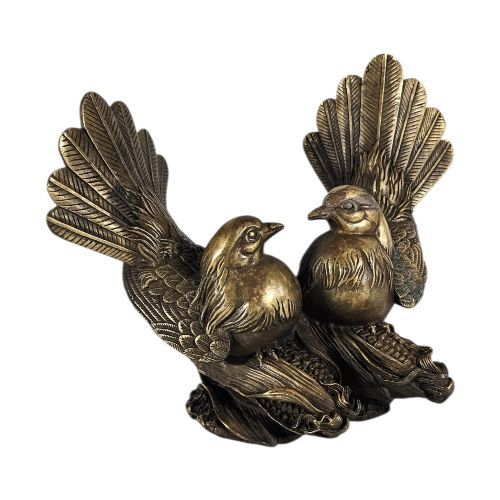
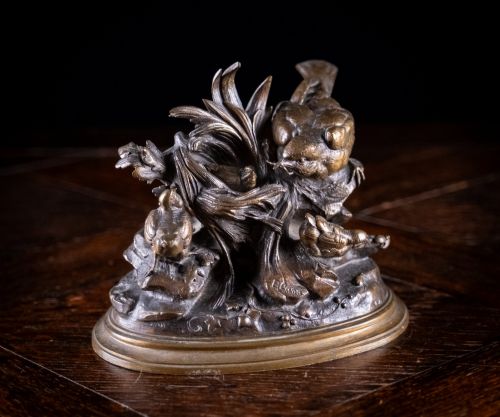
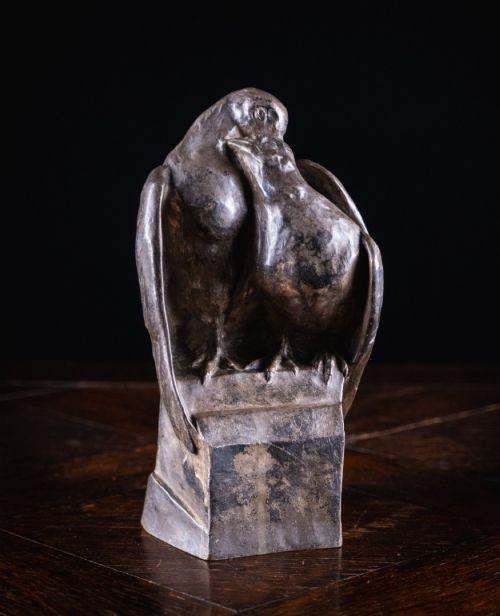
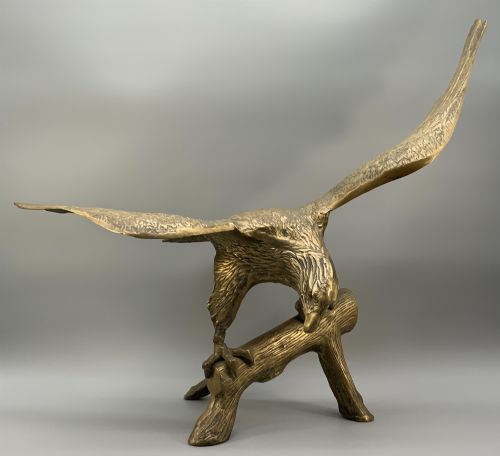
A metal bird ornament brings character to a room, offering enduring forms cast in bronze, brass, and iron across diverse periods.
Metal Bird Ornament
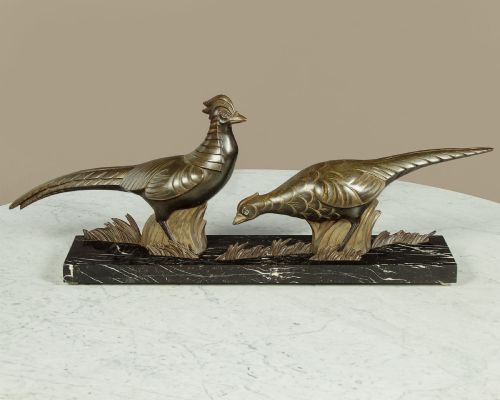
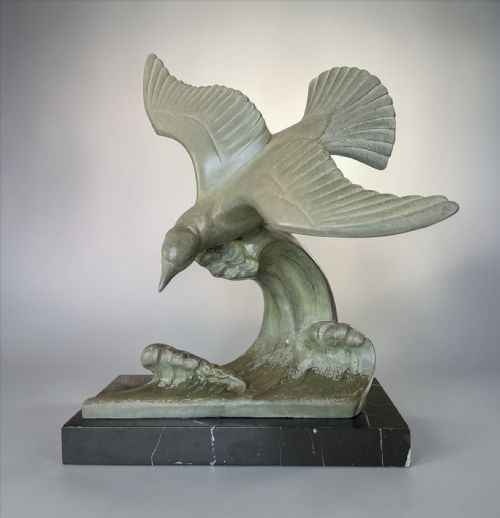
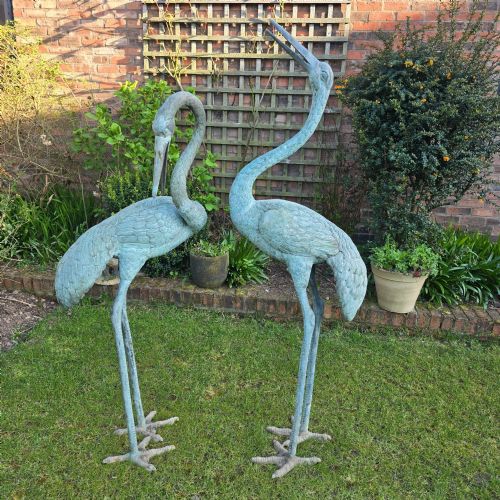
A metal bird ornament encompasses sculptures, vases, and garden statuary depicting avian subjects from pigeons and pheasants to eagles and ducks. When exploring this selection, buyers encounter figures ranging from small cabinet bronzes to large garden statues.
The objects span multiple eras, including Victorian, Edwardian, and Art Deco periods, alongside Asian works from the Japanese Meiji period and Late Qing Dynasty. Forms vary from simple desk ornaments to complex studies mounted on onyx plinths.
Continental European workshops contribute cold painted pieces, while domestic and French foundries supply cast iron eagles and zinc birdcages. Each piece reflects the aesthetic of its decade of origin, from traditional garden styles to mid-century modern interpretations.
Methods and materials in metal bird ornament creation
Foundries utilised casting techniques in bronze, brass, lead, and cast iron to shape these bird sculptures. Molten metal poured into moulds captured intricate feather details and anatomical postures.
Surface finish is a defining characteristic, with makers applying cold painting, silver plating, or patination to raw metal surfaces. Materials such as marble and onyx occasionally serve as plinths to support heavier bronze and brass figures.
Metal Bird Ornament Retail Price Guide 2026
Typical asking prices for metal bird ornament among the pieces listed under this phrase on Sellingantiques today, from the lower quarter to the upper quarter. They describe what is for sale here now, not the wider market.
Listings feature works in bronze, cast iron, lead, and silver plate, spanning the Victorian period through to the mid-century modern era.
Judging the quality of a metal bird ornament
Quality rests upon the crispness of the casting and the fidelity of the bird's form, where superior examples display realistic feather texture and balanced proportions. Inferior pieces often lose detail during the moulding process or exhibit heavy, clumsy joins.
The integrity of the surface decoration separates standard output from finer works, particularly in cold painted bronzes where delicate enamel pigments demand skilled application. Wear and loss to original paint or patina influence the overall integrity of the piece.
Frederique Cederlund-Ozanne·Ferdinand Pautrot
The Metal Bird Ornament Glossary
- Cold painted bronze
- Bronze figures decorated with non-firing oil-based paints applied after the casting process. This technique was widely practiced by Austrian foundries.
- Patinated metal
- Metal treated with chemical solutions to produce a deliberate surface colour or aged finish. It protects the underlying material while enhancing visual depth.
- Meiji period
- The era of Japanese history lasting from 1868 to 1912, known for sophisticated bronze and mixed metal decorative arts. Works from this time often display meticulous naturalism.
- Okimono
- Japanese decorative objects designed for display on a shelf or tokonoma alcove. These statues frequently portray animals and birds in realistic poses.
Metal Bird Ornament: Frequently Asked Questions
What periods do these metal birds come from?
The pieces span from the nineteenth century through the Art Deco era and into the mid-twentieth century. Origins include Victorian Britain, continental Europe, and East Asia.
Dates are assigned based on stylistic evidence, foundry marks, and period materials like cast iron and cold painted bronze.
How do I display a metal bird ornament?
Smaller sculptures, such as desktop parrots or pheasants on plinths, suit mantelpieces, studies, and display cabinets. Larger cast iron eagles and cranes are designed for gardens or prominent interior spaces.
Placement should consider the weight of the material, particularly with solid bronze or lead items.
What is cold painted bronze?
Cold painting involves applying fine paint layers to a bronze casting without subsequent firing. It allows for vibrant coloration on bird plumage.
This technique is particularly associated with Austrian workshops producing small animal figures.
How are bronze and brass pieces distinguished?
Bronze typically shows a darker, warmer patination and contains copper alloyed with tin. Cast brass often exhibits a brighter yellow metallic tone where exposed.
Both materials were utilised for durability and fine detail in animal sculptures.