




Metal Bird Figurines
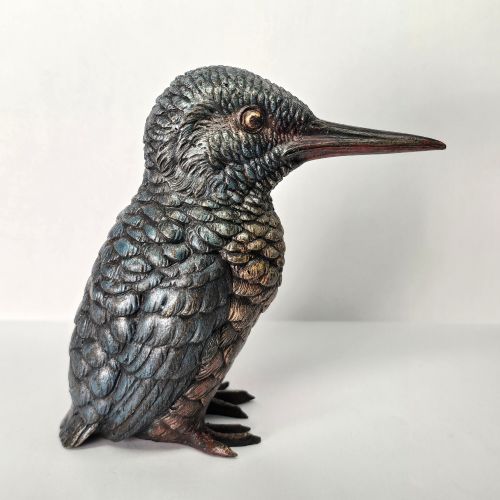
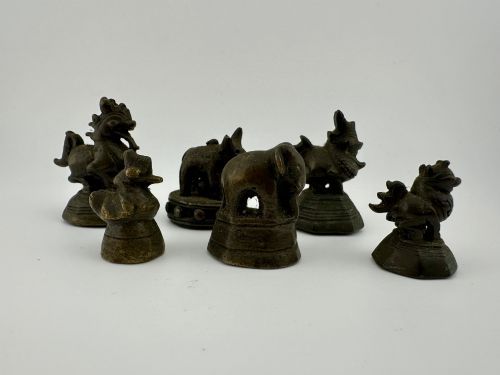
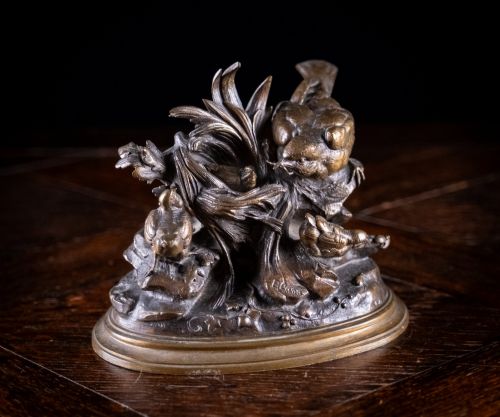
Metal bird figurines span small desktop studies and large decorative pieces, prized for capturing avian life in enduring metalwork.
Metal Bird Figurines
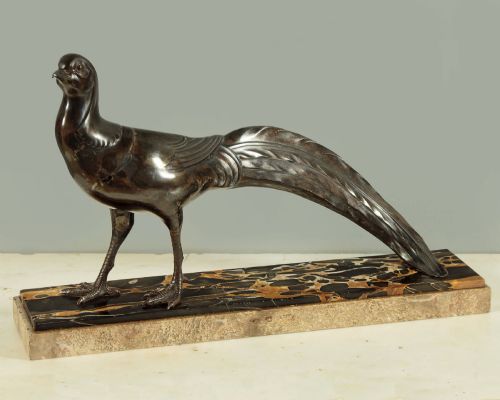
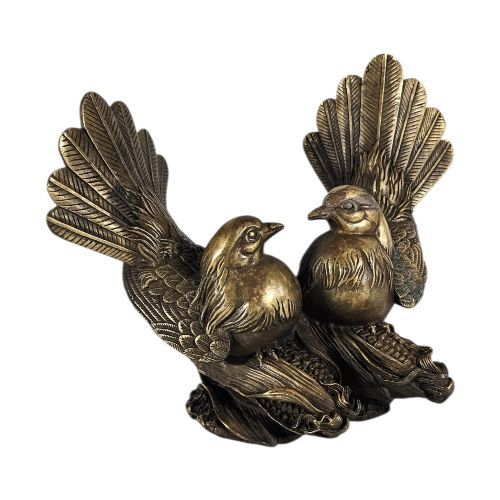
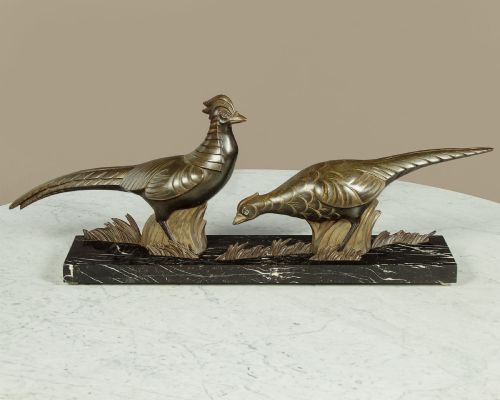
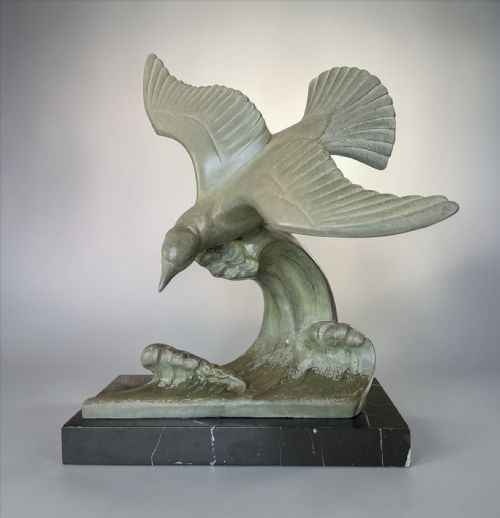
Metal bird figurines encompass sculptural depictions of avian subjects fashioned in bronze, cast brass, silver plate, and patinated spelter. When exploring metal bird figurines, buyers encounter forms ranging from miniature table ornaments to substantial sculptures mounted on marble or onyx plinths.
The selections span distinct periods, including nineteenth-century works, Edwardian items, and Art Deco creations. Common subjects represented in metal bird figurines include pheasants, eagles, ducks, pigeons, and cockerels, reflecting diverse decorative traditions from British country styles to Austrian cold painted bronzes.
Materials and construction methods
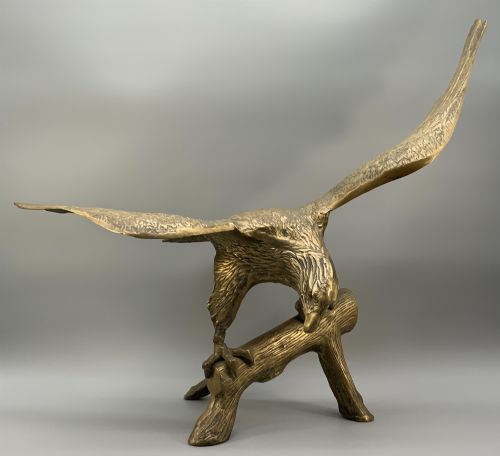
Bronze and cast brass form the structural core of many substantial pieces, offering durability and heavy weight for large animalier sculptures and eagles on branches. Foundries utilised casting techniques to render detailed plumage and anatomical structures before finishing the surfaces.
Cold painting and patination provide colour and surface texture, particularly evident in Austrian and Vienna bronze productions. Other pieces employ silver plating over base metal or combine white metal with painted details to achieve realistic or stylised plumage.
Metal Bird Figurines Retail Price Guide 2026
Typical asking prices for metal bird figurines among the pieces listed under this phrase on Sellingantiques today, from the lower quarter to the upper quarter. They describe what is for sale here now, not the wider market.
Listings feature metal bird figurines from the nineteenth century, Edwardian era, and the nineteen-thirties, fashioned in bronze, cast brass, and silver plate.
Assessing craftsmanship and finish
The preservation of original cold painted surfaces or rich patination distinguishes finer cabinet pieces from those with later repainting or heavy wear. Integration with the base, whether a naturalistic branch, a marble plinth, or an onyx base, further influences the overall integrity of the piece.
The Metal Bird Figurines Glossary
- Cold painted
- A technique where oil paint is applied to a bronze object without subsequent firing at high temperatures. This finish is delicate and highly prized on Austrian animal figures.
- Animalier
- A nineteenth-century artistic movement dedicated to the realistic portrayal of animals. Sculptors in this tradition studied anatomy closely to produce convincing wildlife models.
- Vienna bronze
- Small, highly detailed metal sculptures produced in Vienna during the late nineteenth and early twentieth centuries. These are almost exclusively cold painted.
- Spelter
- An alloy of zinc and lead or copper used as a less expensive alternative to bronze. It takes patination and paint well but is softer and lighter than bronze.
- Patinated metal
- Metal treated with chemicals, heat, or acids to produce a coloured surface layer. This process protects the metal and enhances visual depth.
Metal Bird Figurines: Frequently Asked Questions
What metals are used for these birds?
Makers cast these figures in bronze, brass, white metal, and spelter, occasionally applying silver plate over the base metal.
Surface treatments such as cold paint and chemical patination finish the pieces, adding colour and texture to the metallic forms.
How do I identify Austrian cold painted bronzes?
These pieces typically display intricate detailing and hand-applied polychrome paint over a bronze or brass casting. They often depict birds like pheasants, ducks, or parrots, sometimes mounted on naturalistic bases or stone plinths.
The paint layer sits directly on the metal and shows characteristic wear patterns accumulated over decades of handling.
Are these figures mounted on bases?
Many smaller studies and decorative ornaments stand independently on their own cast feet or integrated metal branches. Larger sculptures and specific desk items frequently utilise marble or onyx plinths for stability and display.
The presence of a stone base often correlates with specific periods like the Art Deco era or nineteenth-century animalier works.
How should I care for a cold painted bronze?
Keep painted bronze figures away from direct sunlight and moisture to protect the delicate cold painted surface from flaking or fading. Dust gently with a soft, dry brush without using commercial metal cleaners or liquids.
Handling the pieces by their bases rather than the painted body preserves the original finish.