

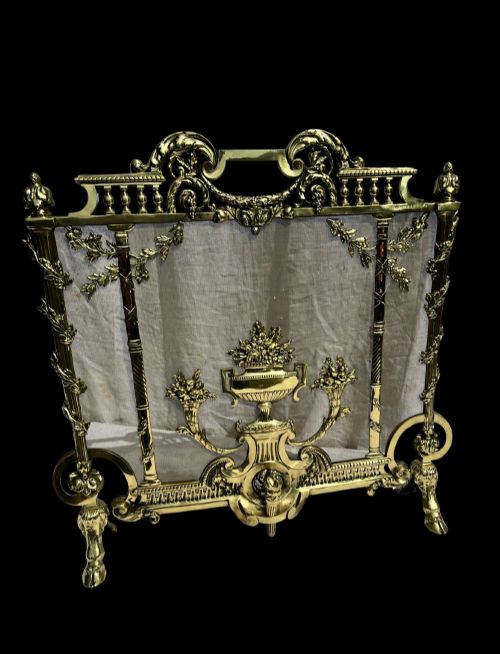
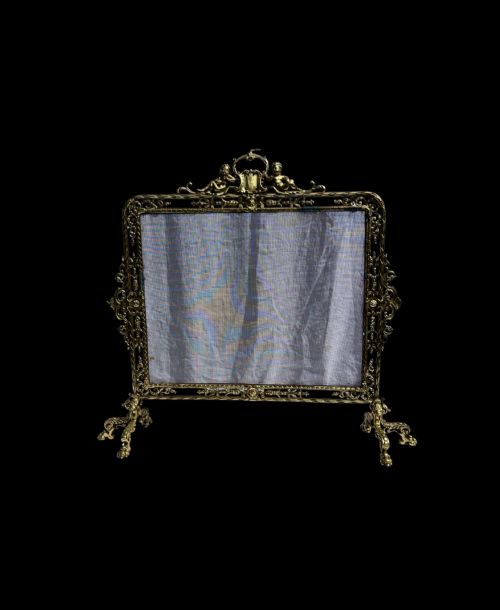
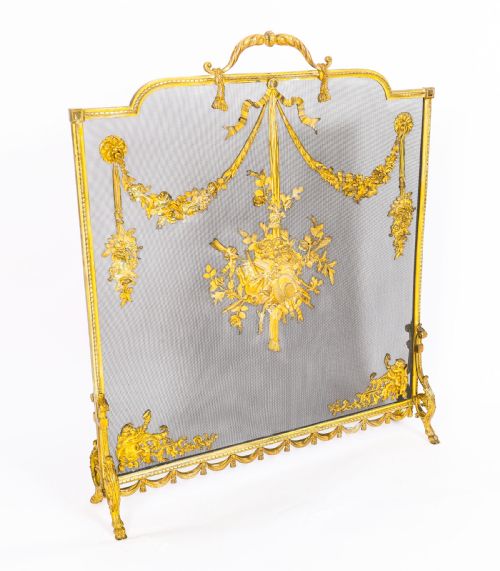

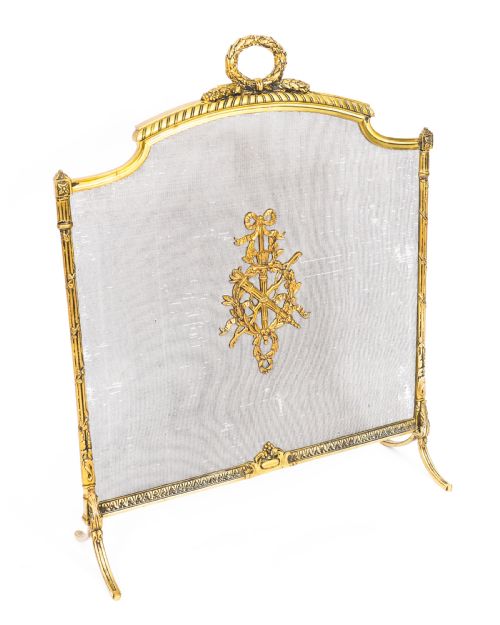
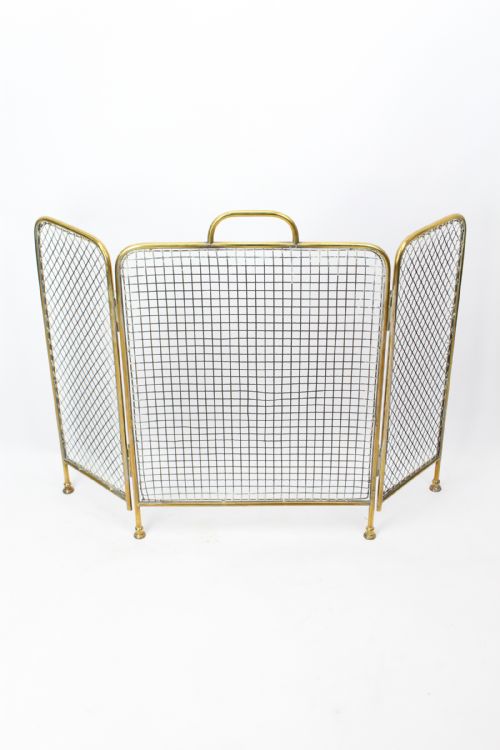


Mesh Hearth Guard
A mesh hearth guard protects rooms from stray embers while adding period character to the fireplace.
Mesh Hearth Guard
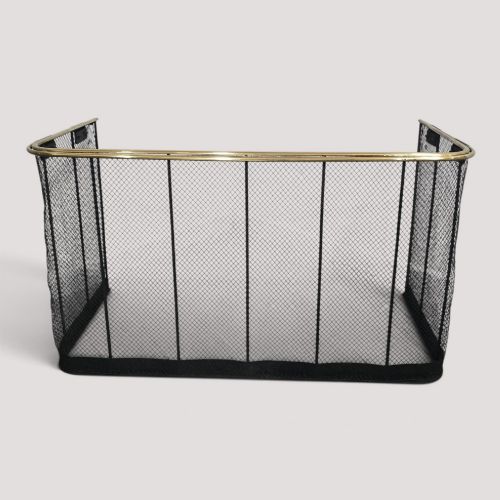
A mesh hearth guard provides a physical barrier between an open fire and the room, using fine metal screening to catch sparks. When searching for a mesh hearth guard, buyers encounter several distinct forms designed for domestic safety and decoration.
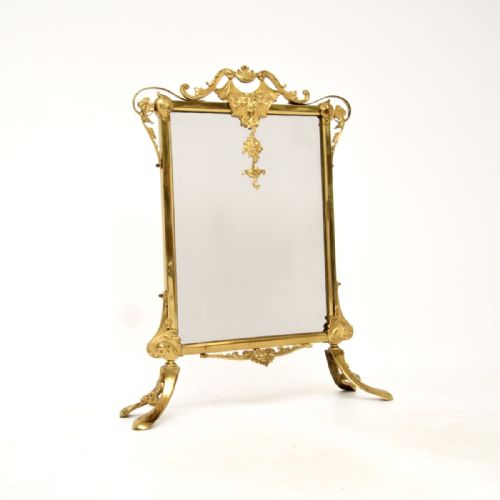
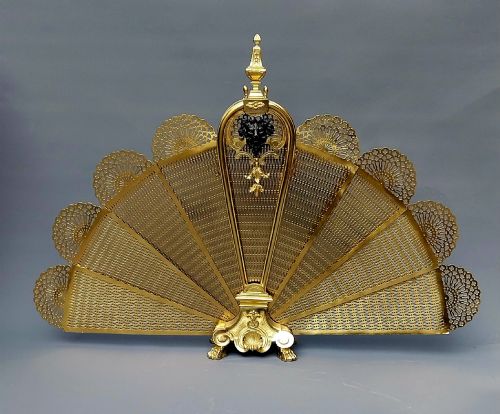
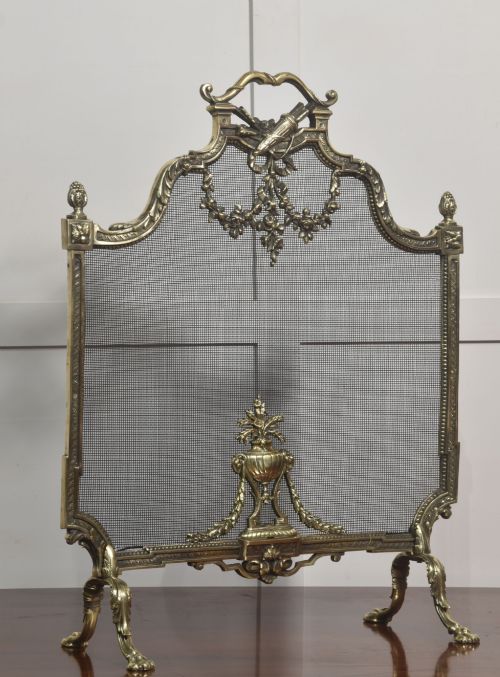
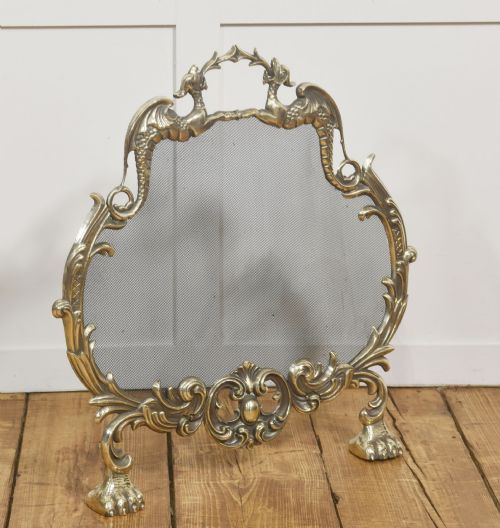
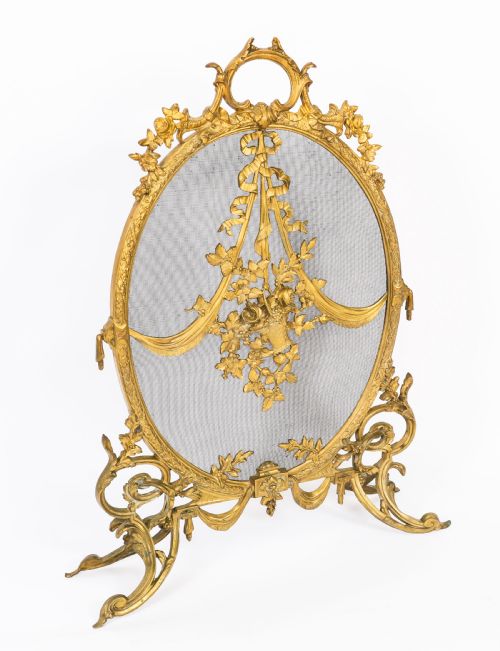
The most common examples on this page are upright fire screens and folding guards produced in brass, iron, and gilt bronze. These pieces range from simple Victorian wire mesh designs to ornate French Rococo Revival frames featuring cast motifs.
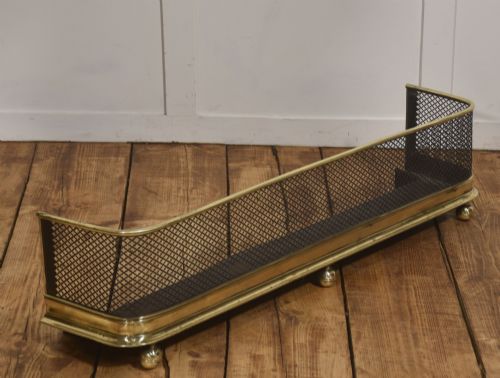
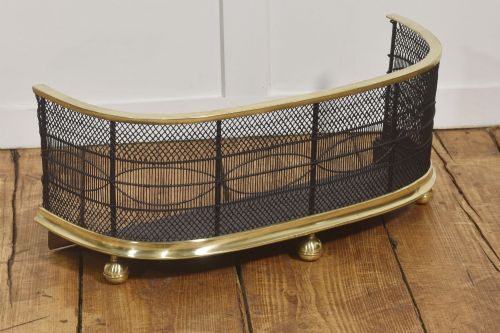
Larger nursery fenders and guards also appear frequently, often incorporating brass top rails, mesh panels, and clothes rails to serve multiple domestic functions in period homes.
Materials and construction
Makers constructed these fireplace accessories using structural frames of brass, iron, or wrought iron combined with flexible wire mesh and metal mesh panels. Frames were frequently cast, pierced, or embossed with decorative motifs before being assembled with hinges for folding variants.
Finishes varied considerably across periods, with many pieces receiving fire gilding, brass rims, or polished surfaces to enhance their appearance against the hearth. The mesh itself was securely bound into the metal surrounds to withstand daily exposure to heat.
Mesh Hearth Guard Retail Price Guide 2026
Typical asking prices for mesh hearth guard among the pieces listed under this phrase on Sellingantiques today, from the lower quarter to the upper quarter. They describe what is for sale here now, not the wider market.
Current listings span the 19th Century, Regency, Victorian, and Edwardian periods, utilising brass, wire mesh, iron, and gilt bronze.
Craftsmanship and detail
Quality in these pieces is dictated by the crispness of the casting and the weight of the primary metal used in the frame. Heavier gauge brass and solid gilt bronze display sharper relief in decorative elements like floral trophies, torches, and rococo scrolls.
The construction of the mesh and hinges also determines standard, with finer wirework securely integrated into the structural surround rather than simply tacked on. Better examples maintain rigid frames even when configured in multi-fold panel arrangements.
The Mesh Hearth Guard Glossary
- Fire screen
- A movable panel placed before a fireplace to block radiant heat when the fire burns low. They often double as decorative decorative items during warmer months.
- Nursery fender
- A low enclosing barrier designed to keep young children at a safe distance from the hearth. Many feature raised mesh guards and integrated brass top rails.
- Spark guard
- A fine wire mesh screen intended specifically to catch flying embers from coal or wood fires. These are built for utility while often retaining period stylistic details.
- Rococo Revival
- A nineteenth-century design style characterised by asymmetrical scrolls, C-scrolls, and naturalistic floral motifs. It heavily influenced French and British fire screen production.
- Demi-lune
- A half-moon or semicircular shape often seen in the footprint of specialised hearth fenders and curved spark guards.
Mesh Hearth Guard: Frequently Asked Questions
What is a mesh hearth guard used for?
These guards serve primarily to intercept sparks and embers flying out from an active open fire, protecting carpets and flooring. They also establish a safe boundary for rooms containing children or pets.
Beyond basic safety, they act as decorative furnishings that conceal a dark hearth during the warmer months when fires are not lit.
How do I choose the right size?
Measure the width of your fireplace opening and the hearth stone to ensure the guard covers the entire hearth area adequately. Freestanding folding panels offer flexibility for wider openings.
Consider the height of the fire basket or grate as well, ensuring the mesh reaches high enough to contain any sparks thrown from burning fuel.
How do I date a brass fire screen?
Dating relies heavily on stylistic markers, such as heavy Victorian cast brass frames versus lighter Edwardian wire mesh designs. French pieces frequently display specific revival styles like Louis XVI or Rococo.
Construction methods, including the type of hinges and the weave of the wire mesh, also provide strong clues to the decade of manufacture.
Are these guards safe for open fires?
Most period guards use robust iron or brass frames combined with metal mesh designed to withstand high temperatures. They effectively stop larger embers and sparks from reaching the room.
It remains wise to check that the mesh is intact and securely fastened to the frame before placing it before a roaring fire.