
Mens Silver Watch
When you handle a mens silver watch from the past, you hold a piece of daily machinery that combined utility with lasting metal.
Mens Silver Watch
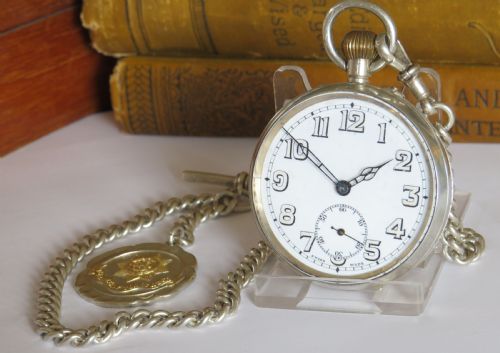
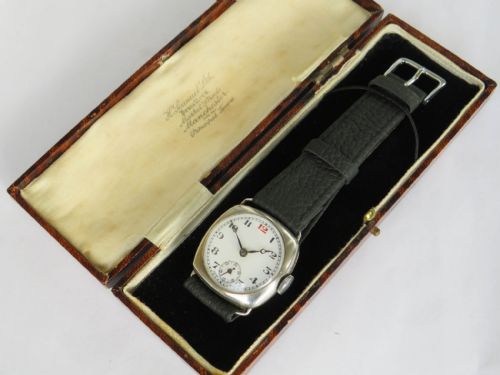
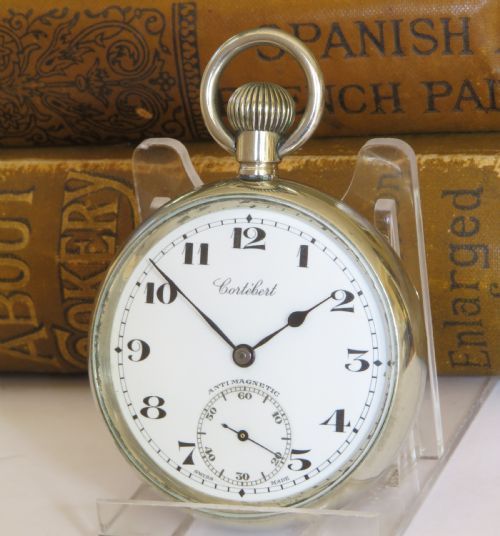
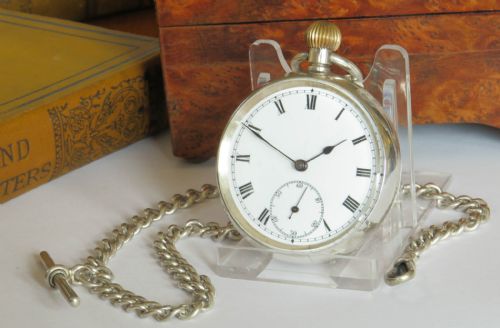
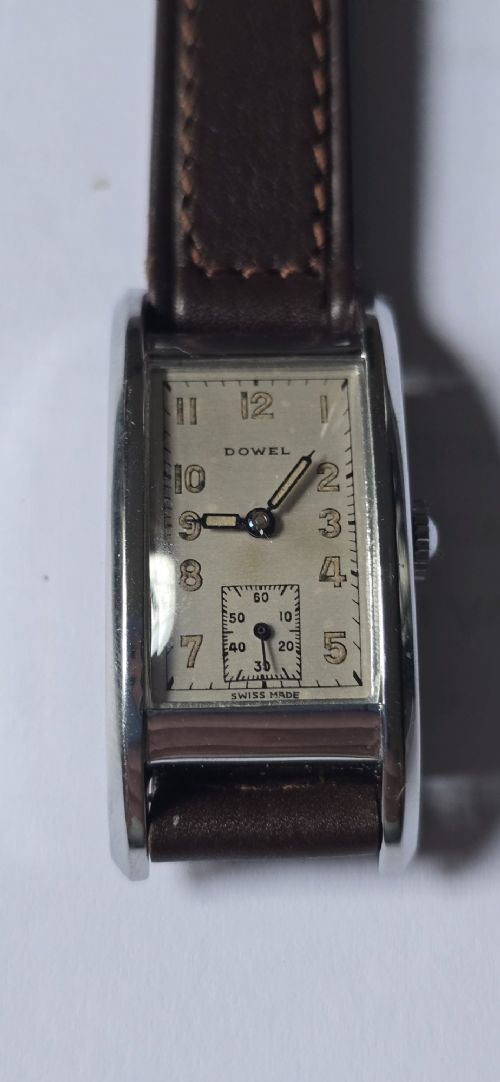
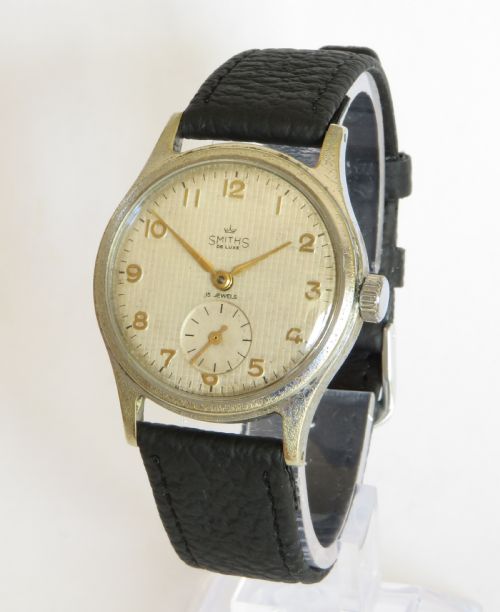
A mens silver watch encompasses pocket watches, wristwatches, and the accompanying chains found across the Victorian, Edwardian, and mid-century eras. The pocket watch varieties range from open face designs to hunter and half hunter cases protecting the dial behind a silver cover.
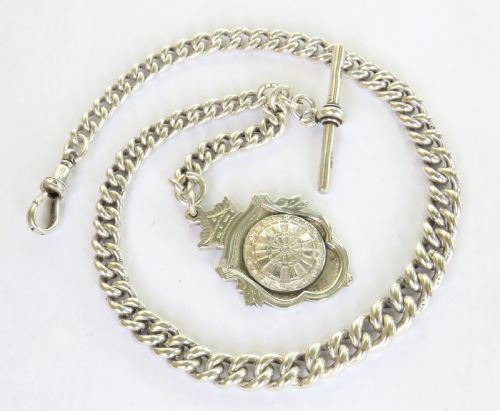
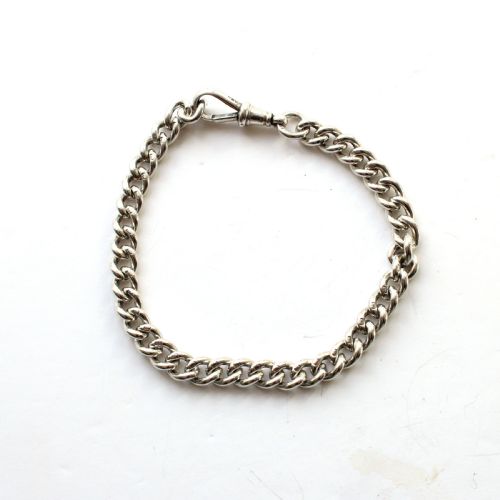
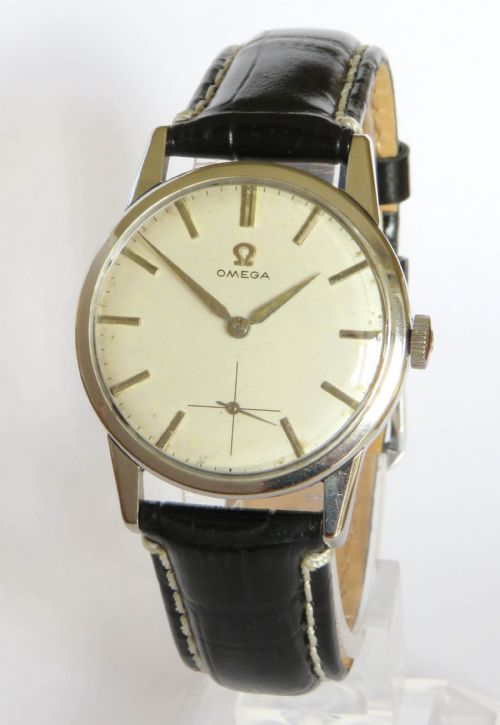
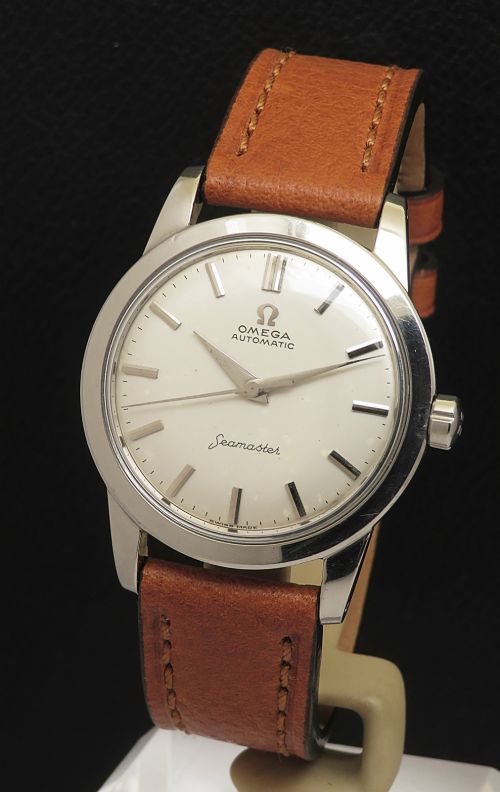
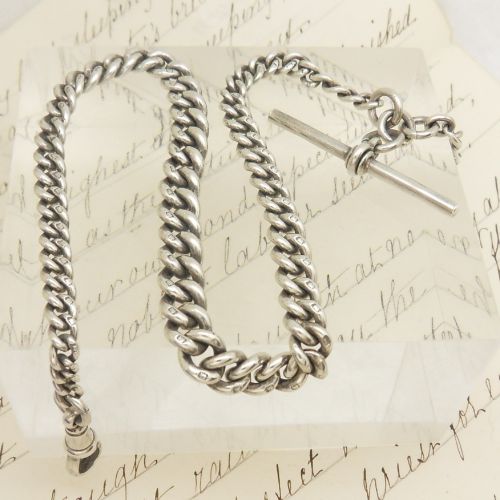
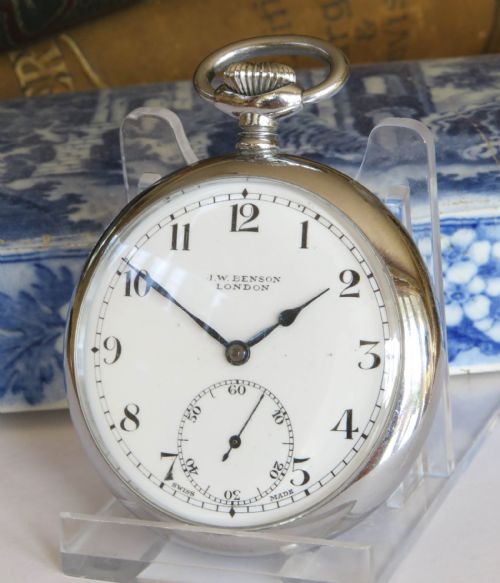
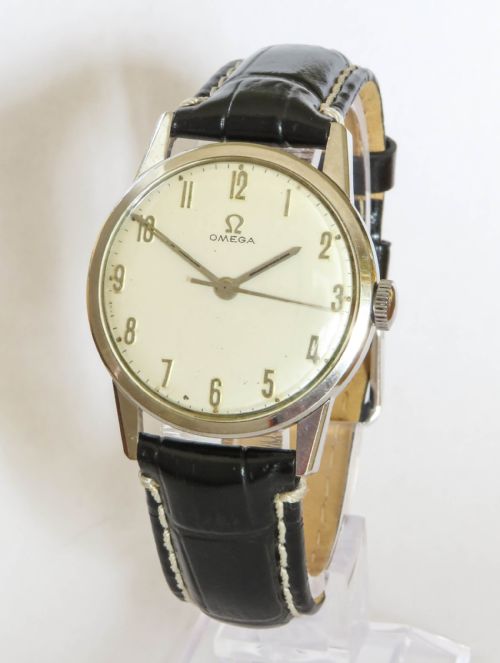
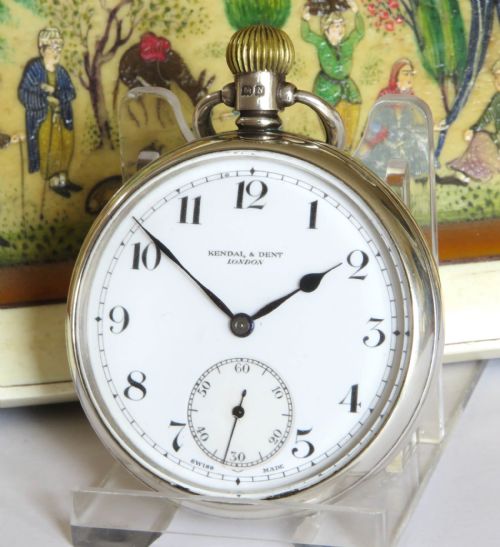
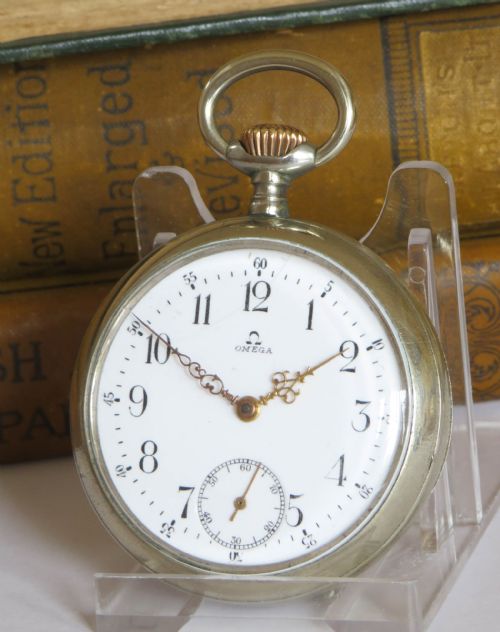
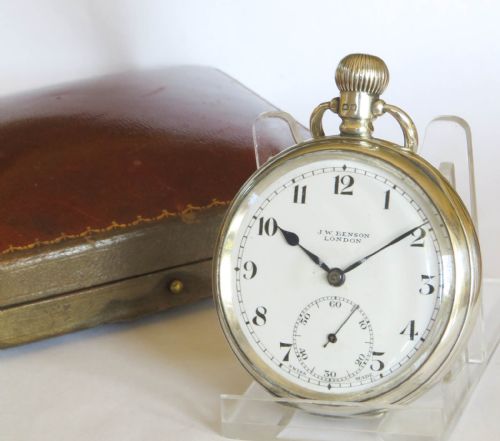
On this page, wristwatches and pocket watches appear alongside heavy sterling silver albert chains and bracelets. Makers and retailers such as Omega, J W Benson, and Cyma frequently recur among the listings spanning from the late nineteenth century to the late twentieth century.
How they were made
The cases and chains utilise solid silver and sterling silver, often bearing hallmarks that record the assay office and year of manufacture. Mechanical movements drive these timepieces, relying on steel components, jewelled bearings, and Swiss or English craftsmanship.
Dials feature enamel or metal finishes, sometimes protected by glass crystals and occasionally paired with leather straps or stainless steel elements. Details such as applied numerals, sub-seconds dials, and engraved hunter cases show the hand of the watchmaker.
Listings feature silver pocket watches and wristwatches spanning from the Victorian period through to the 1960s.
What varies in quality
The grade of a mens silver watch depends upon the precision and complexity of its movement, from standard mechanical calibres to chronographs and bumper automatics. Solid silver weight and the intricacy of linked albert chains or dog clips also distinguish finer examples.
Originality defines the upper tier, where dials, cases, and signed movements remain untouched or well preserved across decades. Pieces accompanied by military fobs, engraved dedications, or original boxes carry distinct historical character.
Omega·J W Benson·Cortebert·Kendal & Dent·Cyma·Bulova·Hamilton
The Mens Silver Watch Glossary
- Pocket watch
- A portable timepiece designed to fit in a waistcoat pocket, often secured by a chain. These pieces feature hinged metal covers or open faces.
- Albert chain
- A chain attached to a pocket watch and secured through a buttonhole, named after Prince Albert. They often include dog clips and decorative fobs.
- Hunter pocket watch
- A watch featuring a spring-loaded metal cover that protects the glass dial from scratches. A half hunter includes a small glass aperture in the cover to read the hands.
- Hallmark
- A stamp marked on silver items indicating the purity of the metal, the maker, and the assay office. Chester and London marks appear frequently on these pieces.
- Calibre
- The specific internal movement of a watch defined by the manufacturer. Collectors look for signed calibres within Swiss and English pieces.
Mens Silver Watch: Frequently Asked Questions
What is a half hunter pocket watch?
A half hunter pocket watch includes a protective metal outer lid with a small glass circle in the centre. This design lets you check the time quickly without opening the front cover.
The solid silver case shields the delicate enamel dial beneath from daily knocks while keeping the hands visible through the aperture.
How do I wear a pocket watch chain?
Pocket watch chains, or albert chains, secure a timepiece to a waistcoat or jacket buttonhole using a T-bar fitting. The chain drapes across the front of the garment.
Extra items like silver fobs, medals, or lockets attach to the drop section hanging from the centre of the chain.
What is a bumper automatic movement?
A bumper automatic is an early self-winding mechanical watch movement where the rotor swings back and forth against springs rather than rotating in a full circle.
You can feel a slight gentle tap against your wrist as the internal weight moves while you wear the watch.
Are these watches mechanical or quartz?
These historical pieces rely entirely on mechanical movements driven by mainsprings and gears rather than modern quartz battery power. They require regular winding or motion to keep accurate time.
Craftsmen assembled these intricate steel and brass components by hand long before electronic watches existed.