

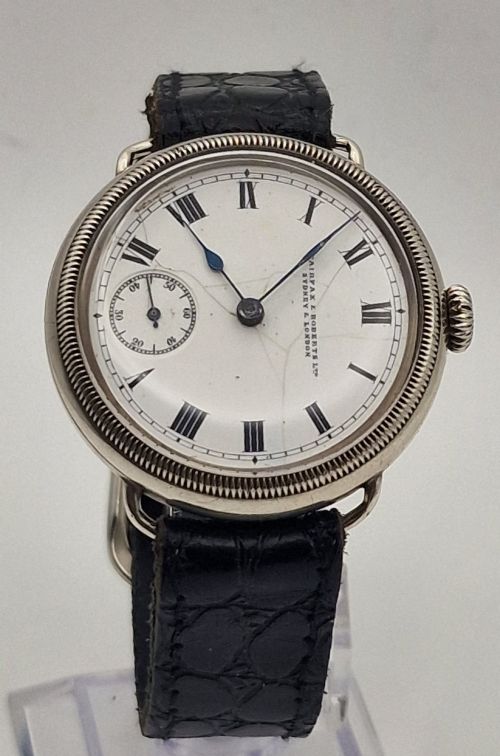
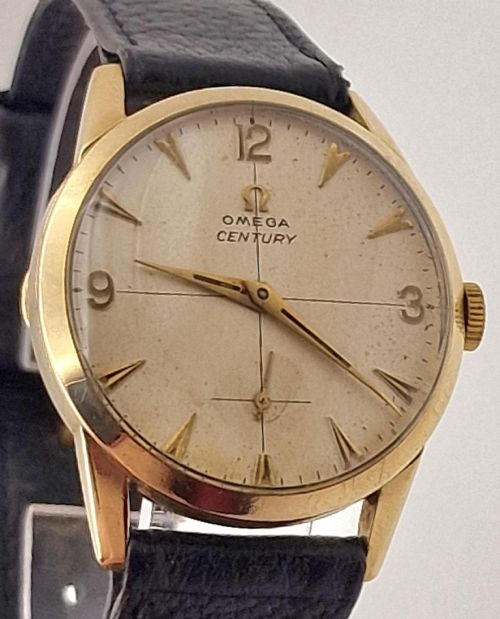
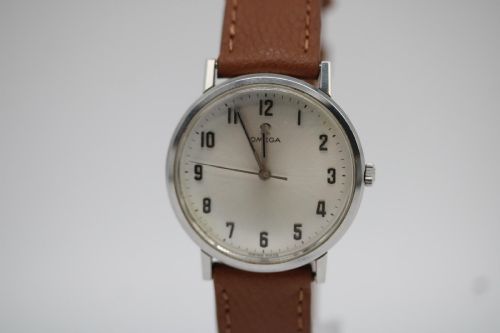
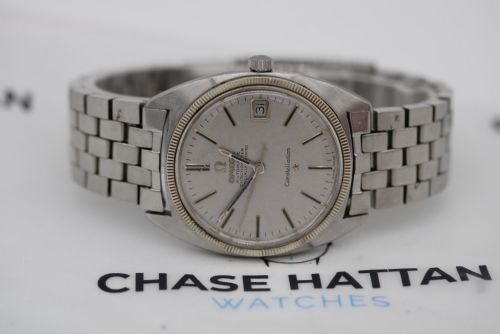
Mens Omega Wristwatch
When choosing a mens omega wristwatch, you are selecting a piece of Swiss horological history spanning from the nineteen thirties to the nineteen seventies.
Mens Omega Wristwatch
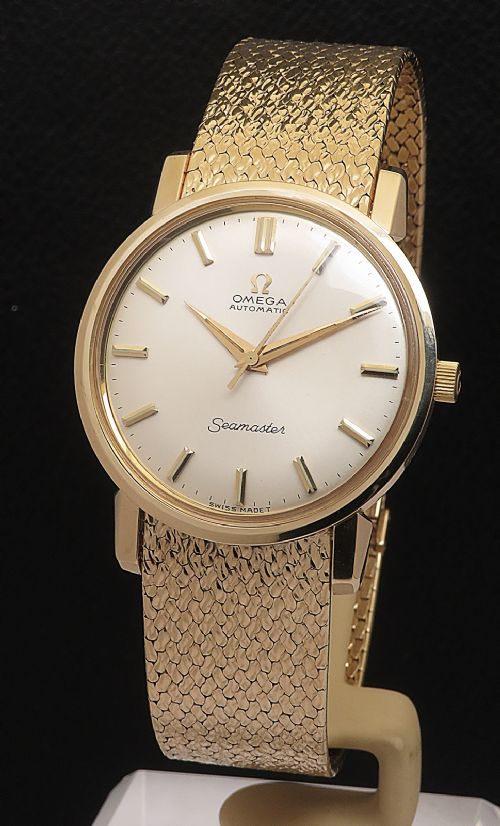
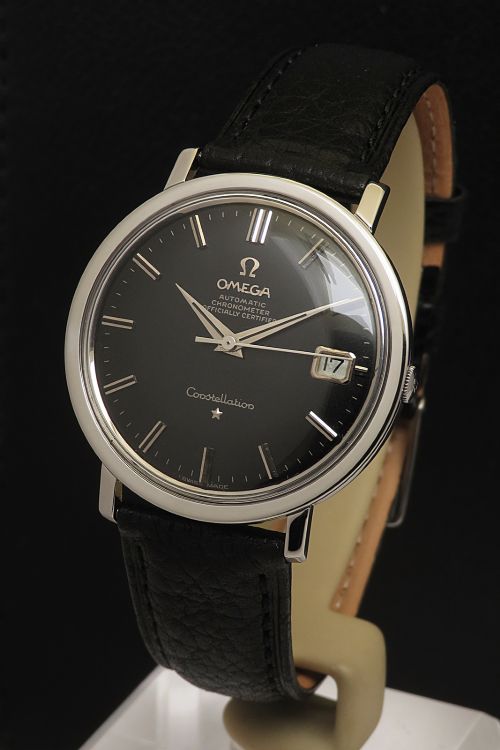
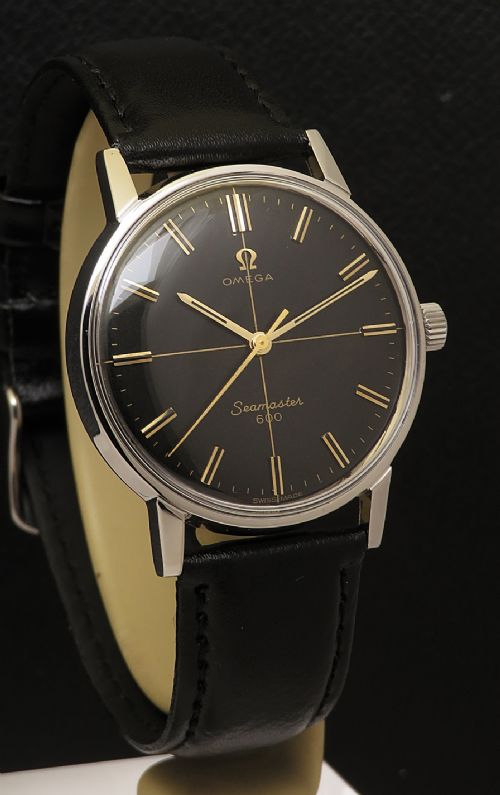
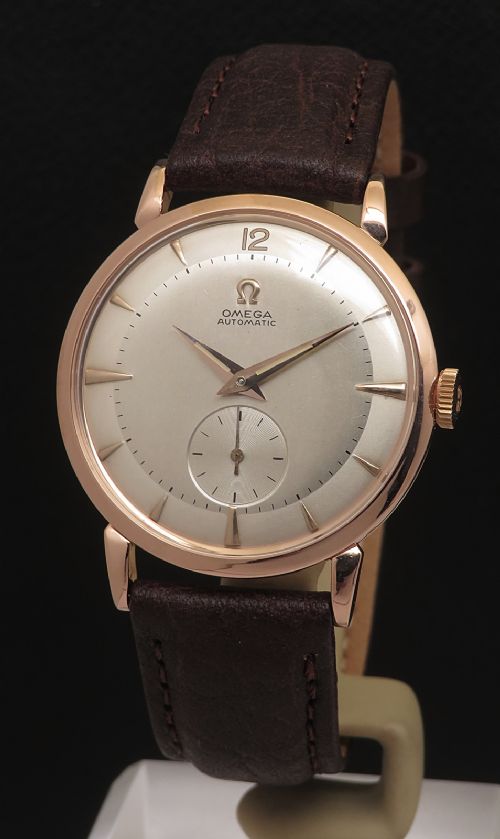
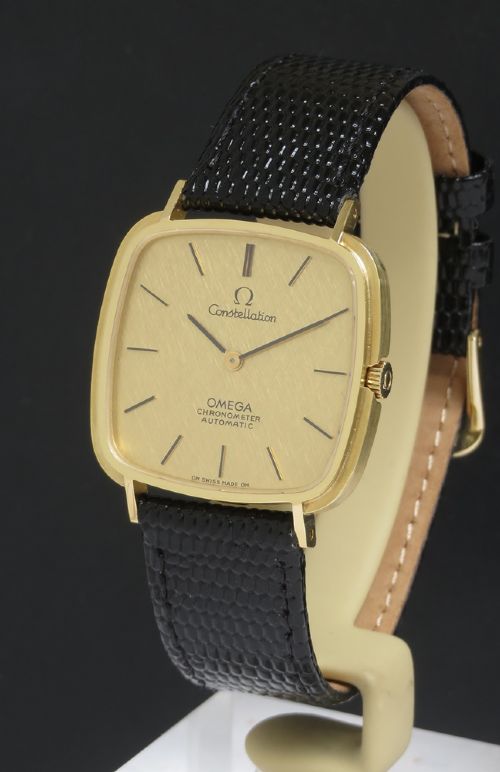
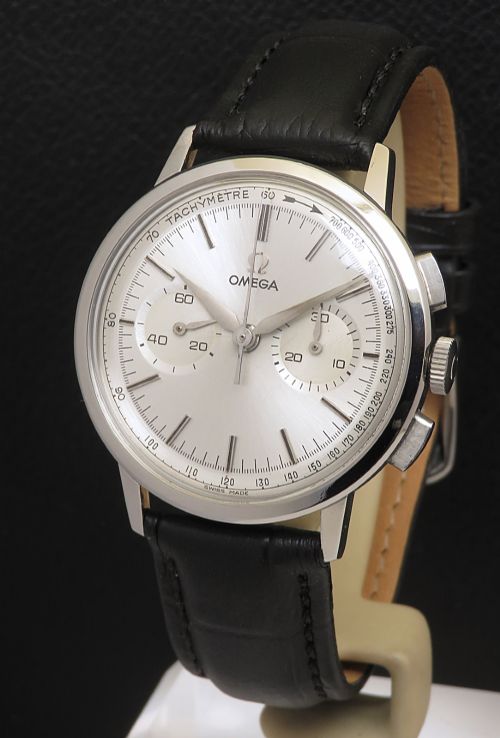
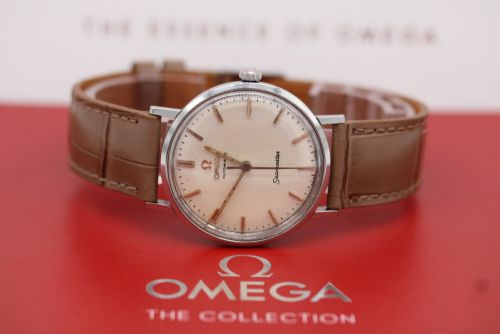
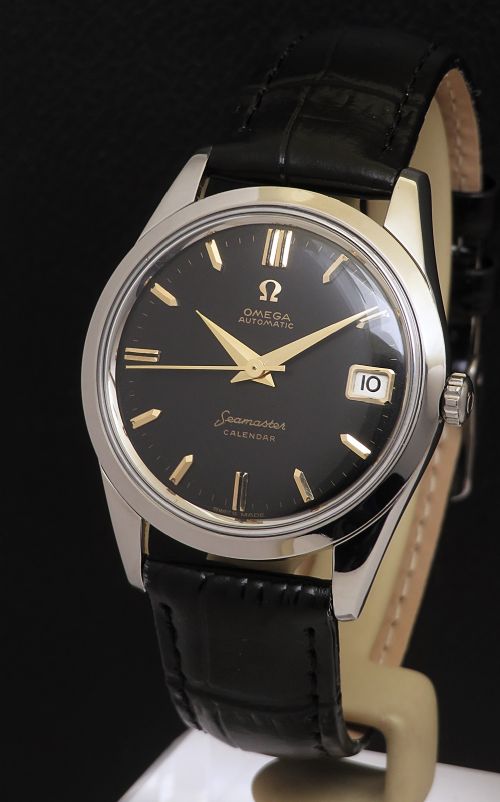
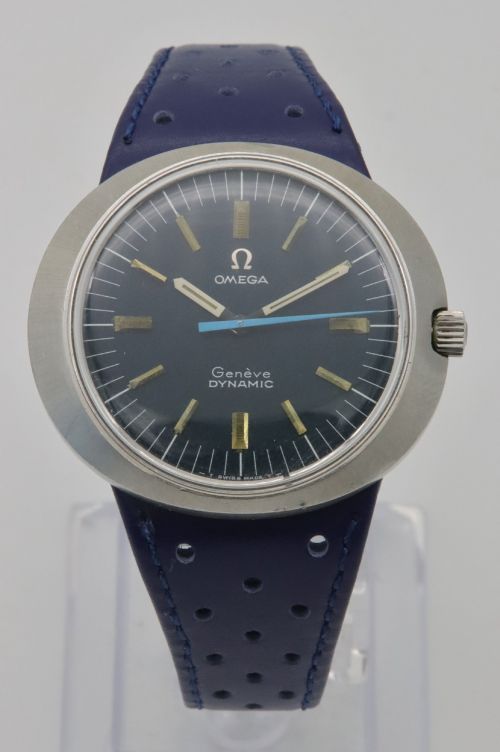
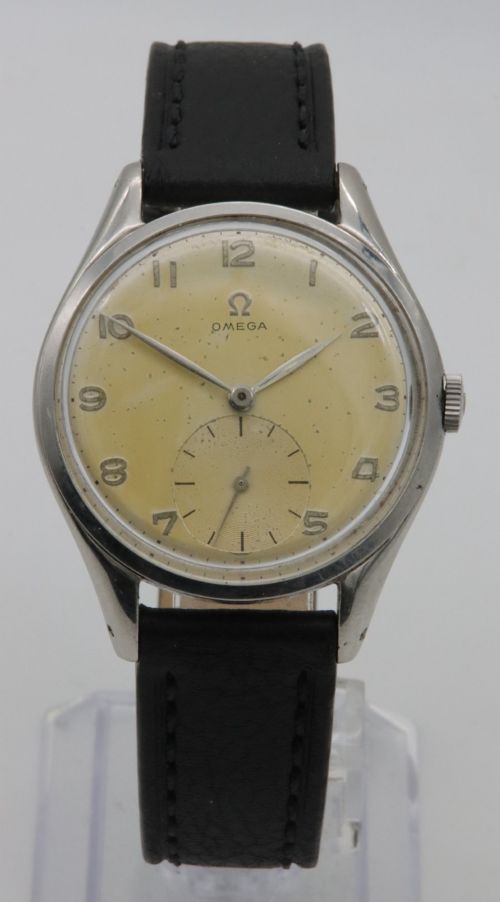
A mens omega wristwatch represents a wearable piece of mid twentieth century horology, encompassing manual wind, automatic, and chronograph movements. These horological items serve as practical timepieces and historical objects originating primarily from the nineteen forties, fifties, and sixties.
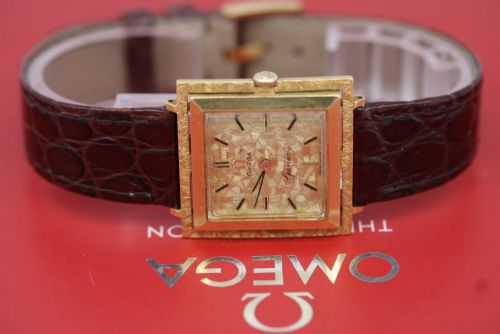
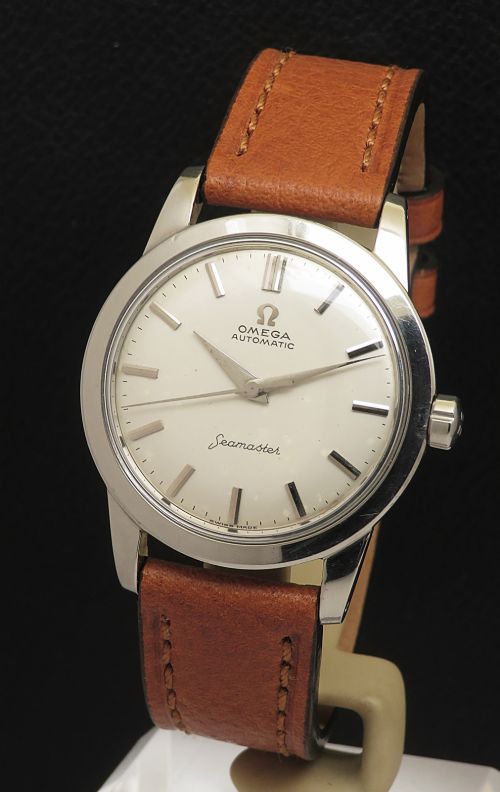
The most common versions encountered include stainless steel or gold cased Seamaster and Geneve models, alongside classic dress watches featuring manual wind or bumper automatic movements. These pieces reflect the shift from traditional pocket designs to robust wrist-worn instruments.
How they were made
Cases utilise metals such as stainless steel, gold plate, solid nine carat and eighteen carat gold, paired with protective glass or acrylic crystals over metal dials. Movements are intricate mechanical assemblies of gears, springs, and jewelled pivots, often driven by manual winding or automatic rotor mechanisms.
Dials display applied markers and printed numerals, occasionally protected by waterproof or dust resistant case constructions like the Seamaster line. Straps are typically formed from leather fastened with metal buckles.
Mens Omega Wristwatch Retail Price Guide 2026
Typical asking prices for mens omega wristwatch among the pieces listed under this phrase on Sellingantiques today, from the lower quarter to the upper quarter. They describe what is for sale here now, not the wider market.
Listings feature periods spanning from the nineteen thirties through to the nineteen seventies, encompassing styles from Art Deco to Mid-Century Modern.
What varies in quality
The standard of a mens omega wristwatch depends on the original specification of its movement, such as the inclusion of a chronometer grade calibre or complications like a chronograph function. Higher tiers often feature solid precious metal cases rather than gold plate, alongside accompanying original boxes and paperwork.
The preservation of the dial and case geometry distinguishes superior examples, as factory original finishes and unpolished edges retain greater historical integrity than heavily restored components.
Omega
The Mens Omega Wristwatch Glossary
- Automatic
- A self-winding mechanical movement that uses a weighted rotor to wind the mainspring through the natural motion of the wearer's wrist.
- Calibre
- The specific internal mechanical movement designation given by the manufacturer to identify the design and size of the mechanism.
- Chronometer
- A precision timekeeper that has been tested and certified to meet strict accuracy standards over various temperatures and positions.
- Bumper automatic
- An early form of self-winding movement where a weighted spring loaded rotor oscillates back and forth rather than rotating fully.
- Manual wind
- A mechanical movement that requires the wearer to manually turn the crown to tension the mainspring and store power.
Mens Omega Wristwatch: Frequently Asked Questions
How do I wind a vintage omega?
Manual wind models require gently turning the crown clockwise until resistance is felt, avoiding over-winding to prevent internal damage.
Automatic models rely on wrist motion, though manual winding can kickstart the power reserve if the watch has stopped.
What is a bumper automatic movement?
A bumper automatic uses an oscillating weight that swings back and forth against springs rather than spinning in a full circle.
This early automatic mechanism transmits a gentle physical thump to the wrist as the weight reaches the end of its travel.
Are these watches waterproof?
Vintage models, even those designed for diving like the Seamaster, generally lose their water resistance over decades as seals and gaskets degrade.
Modern exposure to moisture should be avoided unless the watch has been professionally serviced and pressure tested with new gaskets.
How can I tell the production decade?
Movement serial numbers stamped inside the watch can be cross-referenced against manufacturing ledgers to determine the approximate production year.
Stylistic cues such as dial typography, case shapes, and calibre numbers also help narrow down whether a piece originates from the nineteen thirties, forties, fifties, or sixties.