
Mens Mechanical Dress Watch
A mens mechanical dress watch brings traditional horology to the wrist, offering precise gear-driven timepieces for formal wear.
Mens Mechanical Dress Watch
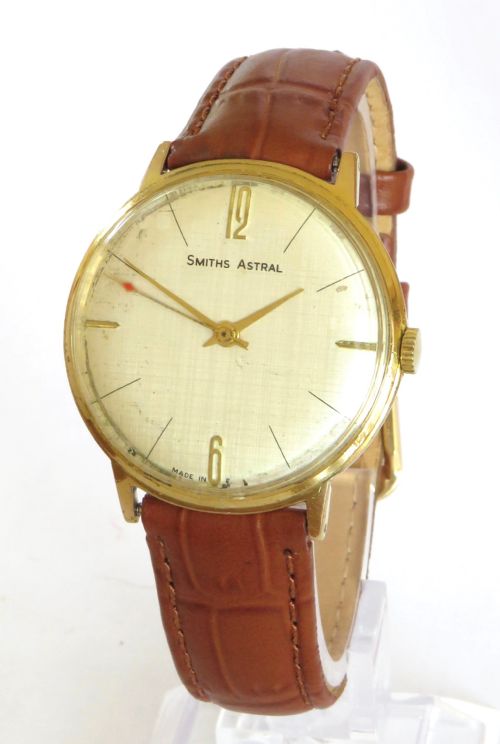
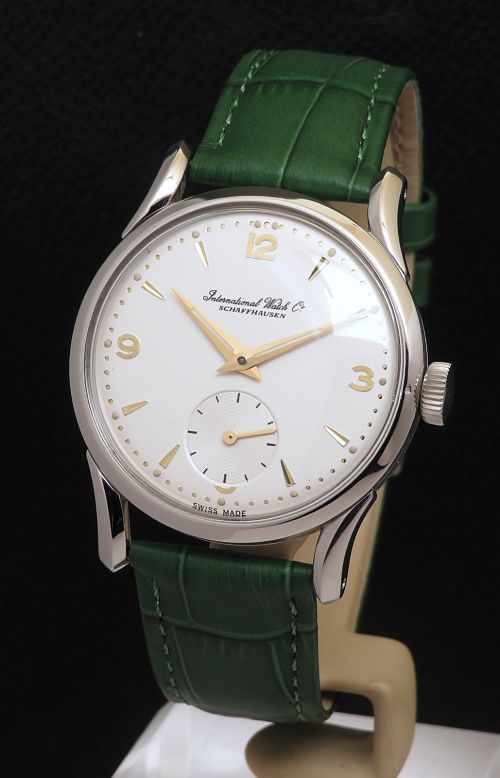
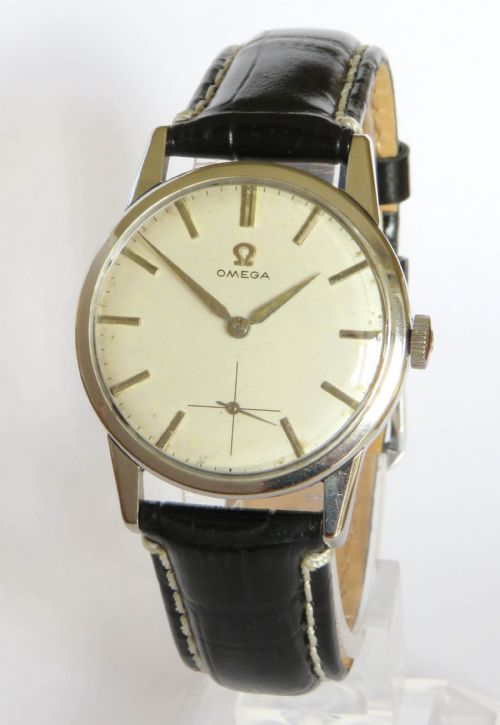
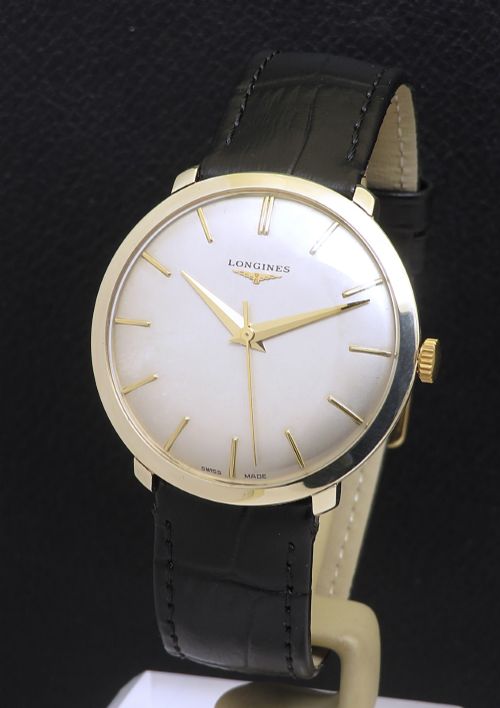
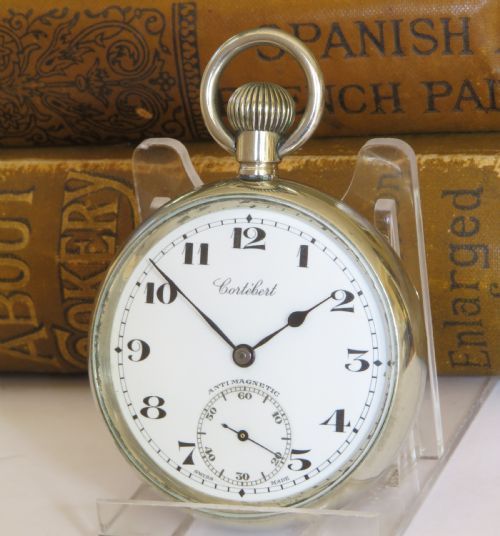
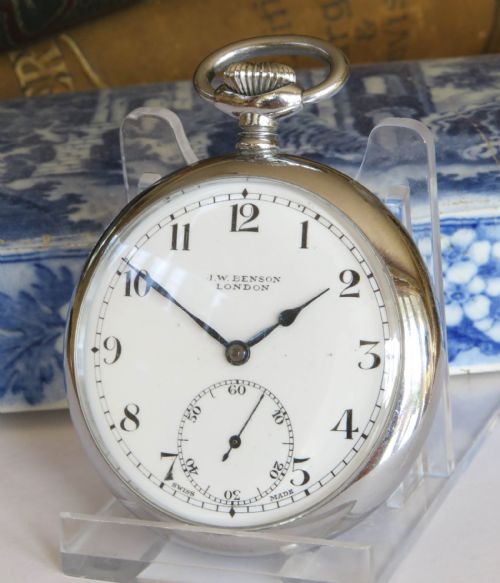
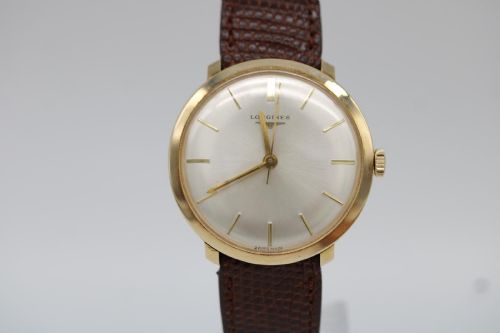
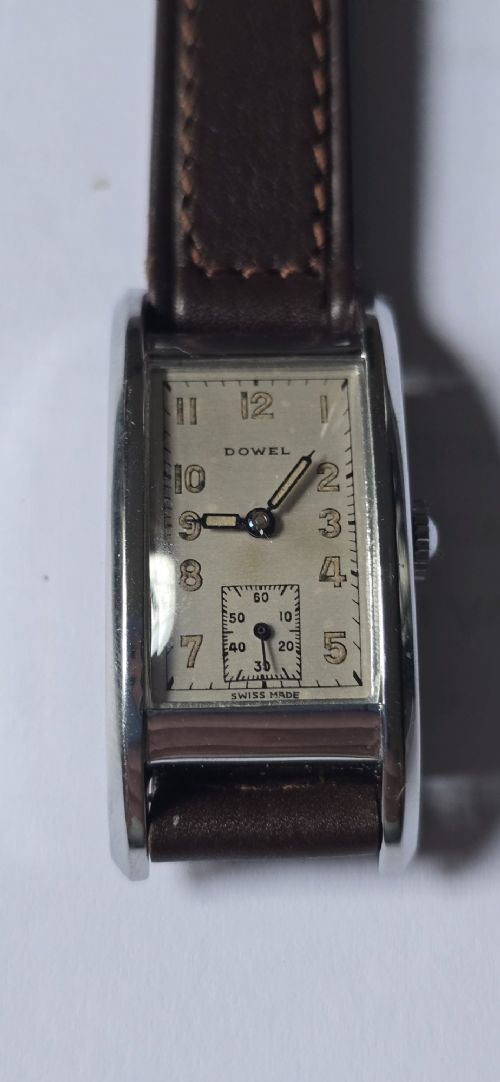
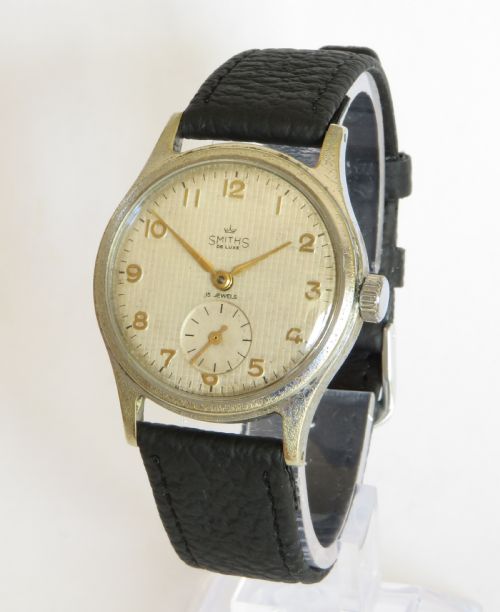
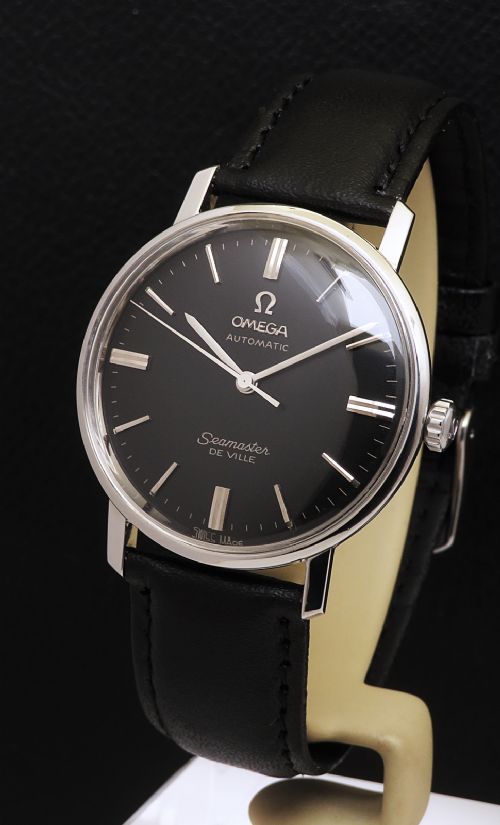
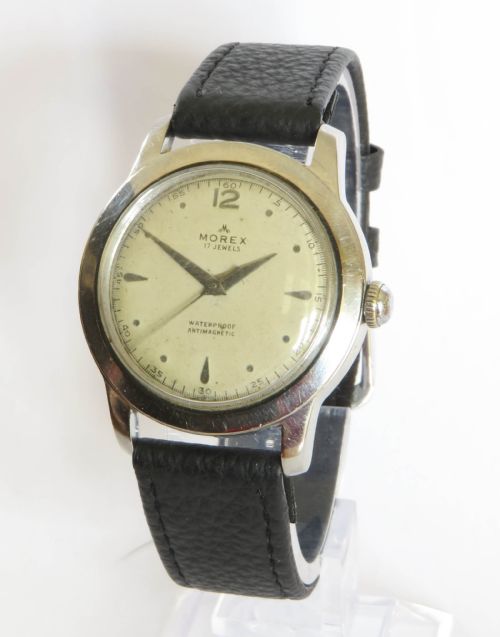
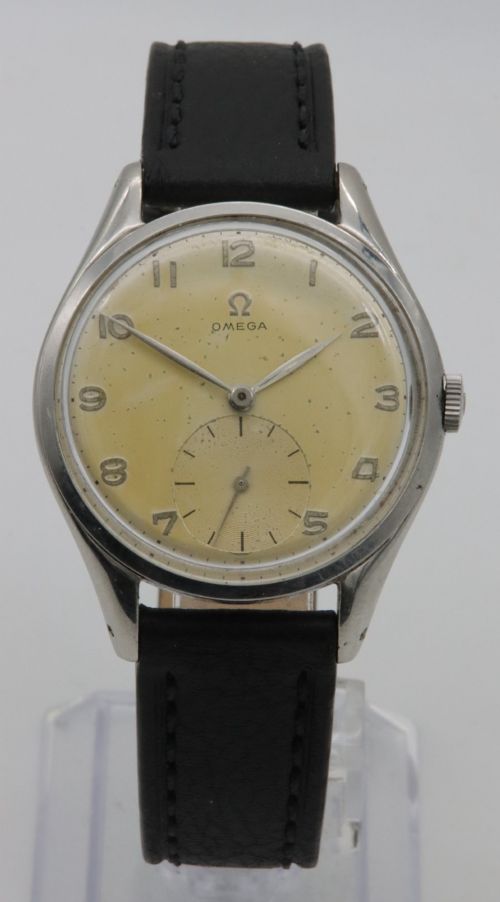
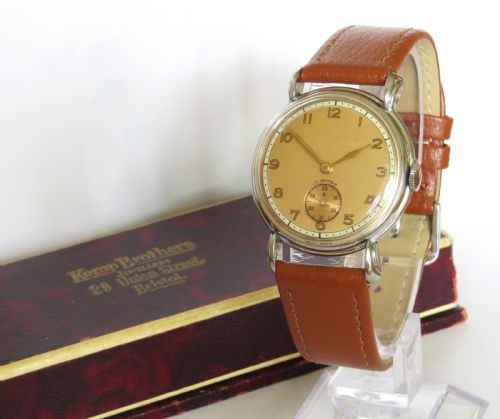
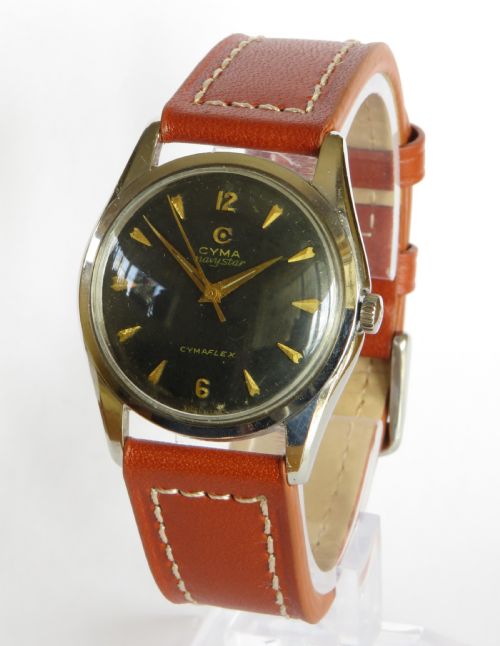
A mens mechanical dress watch comprises traditional timepieces driven by manual or automatic internal movements rather than quartz batteries. When searching for a mens mechanical dress watch, buyers encounter items spanning the Victorian, Art Deco and Mid-Century Modern periods. The selection focuses heavily on wristwatches alongside occasional pocket watches from the 1880s to the 1970s.
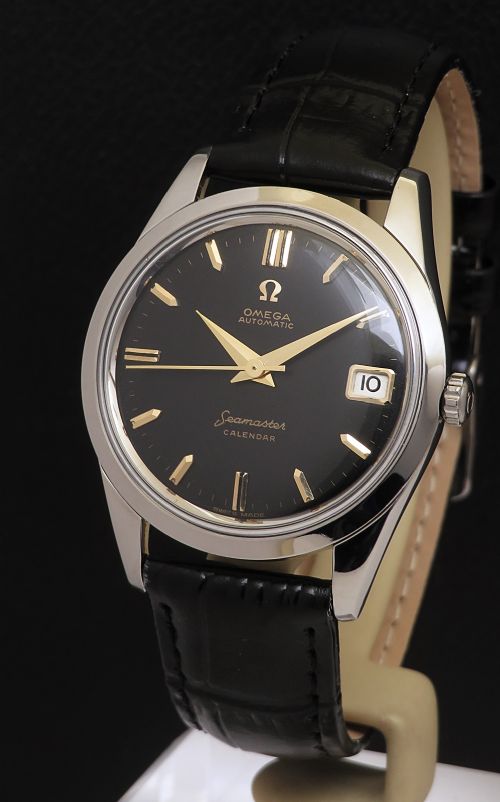
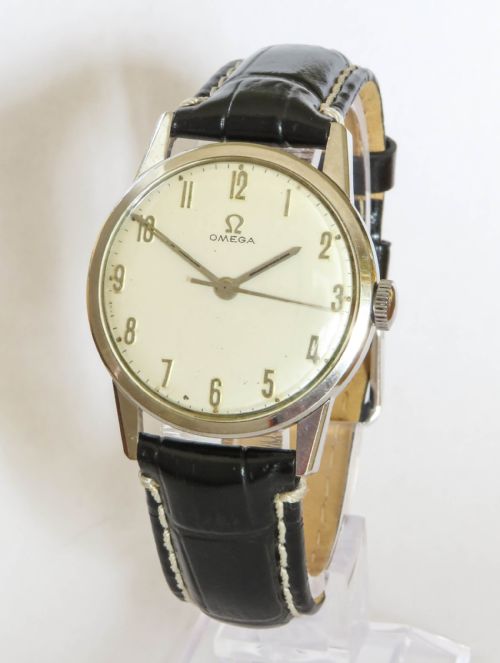
Most examples date from the nineteen-fifties and nineteen-sixties, representing post-war Swiss and British manufacturing. These period pieces typically feature slim profiles designed to slide easily beneath a shirt cuff. Forms range from simple three-hand dials to automatic calendar versions and chronometer-rated timepieces.
How they were made
Cases combine metals such as stainless steel, gold-plate and solid nine-carat or eighteen-carat gold, paired with fitted leather straps. Dials are protected by glass or acrylic crystals, often housing intricate mechanical calibres driven by springs and gears. Some models incorporate enamel details or textured finishes on the dial face.
Movements rely on manual winding or self-winding automatic rotors developed during the mid-twentieth century. Specialist workshops assembled these tiny mechanical components by hand, incorporating jewelled bearings to reduce friction in the gear train.
Some vintage automatic movements use a bumper rotor that gently taps against internal springs rather than spinning in a full circle.
What varies in quality
Quality differences depend on the grade of the movement, the preciousness of the metal case, and the original maker's reputation. Higher-tier examples utilise certified chronometer movements and solid gold construction rather than plated metals.
The degree of original preservation also separates standard pieces from exceptional ones. Surviving original boxes, papers and signed buckles elevate certain timepieces within the historical range.
Omega·Montilier·Cyma·Thomas Russell and Son·Rone·Bulova·Smiths·J W Benson·Lange and Sohne·Festina·Gruen·Eterna Matic·IWC·Roamer·Rolex·Longines·Avia·Seiko·Primula·Marvin·Tissot·Vertex·Gloriosa·Rotary·Bucherer
The Mens Mechanical Dress Watch Glossary
- Calibre
- The specific internal movement design or model number created by a watch manufacturer. This designation identifies the mechanical engine housed within the case.
- Automatic
- A self-winding mechanical movement that uses a weighted rotor to wind the mainspring using the natural motion of the wearer's wrist.
- Chronometer
- A high-precision mechanical watch that has passed rigorous accuracy tests conducted by an official testing institute.
- Acrylic
- A lightweight transparent plastic material used for watch crystals during the mid-twentieth century before sapphire crystal became standard.
- Manual wind
- A mechanical movement requiring the user to turn the crown by hand to tension the mainspring and power the watch.
Mens Mechanical Dress Watch: Frequently Asked Questions
How do I wind a manual dress watch?
Turn the crown clockwise between your thumb and forefinger until you feel gentle resistance. Stop immediately to avoid damaging the mainspring.
Wind the watch at the same time each day to maintain consistent tension and accurate timekeeping.
Are vintage dress watches waterproof?
Vintage dress watches were not built to modern water resistance standards. Seals and gaskets degrade over decades.
Keep these timepieces away from water, rain and excessive humidity to protect the delicate internal movement.
What is the difference between manual and automatic?
A manual watch requires daily hand winding via the crown. An automatic watch winds itself using an internal weighted rotor that moves as you wear it.
Both systems rely purely on mechanical springs and gears rather than electronic quartz power.
How do I read the date on vintage models?
Some mid-century dress watches include a small calendar aperture on the dial face. These display the date numerically.
Earlier models required manual setting of the hands past midnight to advance the calendar display.