

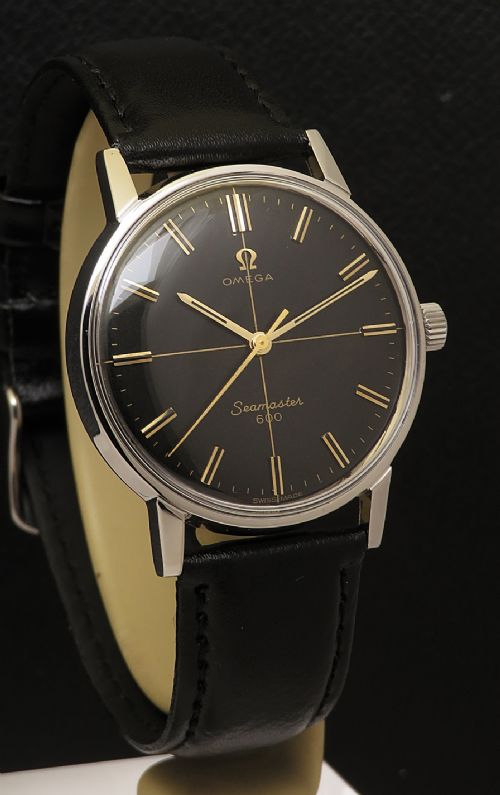
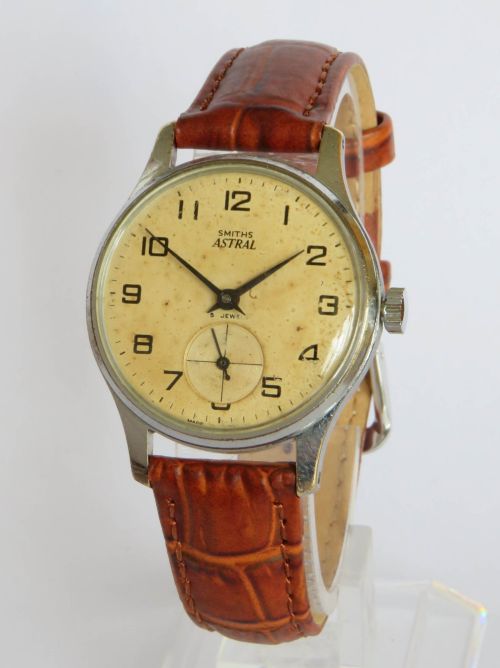
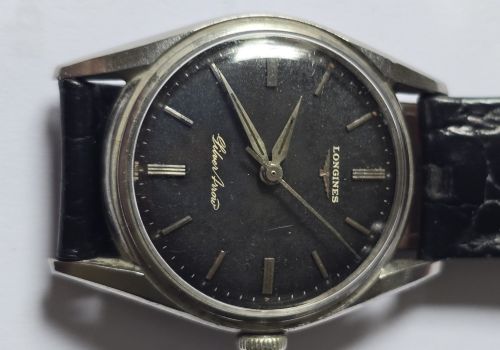
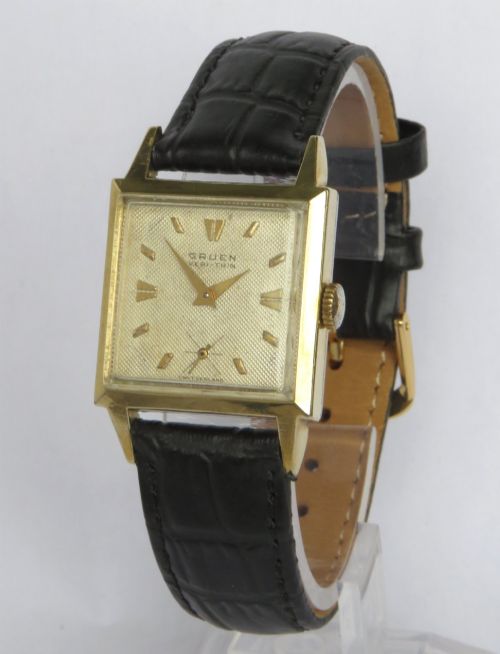
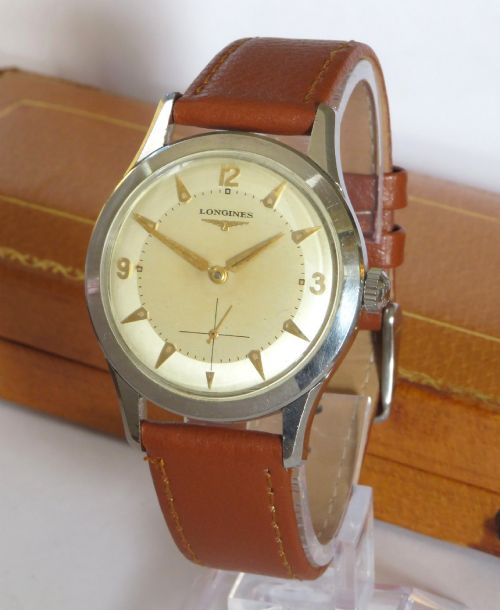
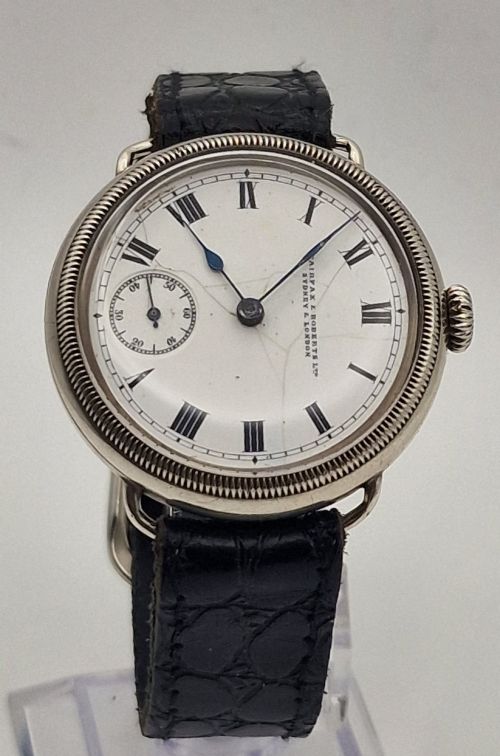
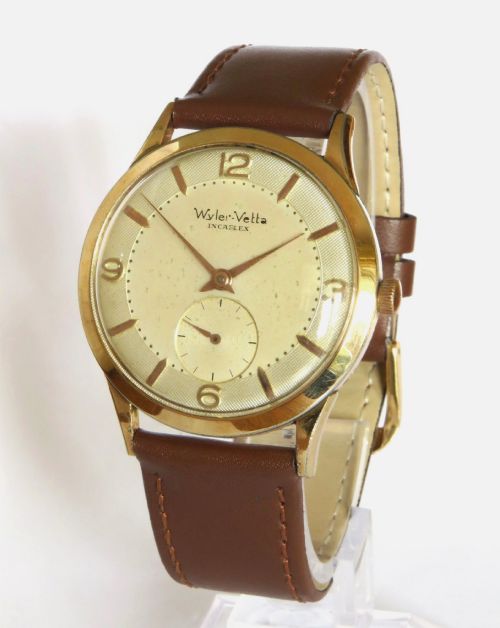
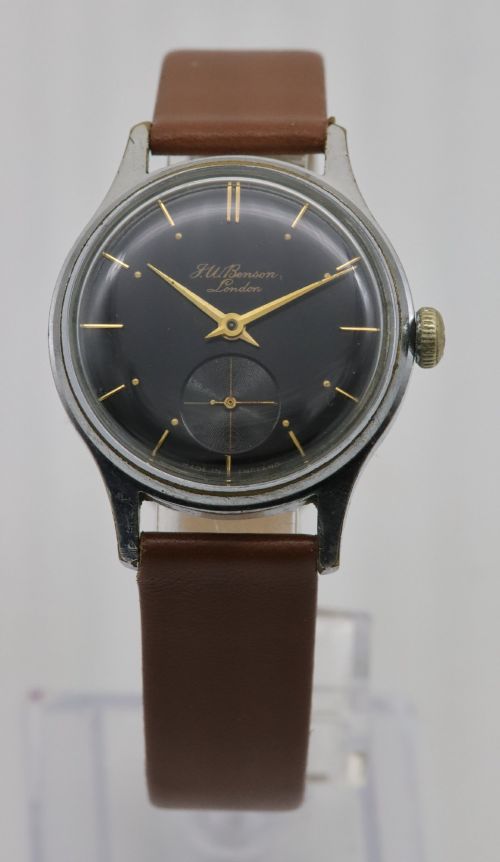
Mens Manual Watch
When hunting for a mens manual watch, you are choosing a traditional timepiece driven by a hand-wound mechanical movement rather than a battery.
Mens Manual Watch
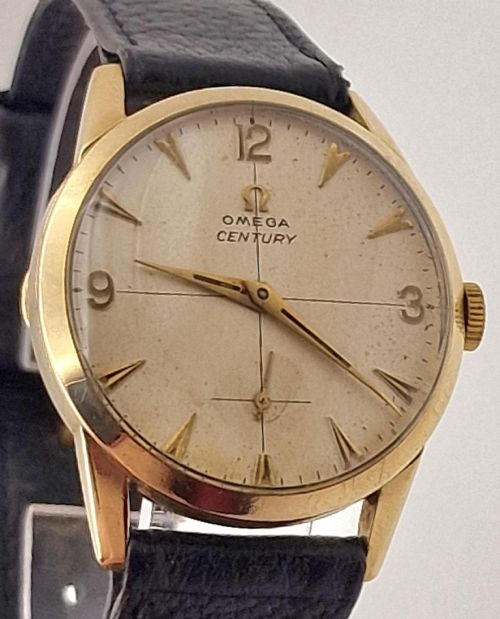
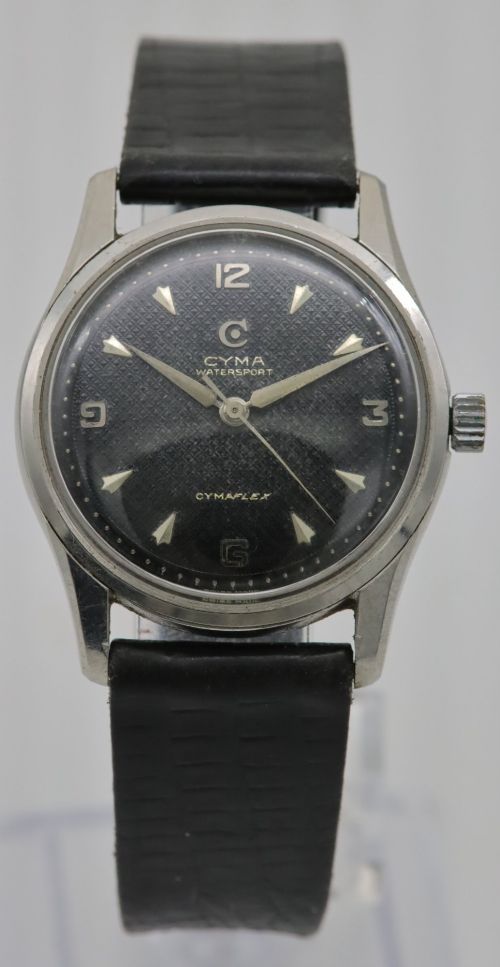
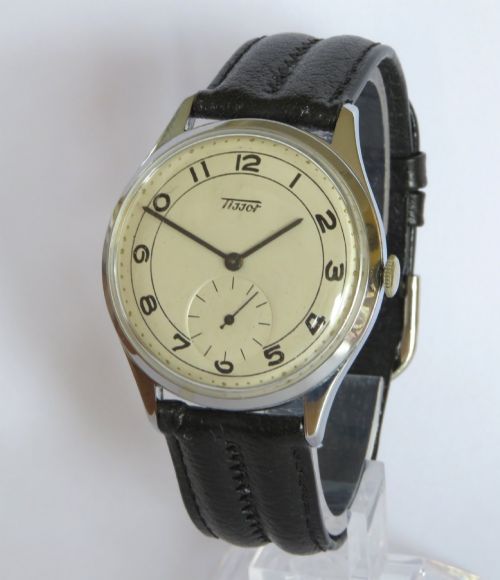
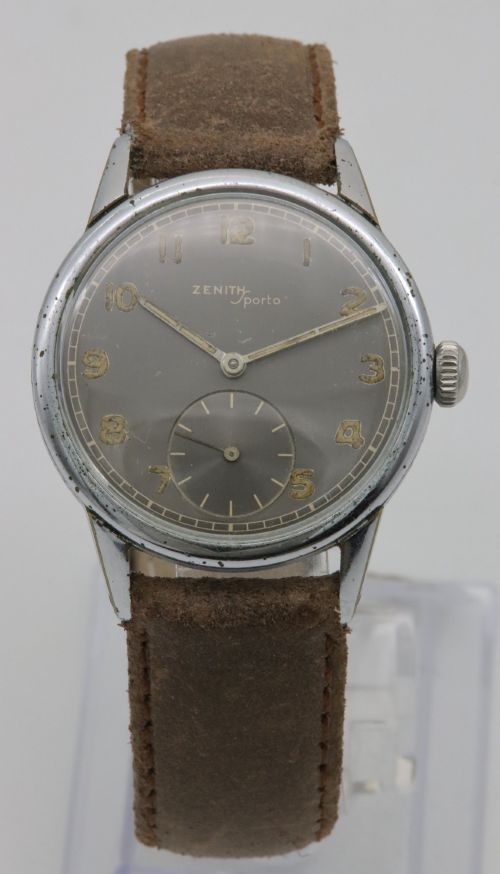
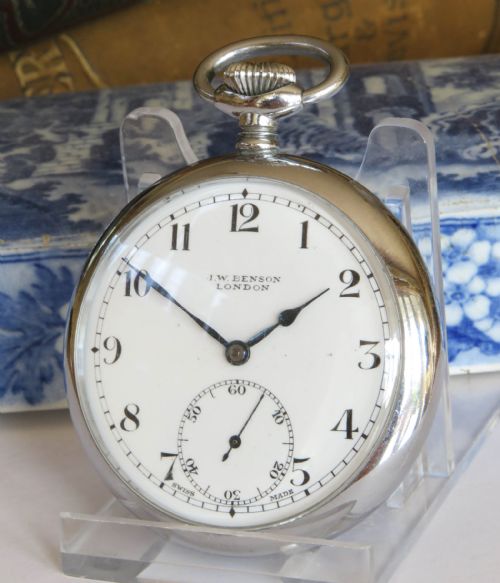
A mens manual watch is a mechanical timepiece that relies on manual winding via the crown to store energy in the mainspring. These items span decades of horological design, including pocket watches and wristwatches from the early twentieth century through to the 1970s.
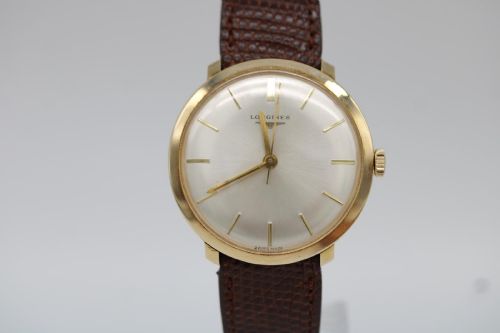
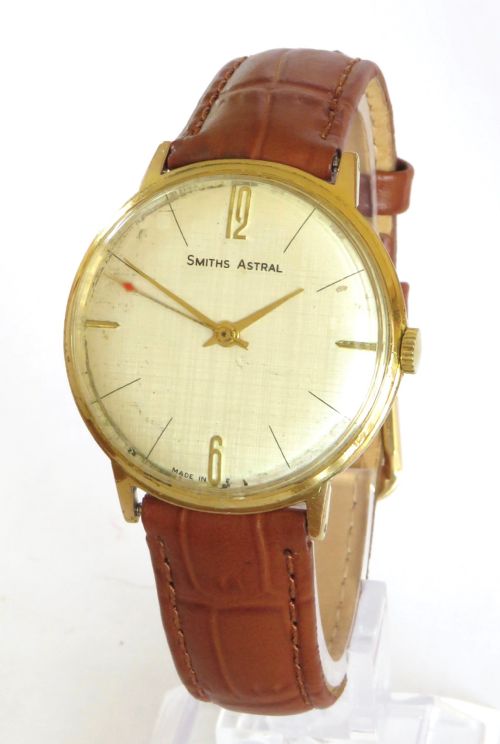
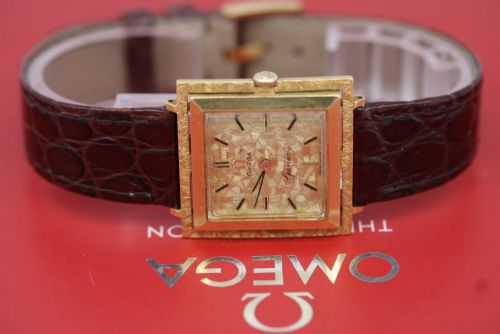
The selections available here showcase a strong representation of mid-century Swiss engineering alongside British and international makers. Wristwatches predominate, accompanied by occasional pocket watches housed in silver, gold plate, or solid gold cases.
Forms range from classic round dress watches and tank shapes to complex chronographs and drivers' editions. Buyers searching for a mens manual watch will encounter dials featuring Arabic numerals, baton markers, and specialist scales.
How they were made
Cases are formed from durable materials such as stainless steel, gold plate, 9ct gold, and silver, paired with protective crystal or acrylic glass over the dial. Leather straps provide the standard mounting for wristwatches, while pocket watches connect via metal chains.
Internal mechanisms rely on intricate Swiss and British mechanical movements, such as manual wind calibres featuring jewelled pivots to reduce friction. Dials are often finished with enamel details, printed minute tracks, and applied metal markers.
Mens Manual Watch Retail Price Guide 2026
Typical asking prices for mens manual watch among the pieces listed under this phrase on Sellingantiques today, from the lower quarter to the upper quarter. They describe what is for sale here now, not the wider market.
Materials utilised across these timepieces include stainless steel, acrylic glass, enamel, and solid 9ct gold.
What varies in quality
The distinction between tiers rests upon the execution of the movement, the integrity of the case material, and the originality of the dial. Pieces featuring solid 9ct gold or 18ct yellow gold cases stand apart from gold-plated or stainless steel alternatives.
Higher quality examples retain factory-original dials, matching hands, and signed mechanical movements by renowned makers rather than replacement components. The inclusion of original boxes, papers, or specific calibre numbers elevates the horological interest of a piece.
Longines·Omega·Marvin·International Watch Company·J W Benson·Cyma·Antoremi·Seiko·Enicar·Rolex·Certina
The Mens Manual Watch Glossary
- Calibre
- The specific internal movement design and model number created by a watchmaker. This identifier helps historians and collectors trace the exact mechanical lineage of the piece.
- Chronograph
- A watch equipped with a stopwatch function alongside standard timekeeping displays. These dials often include auxiliary sub-dials for measuring elapsed seconds and minutes.
- Manual Wind
- A mechanical movement powered by hand rather than an automatic rotor or battery. The wearer must turn the crown regularly to tension the mainspring.
- Tank Watch
- A rectangular wristwatch style characterised by vertical case sides that extend to form the attachment points for the strap. The geometry draws inspiration from military tank treads.
- New Old Stock
- Unsold vintage merchandise preserved in original condition from its period of manufacture. These items typically show minimal wear due to long-term storage.
Mens Manual Watch: Frequently Asked Questions
How often should I wind a manual watch?
Most manual mechanical timepieces require winding once every twenty-four to forty-eight hours to maintain continuous operation. It is best to wind the watch at a consistent time each day until gentle resistance is felt.
Avoid overwinding the crown, as forcing the spring past its limit can damage the internal gearing. Establishing a daily routine keeps the oils distributed and the movement running accurately.
Are these watches waterproof?
Vintage manual watches generally lack the modern gasket systems and screw-down crowns required for reliable water resistance. Exposure to moisture, rain, or humidity can easily compromise the delicate internal metal components and dial.
Keep these timepieces away from water entirely, removing them before swimming, bathing, or washing hands. If moisture enters the crystal, prompt professional servicing is required to prevent rust.
Can I wear a vintage watch daily?
Daily wear is entirely possible provided the watch has been recently serviced and handled with reasonable care. Routine maintenance ensures that the lubricants remain effective and the mechanical parts experience minimal wear during use.
Due to their age and lack of modern shock protection, it is sensible to remove them during heavy manual labour or strenuous sports. Storing them safely at night preserves their condition for years to come.