
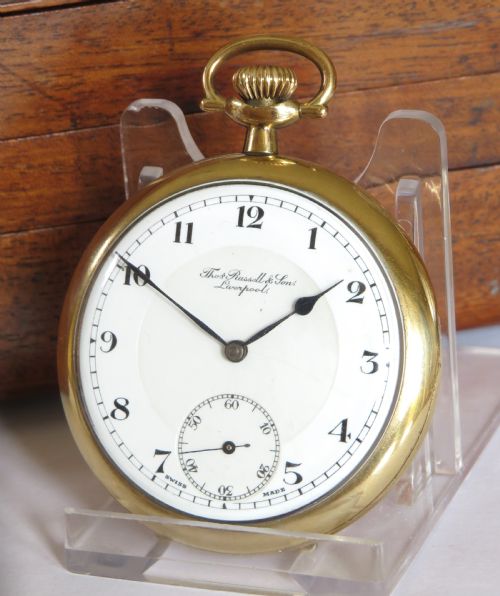
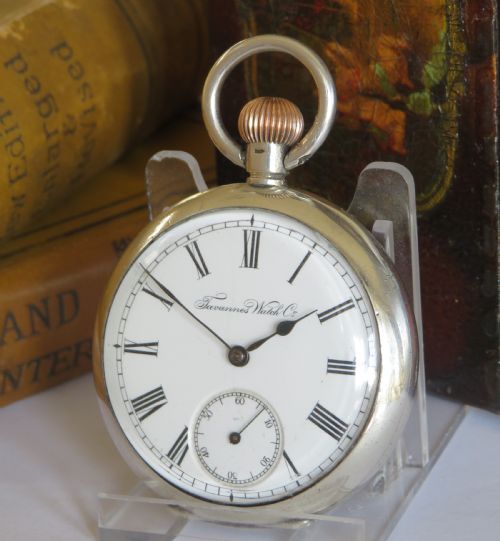
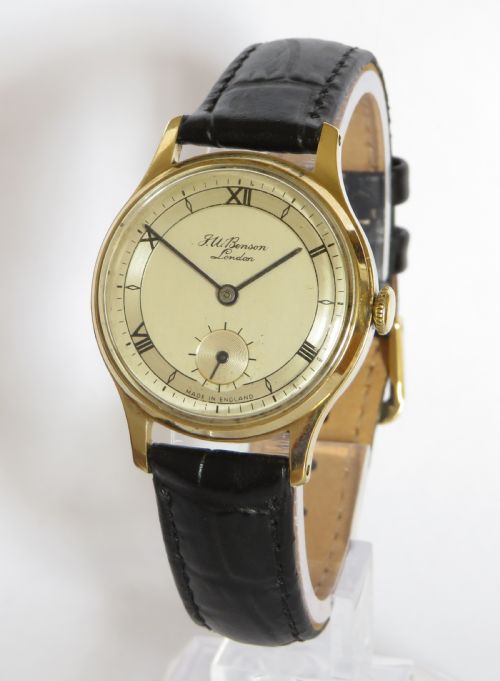
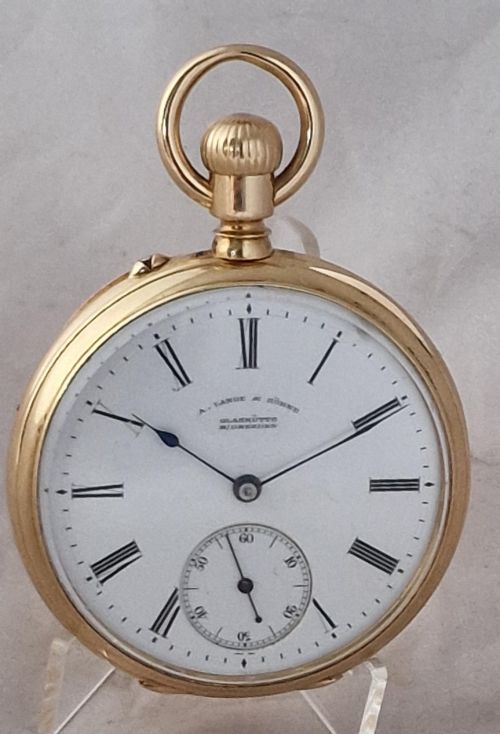
Mens Gold Timepiece
A mens gold timepiece is a portable instrument for telling time, combining precision engineering with precious metal casing.
Mens Gold Timepiece
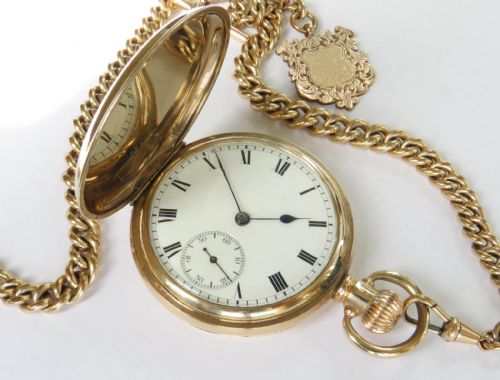
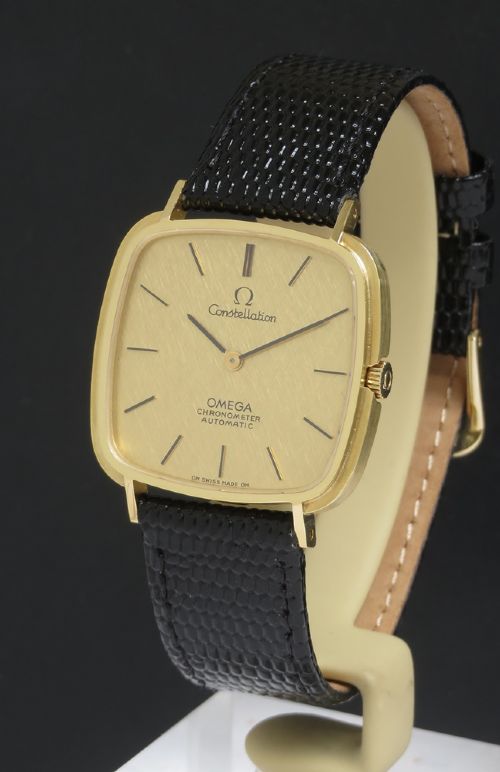
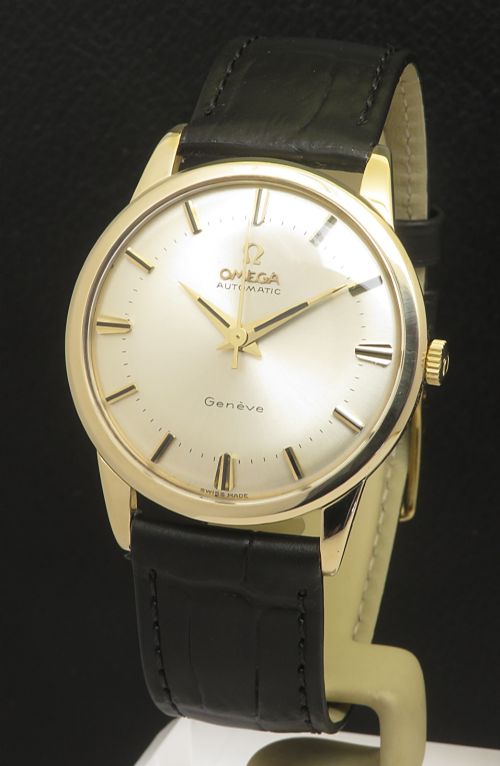
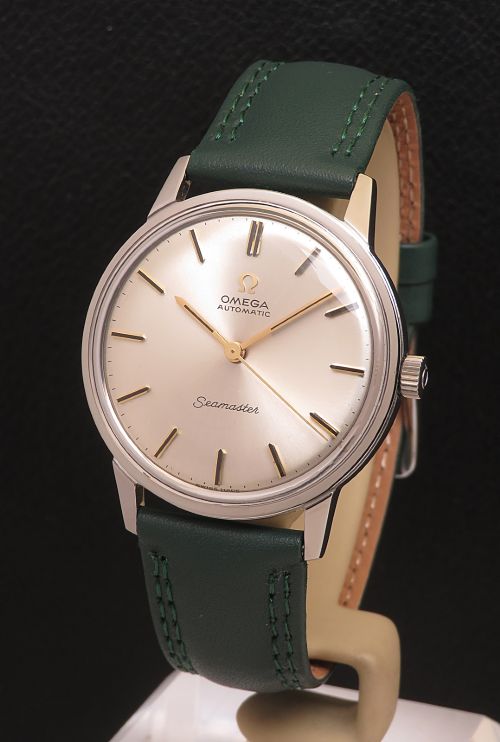
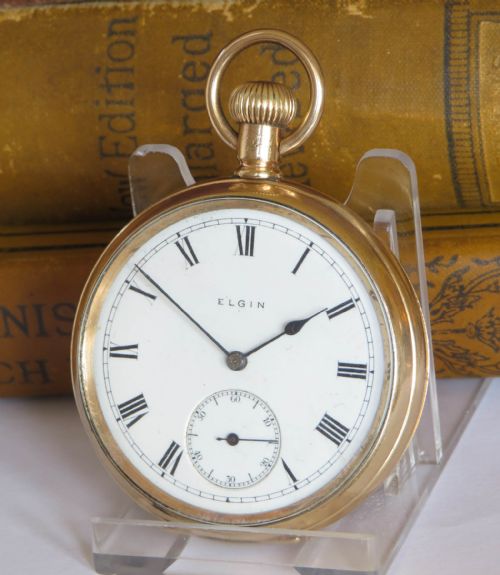
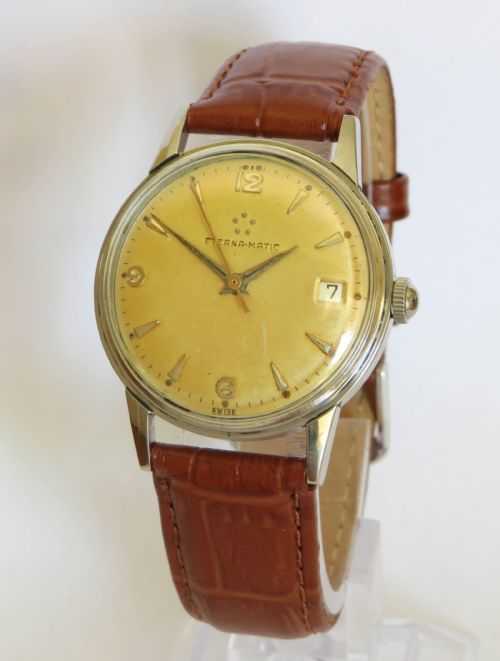
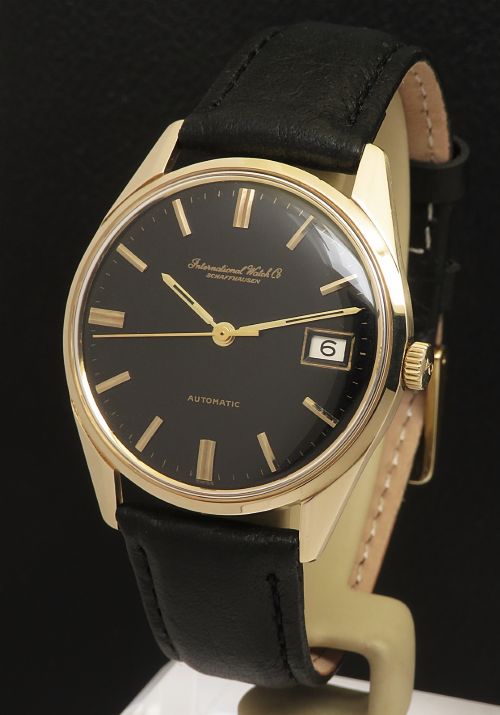
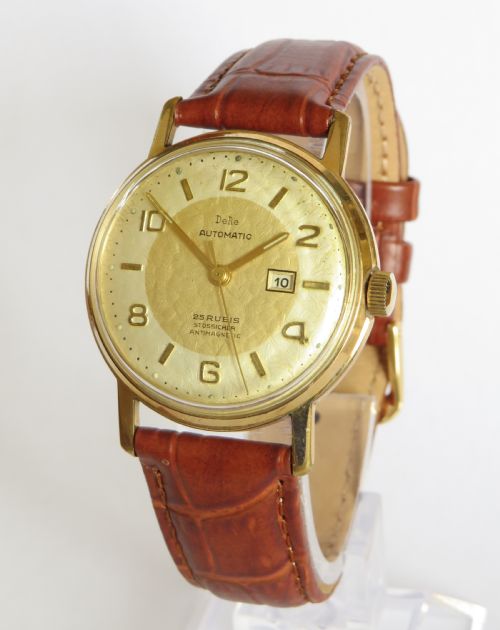
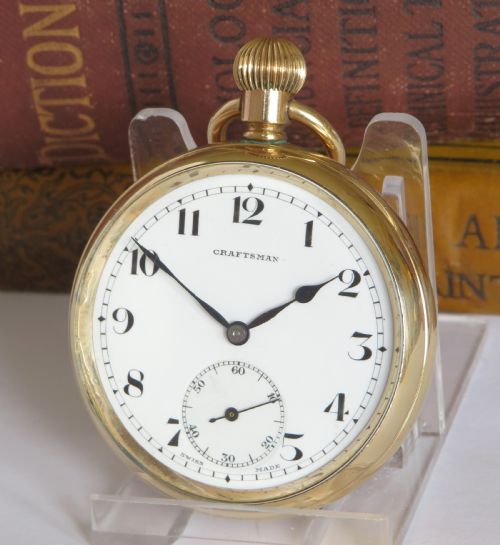
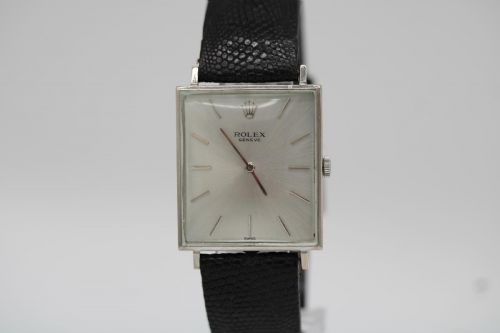
A mens gold timepiece encompasses both pocket watches and wristwatches produced across the Victorian, Edwardian, Art Deco, and Mid-Century Modern periods. These instruments serve as functional accessories shaped by changing horological fashions and engineering advancements.
Materials and Construction
Cases utilise solid 9ct gold, 18ct gold, and gold plate, paired with glass crystals and leather straps. Internal mechanisms consist of metal movements driven by manual wind or automatic winding systems.
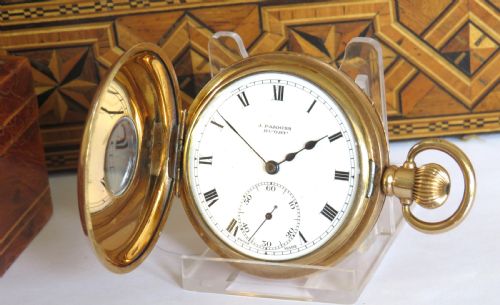
Dials incorporate enamel finishes and applied markers, while pocket watch designs often include protective hinged covers such as full hunter or half hunter configurations.
The listings span eight decades, featuring materials ranging from solid 9ct gold and gold plate to stainless steel and glass.
Factors of Distinction
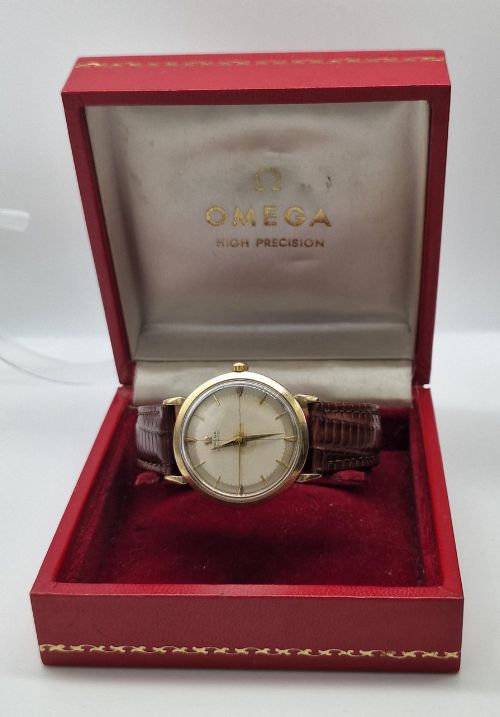
The standard of a timepiece rests on the preservation of its original components, including dials, hands, and signed movements. Original boxes and documentation elevate an example by confirming its provenance.
Casework execution and mechanical complexity also divide examples, with chronometer-grade movements representing superior horological achievement compared to standard commercial calibres.
Waltham·Omega·Thomas Russell And Son·Tavannes·Lange And Sohne·Elgin·Eterna Matic·IWC·DeRe·Revue·Rolex·Bulova Accutron·Bucherer·Avia·Kays·Globe Watch Co·Primula·Marvin Hermetic·Gloriosa·Wittnauer·Dogma Prima·Limit·Certina·Zenith
The Mens Gold Timepiece Glossary
- Chronometer
- A precision watch that has been tested and certified to meet high standards of accuracy over various temperatures and positions.
- Automatic
- A self-winding mechanical movement that uses the natural motion of the wearer's wrist to keep the mainspring wound.
- Full hunter
- A pocket watch featuring a spring-loaded metal cover that protects the glass dial from scratches and impacts.
- Calibre
- The specific manufacturer's designation for a particular watch movement design and size.
Mens Gold Timepiece: Frequently Asked Questions
How do I wind a vintage watch?
Manual wind watches require turning the crown clockwise until firm resistance is felt, taking care not to overwind the mainspring.
Automatic models rely on wrist movement, though gentle manual priming helps start the mechanism if it has been stationary for some time.
What is the difference between a hunter and open face pocket watch?
A hunter pocket watch includes a hinged metal lid that covers and protects the glass dial, released via a push button on the crown.
An open face watch leaves the dial exposed at all times for immediate reading without opening a cover.
Can I wear a vintage gold watch daily?
Many mid-century wristwatches are robust enough for regular wear provided they receive routine servicing by a qualified horologist.
Older pieces from the Victorian and Edwardian eras require greater care and protection from moisture and sharp impacts.
How do I identify the production year?
Watch movements and case interiors often feature serial numbers that can be cross-referenced with manufacturer records to determine the exact manufacturing decade.
Stylistic cues such as dial typography, hand shapes, and case proportions also point toward specific periods like the nineteen-thirties or sixties.