



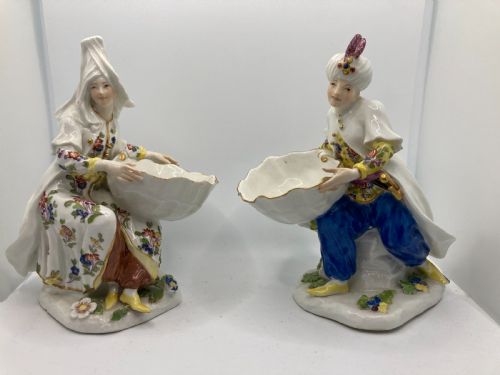
Meissen Figures Pair
These meissen figures pair selections bring character and history to any interior, combining delicate craftsmanship with enduring decorative appeal.
Meissen Figures Pair
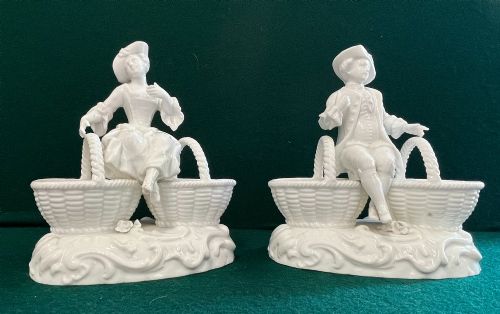
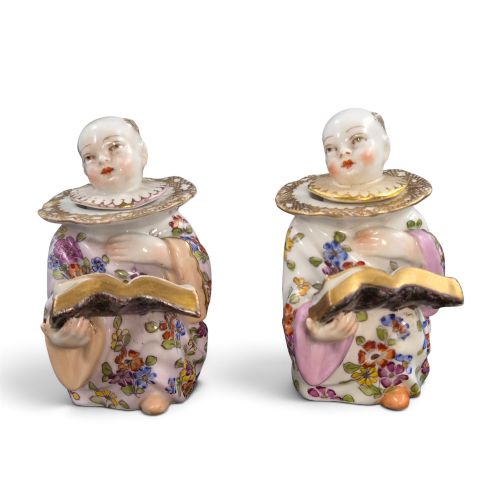
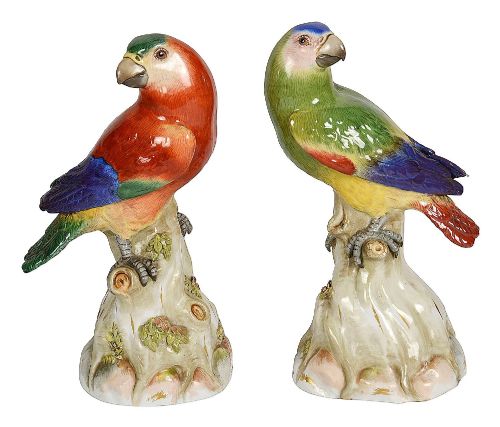
A meissen figures pair comprises matched porcelain groupings created in Germany, appearing in forms such as birds, human figures, and allegorical subjects. These items emerge from the 18th century and the 19th century, featuring styles spanning Rococo, Neoclassical, and Chinoiserie.
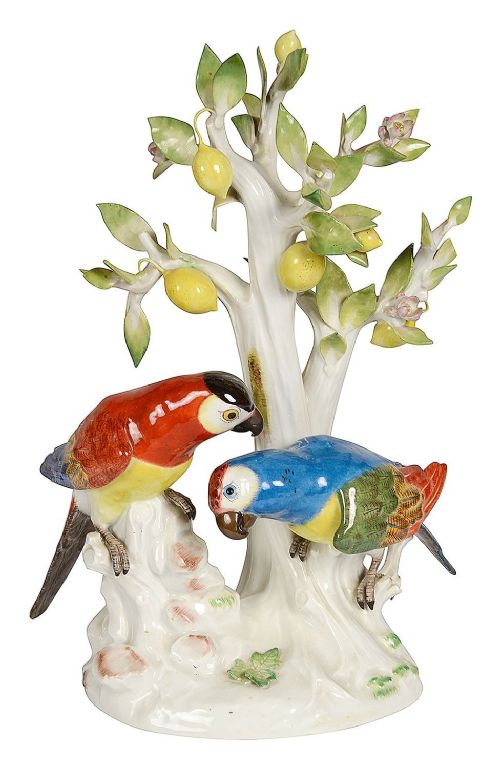
Buyers most frequently encounter 19th-century interpretations alongside earlier 18th-century models on this page. Common configurations include parrots, parrots under lemon trees, singing boy figural inkwells, and romantic groups.
The assortment extends to specialised decorative pieces like nodding pagodas, candelabra mounts, and sweetmeat bowl holders. Such works demonstrate the breadth of porcelain production through successive centuries.
Quality variations
Preservation of the delicate porcelain petals, leaves, and gilt accents heavily influences overall standard. The integration of complex elements, such as ormolu candelabra or intricate tree branches, reveals the maker's technical capability.
Meissen Figures Pair Retail Price Guide 2026
Typical asking prices for meissen figures pair among the pieces listed under this phrase on Sellingantiques today, from the lower quarter to the upper quarter. They describe what is for sale here now, not the wider market.
Listings feature hard-paste porcelain and glazed ceramic objects spanning the 18th century to the end of the 19th century.
Edmé Samson·Helena Wolfsohn·Sitzendorf
The Meissen Figures Pair Glossary
- Hard-paste porcelain
- A durable ceramic composition fired at high temperatures, invented in Europe during the early 18th century. This material forms the sturdy base for Meissen figurines.
- Overglaze enamel
- Pigments applied over the fired glaze and subjected to a second, lower temperature kiln firing. This technique produces vibrant surface colours on porcelain figures.
- Bouquetiere
- A decorative vessel or figure designed to hold small flower arrangements. These pieces often feature perforated sections for stems.
- Sweetmeat bowl
- A small dish intended for serving confectionery or dried fruits. Meissen figures occasionally hold these bowls as part of their modelled design.
- Ormolu
- Gilded bronze used for decorative mounts and furniture ornamentation. In certain pieces, porcelain figures are seated within these metal frames.
Meissen Figures Pair: Frequently Asked Questions
How do I identify genuine 18th century pieces?
Examination of the paste, modelling style, and hand-painted enamel characteristics helps distinguish earlier periods. Experts look at the specific pigment tones and application methods typical of the 1700s.
Comparing known factory models and documented numbers provides further context for dating. Subtle variations in the hard-paste porcelain body also assist in period identification.
Where should I display porcelain figures?
These decorative objects require stable display surfaces away from heavy foot traffic and direct sunlight. Enclosed cabinets protect delicate extremities and painted surfaces from accidental damage.
Placement should consider the height of the shelf to appreciate the intricate details of bird and human groupings. Adequate lighting enhances the overglaze enamel colours without exposing the ceramic to thermal stress.
What subjects are most common?
Exotic birds such as parrots, cockatoos, and hoopoes frequently appear in matched pairs. Human figures depicting gardeners, lovers, musicians, and street vendors also represent standard subjects.
More elaborate groupings include mythological themes and figures holding sweetmeat bowls. Chinoiserie subjects like nodding pagodas offer an alternative aesthetic from the same production traditions.
How are paired figures constructed?
Makers design matching pieces as complementary counterparts rather than identical duplicates. Each figure in the pair balances the posture, palette, and composition of the other.
Complex pairings might incorporate natural elements like lemon trees or architectural supports to unify the set. The modelling ensures the two pieces relate visually when placed together on a table or mantel.