


Meiji Porcelain Statue
A meiji porcelain statue brings sculptural presence into a room through intricate Japanese kiln work.
Meiji Porcelain Statue
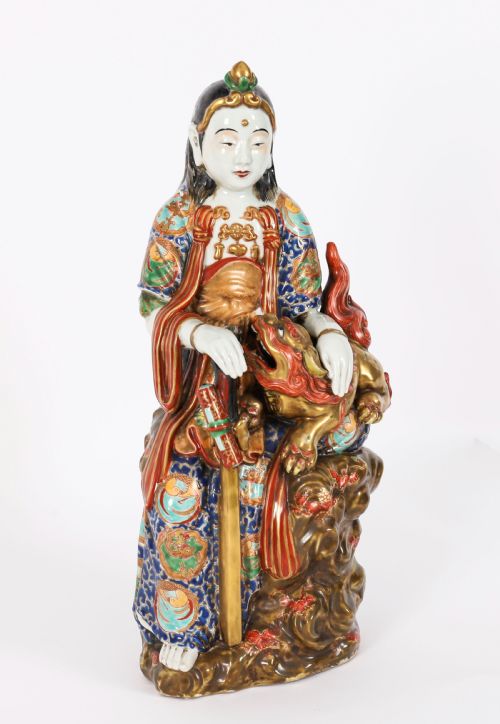
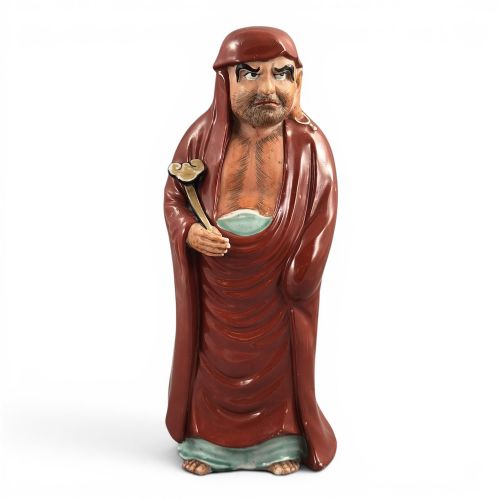
When you search for a meiji porcelain statue, you encounter sculptural figures originating from Japan during the nineteenth and early twentieth centuries. These works take the form of figures and sculptures depicting deities, figures, animals, and mythological subjects.
The most common versions met on this page include Kutani and Satsuma figures, alongside Hirado and Imari pieces. Subjects range from Buddhist deities such as Kannon and Guanyin to secular figures like the geisha, alongside animals including guardian lions and ducks.
These items span periods from the mid-nineteenth century through the Edwardian era and the early twentieth century. Each piece reflects the sculptural output of kilns operating during the Meiji period and transitional Edo eras.
Markers of Quality
Quality separates through the precision of the modelling and the control of the kiln firing. Finer examples display crisp details in facial expressions, drapery, and animal musculature.
The application of enamels, cobalt underglaze, and gold leaf dictates visual depth. Pieces with refined brushwork and balanced compositions stand apart from simpler commercial output.
Mandarin ducks carved as okimono bring a quiet, web-footed dignity to nineteenth-century porcelain shelves.
Makuzu Kozan II·Mikawachi Kilns
The Meiji Porcelain Statue Glossary
- Okimono
- A Japanese ornamental statue or sculpture designed for display on a shelf or in a tokonoma alcove. These decorative figures range from deities to animals.
- Kutani
- A style of Japanese porcelain known for vibrant colour palettes, particularly reds and greens, often enriched with gold. Kilns in the Kutani region produced numerous figural works.
- Satsuma
- Earthenware and porcelain ware featuring a fine crackle glaze decorated with polychrome enamels and gilding. Imperial Satsuma pieces often depict figures and deities.
- Moriage
- A decorative ceramic technique using piped clay slip to create raised surface patterns. This method adds texture and dimension to the finished figurine.
- Guanyin
- An East Asian bodhisattva associated with compassion, frequently rendered in porcelain sculpture. These Buddhist figures display serene facial expressions and elaborate robes.
Meiji Porcelain Statue: Frequently Asked Questions
How were these figures used?
These sculptures served primarily as decorative display items within domestic and interior settings. They occupied prominent positions on furniture and in alcoves.
Collectors and households valued them for their artistic representation of traditional folklore, religion, and daily life.
How do I identify a Meiji period piece?
Identification relies on stylistic markers, materials, and kiln characteristics associated with late nineteenth and early twentieth-century Japanese production. Subject matter often includes specific deities or traditional figures.
Glaze types, such as cobalt underglaze or crackled Satsuma finishes, provide further chronological clues.
Where were these statues made?
Production took place across various regional kiln centres in Japan during the Meiji era and transitional periods. Kutani, Hirado, and Satsuma are among the prominent origins.
Each region maintained distinct approaches to clay preparation, glazing, and enamel decoration.