


Meiji Period Vessel
A meiji period vessel brings together the intricate metalwork, ceramics, and enamels of late nineteenth and early twentieth century Japan.
Meiji Period Vessel
A meiji period vessel encompasses a wide array of decorative objects including vases, incense burners, ginger jars, and jardinières originating from Japan between eighteen sixty-eight and nineteen twelve. Collectors searching this phrase encounter diverse ceramic traditions alongside metalwork containers intended for display or ritual use.
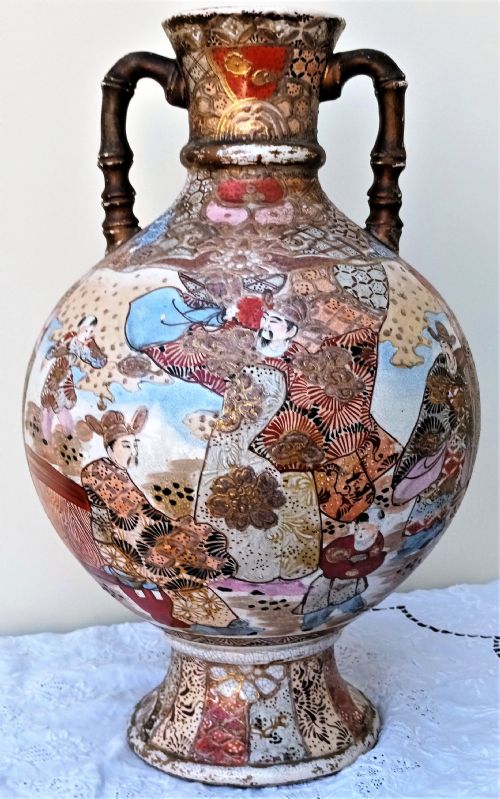
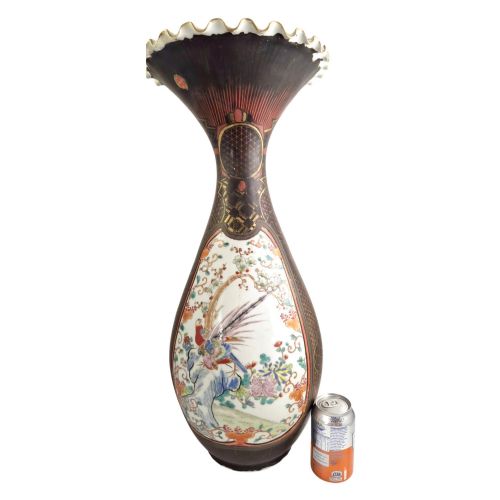
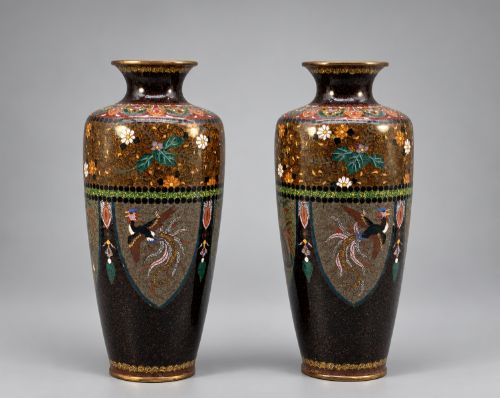
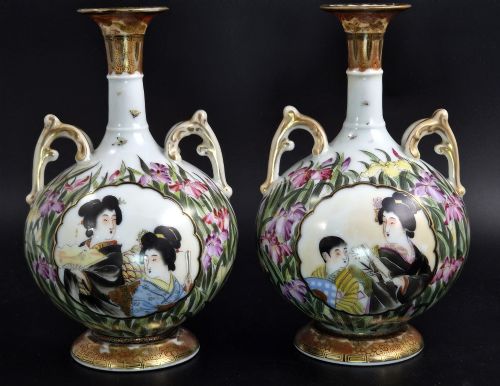
The most common examples on this page are porcelain and earthenware vases decorated with intricate enamel patterns, followed closely by bronze urns and cloisonné pieces. These items range from small cabinet pieces to large floor-standing containers created during a period of intense artistic output and international export.
How they were made
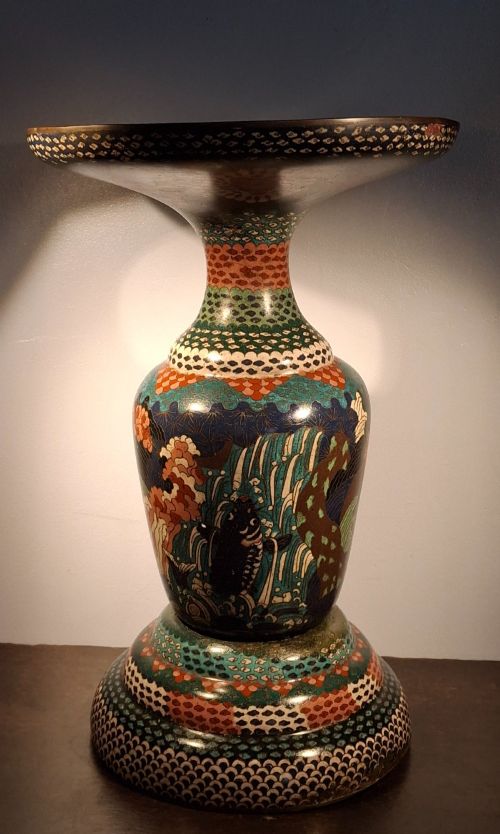
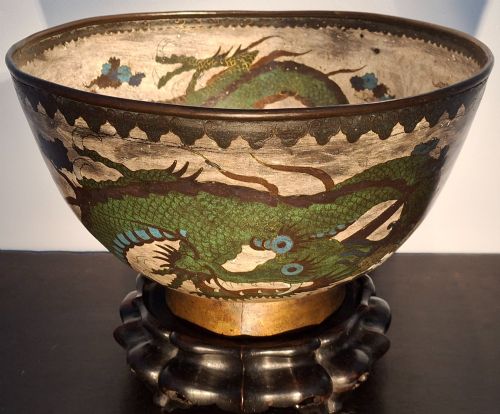
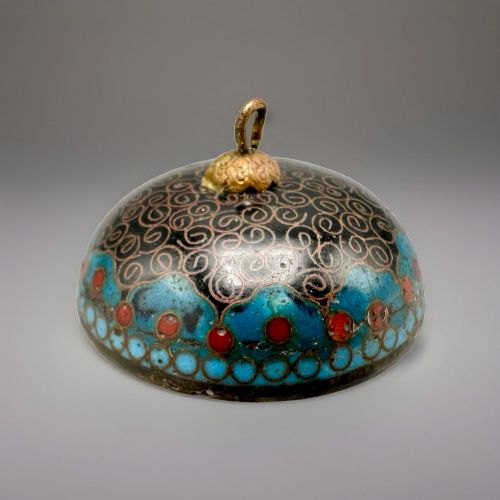
Makers utilised traditional techniques involving bronze casting, hand-thrown porcelain, and earthenware shaping, often incorporating applied details such as gold leaf and copper wire. Cloisonné enamel involves soldering fine metal strips onto a metal base to form cells which are then filled with coloured paste and fired.
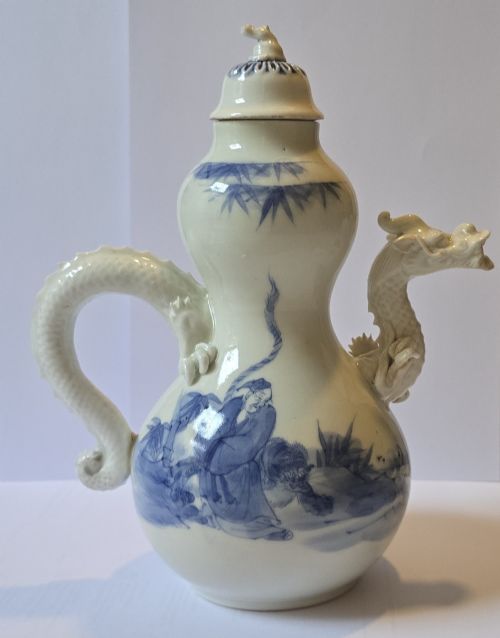
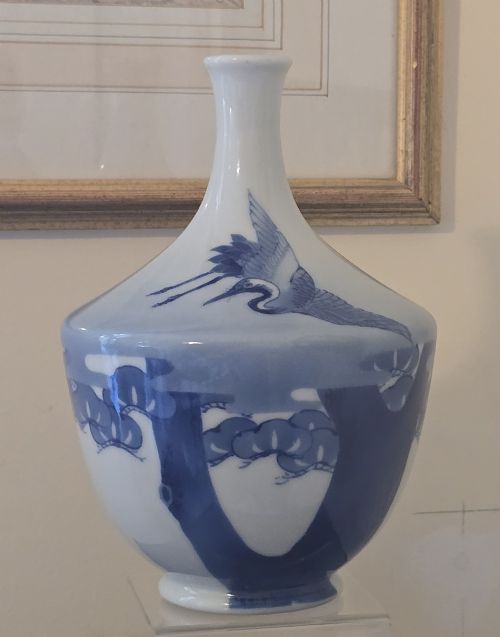
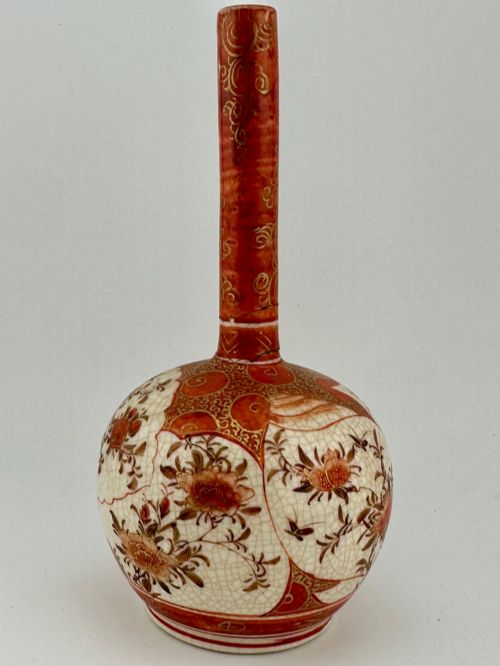
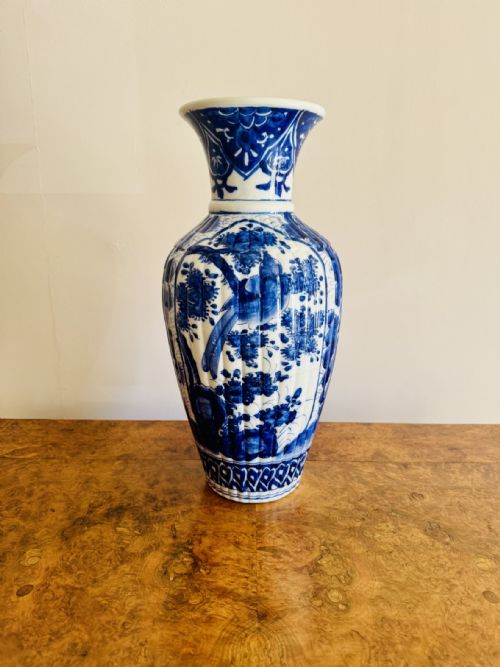
Ceramic vessels frequently combine underglaze blue painting with overglaze enamels and gilt highlights, particularly seen in Kutani and Satsuma wares. Bronze items demonstrate advanced casting methods alongside delicate surface inlay and patination.
Meiji Period Vessel Retail Price Guide 2026
Typical asking prices for meiji period vessel among the pieces listed under this phrase on Sellingantiques today, from the lower quarter to the upper quarter. They describe what is for sale here now, not the wider market.
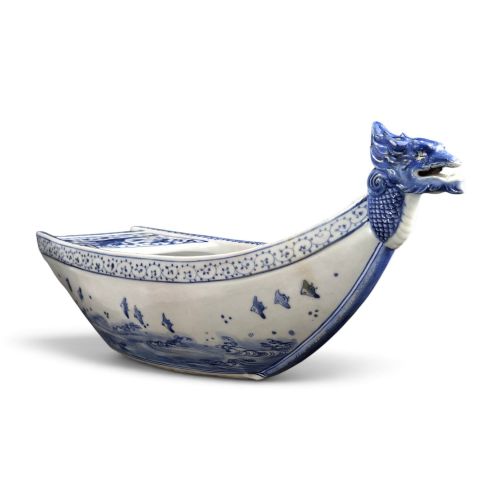
Look closely at the dragon-head ship vessels, where mythical beasts double as sturdy watercraft for the imagination.
What varies in quality
Quality rests upon the precision of the execution, from the evenness of enamel cells in cloisonné to the clarity and detail of hand-painted motifs on porcelain and earthenware. Superior pieces display masterly control over kiln temperatures and glaze flow, resulting in crisp outlines and rich, uniform colours.
The reputation of the workshop or individual maker heavily influences the standing of a piece, with signed examples by noted artisans commanding greater attention. The intricacy of the subject matter, such as multi-figure scenes or complex dragon designs, further separates standard production wares from exceptional output.
Tsukamoto Hikokichi·Takasaka Toemon·KANASAWA·Kizan·Ban-ni·Kinkozan·Hotoda·Kozan·Fukagawa
The Meiji Period Vessel Glossary
- Cloisonne
- Enamelwork created by soldering metal wires to a base to form compartments filled with paste and fired. This technique produces intricate geometric and pictorial designs across metal surfaces.
- Koro
- A traditional Japanese incense burner typically featuring a lidded bowl supported by legs. These pieces often incorporate symbolic animal figures on the cover or feet.
- Satsuma
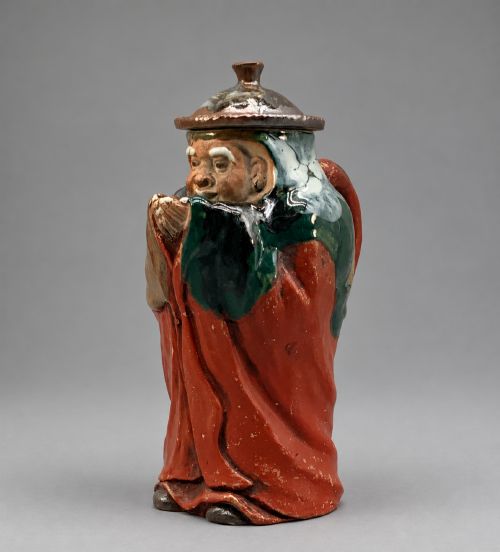
- A type of Japanese earthenware characterised by a ivory-coloured, crackled glaze. It is usually richly decorated with polychrome enamels and gilt.
- Imari
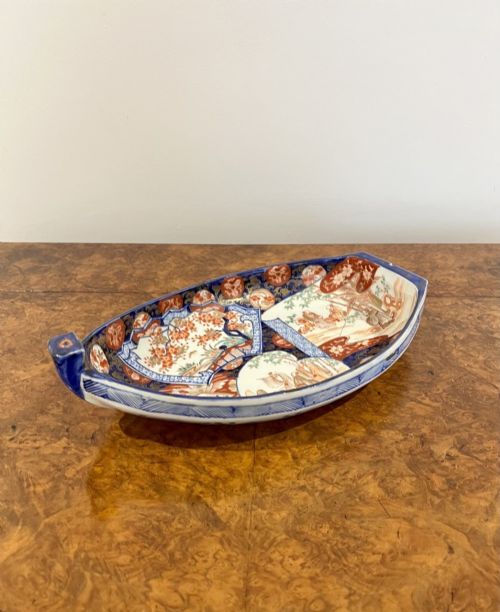
- A style of Japanese export porcelain featuring a distinctive palette of underglaze blue, iron red, and gold. The designs typically display dense floral and brocade patterns.
- Jardiniere
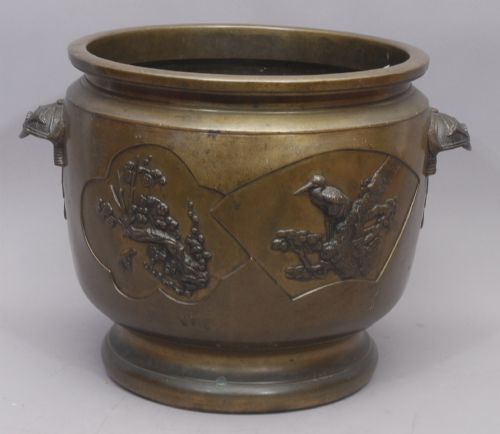
- A decorative ceramic or metal container designed to hold a plant or flower arrangement. These substantial vessels often feature prominent handles or relief decoration.
Meiji Period Vessel: Frequently Asked Questions
What is a meiji period vessel?
A meiji period vessel is a decorative or functional container made in Japan during the rule of the Emperor Meiji between eighteen sixty-eight and nineteen twelve. These items include bronze vases, cloisonné jars, and ceramic pots created for both domestic use and the export market.
They reflect a time of rapid industrial and artistic development where traditional craftsmanship met international demand. The category covers a broad spectrum of materials, from fine porcelain to heavy cast bronze.
Were these vessels used in homes?
Many of these vessels served specific domestic functions such as holding flower arrangements, burning incense, or storing tea. Incense burners were placed in living spaces for fragrance, while larger jars and vases decorated alcoves and reception rooms.
Others were created primarily as ornamental display pieces for Western households eager to collect Japanese art. Their intricate designs made them central decorative elements in late nineteenth-century interiors.
How can I tell Kutani from Imari porcelain?
Kutani porcelain is defined by its bold use of iron red and thick gilding, often depicting pictorial scenes with birds, figures, or natural landscapes. The palette is frequently earthy and dominated by rich reds, greens, and purples.
Imari porcelain relies on a strict combination of deep underglaze blue and iron red, supplemented by gold highlights on a stark white body. The patterns are usually symmetrical and geometric, focusing on floral and brocade motifs rather than narrative scenes.