



Meiji Period Lion
A meiji period lion brings dynamic Japanese artistry into a room, capturing the fierce spirit of the guardian beast in porcelain, bronze, and earthenware.
Meiji Period Lion
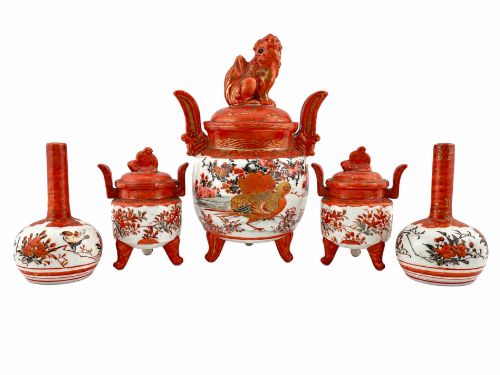
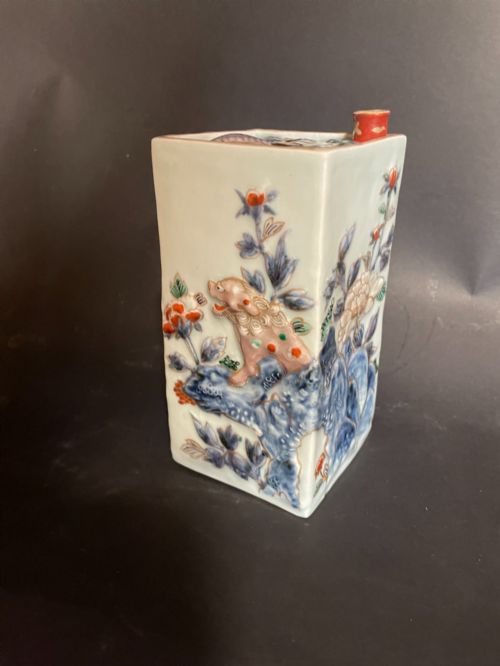
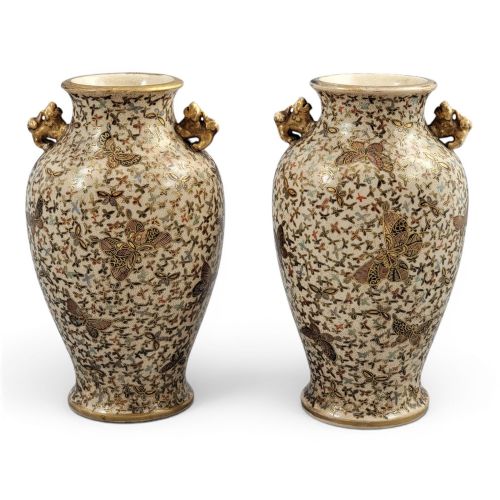
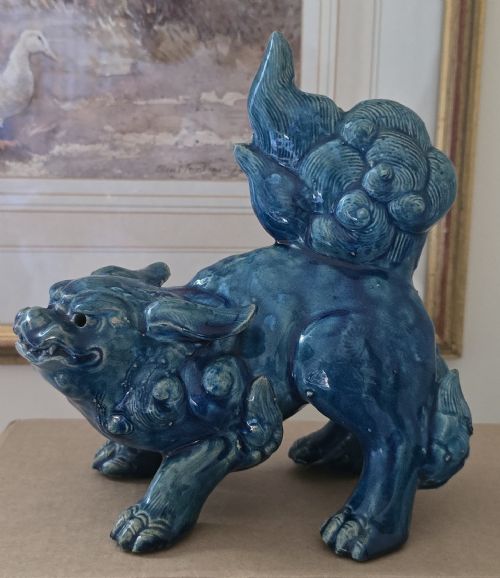
A meiji period lion takes the form of ceramic sculptures, decorative figurines, and incense burners created during the late nineteenth and early twentieth centuries. These figures draw upon traditional Buddhist iconography, portraying guardian lion dogs known variously as shishi or karashishi.
The pieces on this page span the nineteenth century and extend into the early decades of the twentieth, reflecting the diverse production centres of Japan. Sculptural interpretations appear alongside vessel handles and decorative garnitures, showing the creature integrated into both standalone figures and functional ceramic forms.
Makers utilised distinct regional styles, producing works in Kutani, Satsuma, Bizen, and Hirado traditions. Each regional approach imparts a specific character to the lion, ranging from glazed porcelain finishes to earthy, unglazed earthenware.
Factors of Quality
Quality rests in the precision of the modelling and the crispness of the surface detail, whether in the rendered fur of a ceramic shishi or the chased musculature of a bronze crouching lion. Finer examples display meticulous attention to anatomical posture and facial ferocity.
The refinement of the glazing and enamel work separates standard production from superior pieces. Controlled overglaze painting, precise application of gold leaf, and intricate moriage relief elevate the visual impact of the object.
Meiji Period Lion Retail Price Guide 2026
Typical asking prices for meiji period lion among the pieces listed under this phrase on Sellingantiques today, from the lower quarter to the upper quarter. They describe what is for sale here now, not the wider market.
Several lion figures keep watch with one paw planted firmly on a decorative ball, ready to pounce on bad luck.
Kinzan·Seiunsai Miyamoto Sei·Unno Shomin
The Meiji Period Lion Glossary
- Shishi
- A mythical guardian lion or lion dog derived from Chinese tradition and adopted into Japanese art. These figures often appear with one paw resting on a ball or guarding sacred thresholds.
- Koro
- A traditional Japanese incense burner, typically fitted with a pierced lid to allow scented smoke to escape. They frequently feature lion finials or handles.
- Moriage
- A ceramic technique where slip is piped onto the clay body to create raised, three-dimensional decorative patterns before firing and glazing. This adds tactile depth to vases and vessel surfaces.
- Okimono
- A decorative object intended for display in a tokonoma alcove or on a shelf. These small-scale sculptures represent animals, figures, and mythical subjects.
Meiji Period Lion: Frequently Asked Questions
What is a shishi lion?
A shishi is a traditional guardian figure resembling a lion, commonly depicted in Japanese art as a protector of sacred spaces. Sculptors and ceramicists render them with spirited expressions and ornate manes.
These figures appear as standalone models, incense burner handles, and decorative accents on larger ceramic garnitures.
How do I identify a Meiji period piece?
Meiji period works date from the late nineteenth to the early twentieth century, aligning with the reign of Emperor Meiji. Look for characteristic signatures, regional ceramic styles like Satsuma and Kutani, and intricate decorative techniques.
Evidence in these listings shows production spanning from the mid nineteenth century through to the early nineteen hundreds.
Where were these ceramic lions made?
Production centres varied across Japan, encompassing traditional kilns associated with Kutani, Satsuma, Bizen, and Hirado wares. Each kiln imparted distinct clay bodies and glazing traditions to the lion sculptures.
Regional specialisms dictate whether a figure appears as a bright turquoise-glazed porcelain or a naturalistic unglazed earthenware.
How should I display a bronze lion?
Bronze and iron figures require stable, flat surfaces away from direct moisture to preserve their metal patinas and chased details. Positioning them on wooden stands or within dedicated display areas highlights their sculptural form.
Ensure they are placed where the interplay of light can reveal the fine metalwork and signature engravings.