


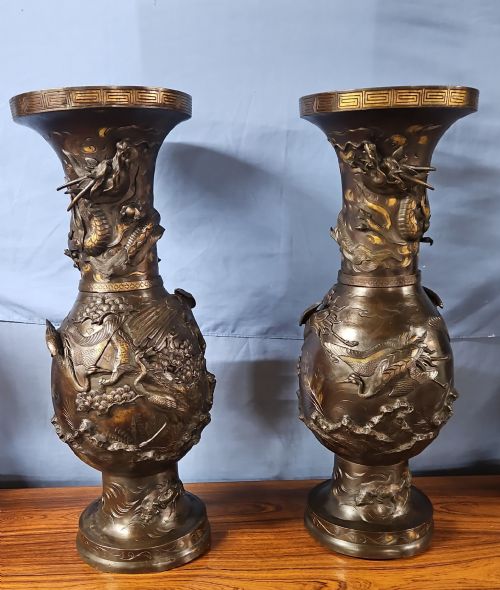

Meiji Period Bronze Dragon
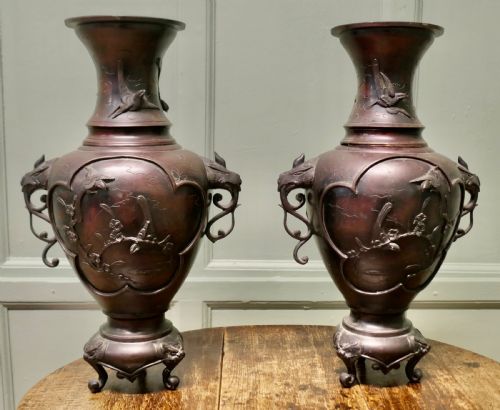
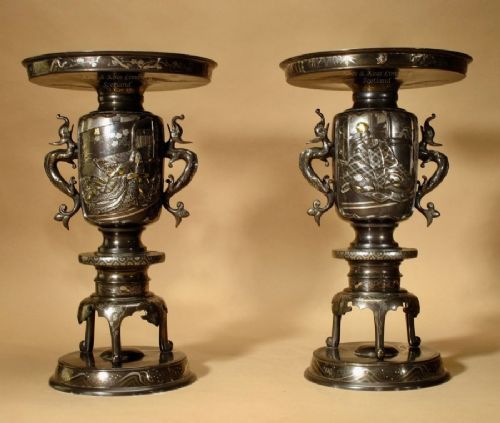
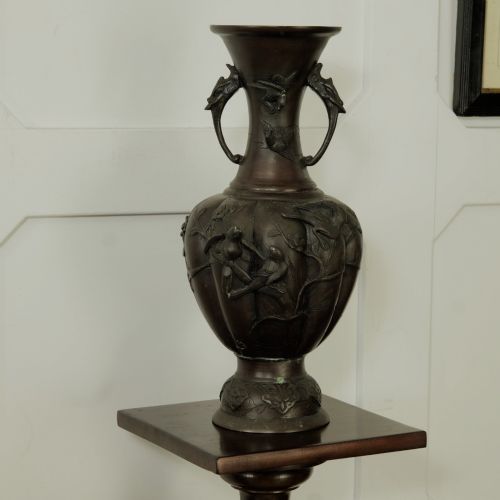
These pieces of meiji period bronze dragon metalwork bring together fierce mythical creatures and masterful Japanese casting from the late nineteenth century.
Meiji Period Bronze Dragon
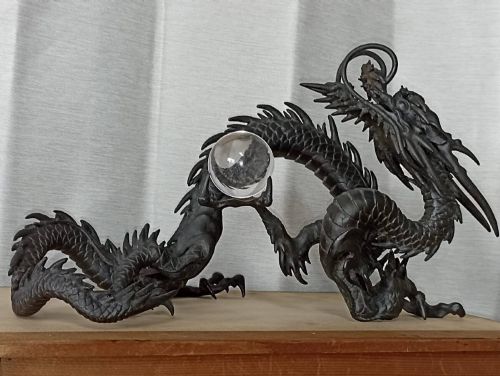
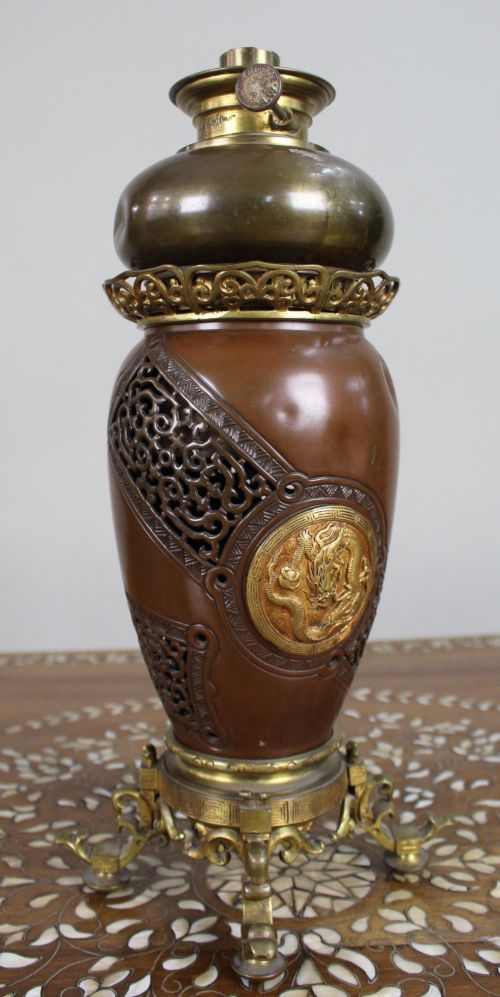
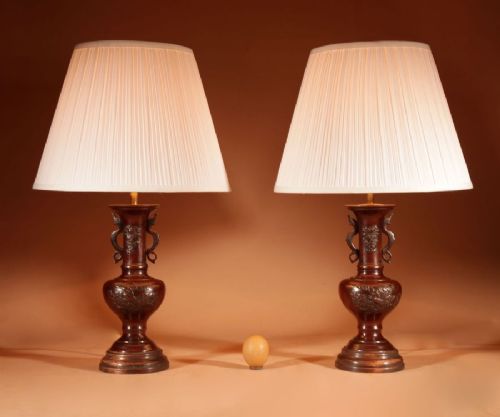
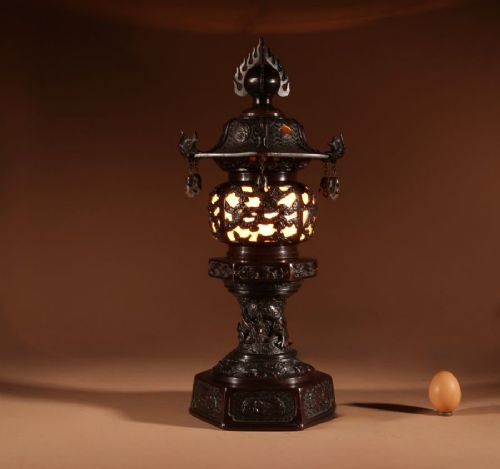
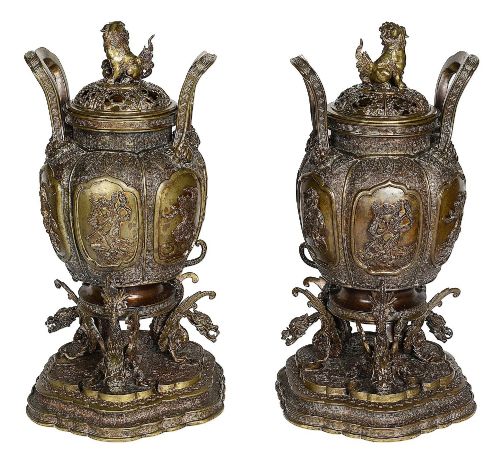
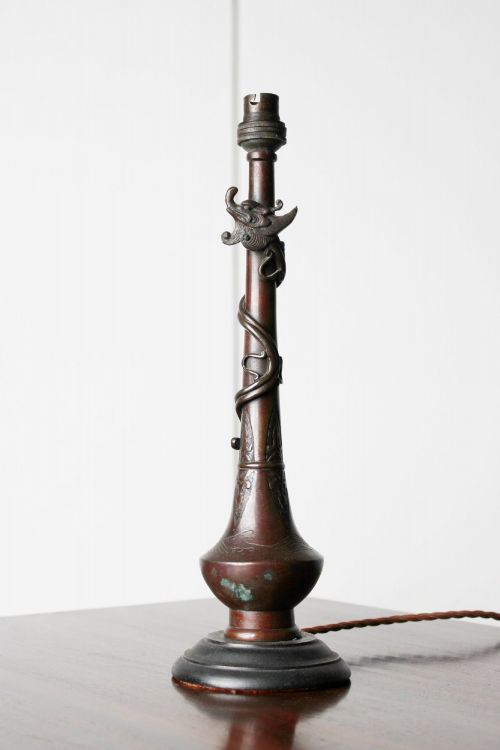
A meiji period bronze dragon brings the dynamic energy of traditional Japanese mythology into nineteenth-century decorative metalwork, reflecting the opening of Japan to Western trade. Buyers encounter these mythical beasts cast onto substantial garden okimono, coiled around tall vases, and integrated into elaborate table lamps or incense burners.
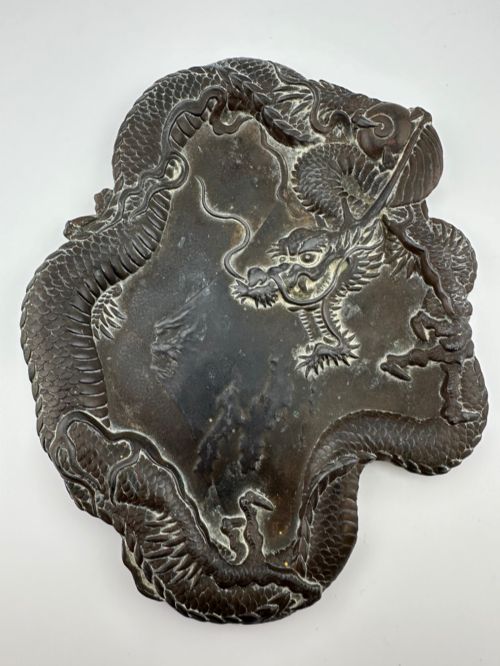
The objects on this page predominantly date from the late nineteenth century through to the early decades of the twentieth century. They range from massive temple vases and garden urns to intricate cloisonné enamel chargers and mixed-metal dishes.
The forms vary from utilitarian vessels like jardinières and lidded urns to decorative sculptures and functional lighting adaptations. Pieces often display complex relief work where dragons twist around the body of a vase or clutch sacred jewels in their talons.
Materials and Technique
Craftsmen utilised traditional lost-wax casting methods to shape the bronze, often working copper and brass into the alloy to achieve different tonal qualities. Patinated bronze finishes provide dark, rich surfaces that contrast with polished highlights on the scales and claws of the dragons.
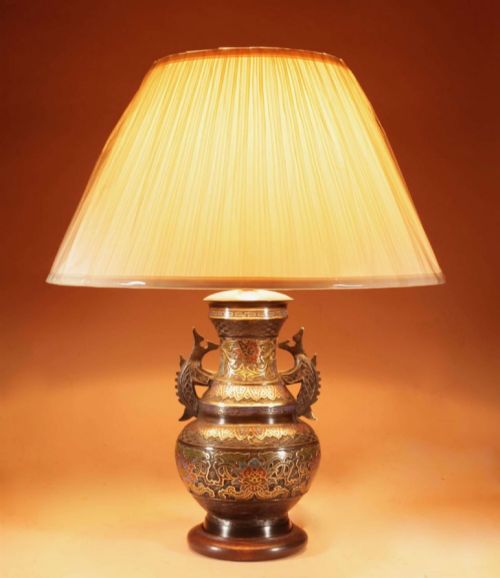
Surface decoration frequently incorporates cloisonné enamel, where thin metal wires form cellular compartments filled with coloured vitreous paste. Gold inlay and mixed-metal applications appear across chargers and dishes, creating nuanced pictorial scenes alongside high-relief casting.
Listings feature 19th-century and Edwardian pieces, spanning periods from the Edo era through to the Meiji-Taisho transition.
Evaluating Quality
Surface ornamentation also dictates distinction, where integrated enamel work or complex mixed-metal inlay requires advanced technical skill. The weight and stability of the bronze vessel, combined with harmonious proportions between the creature and the object it inhabits, separate standard export pieces from masterworks.
The Meiji Period Bronze Dragon Glossary
- Okimono
- A Japanese freestanding decorative sculpture designed for display on a shelf or in a tokonoma alcove. These figures range from small desktop animals to monumental garden pieces.
- Cloisonné
- An enamelling technique in which thin metal wires are soldered to a metal base to create compartments that are filled with enamel paste and fired. This method produces intricate colourful surface patterns.
- Usubata
- A specific form of Japanese bronze vase traditionally utilised for flower arrangements, featuring a broad flanged rim and a stable columnar body.
- Champlevé
- An enamelling technique where troughs or cells are carved directly into the surface of the bronze and filled with enamel before firing. It creates bold linear patterns distinct from wired cloisonné.
- Archaistic
- A design style that consciously imitates the ancient ritual bronzes of early Chinese dynasties. These pieces borrow archaic vessel forms and geometric motifs.
Meiji Period Bronze Dragon: Frequently Asked Questions
How were these bronze dragons used?
In historical Japanese interiors, many of these objects served decorative or ritual purposes, such as incense burners and temple vases. Okimono sculptures were placed in living spaces to display artistic mastery and bring good fortune.
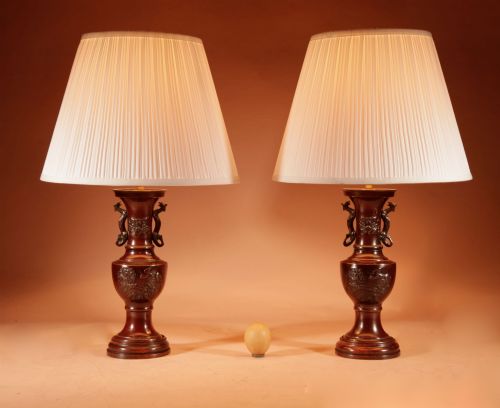
In Western homes of the Victorian and Edwardian eras, pieces like vases and urns were frequently converted into table lamps or utilised as grand decorative centrepieces.
How do I identify the Meiji period?
The Meiji period spans from 1868 to 1912, aligning closely with the late Victorian and Edwardian eras in Britain. Objects from this time often reflect the rapid opening of Japanese ports to international trade and the subsequent export boom.
Stylistic markers include highly naturalistic yet dramatic representations of dragons, combined with advanced metallurgical techniques like patinated bronze and mixed-metal inlay.
How should I care for antique bronze?
Antique bronze benefits from gentle dusting with a soft, dry cloth to prevent the accumulation of grit in the recesses of the casting. Avoid using chemical polishes, as they can strip away the original historical patina.
Maintain a stable indoor environment away from excessive moisture and direct heat sources to protect any applied enamel or mixed-metal elements.