





Meiji Period Box
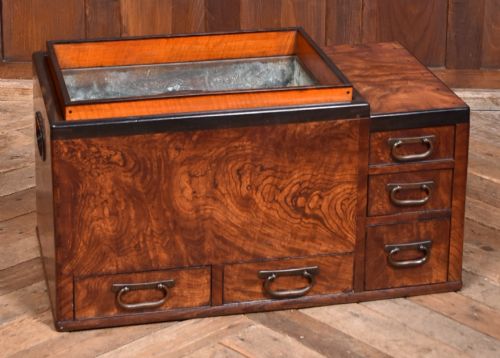
A meiji period box brings together meticulous lacquerwork, bronze and carved wood from late nineteenth-century Japan to hold your most treasured keepsakes.
Meiji Period Box
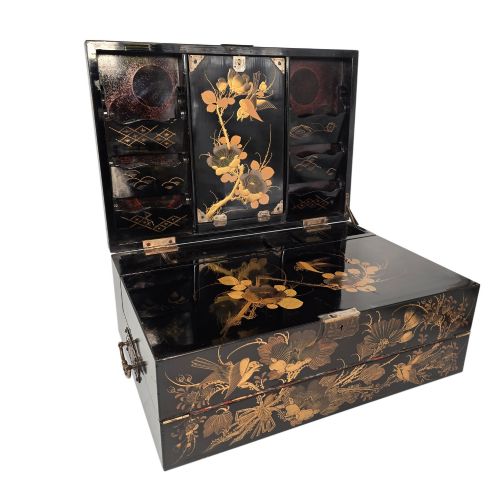
When searching for a meiji period box, you encounter a wide array of receptacles created during the era spanning from eighteen sixty-eight to nineteen twelve. These items range from small trinket cases and writing boxes to larger table cabinets and storage chests.
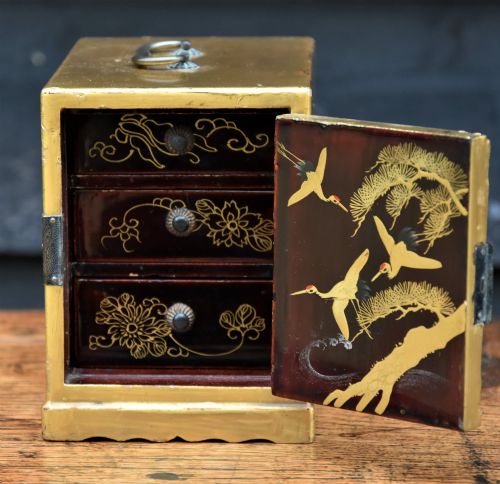
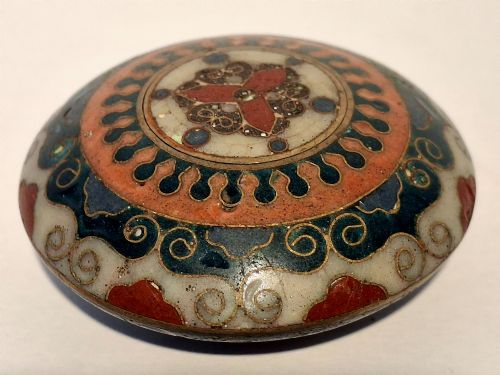
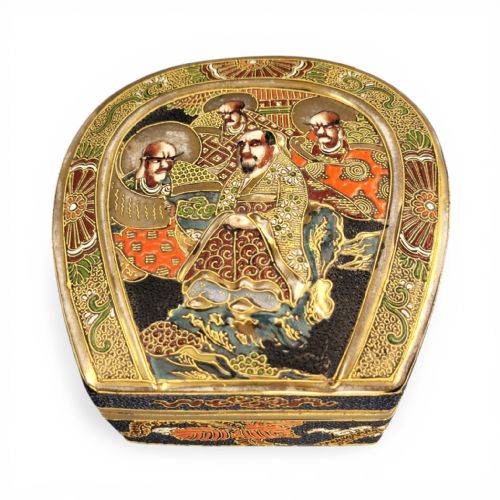
The versions most frequently met on this page include lacquered trinket containers, Satsuma earthenware vessels and bronze or cloisonné storage pieces. Each form serves a specific domestic or ceremonial function, reflecting the diverse craftsmanship of the time.
How they were made
Artisans utilised traditional materials such as wood, lacquer, brass, gold leaf, iron, enamel, porcelain and copper to construct these vessels. Lacquer techniques involved building up numerous layers of sap, sometimes incorporating gold takamaki-e or carved black lacquer known as tsuikoku.
Metalwork pieces combined bronze, silver and gold through intricate casting, embossing and mixed-metal inlay. Ceramic items like Satsuma earthenware and Imari porcelain were carefully formed and hand-painted, often featuring detailed figural or natural scenes.
Meiji Period Box Retail Price Guide 2026
Typical asking prices for meiji period box among the pieces listed under this phrase on Sellingantiques today, from the lower quarter to the upper quarter. They describe what is for sale here now, not the wider market.
What varies in quality
The distinction between standard examples and the finest pieces lies in the precision of the execution and the depth of the materials. Master artisans invested substantial time in applying multiple layers of lacquer, resulting in a smooth, flawless finish with sharply rendered metallic details.
Superior works often bear signatures from renowned makers or workshops, indicating a higher tier of production. The complexity of the design, whether finely carved boxwood or delicate ginbari enamel wirework, dictates the overall standing of the object.
Toshozan·Kikkoen·Hododa·Ando
The Meiji Period Box Glossary
- Lacquer
- A durable varnish made from tree sap applied in multiple layers to a wooden core. It forms a hard, glossy surface that resists moisture and wear.
- Cloisonne
- A metalwork technique where fine wire compartments are soldered onto a base and filled with enamel paste before firing. This creates intricate patterns of coloured glass across the vessel.
- Takamaki-e
- A Japanese technique of raised lacquer decoration where artists mix lacquer with charcoal or metal powder to create a three-dimensional effect on the surface.
- Satsuma
- A type of earthenware pottery featuring a crackle-glaze finish and ornate hand-painted polychrome designs, often highlighted with gold.
- Okimono
- A small decorative figurine carved from wood or ivory, typically displayed in a Japanese home rather than used for storage.
Meiji Period Box: Frequently Asked Questions
What were meiji period boxes used for?
These containers served varied domestic purposes ranging from storing writing implements, documents and tobacco to holding jewellery and personal keepsakes.
Smaller vessels often acted as portable medicine cases or delicate presentation pieces for gifts and special ceremonies.
How do I identify a meiji period box?
Examination of the materials, construction methods and decorative motifs reveals the origin of the piece. Look for traditional lacquer techniques, mixed-metal inlay and period-specific signatures.
Many items feature characteristic Japanese imagery such as cranes, dragons, landscapes and traditional deities executed in distinct nineteenth-century styles.
How should I care for an antique lacquer box?
Keep wooden and lacquered surfaces away from direct sunlight and extreme humidity fluctuations to prevent cracking or warping. Dust gently with a soft, dry cloth without applying modern chemical polishes.
Handling the piece with clean hands ensures natural oils do not degrade delicate metallic dust or fragile enamel work over time.
Are all Satsuma boxes signed?
Many Satsuma earthenware vessels bear artist signatures or workshop marks on the base, though unsigned examples exist in quantity. These marks usually identify the maker or the kiln responsible for the ceramic body and decoration.