


Meiji Cast Bronze
These Japanese meiji cast bronze pieces bring intricate animal sculptures and towering temple vases into the home, shaped by master founders during a dynamic era of craft.
Meiji Cast Bronze
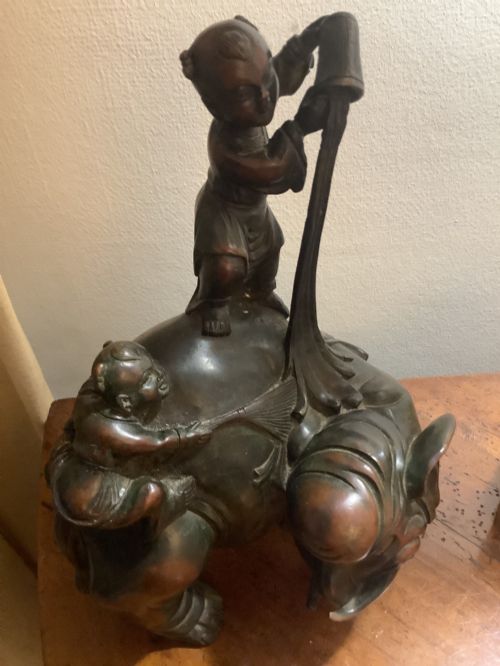
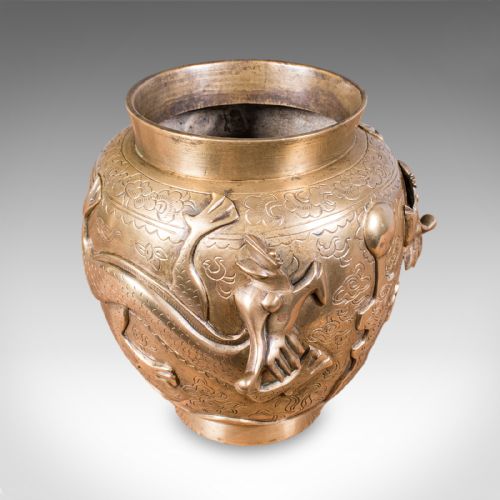
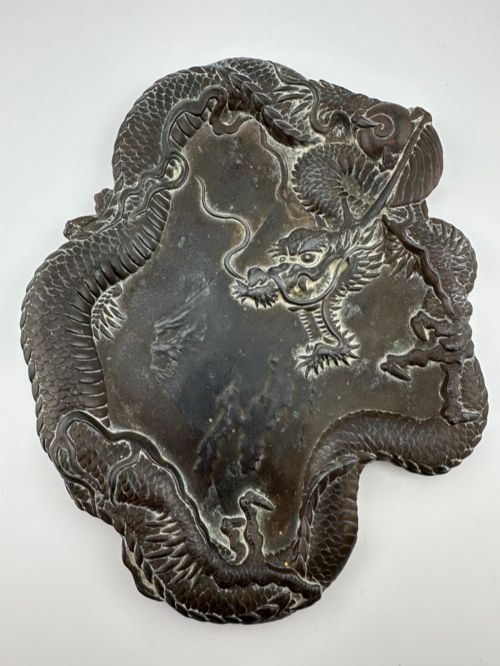
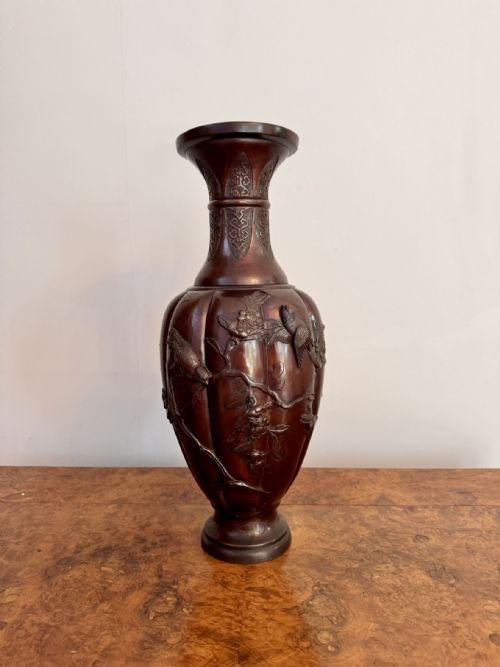
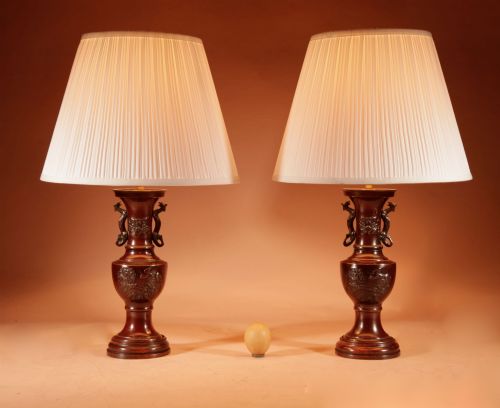
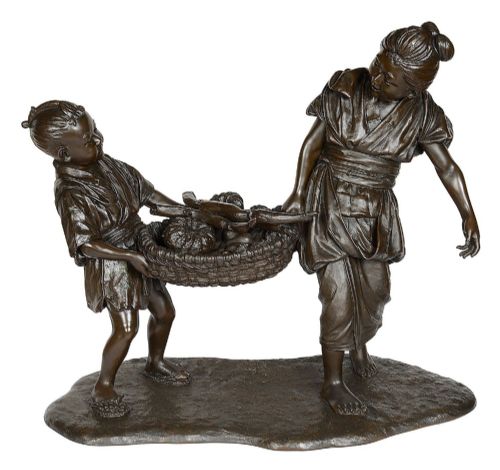
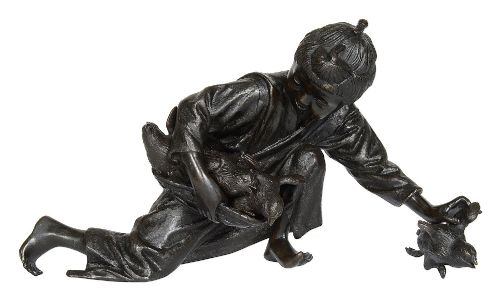
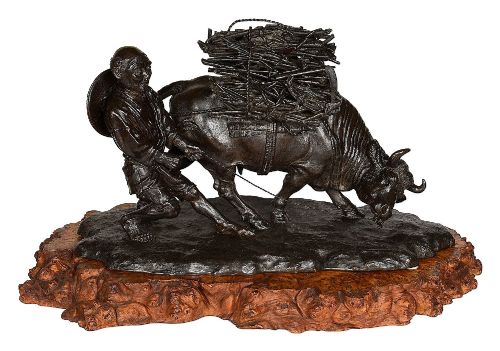
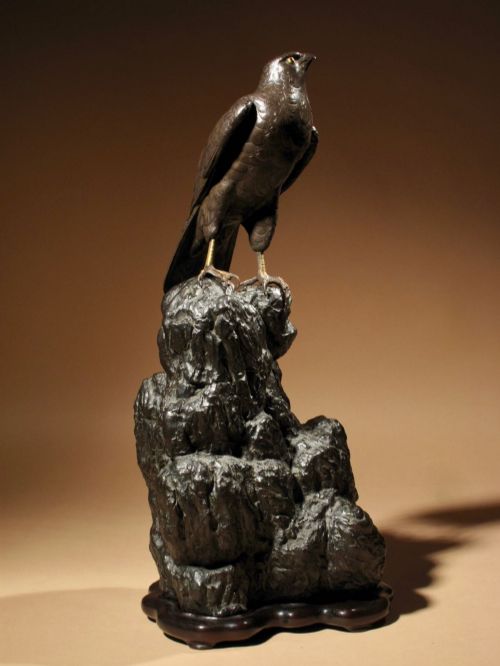
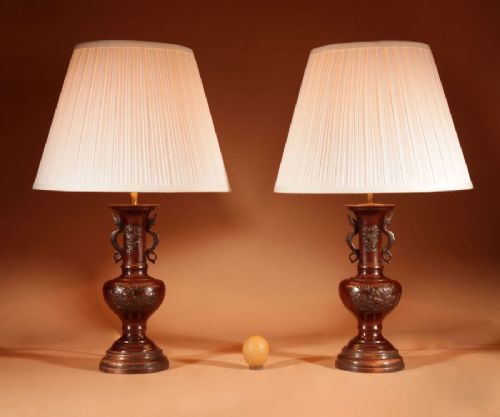
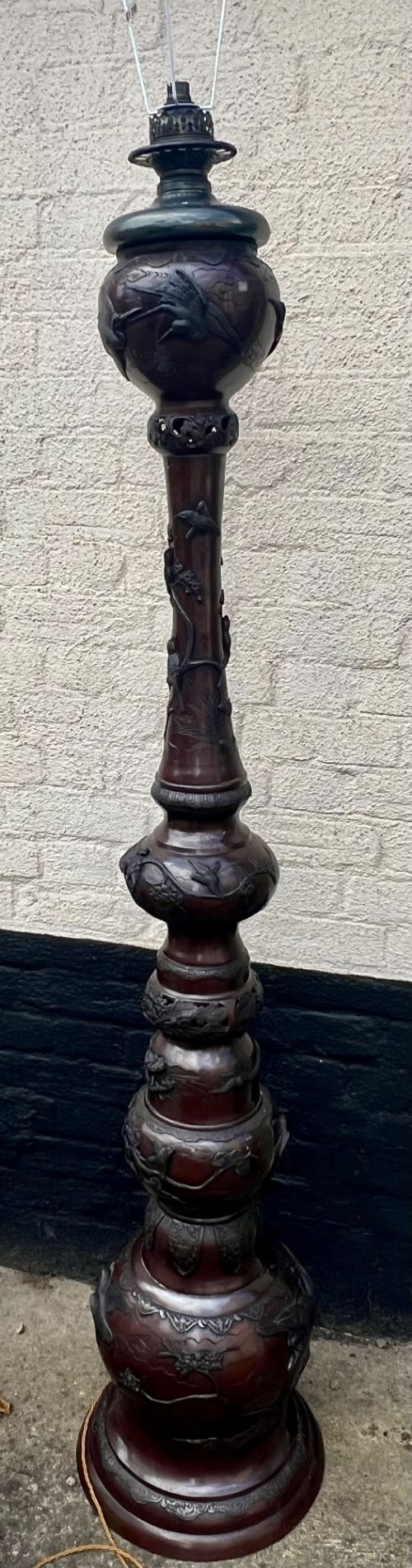
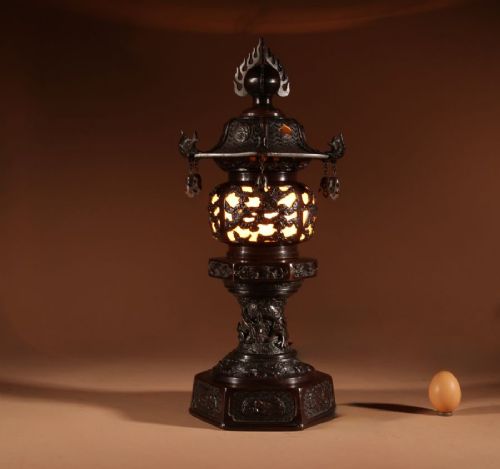
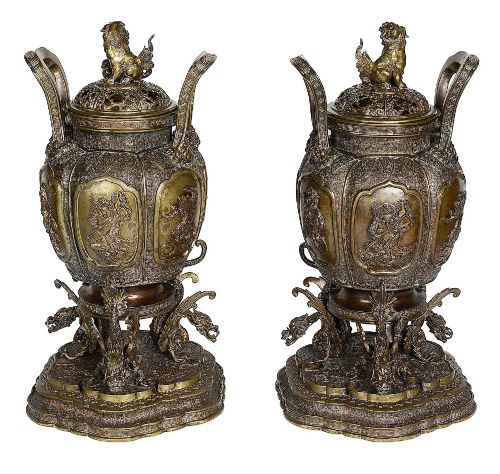
When you search for meiji cast bronze, you encounter sculptural figures, dynamic okimono, lidded urns, incense burners, and substantial table or floor lamps produced during the late nineteenth and early twentieth centuries. The selection spans domestic ornaments like beetles, dogs, and birds to massive garden dragons and temple vases.
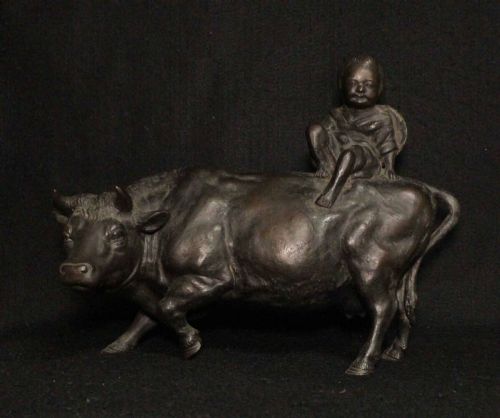
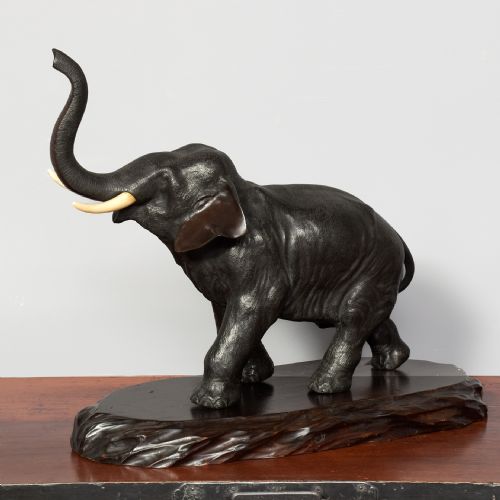
The dominant aesthetic fuses traditional Japanese subjects with patinated bronze, occasionally incorporating champlevé enamel, ivory, or wood. Forms range from utilitarian vessels such as flower urns and koro to lifelike depictions of elephants, horses, and human figures carrying fruit or riding cows.
Materials and casting methods
Foundries utilised bronze and patinated bronze, sometimes pairing the metal with contrasting materials like ivory tusks, bone, fabric, and vibrant champlevé enamel. Artisans also integrated wood and brass into complex lighting adaptations and structural mounts.
Casting relied on advanced techniques developed in regional centres such as Kyoto and Tokyo, including specialised foundry work by makers associated with the Takaoka School. The resulting metal was treated to achieve deep patinas, accentuating intricate surface details from dragon scales to bird feathers.
Meiji Cast Bronze Retail Price Guide 2026
Typical asking prices for meiji cast bronze among the pieces listed under this phrase on Sellingantiques today, from the lower quarter to the upper quarter. They describe what is for sale here now, not the wider market.
Listings feature items spanning the 19th century, Edwardian era, and early 20th century, utilising bronze, patinated bronze, champlevé enamel, and ivory.
Distinctions in craftsmanship
Quality separates mass-produced decorative export items from works bearing distinct signatures by notable makers like Masaaki, Kunio Itô, Kaniya Kuniharu, or Sakai Kōzan. The precision of the casting and the depth of the patination define the upper tier of these objects.
The complexity of the subject matter dictates execution, where naturalistic subjects like wolves, rhinoceros beetles, and horses display anatomical accuracy. Finer examples feature intricate surface engraving and integrated components that remain structurally sound over time.
Masaaki·Kunio Itô·Kaniya Kuniharu·Sakai Kōzan·Kibundo
The Meiji Cast Bronze Glossary
- Okimono
- A standalone Japanese display piece or decorative figurine placed on a shelf or tokonoma. These sculptures depict animals, demons, and figures engaged in daily tasks.
- Champlevé
- An enamelling technique where troughs or cells are sunk into the bronze surface and filled with vitreous enamel paste before firing. This method creates colourful decorative patterns on vases and lamps.
- Koro
- A traditional Japanese incense burner featuring a perforated lid to release aromatic smoke. They often incorporate animal finials such as goats.
- Usubata
- A specific form of bronze vase utilised in traditional flower arranging, typically featuring a broad flat rim atop a columnar body. They serve as monumental garden or interior urns.
- Patina
- The chemical or natural surface coloration developed on bronze over time or through applied treatments. Master founders achieved varied brown, green, and dark tones to enhance sculptural depth.
Meiji Cast Bronze: Frequently Asked Questions
What is meiji cast bronze?
Meiji cast bronze encompasses metalwork sculptures, vessels, and lighting created in Japan between 1868 and 1912. These items reflect the opening of Japanese trade and the height of foundry artistry.
The category includes small animal okimono alongside large garden temple vases and household table lamps.
How do I identify a meiji period piece?
Look for signature patinated bronze surfaces, naturalistic animal or mythological motifs, and foundry marks or artist signatures. Pieces often date from the late nineteenth or early twentieth century.
Stylistic cues include dragon ornamentation, champlevé enamel accents, and subjects like woodsmans, elephants, and demons.
How should I care for patinated bronze?
Maintain the surface by dusting gently with a soft dry cloth and avoiding chemical cleaners or abrasive polishes. Preserving the original patina protects the historical integrity of the metal.
Keep pieces away from excessive moisture and direct sunlight to safeguard any applied enamel or integrated ivory elements.