




Meiji Arita Porcelain
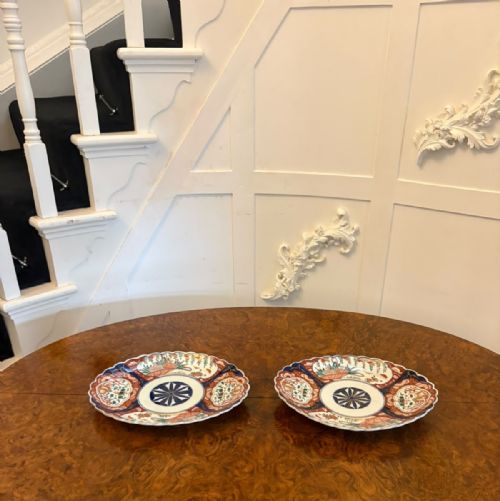
These pieces of meiji arita porcelain bring bold hand-painted palettes and intricate decorative patterns straight into your home.
Meiji Arita Porcelain
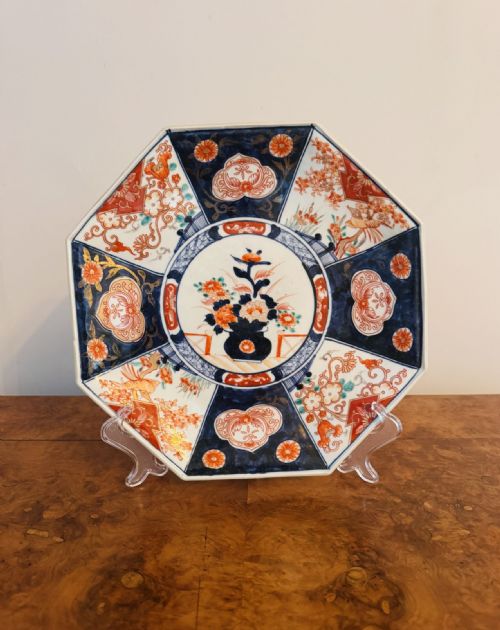
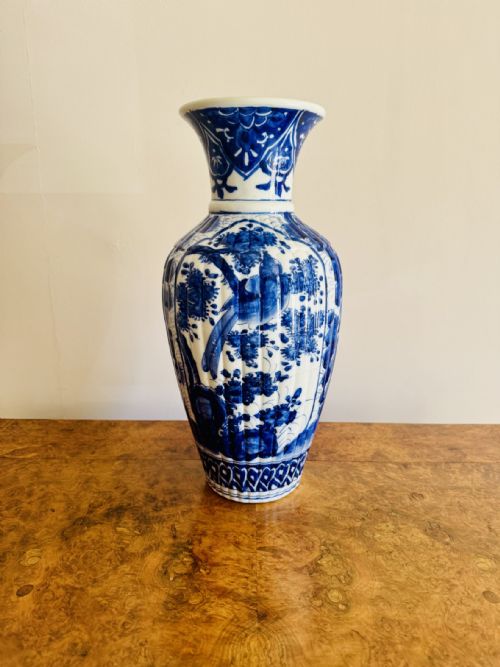
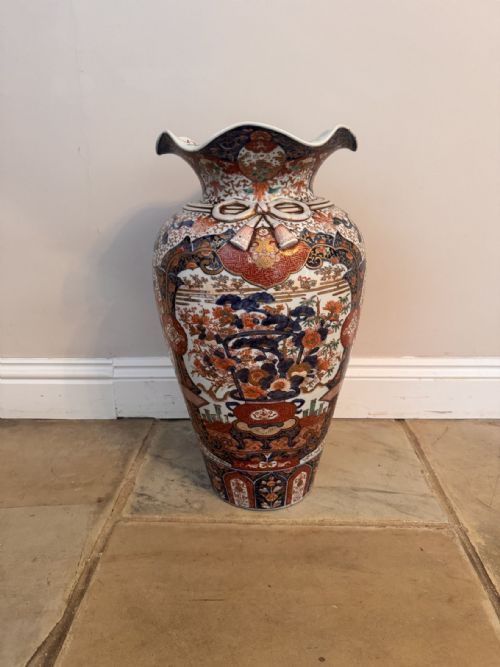
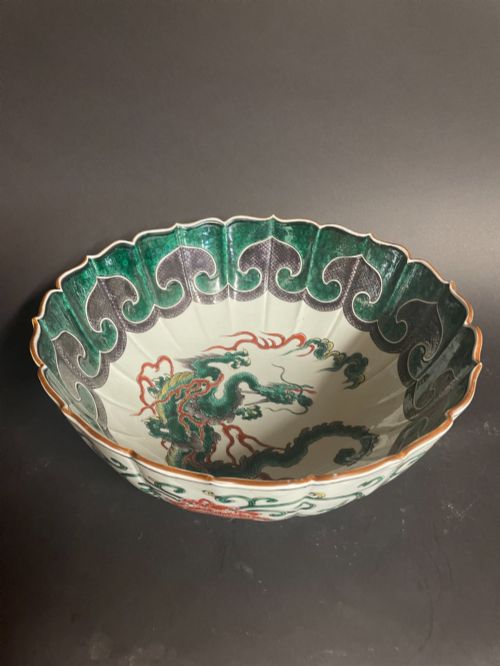
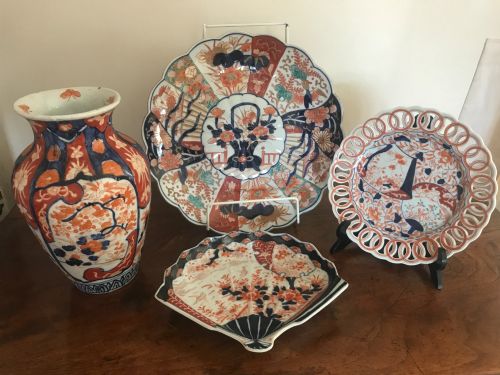
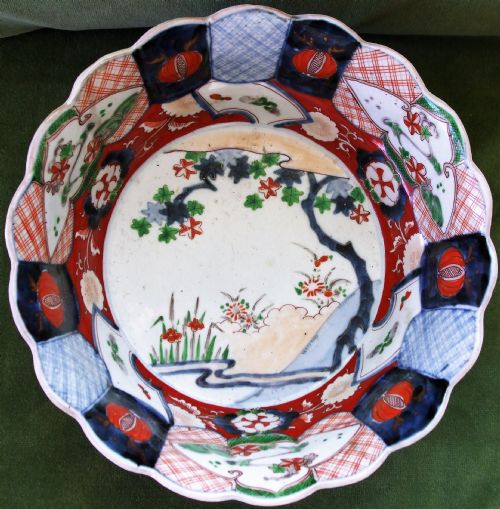
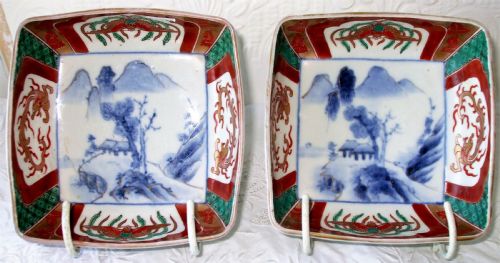
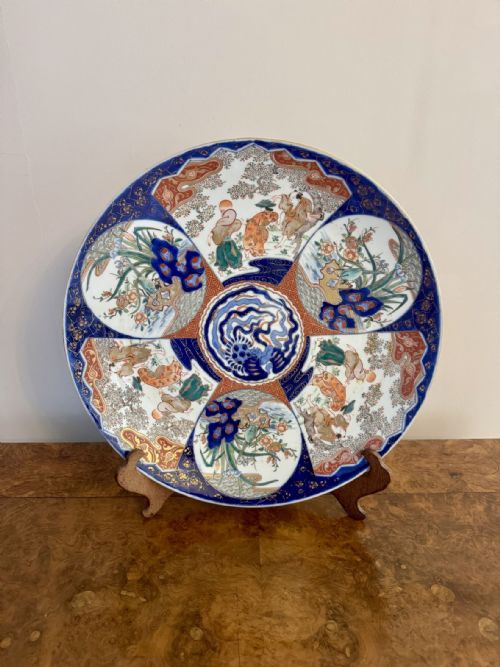
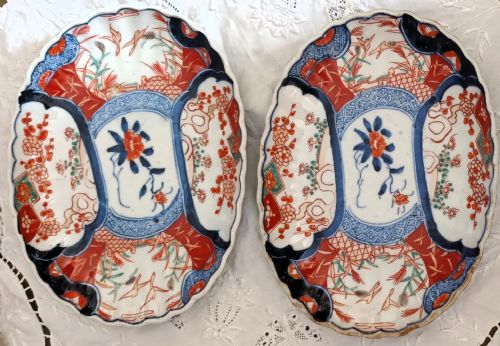
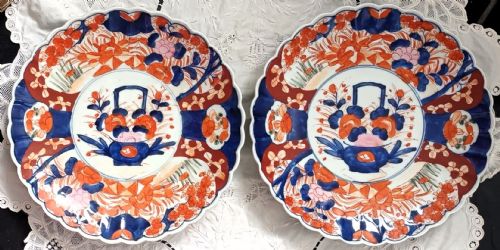
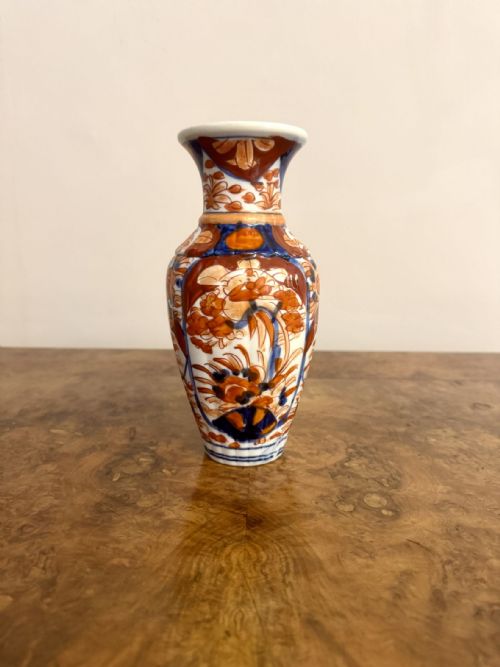
When you search for meiji arita porcelain, you encounter decorative plates, chargers, bowls and vases originating from Japan during the nineteenth and early twentieth centuries. These ceramics often display traditional styles such as Japanese Imari, featuring characteristic blue and iron-red designs.
The objects listed span periods from the Edo and Meiji eras up to the Victorian period, with many examples dating around eighteen hundred and ninety to nineteen hundred. Forms range from large floor-standing vases and covered ginger jars to scalloped edge bowls and decorative dishes.
Buyers frequently meet pieces designed for export alongside items intended for domestic display. The inventory includes pairs of plates with exotic birds, hexagonal bowls and large chargers adorned with floral motifs.
How they were made
Potters utilised fine ceramic clay to form vessels and plates, applying glaze to create a smooth, vitreous surface before firing. Artisans then hand painted intricate patterns directly onto the ceramic body.
Decoration often incorporated enamel, enamel glaze and gold leaf or gold gilt highlights to add rich colour and metallic depth to the finished objects.
Several plates feature exotic birds painted with such enthusiasm they appear ready to chirp right off the porcelain.
What varies in quality
The precision and detail of the hand-painted brushwork separate ordinary vessels from exceptional pieces. Artisans who executed complex floral designs, exotic birds or koi carp with meticulous control achieved superior visual depth.
The weight, symmetry and scale of larger forms like floor-standing vases and chargers also dictate standard. Objects displaying rich gold leaf highlights alongside vibrant enamel glazes demonstrate higher execution levels.
Hichozan Shinpo·Fukagawa·Koransha
The Meiji Arita Porcelain Glossary
- Imari
- A style of Japanese porcelain decorated in underglaze blue, iron red, and gold. This palette creates a striking contrast across plates and bowls.
- Charger
- A large decorative plate intended for display rather than table service. These substantial pieces often form the centrepiece of a collection.
- Gilt
- Application of gold leaf or gold paint to the surface of ceramics. It highlights specific design elements and adds reflective warmth.
- Censer
- A vessel designed for burning incense during traditional ceremonies. Examples in this ceramic tradition feature fitted covers and decorative bodies.
- Scallop edge
- A curved, shell-like decorative border shaping the rim of a bowl or plate. This technique softens the outline of rigid geometric forms.
Meiji Arita Porcelain: Frequently Asked Questions
How do I display a large charger?
Large chargers look best mounted securely on a wall or supported by a sturdy stand on a sideboard. Their broad surfaces showcase intricate hand-painted designs from a distance.
Ensure the display location avoids direct, harsh sunlight to protect the enamel colours and gold leaf details over time.
What defines the Meiji period?
The Meiji period spans from eighteen sixty-eight to nineteen twelve, marking an era of major artistic output in Japan. Ceramics from this time often catered to international export markets while retaining traditional hand-painting techniques.
During this era, kilns produced diverse decorative forms ranging from large floor vases to delicate dishes adorned with flora and fauna.
Are these items for everyday use?
These antique ceramics serve primarily as decorative objects for display rather than functional tableware. Their historic glazes and hand-painted enamel details require careful handling.
Placing them on stable surfaces away from high-traffic areas prevents accidental knocks and preserves the condition of the porcelain.
How do Imari and Arita connect?
Arita serves as the historic production centre for Japanese porcelain in Hizen province. Imari acts as the port of export through which these ceramics travelled to international buyers.
Consequently, porcelain made in Arita featuring red and blue palettes gained the name Imari among collectors worldwide.