



Medieval Wooden Figure
A medieval wooden figure carries centuries of devotion in its carved grain, offering a tangible link to medieval and Renaissance religious life.
Medieval Wooden Figure
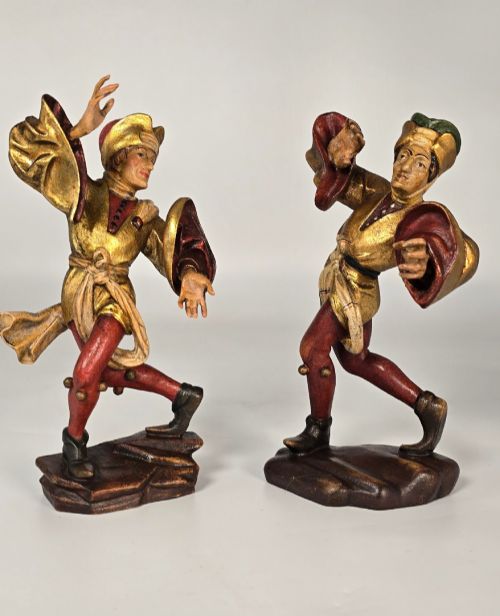
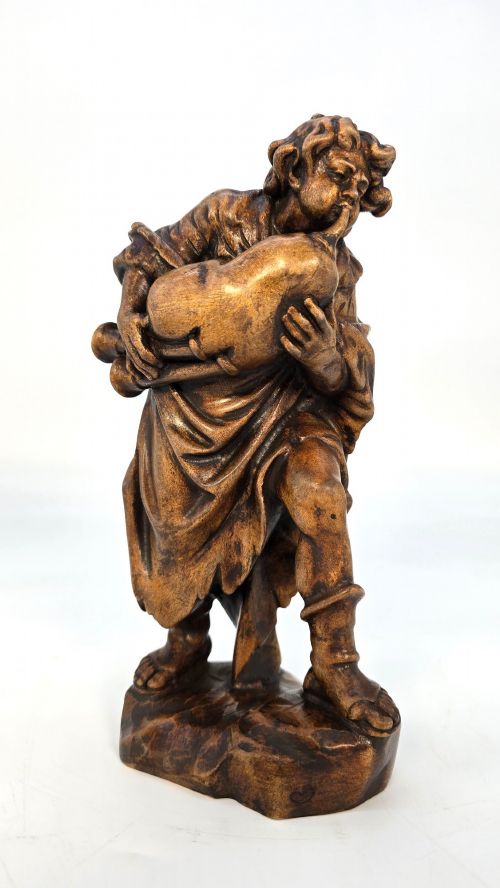
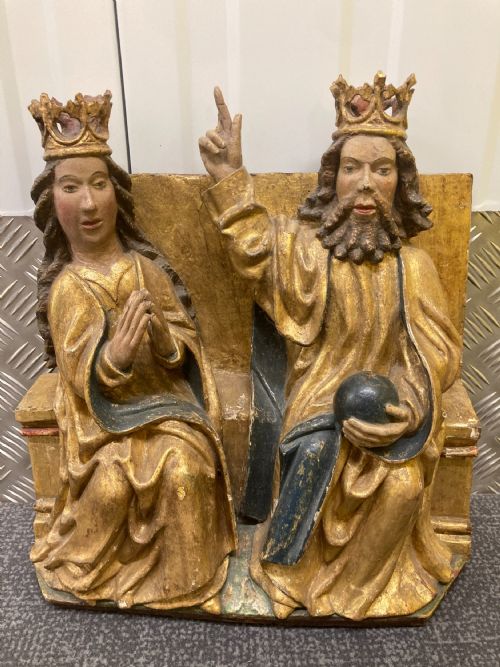
A medieval wooden figure represents saints, biblical scenes, and donors, spanning the pre-sixteenth century through to later revival periods. These sculptures take the form of freestanding statues, wall carvings, and group compositions depicting figures such as the Madonna and Child, Pieta, and various saints.
The versions most commonly met on this page are carved from oak and limewood, originating from workshops in Germany, France, and the Low Countries. Alongside these early liturgical carvings appear later interpretations, including nineteenth-century revivals and Black Forest pieces.
The collection balances devotional church figures from the late medieval and Gothic eras with Continental Renaissance sculptures and expressive folk interpretations. Buyers encounter everything from solitary donor figures to detailed groups portraying holy personages.
What varies in quality
The distinction between ordinary and exceptional carving lies in the depth of undercut drapery, the anatomical articulation of hands and faces, and the survival of original polychrome or gilding. Master carvers of the Gothic and Renaissance periods achieved a natural flow in garments and a distinct psychological depth in expressions that workshop copies rarely match.
Proportion and the preservation of the original silhouette determine the standing of a piece. Retaining early surface layers without aggressive modern overpainting preserves the historical integrity demanded by serious collectors.
The Medieval Wooden Figure Glossary
- Polychrome paint
- Painted decoration in multiple colours applied to the surface of wood sculpture. This technique was widely used in medieval churches to give statues lifelike appearance.
- Giltwood
- Wood carved and decorated with a thin layer of gold leaf. It creates a luminous surface effect found on significant religious figures.
- Pieta
- A subject in Christian art depicting the Virgin Mary cradling the dead body of Jesus. It appears frequently in late medieval Continental wood carvings.
- Donor figure
- A portrait of the person who commissioned a religious work, often shown kneeling in prayer alongside saints. These figures provide important evidence of historical dress.
- Limewood
- A fine-grained, pale timber favoured by Continental carvers for its ease of cutting and lack of prominent grain. It permits minute facial detail and deep undercutting.
Medieval Wooden Figure: Frequently Asked Questions
What is a medieval wooden figure?
A medieval wooden figure is a hand-carved sculpture depicting religious subjects, saints, or donors, created primarily for church interiors and private devotional use during the medieval and Renaissance periods.
These pieces range from single figures of bishops and virgins to complex multi-figure groups like the Madonna and Child or the Pieta.
How were these figures used originally?
Originally, these sculptures stood upon altars, filled architectural niches in churches, or served as focal points for private prayer in domestic settings.
Many functioned as visual aids for the illiterate faithful, telling sacred stories through gesture, expression, and traditional iconography.
How do I tell early periods apart from later copies?
Early periods reveal tool marks consistent with hand adzes and chisels, alongside natural timber ageing, shrinkage cracks, and fragmentary remains of early gesso and paint.
Revival pieces from the nineteenth and twentieth centuries often display different surface treatments, machine-sawn backing, or interpretations of Gothic style that lack contemporary wear.
How should I care for a wooden sculpture?
Keep wooden figures away from direct heat sources and dramatic fluctuations in humidity to prevent the timber from splitting or warping.
Dust the surface gently with a dry, soft brush and avoid applying modern polishes or cleaning agents to old paint and exposed wood.