






Medical Apothecary Cabinet
These medical apothecary cabinet pieces are functional containers crafted to hold remedies and instruments, offering a tangible link to historical healing practices for any collector.
Medical Apothecary Cabinet
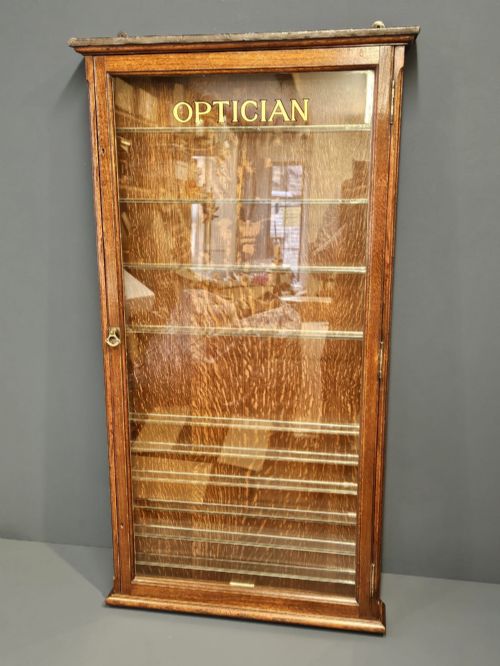
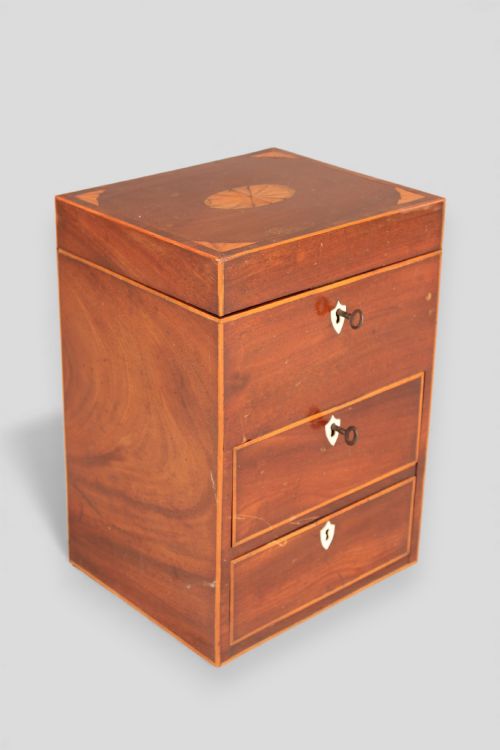
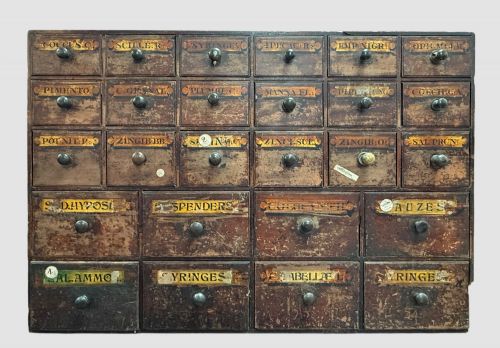
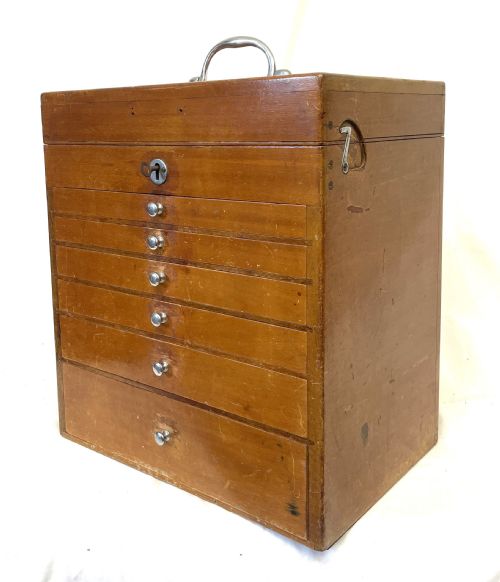
When you search for a medical apothecary cabinet, you encounter a diverse range of storage pieces designed to house medicines, instruments, and remedies. The items span various forms including compact carrying chests, wall mounted units, and banks of drawers intended for pharmacies, dentists, and veterinary practices. These historical pieces originate from periods such as the Georgian, Victorian, and Edwardian eras, reflecting the evolving needs of medical practitioners over the centuries.
How they were made
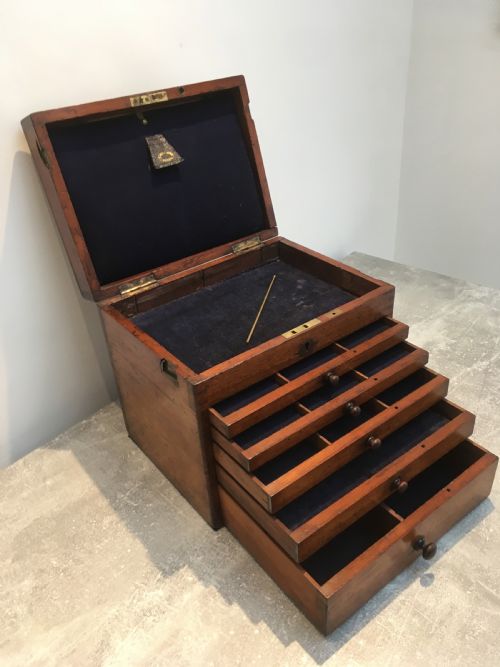
Cabinetmakers utilised robust timber such as mahogany, oak, burr walnut, and pine to construct the main carcasses of these storage units. These woods provided the necessary durability for daily use in surgeries, dispensaries, and travel, often finished with polished surfaces or inlaid details.
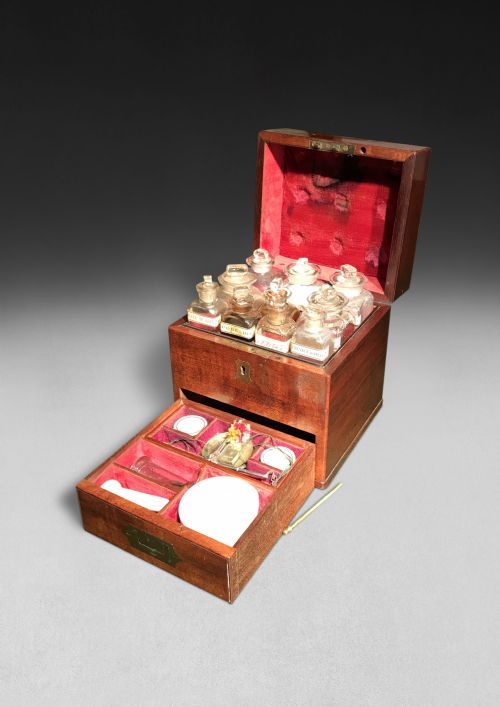
Brass fittings, including recessed carrying handles, hinges, and secure locking mechanisms, reinforce the structures and facilitate portability in travelling chests. Internal configurations frequently incorporate velvet-lined compartments and fitted glass bottles designed to secure fragile medicinal contents during storage and transit.
Medical Apothecary Cabinet Retail Price Guide 2026
Typical asking prices for medical apothecary cabinet among the pieces listed under this phrase on Sellingantiques today, from the lower quarter to the upper quarter. They describe what is for sale here now, not the wider market.
The documented forms span multiple centuries, including Georgian table chests, Victorian dental cabinets, and Edwardian wall units.
What varies in quality
The sophistication of the internal arrangement and the completeness of original fittings distinguish different tiers of these pieces. Cabinets retaining their fitted glass bottles, specialised instrument trays, and working brass locks demonstrate a higher level of original integrity.
The choice of cabinet timber and the precision of the joinery mark the division between standard utility items and finer bespoke examples. Finely figured veneers like burr walnut and mahogany, combined with robust dovetail construction, indicate superior craftsmanship from cabinetmakers.
The Medical Apothecary Cabinet Glossary
- Apothecary box
- A portable wooden chest fitted with internal compartments designed to hold liquid medicines, powders, and scales. These boxes allowed practitioners to dispense remedies directly to patients while travelling.
- Bank of drawers
- A multi-drawer cabinetry unit utilised in pharmacies and surgeries for organising large quantities of dry herbs, pills, and small medical supplies. Each drawer typically featured a small pull handle.
- Medicine chest
- A compact container, often dating from the Georgian or Victorian periods, equipped to store essential pharmaceutical preparations and first aid equipment. They range from simple wooden boxes to elaborate fitted cases.
- Wall cabinet
- A hanging storage unit designed to be mounted in a dispensary or surgery to save floor space while keeping remedies within reach. They often feature glazed doors to display contents clearly.
- Instrument case
- A specialised protective box lined with materials such as velvet to secure surgical, dental, or optical tools. These cases match the exact dimensions of the tools they transport.
Medical Apothecary Cabinet: Frequently Asked Questions
What is an apothecary cabinet?
An apothecary cabinet is a specialised piece of furniture designed to store medical supplies, herbs, bottles, and instruments. They range from small portable boxes to large banks of drawers used in historical pharmacies.
These pieces reflect the practical requirements of medical practitioners, keeping remedies organised and secure in surgeries, homes, or during travel.
How were medicine chests used?
Medicine chests served as portable dispensaries for doctors, military personnel, and households on long journeys. They contained pre-measured doses, scales, and empty bottles for mixing remedies on the move.
The fitted compartments ensured that glass bottles and fragile instruments remained stable and protected during transport over rough terrain.
What woods are commonly found?
Makers predominantly used dense and durable hardwoods such as mahogany and oak for the primary construction of these cabinets. Burr walnut and pine also appear frequently across different styles and periods.
These timbers provided the structural strength needed to support heavy banks of drawers and protect delicate internal glass contents.
How do I identify a Georgian box?
Georgian apothecary boxes typically feature solid mahogany construction, restrained classical proportions, and brass carrying handles recessed into the wood. Their internal layouts focus on straightforward functionality with tight joinery.
Examining the construction methods, such as hand-cut dovetails and period brassware, helps distinguish these earlier pieces from later nineteenth-century examples.