




Medallion Pattern Wool Rug
A medallion pattern wool rug anchors a room with central geometry, offering traditional motifs hand-knotted in durable pile.
Medallion Pattern Wool Rug
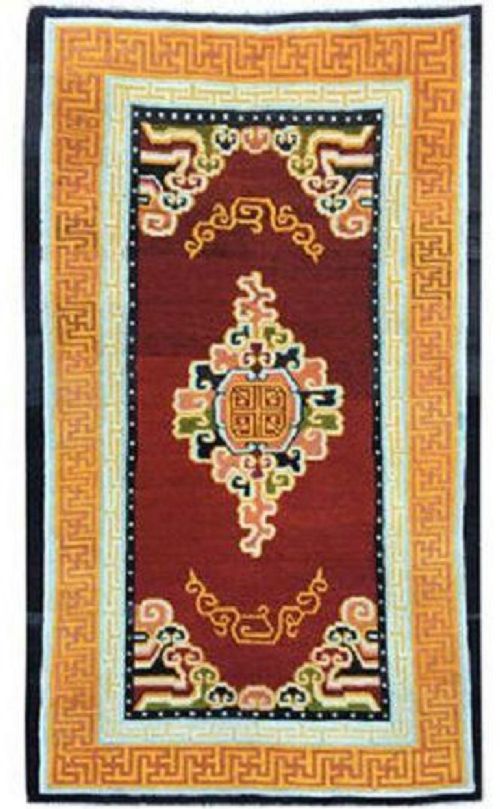
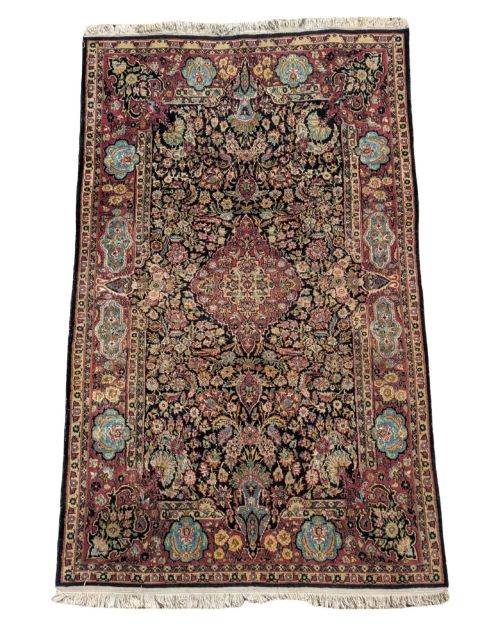
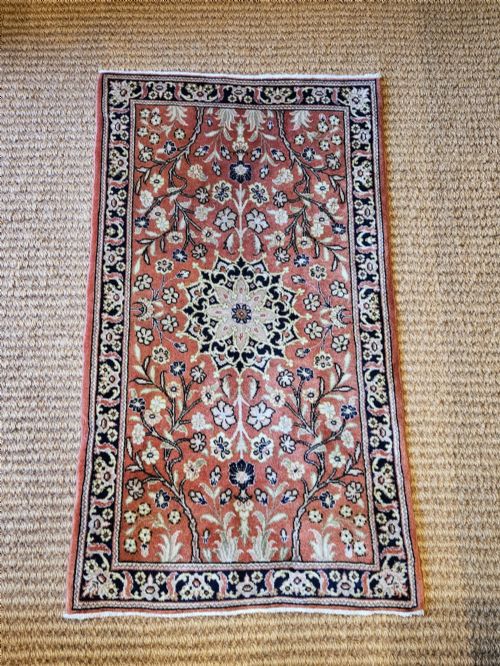
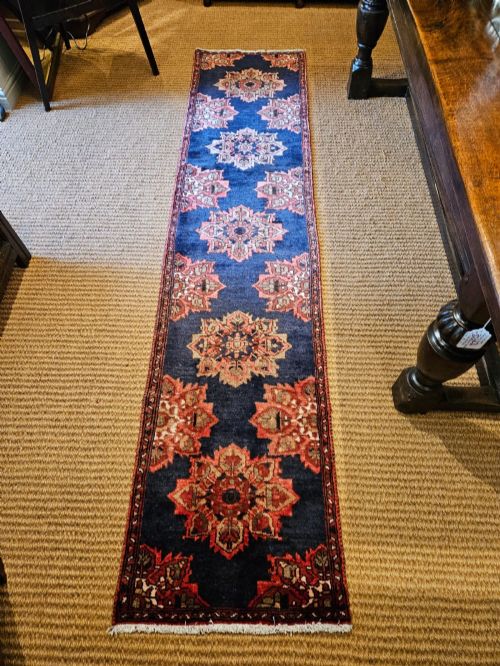
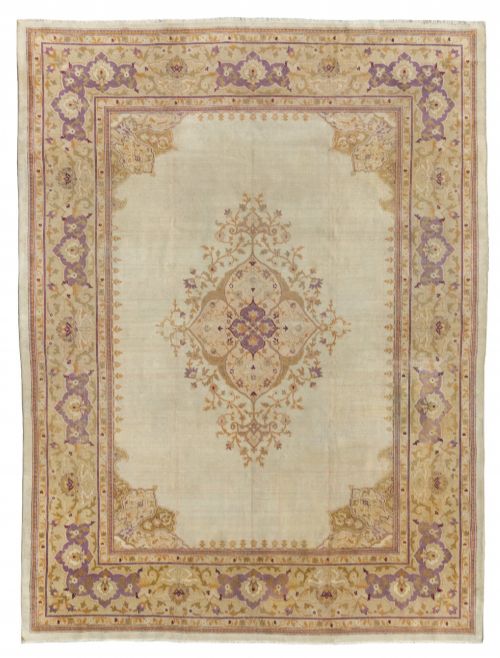
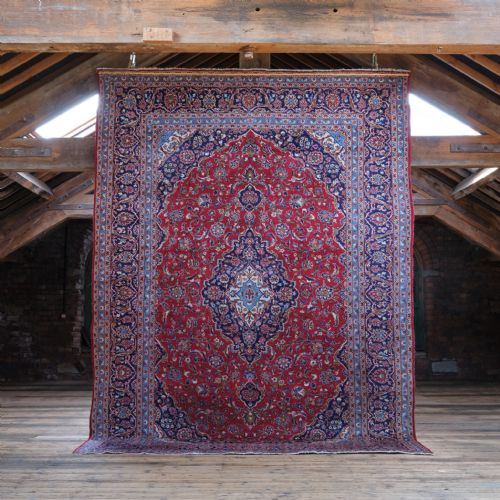
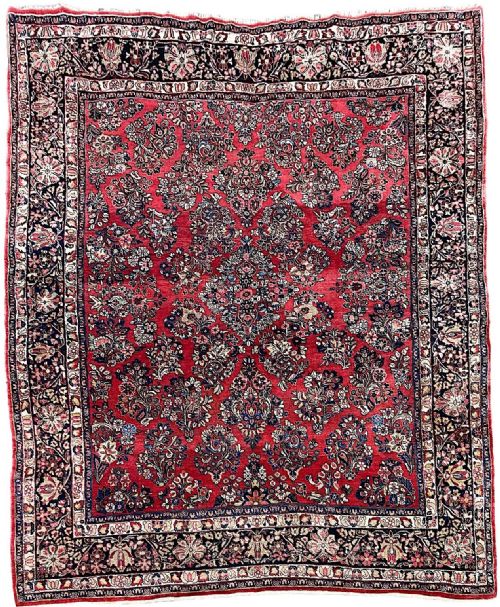
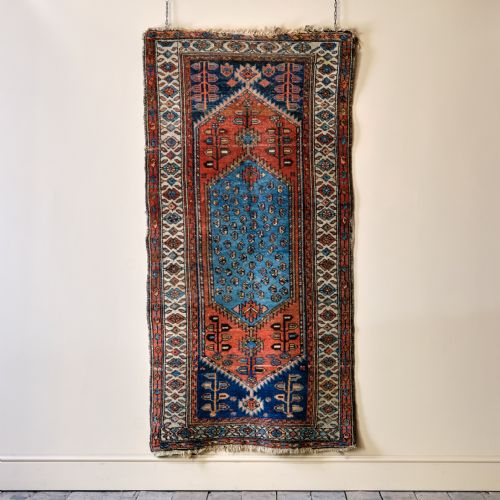
A medallion pattern wool rug presents a central focal motif surrounded by field designs, drawing the eye toward the middle of the floor covering. These floor coverings emerge from various traditional weaving centres, spanning Persian, Caucasian, Ottoman and Anatolian origins.
The selections on this page encompass room-size carpets, hearth sizes, runners and area rugs. They date across the late nineteenth century and through the early decades of the twentieth century.
How they were made
Weavers knotted wool onto cotton or wool foundations, occasionally incorporating silk highlights to catch the light within specific motifs. Hand-knotting techniques secured the dense pile, ensuring the structural integrity of the field and border designs.
Natural and early synthetic dyes coloured the wool yarns, producing deep indigos, rich reds and subtle abrasash variations across the expanse of the carpet.
Listings feature room-size carpets, compact hearth rugs and long runners spanning the late nineteenth century to the mid-twentieth century.
What varies in quality
Knot density and precision define the clarity of the central medallion and surrounding geometric or floral details. Finer knotting allows intricate curvilinear lines to remain crisp and legible against the background.
The quality of the wool determines the resilience and handle of the pile, with high-grade fleece retaining its lustre and standing up to regular foot traffic over decades.
Heriz·Kashan·Bidjar·Senneh·Oushak
The Medallion Pattern Wool Rug Glossary
- Medallion
- A symmetrical central design element set within the field of a rug. It anchors the overall composition of the textile.
- Pile
- The upright yarn loop or cut ends forming the soft surface of the rug. This layer absorbs wear and displays the woven pattern.
- Warp
- The vertical foundation threads running lengthwise through the rug from fringe to fringe. Weavers tie the individual knots onto these tensioned strands.
- Weft
- The horizontal threads passed across the warp strands between rows of knots. It binds the structure together row by row.
- Abrasash
- A natural variation in shade within a single colour field caused by shifts in dye batches or wool lots. It adds subtle depth to older woven pieces.
Medallion Pattern Wool Rug: Frequently Asked Questions
How do I style a medallion rug?
Place the rug in the centre of a room so furniture arrangements frame the middle motif rather than obscuring it entirely. Allow the surrounding floorboards or neutral flooring to create a clear border around the edges.
Keep surrounding patterns minimal to let the central geometry of the textile remain the primary visual focus of the space.
Are these rugs suitable for hallways?
Longer runner formats designed with repeating motifs fit narrow corridors and transitional spaces effectively. Wool construction provides the necessary durability for areas experiencing regular foot traffic.
Check specific dimensions against your floor space to ensure doors clear the pile thickness comfortably.
How do I clean an antique wool rug?
Vacuum gently using suction attachments without rotating brush bars that can pull at hand-knotted wool fibres. Shake smaller formats outdoors rather than beating them aggressively.
Consult a specialist in antique textile conservation for deeper washes to protect the integrity of older foundations and dyes.
How can I tell a Persian rug from a Caucasian rug?
Persian pieces often feature intricate floral curves and detailed medallion structures woven with fine knotting. Regional workshops such as Kashan or Heriz demonstrate distinct drawing styles in their borders.
Caucasian examples tend to display bolder, more geometric tribal motifs with sharper angles and highly stylised animal or plant forms.