
Mechanical Winding Watch
A mechanical winding watch connects you directly to centuries of precise craftsmanship, offering tactile daily interaction through its mainspring and gears.
Mechanical Winding Watch
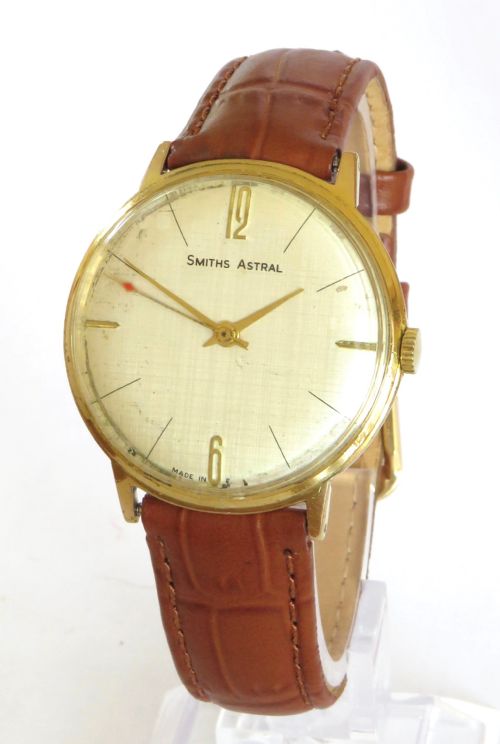
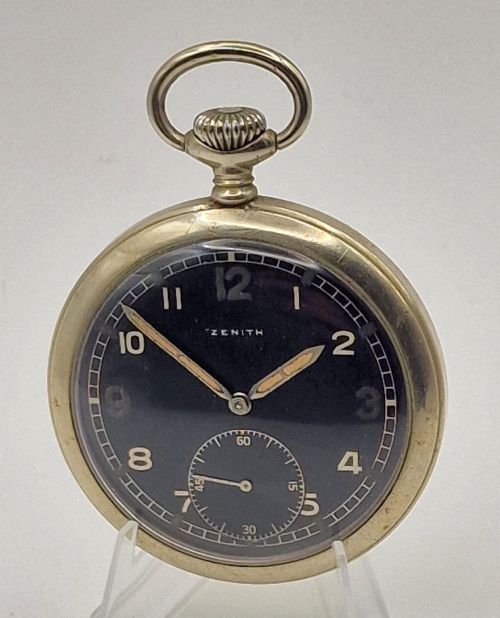
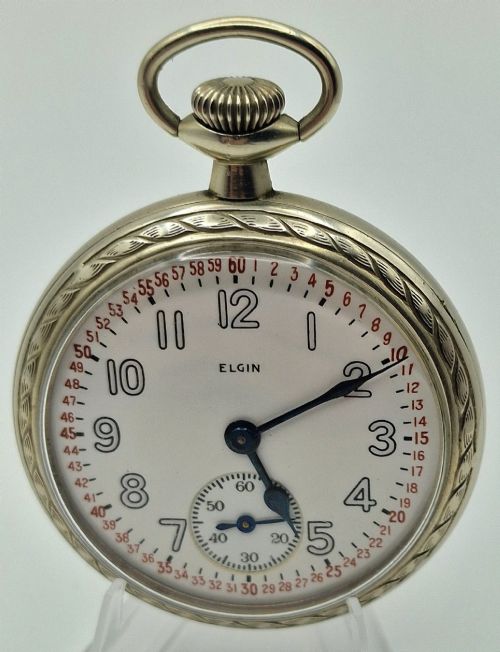
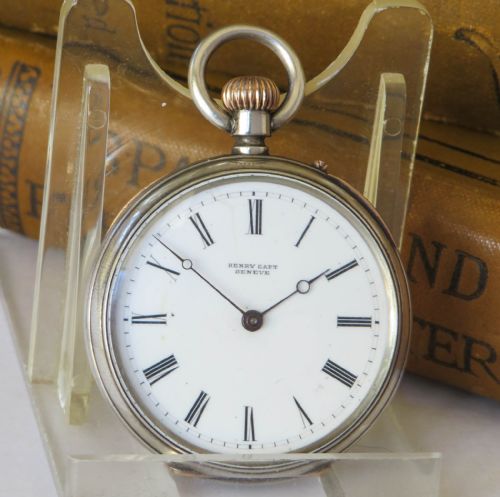
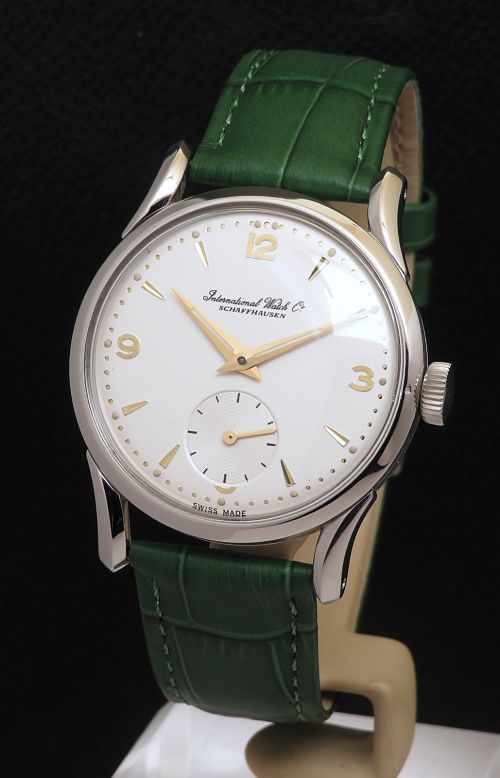
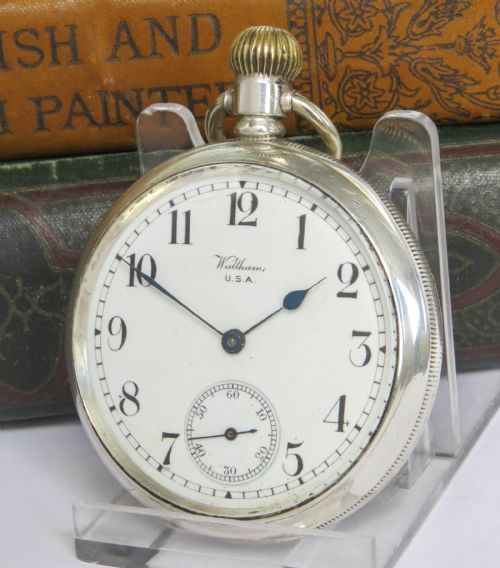
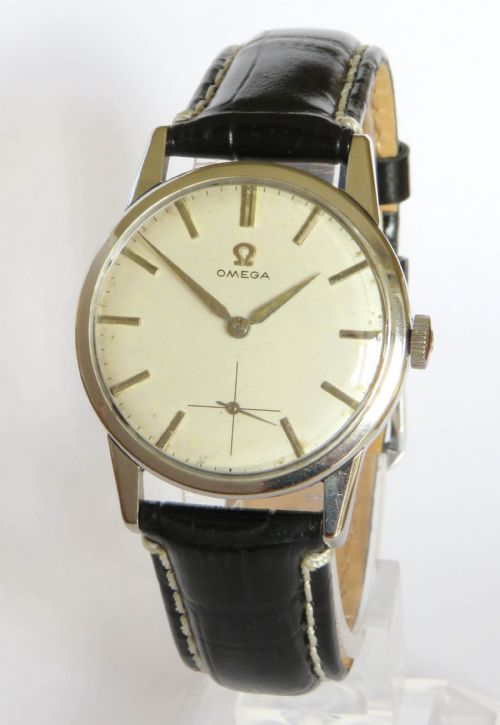
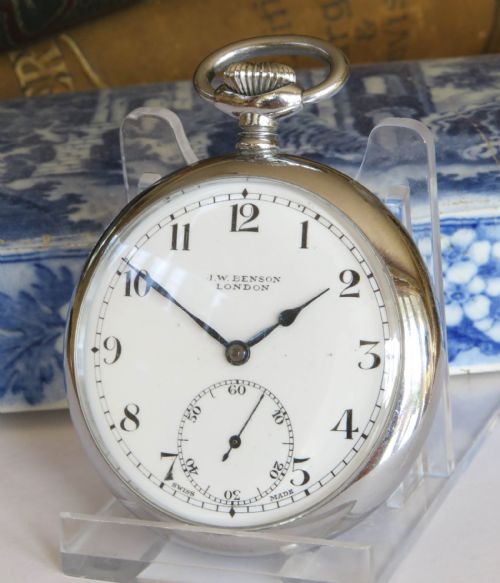
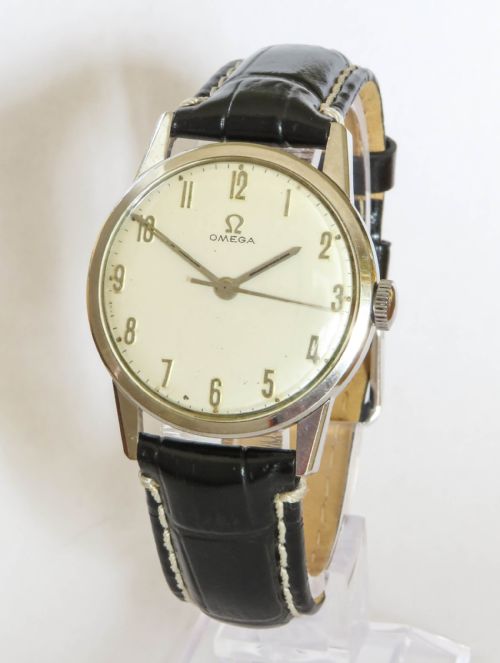
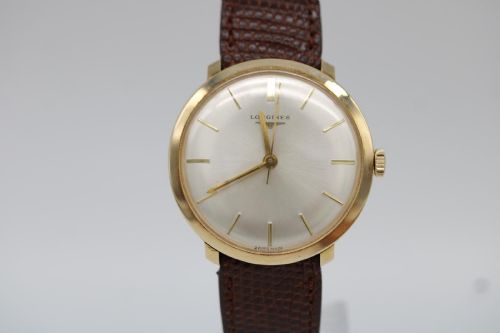
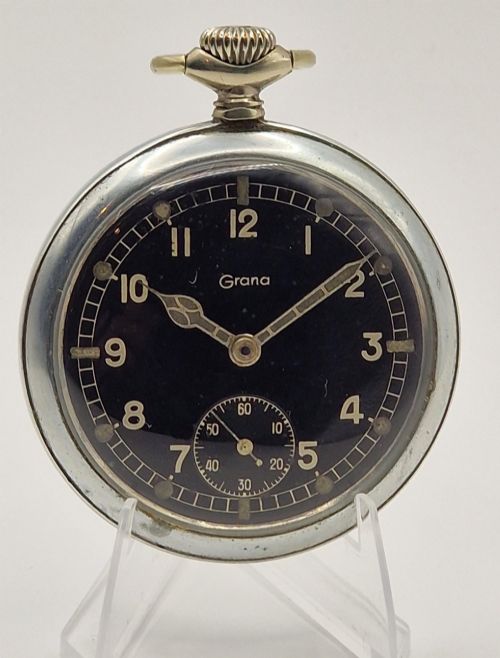
A mechanical winding watch is a portable timekeeper powered by a tension spring that requires manual or automatic resetting to store kinetic energy. When you browse this selection, you encounter a diverse array of pocket watches and wristwatches spanning from the Victorian era through the mid-twentieth century.
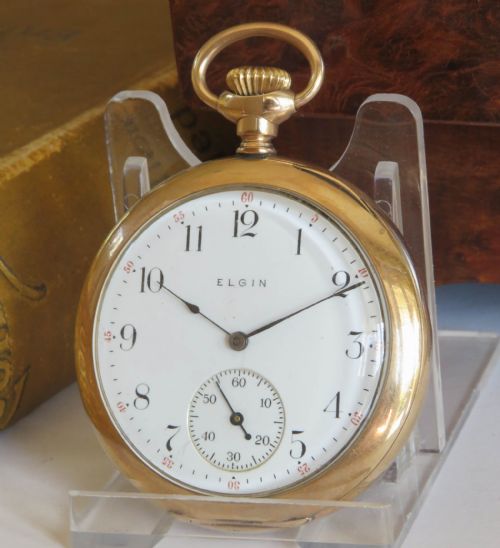
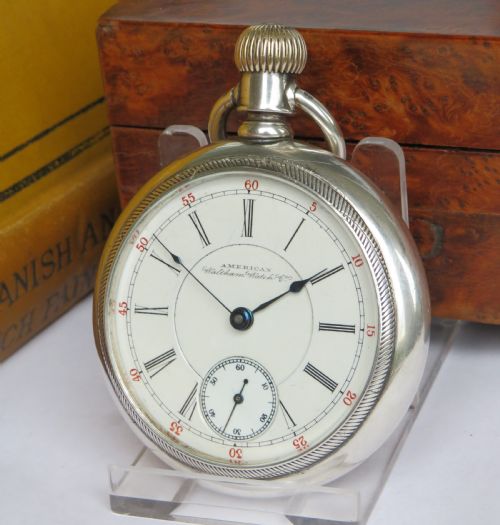
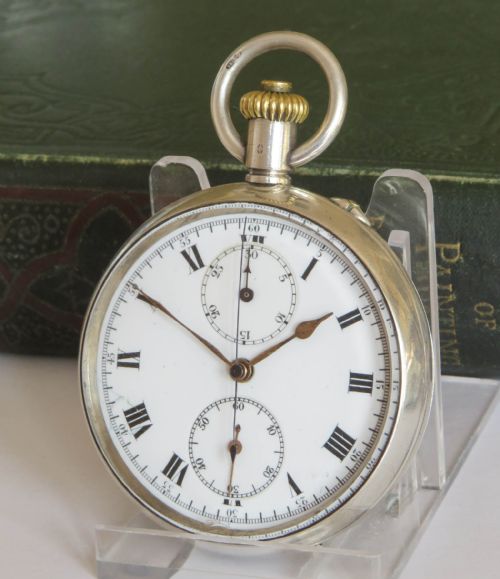
The assortment on this page ranges from early railway timepieces and half hunter pocket watches to mid-century wristwatches featuring specialised dials and chronograph functions. These pieces bridge utilitarian timekeeping with distinct stylistic eras such as Art Deco and Mid-Century Modern.
Pocket watches dominate the earlier periods, housed in silver or gold cases alongside engraved half hunter designs, while wristwatches emerge more frequently by the 1940s and 1950s. Both formats reflect the evolution of portable horology from pocket carriage to wrist wear.
Materials and Construction
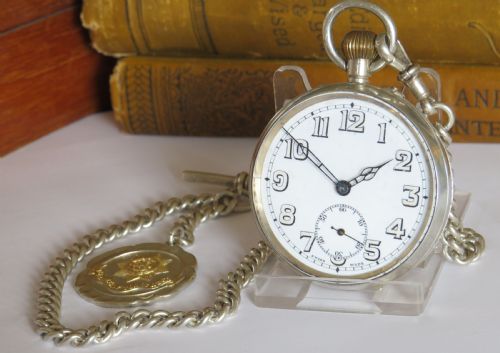
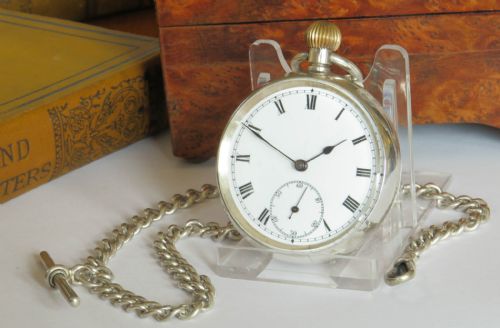
Cases rely heavily on sterling silver, stainless steel, and brass, often paired with glass crystals and enamel dials to protect the delicate internal movement. Leather straps accompany many wristwatches, while pocket watches frequently connect to matching silver chains.
Makers utilised specialised metal alloys for gears and escapements within mechanical winding watch movements to ensure consistent tension and durability under regular spring loading. Enamel dial faces were meticulously fired and painted with Roman or Arabic numerals to maintain legibility.
The listings on this page span materials from brass and sterling silver to stainless steel, encompassing Victorian, Edwardian, and mid-century eras.
Quality Variations
The calibre of a mechanical winding watch rests largely on the complexity of its internal movement, such as chronograph complications and adjusted jewelled bearings. Finer examples display high precision, superior metal finishing, and robust case construction from established makers.
The integrity of the dial, clarity of the crystal, and originality of the hands and case markings distinguish standard production pieces from higher-tier horological works. Preservation of the original components heavily influences the overall character of each timepiece.
Kendal & Dent·J W Benson·Omega·Guinand·Waltham·Tudor·Cyma·Waltham Lancs & Yorks·Thomas Russell & Son·Stauffer·Longines·Lange & Sohne·Eterna·Minerva
The Mechanical Winding Watch Glossary
- Half Hunter
- A pocket watch case featuring a solid outer cover with a glass-centred aperture that permits reading the hands without opening the lid.
- Chronograph
- A watch equipped with a display function for measuring elapsed time independently of the primary timekeeping hands.
- Fusee
- A conical pulley mechanism designed to equalise the torque of the mainspring as it unwinds, ensuring steady power delivery.
- Calibre
- The specific manufacturer's designation for a particular watch movement design and size.
- Jewels
- Synthetic rubies or sapphires placed at pivot points within a movement to reduce friction and wear.
Mechanical Winding Watch: Frequently Asked Questions
How do I wind my watch?
Turn the crown clockwise between your thumb and forefinger until you feel gentle resistance. Stop immediately to avoid over-tensioning the internal spring.
Most manual pieces require this action daily, preferably at the same time each morning to maintain consistent rhythm.
What is the difference between hunter and open face?
An open face watch exposes the glass crystal directly to the elements without a protective metal cover over the dial. A hunter case includes a spring-loaded metal lid that shields the face until released via a button on the crown.
Half hunter variations offer a middle ground with a small viewing window on that outer metal lid.
Can I wear a vintage watch daily?
Many vintage timepieces handle daily wear comfortably provided they receive periodic servicing and cleaning by a qualified horologist. Avoid exposing older cases and movements to heavy impacts or moisture unless water resistance is explicitly confirmed.
Treating the mechanism with care preserves its internal components for continuous use.