



Matching Gold Mirrors
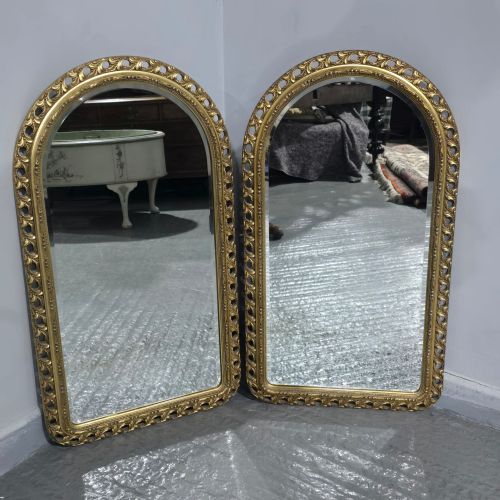
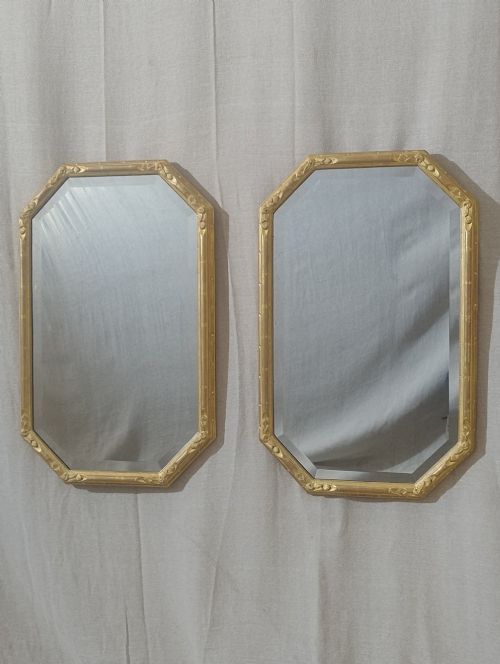
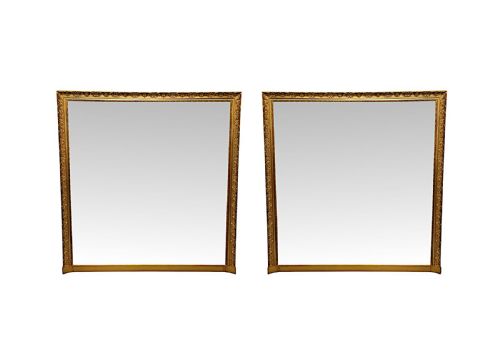
Matching gold mirrors bring balance and light to a room, appearing across Georgian, Victorian, and early twentieth-century periods.
Matching Gold Mirrors
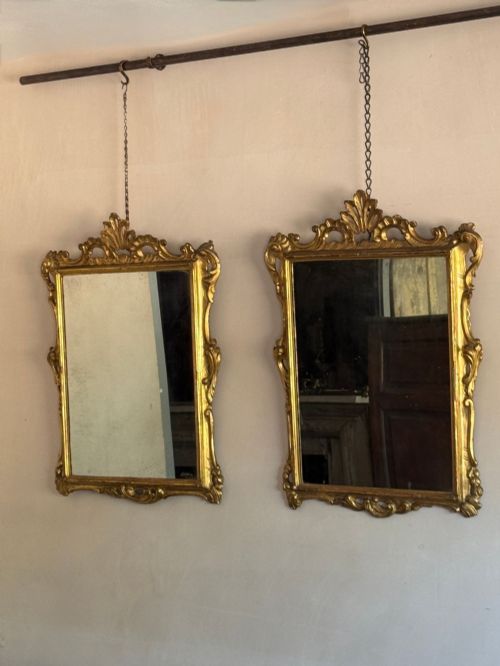
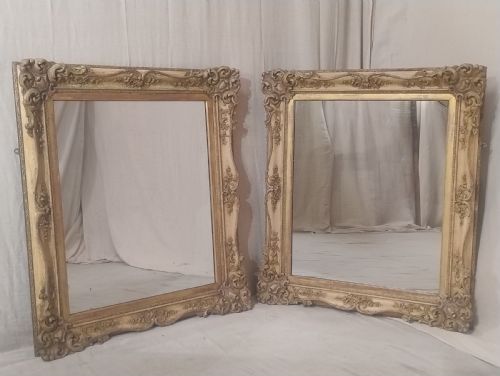
Matching gold mirrors encompass pairs and sets of reflective pieces united by their gilded finishes, framing materials, and period styles. When searching for matching gold mirrors, collectors encounter items ranging from Georgian walnut and parcel gilt pieces to ornate Victorian and Edwardian wall and overmantel designs.
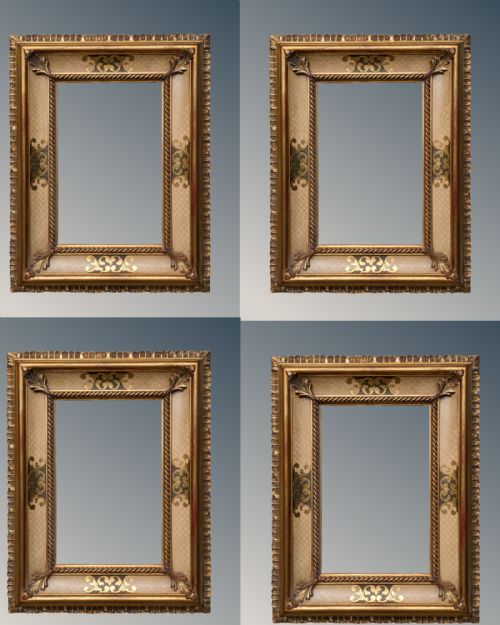
The selection frequently includes pairs of giltwood oval, round, and large rectangular mirrors, alongside console tables paired with matching giltwood mirrors. These objects span the nineteenth century through the early twentieth century, incorporating French Louis XV, Rococo Revival, and Italian Renaissance Revival influences.
Originating primarily as functional and decorative wall furnishings for grand interiors, these pieces serve to amplify natural light and symmetry within domestic spaces. Buyers typically find them configured as symmetrical pairs or sets of four frames.
Materials and construction methods
These items are constructed using traditional timber foundations such as wood and walnut, which are then prepared for gilding. Artisans applied layers of gesso to the wooden substrates to create a smooth, responsive surface for carving and finishing.
The distinctive gold finish is achieved through the application of gold leaf or water gilding techniques. Mirror glass is set within these handcrafted frames, accompanied occasionally by marble tops on integrated console tables.
Matching Gold Mirrors Retail Price Guide 2026
Typical asking prices for matching gold mirrors among the pieces listed under this phrase on Sellingantiques today, from the lower quarter to the upper quarter. They describe what is for sale here now, not the wider market.
Some console tables arrive with marble tops so heavy they require a small team just to discuss where the tea goes.
Evaluating craftsmanship and condition
Quality in these pieces is dictated by the precision of the hand-carving on the wooden frames and the finesse of the underlying gesso work. Finer examples display crisp detail in stylistic elements like Rococo scrolls or architectural mouldings, whereas simpler designs rely on clean lines and balanced proportions.
The integrity of the original water gilding or gold leaf application further distinguishes superior specimens from later or heavily restored alternatives. The clarity and preservation of the historic mirror glass also contribute significantly to the standing of a pair.
The Matching Gold Mirrors Glossary
- Giltwood
- Timber that has been coated with gold leaf or powder. This material forms the primary structure of many antique frames.
- Gesso
- A plaster-like mixture applied to wood frames to provide a smooth base for carving and gilding. It allows for intricate decorative relief work.
- Parcel Gilt
- A finishing technique where only specific portions of an object are gilded, leaving contrasting wood visible. Walnut and other timbers often feature this treatment.
- Water Gilding
- A traditional method of applying gold leaf over wet gesso and bole using water as an adhesive. This process allows the gold to be burnished to a high gloss.
- Overmantel Mirror
- A large mirror designed to hang specifically above a fireplace mantel. These pieces often feature wide proportions to match the hearth below.
Matching Gold Mirrors: Frequently Asked Questions
How do I hang heavy giltwood mirrors safely?
Heavy giltwood frames require robust wall fixings anchored directly into studs or masonry to support their substantial weight.
Professional mirror hangers utilise split battens or heavy-duty D-rings distributed evenly across the timber backing to ensure stability.
Can I place these mirrors in a hallway?
These mirrors function well in hallways, where they help to bounce natural light and create a sense of expanded space.
Pairing them with a matching console table provides a cohesive architectural focal point near an entryway.
How do I identify a Georgian mirror?
Georgian mirrors typically feature understated timber frames, often utilising walnut or simple parcel gilt accents reflecting eighteenth-century proportions.
Construction details on the reverse and traditional joinery methods help distinguish pieces from later nineteenth-century revivals.