

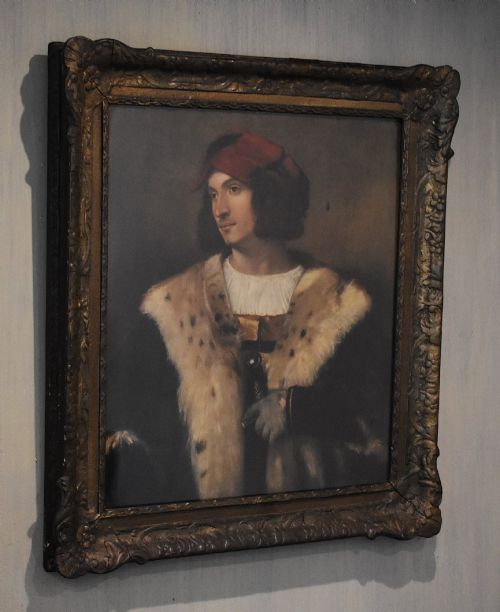


Master Print Artwork
Master print artwork brings centuries of historic printmaking and classic imagery into your rooms, offering authentic interpretations by celebrated hands.
Master Print Artwork
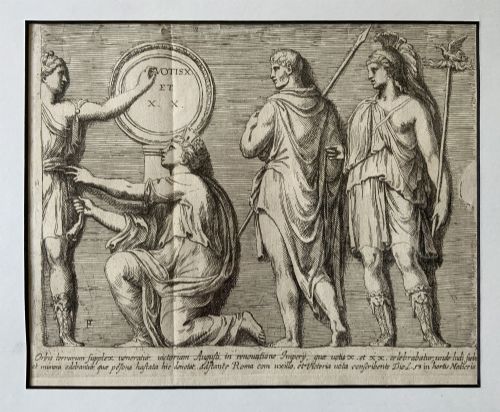
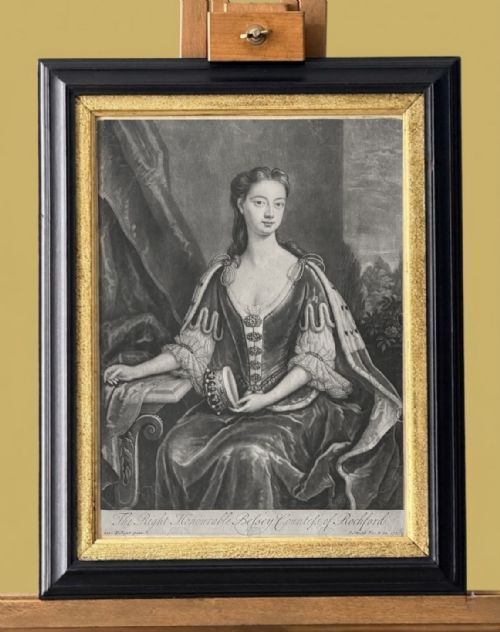
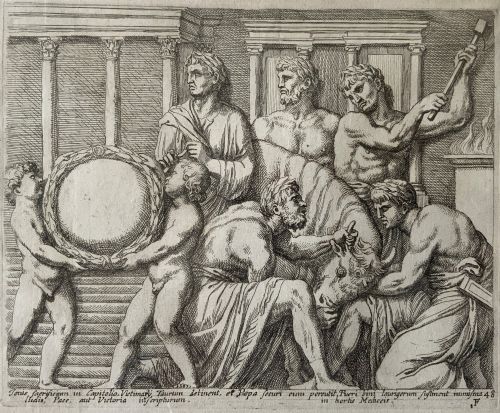
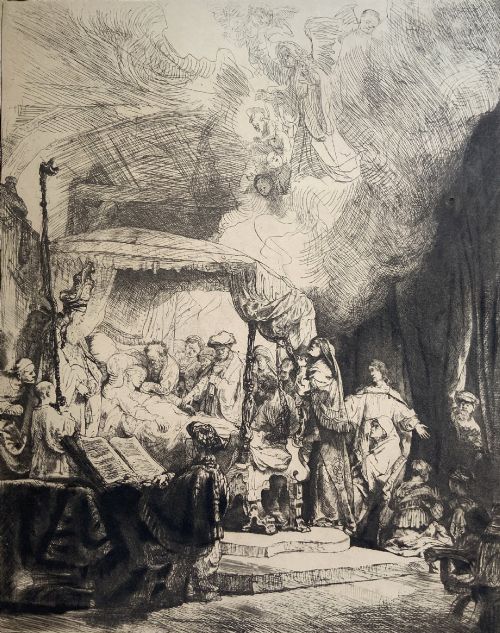
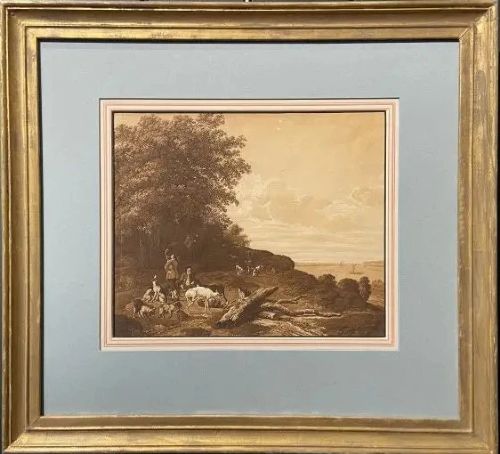
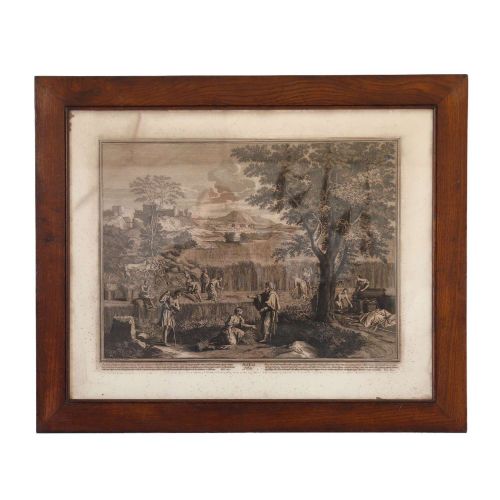
Master print artwork comprises historical engravings, etchings, and mezzotints spanning from the seventeenth century through to later modern periods. These framed works reproduce or originate from classical compositions by notable painters and printmakers, preserved on paper.
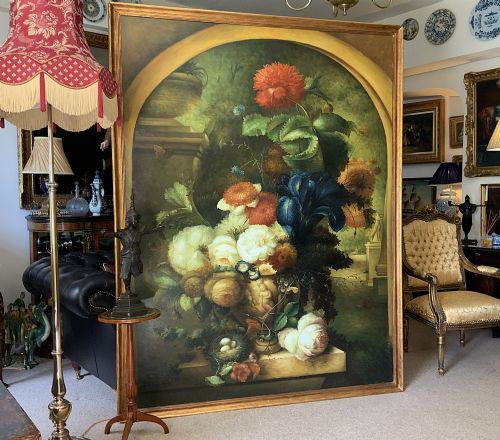
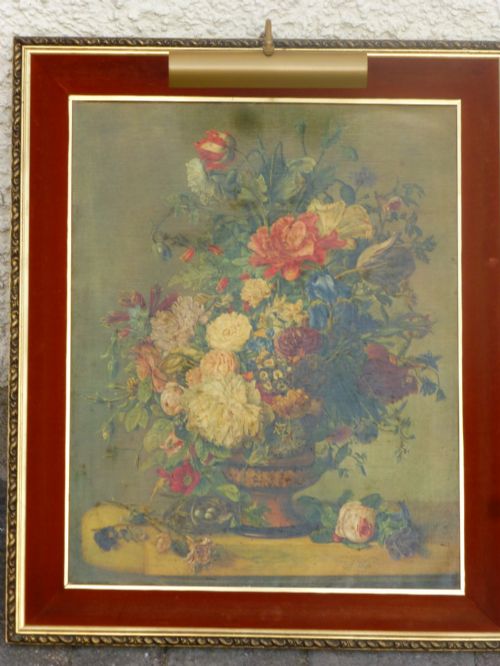
The selections available here showcase diverse subjects, ranging from classical antiquity scenes and religious iconography to traditional still life flowerpieces and detailed portraiture. Buyers frequently encounter framed prints, engravings, and fine art prints housed behind glass within traditional wooden frames.
Originating across various European traditions, these works capture the stylistic shifts from Baroque classicism and the Dutch Golden Age to Renaissance revival and twentieth-century modernism.
Materials and Techniques
Printmakers utilised specialised techniques such as etching, line engraving, mezzotint, and lithography to transfer intricate designs onto paper supports using dark ink. Artisans often supplemented these monochrome or coloured prints with gold leaf detailing, velvet mounts, and protective glass.
The finished sheets were secured within timber frames, sometimes incorporating brass hardware, to protect the delicate paper and media from environmental wear.
Later twentieth-century examples incorporate canvas and oil paint layers alongside traditional print methods, reflecting evolving methods of reproduction and artistic creation.
Listings feature works spanning from the seventeenth century through to the 1960s, executed in mediums including ink, gold leaf, and oil on canvas.
Assessing Quality and Execution
Quality rests in the crispness of the ink impression upon the paper, where deeper plate marks and sharper lines indicate a stronger pull from the original matrix. Finer examples retain their tonal depth and contrast across complex shadows and fine details.
The integrity of the physical presentation, including the preservation of the paper substrate and the quality of the surrounding period frame, distinguishes superior examples from simpler decorative pieces.
The historical significance of the printmaker and the fidelity of the translation from the original master painter elevate certain works above standard commercial reproductions.
John Smith·François Perrier·Amand Durand·Johannes Lingelbach·Jacobus Houbraken·Terence Loudon·Pablo Picasso·Andrea Mantegna
The Master Print Artwork Glossary
- Etching
- A printmaking process where lines are bitten into a metal plate with acid before being inked and pressed onto paper. This technique allows for expressive, fluid lines comparable to a pen drawing.
- Mezzotint
- A tonal printmaking method that achieves smooth gradations of light and shade without using line. It is prized for creating rich, velvety dark backgrounds and subtle portraits.
- Engraving
- A technique where an artist cuts lines directly into a metal plate using a sharp tool called a burin. The resulting prints exhibit exceptional precision and clean, sharp contours.
- Oleograph
- A mechanical colour print on canvas that simulates an oil painting through textured varnishing. These developed as an accessible way to enjoy classic compositions.
- Lithography
- A planographic printing process based on the mutual repulsion of oil and water. Artists draw directly onto a limestone block or metal plate to achieve painterly results.
Master Print Artwork: Frequently Asked Questions
What is master print artwork?
Master print artwork refers to historical prints, engravings, and etchings created after renowned artists and traditional compositions. These works capture centuries of printmaking heritage.
They offer collectors a direct connection to classical imagery, featuring subjects like mythology, religious scenes, and portraits.
How should I frame these prints?
Historic prints require protective framing behind glass to shield delicate paper and ink from light and moisture damage. Acid-free mounts prevent chemical degradation over time.
Matching the frame style to the period of the artwork ensures a cohesive and historically sympathetic presentation.
Are these works original prints?
The selection includes period etchings and engravings produced centuries ago, alongside later nineteenth-century printings from historic plates. Some pieces represent twentieth-century lithographs and oil-based reproductions.
Examining the paper characteristics and plate impressions helps clarify the specific production period of each item.
How do I care for antique paper art?
Keep antique prints away from direct sunlight and high humidity to prevent paper discolouration and foxing. Stable indoor temperatures preserve the integrity of both the paper and the frame.
Professional framing with UV-filtering glass offers the best long-term protection for these historic pieces.