
Marquetry Top Table
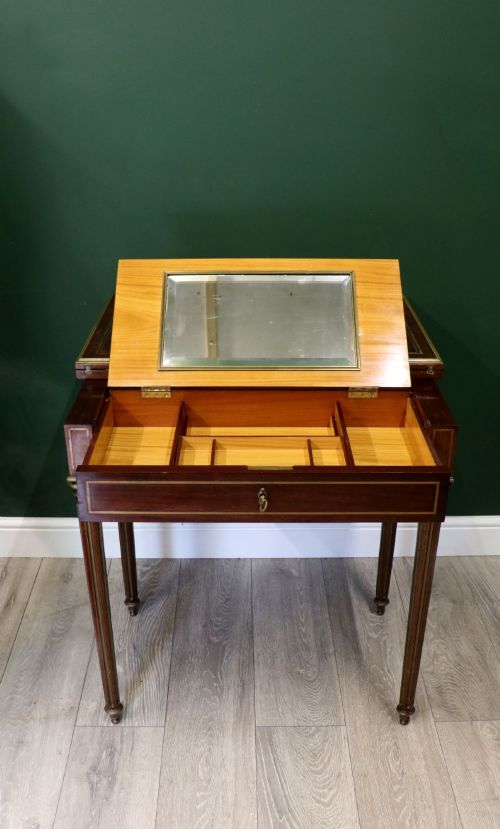
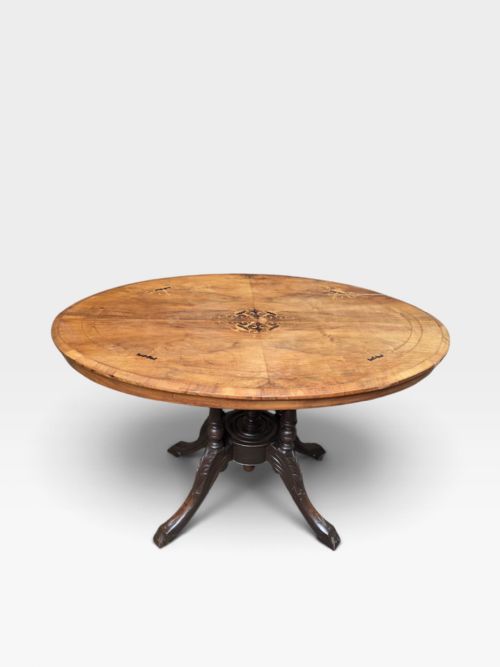
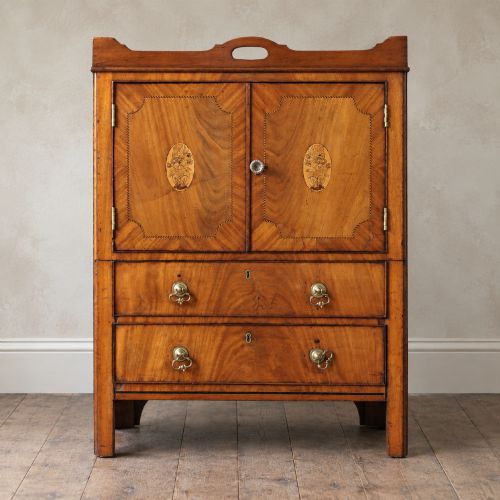
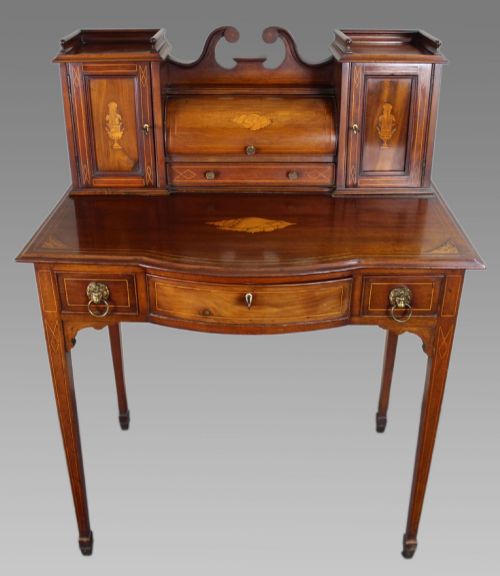
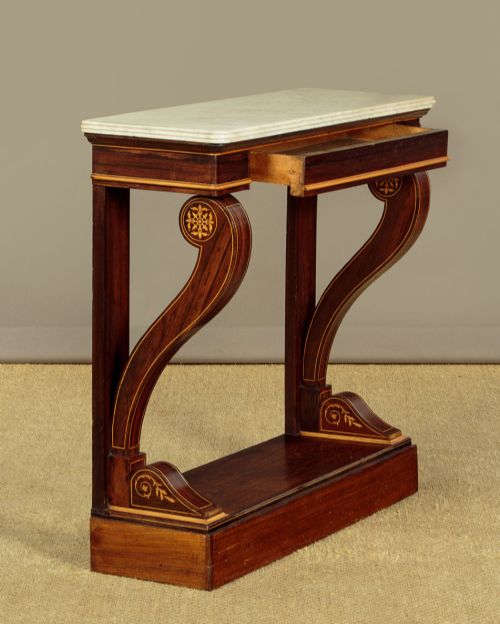
A marquetry top table brings intricate floral and geometric wood veneers into daily use as a striking centrepiece or practical desk.
Marquetry Top Table
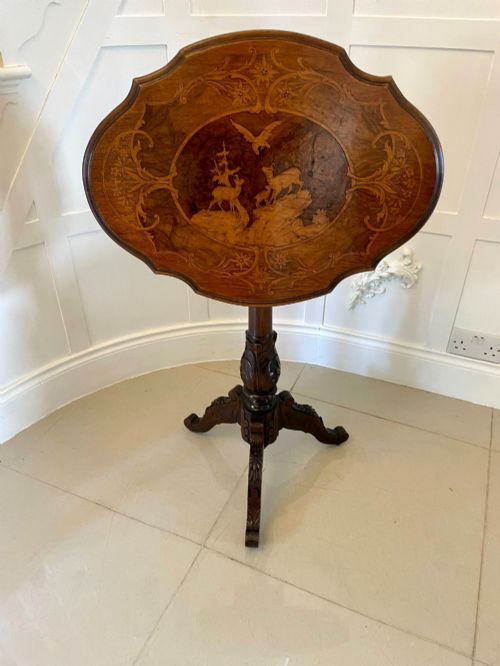
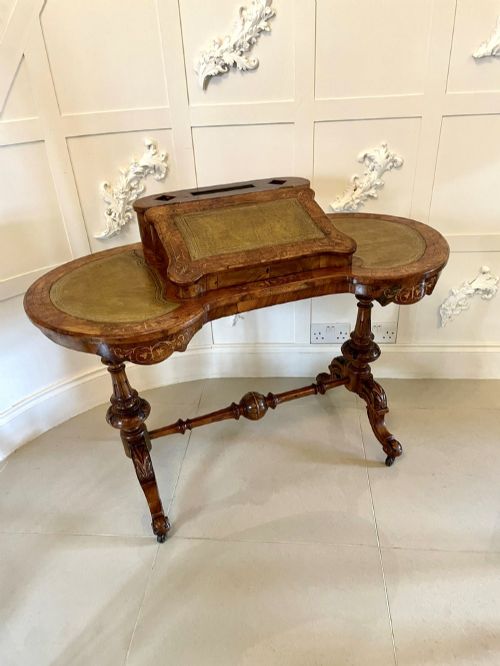
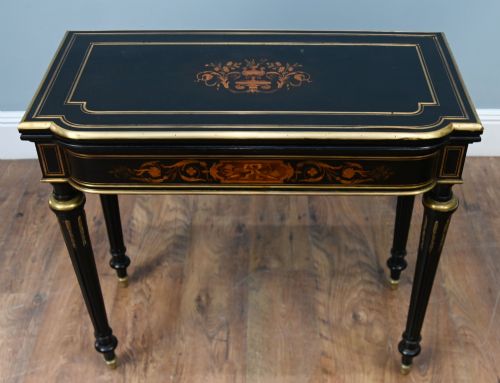
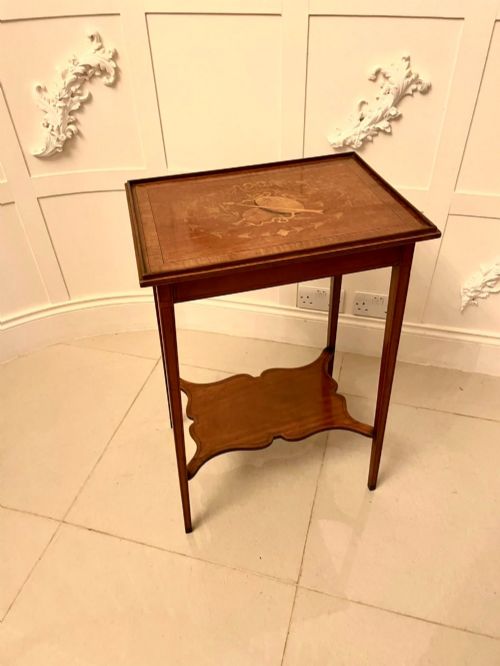
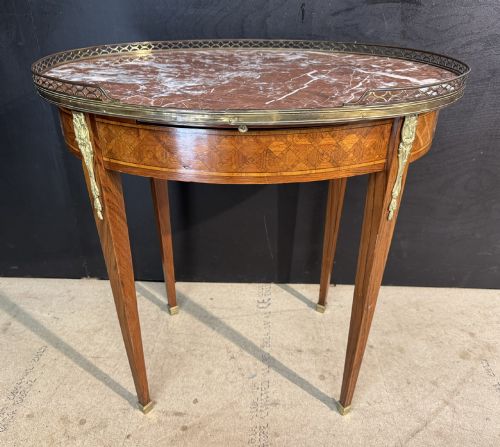
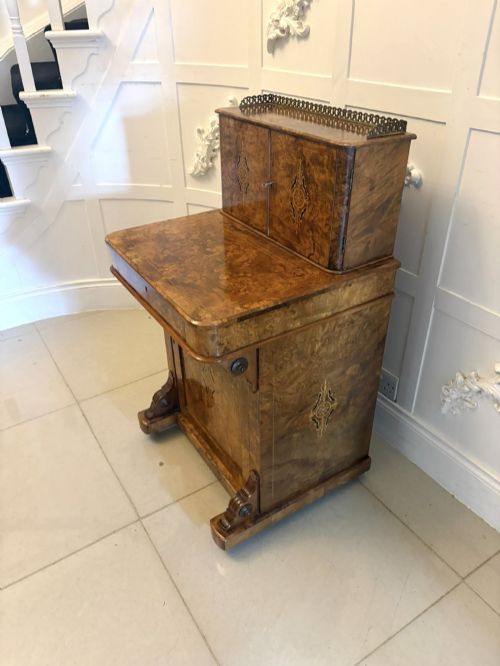
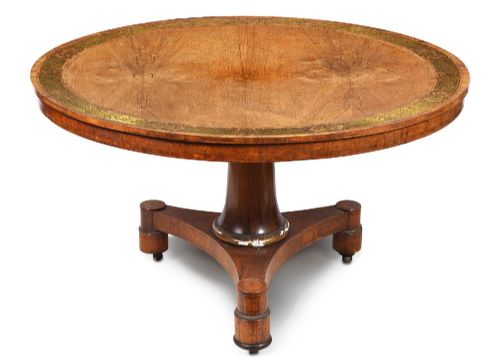
A marquetry top table is essentially a surface decorated with fitted wood veneers forming pictorial or geometric designs, spanning Victorian, Edwardian, and Georgian eras. You will frequently encounter these pieces shaped as centre tables, card tables, occasional tables, and writing desks from the nineteenth century.
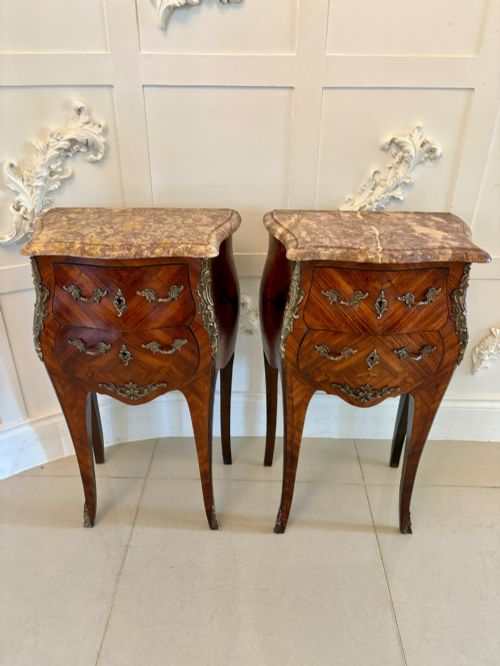
The domestic forms range from small lamp and bedside tables to larger freestanding games tables and bureau desks. Walnut, mahogany, and kingwood bodies appear alongside specialised shapes like kidney-shaped writing tables and envelope card tables.
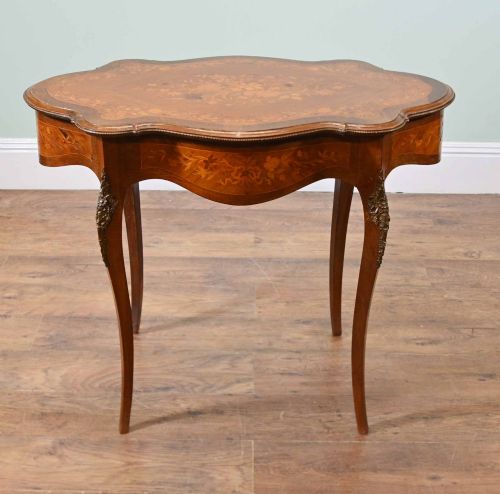
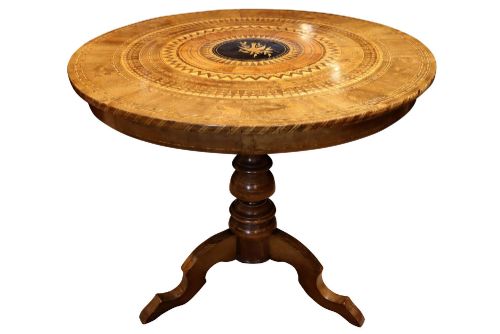
Continental workshops contribute distinct regional variations, including French Louis XV style tables, Italian Sorrento pieces, and Swiss Black Forest examples. These sit alongside British Victorian walnut and mahogany pieces featuring elaborate inlaid decoration.
Materials and technique
Cabinet makers constructed these tables using a sturdy timber carcase of walnut, mahogany, or rosewood, onto which thin veneers of contrasting exotic woods were applied. Satinwood, kingwood, and burr walnut provided the varied tones required for pictorial marquetry and geometric parquetry patterns.
Craftsmen cut floral and scroll motifs from fine wood sheets using a fretsaw, assembling the pieces together like a jigsaw before gluing them to the tabletop. Brass stringing, ormolu mounts, and marble inserts frequently completed the composition, particularly on French and Victorian salon furniture.
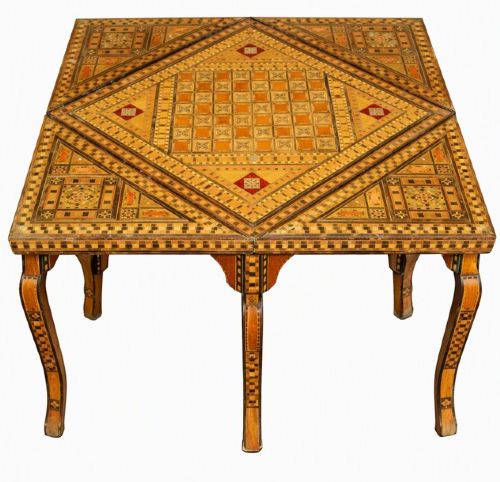
Several tables feature clever folding mechanisms designed specifically to hide card decks and patience counters beneath inlaid wooden flaps.
Distinctions in craftsmanship
Quality rests primarily on the precision of the veneer cutting and the harmonious selection of natural timber grains. Tighter joints between individual veneer segments and sharper detail in floral inlay separate superior workshop production from simpler commercial output.
The secondary materials and structural joinery also dictate standard, where solid brass mounts, carefully fitted drawers, and substantial carcase timbers like burr walnut indicate higher maker ambition. Tables retaining crisp surface definition and stable tabletops without excessive veneer shrinkage demonstrate better survival through use.
Maple & Co.·Edward Holmes Baldock·Edwards & Roberts·Gillows
The Marquetry Top Table Glossary
- Marquetry
- The art of applying decorative pieces of veneer to a structural carcase to form pictures or ornamental patterns. It differs from parquetry by creating pictorial or curvilinear designs rather than geometric grids.
- Parquetry
- A geometric mosaic of wood pieces used for covering floors or furniture surfaces. This technique often appears on tabletops alongside floral marquetry panels.
- Ormolu
- Gilded bronze mounts applied to furniture edges and legs. This decorative hardware frequently characterises nineteenth-century French salon tables.
- Envelope table
- A clever games table design with a rotating top that opens outward like an envelope to reveal a baize-lined playing surface. These typically feature inlaid wood borders.
- Burr walnut
- A prized timber harvested from walnut tree growths, producing swirling, knotty grain patterns. Cabinet makers selected it for its decorative impact on Victorian table surfaces.
Marquetry Top Table: Frequently Asked Questions
What is a marquetry top table used for?
These tables served various domestic functions, acting as writing desks, card tables for evening games, or decorative lamp and centre tables in nineteenth-century reception rooms.
Their ornamented surfaces were intended to be displayed in prominent rooms rather than tucked away, combining practical utility with visual display.
How do I care for a veneered table?
Keep the wood away from direct heat sources and strong sunlight to prevent the delicate veneer from drying out and lifting from the carcase.
Dust gently with a dry cloth and avoid applying modern aerosol polishes that can degrade the traditional polish finish over time.
How can I tell a French table from an English one?
French tables of this period often incorporate gilt bronze ormolu mounts, kidney shapes, and kingwood or tulipwood veneers in the Louis XV revival style.
English pieces frequently utilise burr walnut or mahogany with subtler brass stringing and more rectilinear structural forms.
What is the difference between marquetry and inlay?
Strictly speaking, inlay involves recessing pieces of wood into a solid carved cavity, whereas marquetry assembles an entire picture from veneers before applying it to the surface.
Many antique descriptions use the terms interchangeably, but the pieces listed here generally rely on the veneer assembly method.