

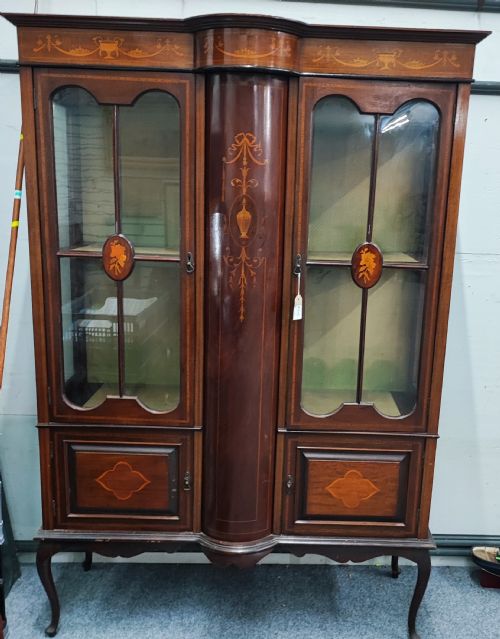


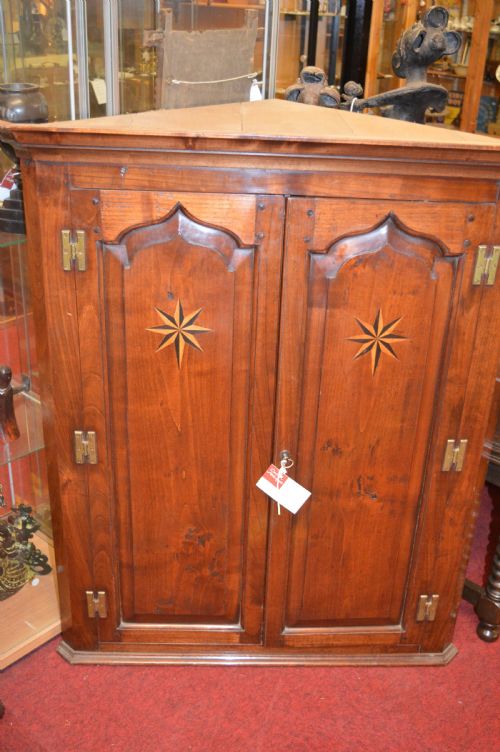


Marquetry Timber Cupboard
These marquetry timber cupboard examples combine intricate wood inlay with practical storage, offering a sophisticated focal point for traditional and period interiors.
Marquetry Timber Cupboard
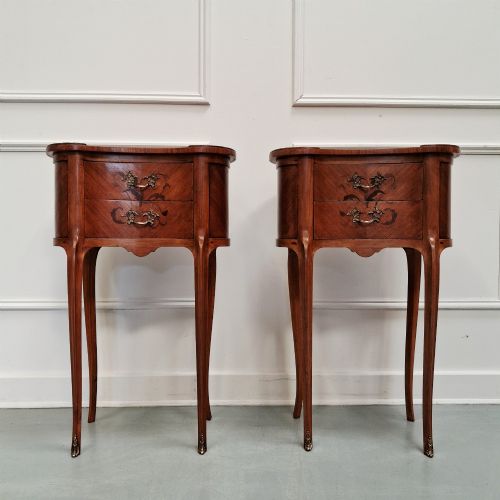
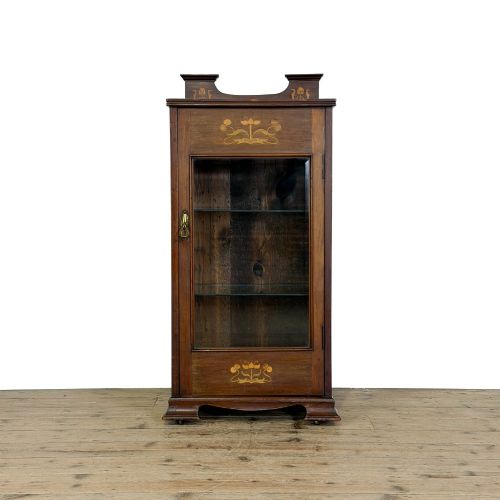
When you search for a marquetry timber cupboard, you encounter a varied selection of antique storage furniture spanning several centuries. The pieces range from seventeenth-century cabinets on chests to Edwardian display cabinets, linen presses, and bedside tables.
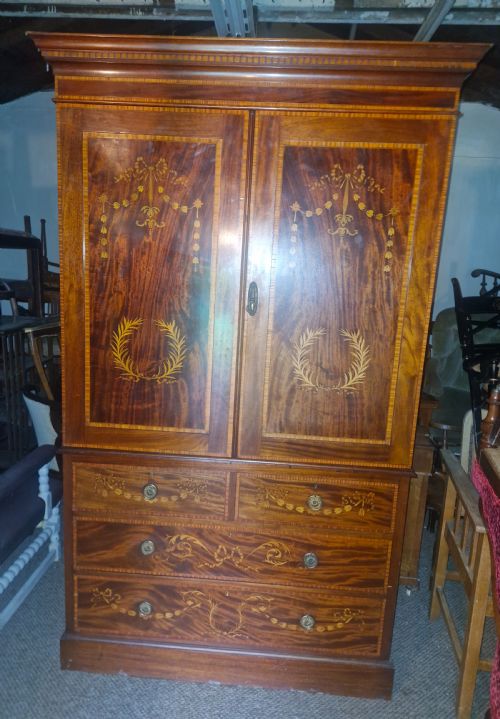
Victorian and Edwardian iterations dominate the selection, often taking the form of side cabinets, commodes, and hanging cupboards. These later pieces frequently incorporate satinwood, mahogany, or walnut, decorated with contrasting wood inlay.
Earlier examples, such as eighteenth-century commodes and seventeenth-century cabinets, showcase elaborate burr elm, burr yew, and amboyna veneers. Buyers are most likely to meet Edwardian inlaid mahogany and satinwood forms on this page, reflecting the popularity of revival styles during that period.
Materials and construction methods
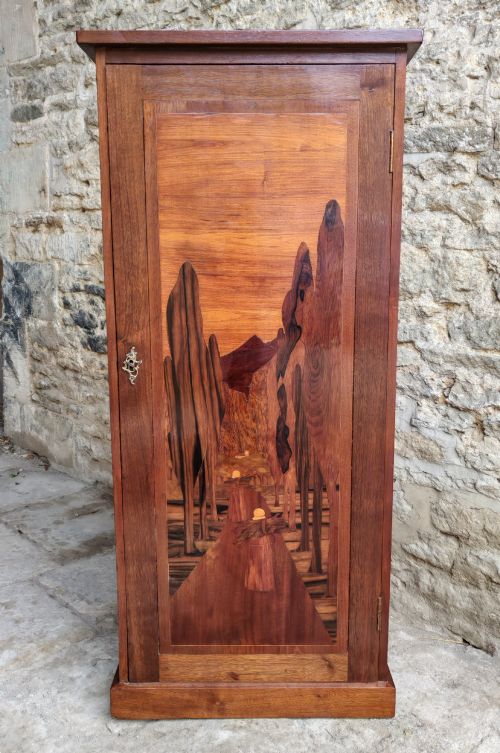
Cabinet makers utilised a foundation of solid timber such as mahogany, walnut, or kingwood, applying fine veneers and wood inlay to decorative surfaces. Marquetry patterns were formed by meticulously cutting and fitting contrasting pieces of timber, including satinwood and various burl woods, into geometric or pictorial designs.
Many cabinets incorporate additional decorative elements such as brass mounts, glass panels, and marble tops, particularly in French Napoleon III and Victorian examples. The structural integrity relies on traditional joinery techniques appropriate to each period, from seventeenth-century cabinet construction to Edwardian wardrobe assembly.
Marquetry Timber Cupboard Retail Price Guide 2026
Typical asking prices for marquetry timber cupboard among the pieces listed under this phrase on Sellingantiques today, from the lower quarter to the upper quarter. They describe what is for sale here now, not the wider market.
Some nineteenth-century bedside cabinets doubled as discreet nightstands, concealing utilitarian necessities behind elaborately inlaid decorative doors.
Judging the quality of marquetry furniture
Proportion, architectural balance, and the integration of secondary materials such as marble tops or cast brass mounts separate standard items from superior works. The crispness of the carving and the depth of the timber grain reveal the skill of the original workshop.
Druce & Co.
The Marquetry Timber Cupboard Glossary
- Marquetry
- Decorative veneer work where pieces of contrasting timber are assembled to form pictorial or geometric designs. This technique distinguishes high-status cabinetry from plain wood surfaces.
- Commode
- A low cabinet or chest of drawers, often standing on legs, popular in eighteenth and nineteenth-century interior design. They frequently feature elaborate marble tops and detailed veneer work.
- Satinwood
- A durable, lustrous timber native to India and Ceylon, prized for its golden-yellow sheen. It became especially popular in late eighteenth-century and Edwardian furniture.
- Linen Press
- A tall piece of furniture designed for storing textiles, typically featuring upper cupboard doors enclosing sliding trays above a base of drawers. These were essential items in large period households.
Marquetry Timber Cupboard: Frequently Asked Questions
What is a marquetry timber cupboard?
A marquetry timber cupboard is an enclosed storage piece decorated with fitted wood veneers that form decorative patterns. These items range from compact bedside cabinets to large wardrobe sections.
Craftsmen used contrasting timbers like satinwood and mahogany to create intricate surface designs on the doors and panels. They serve as both functional storage and decorative centrepieces in a room.
How do I date an antique cupboard?
Dating relies on examining the timber species, construction methods, and stylistic influences present in the piece. Seventeenth-century examples display different joinery and timber choices compared to Edwardian revivals.
Hardware such as brass handles and hinges also provide clues to the period of manufacture. Comparing the stylistic motifs to documented furniture styles helps narrow down the decade.
Where were these cabinets placed?
These cabinets served various functions throughout the home, from bedrooms to principal reception rooms. Smaller commodes and bedside tables functioned as nightstands or supplementary storage.
Larger display cabinets and side cabinets occupied drawing rooms to showcase valuable ceramics and glassware. Linen presses found their place in bedrooms or hallways for storing household textiles.
How do I care for antique marquetry?
Maintaining antique marquetry requires protecting the delicate wood veneers from extreme humidity and direct sunlight. Stable room temperatures prevent the timber from warping and the veneer from lifting.
Routine dusting with a soft, dry cloth preserves the finish. Professional conservation wax can be applied sparingly to nourish the wood without building up heavy residues.