

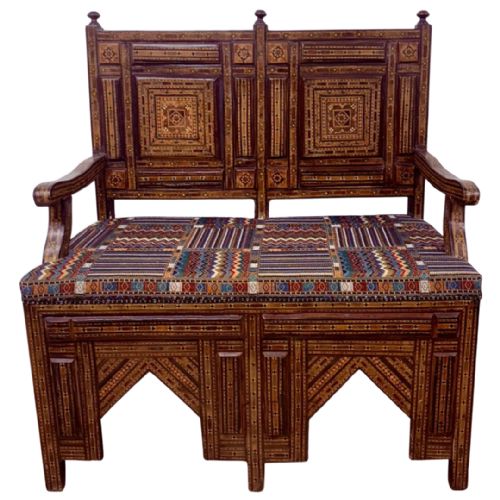
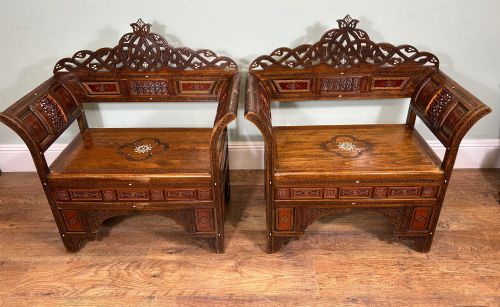

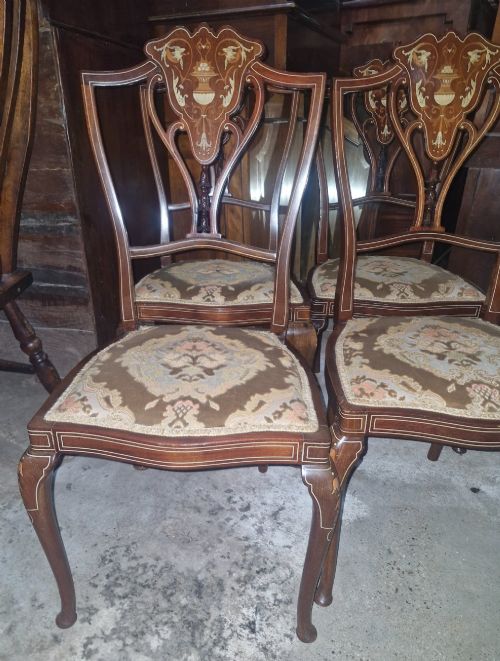
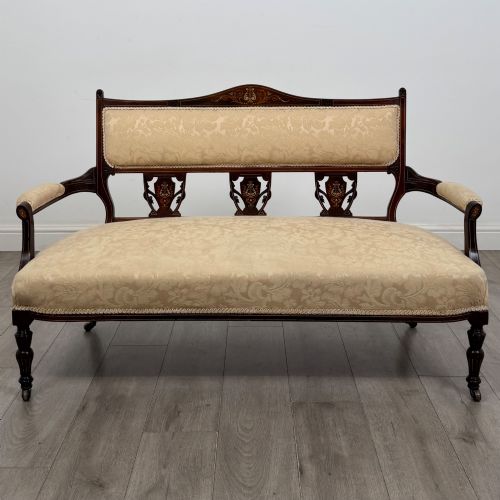
Marquetry Inlaid Seat
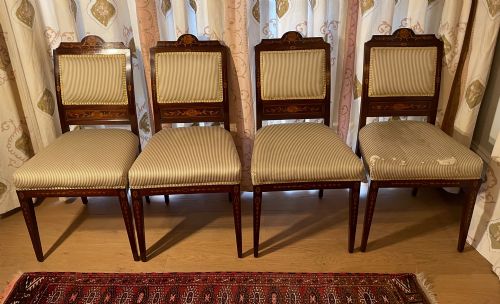
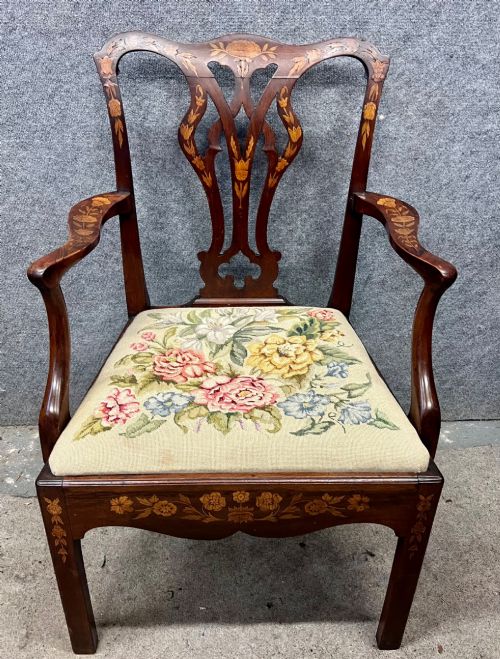
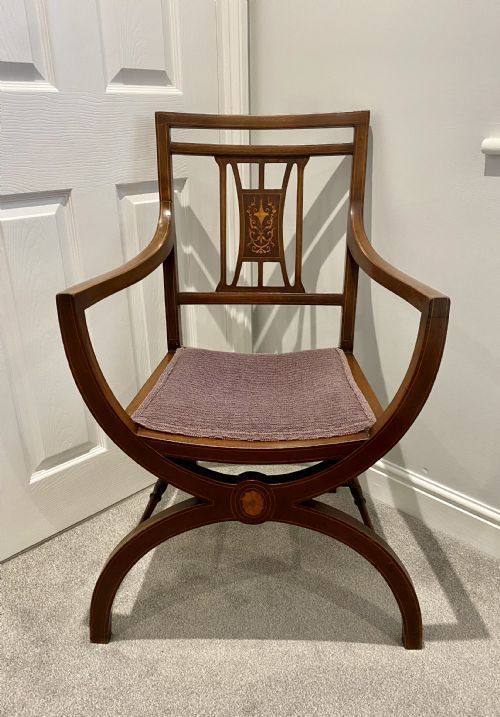
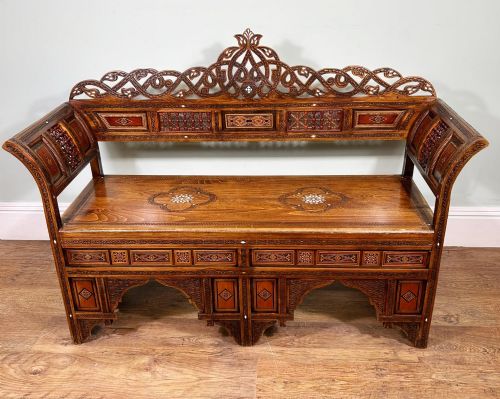
These marquetry inlaid seat pieces unite timber frames with precise floral or geometric veneers, offering collectors functional furniture with ornamental craft.
Marquetry Inlaid Seat
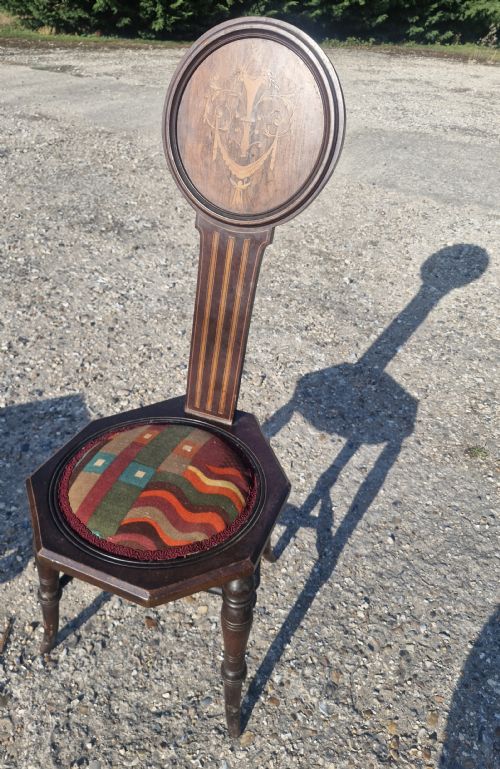
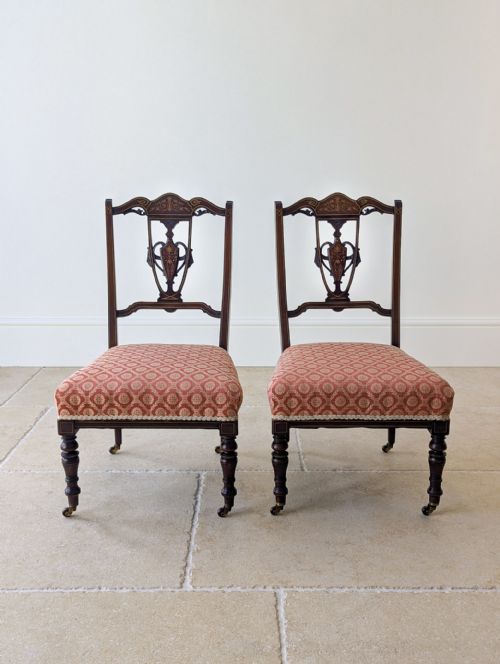
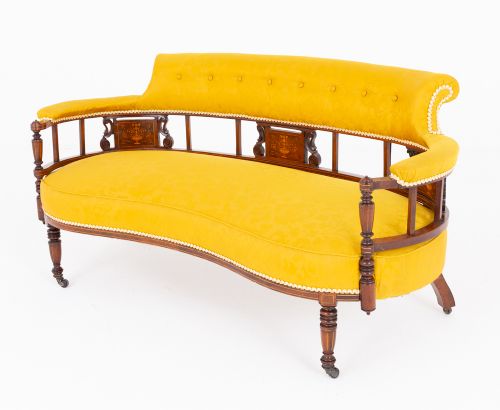
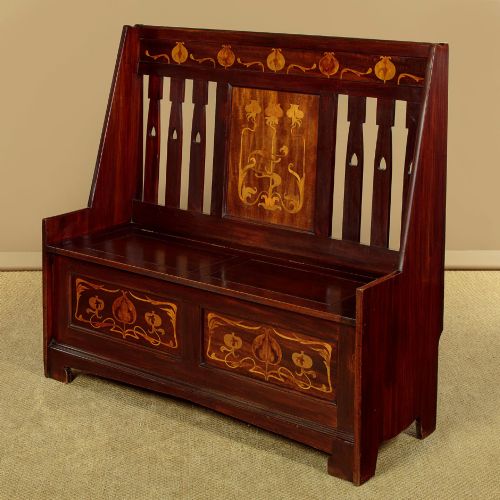
A marquetry inlaid seat encompasses a broad range of forms, from single armchairs and side chairs to larger settees and window seats. Buyers searching for a marquetry inlaid seat most frequently encounter Edwardian mahogany examples alongside Victorian and Regency pieces.
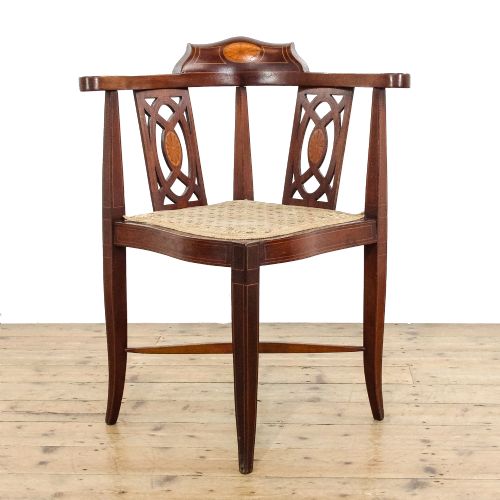
The selection extends across multiple centuries, including Georgian and late nineteenth-century items fashioned as salon chairs, piano stools, and corner armchairs. These seating options served formal reception rooms, bedrooms, and libraries alike.
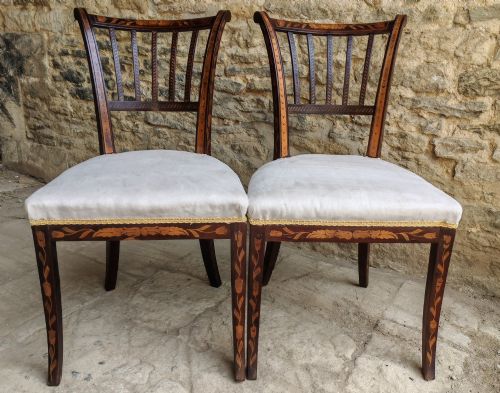
Regional variations appear within the inventory, ranging from English mahogany and rosewood constructions to Dutch walnut high back dining chairs and Swiss musical seating. Each period brings distinct proportions and framing methods to the seat structure.
Materials and construction
Cabinetmakers constructed the primary frames of a marquetry inlaid seat using hardwoods such as mahogany, walnut, and rosewood. Satinwood and bone served as contrasting veneer elements to create detailed floral, scroll, or geometric patterns.
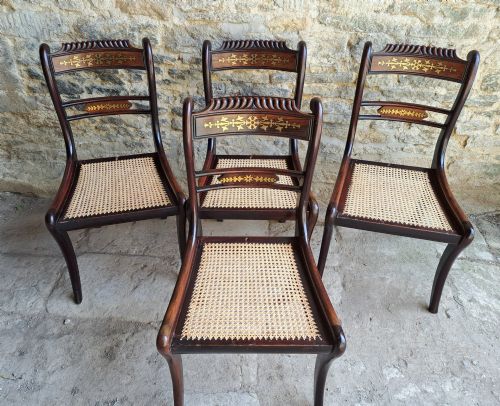
Regency and nineteenth-century workshops often utilised brass inlay alongside timber veneers to accent the rail and back structures. Upholstery materials included original or replacement fabrics, velvet, and cane seating inserts.
Marquetry Inlaid Seat Retail Price Guide 2026
Typical asking prices for marquetry inlaid seat among the pieces listed under this phrase on Sellingantiques today, from the lower quarter to the upper quarter. They describe what is for sale here now, not the wider market.
The listings feature mahogany, rosewood, walnut, and satinwood alongside brass and bone inlay across Edwardian, Victorian, and Regency periods.
Judging the work
Quality in a marquetry inlaid seat rests on the crispness of the veneer cutting and the tightness of the fit within the timber ground. Superior examples display minimal filler between the contrasting woods and maintain symmetry across the backrest and legs.
The integrity of the frame construction and the preservation of the original timber finish dictate the standing of individual chairs and settees. Pieces retaining their structural rigidity without excessive timber shrinkage represent the higher tiers of the range.
James Shoolbred and Co
The Marquetry Inlaid Seat Glossary
- Marquetry
- A decorative technique where small pieces of veneer are assembled to form pictorial or geometric patterns on a timber surface. It differs from simple inlay by covering the entire background field.
- Settee
- A small upholstered sofa with a back and arms, designed for two or more people. These pieces often feature matching marquetry panels on the crest rail.
- Satinwood
- A durable, light-coloured tropical timber utilised extensively for contrasting details and stringing lines in Edwardian furniture. Its natural lustre provides sharp visual separation against darker rosewood or mahogany.
- Faux rosewood
- A painted or grained surface finish mimicking the distinctive dark figuring of genuine rosewood. Nineteenth-century makers frequently applied this technique to beech or other secondary timbers.
Marquetry Inlaid Seat: Frequently Asked Questions
How do I identify an Edwardian marquetry inlaid seat?
Edwardian examples typically combine lighter mahogany or satinwood frames with delicate floral veneer motifs. They reflect a revival of eighteenth-century neoclassical designs adapted for domestic bedroom and salon use.
Examination of the underside and secondary woods helps confirm the period. Edwardian pieces often display machine-milled components alongside hand-cut marquetry work.
Where were these seats placed in period homes?
Smaller chairs and nursing seats were stationed in bedrooms or morning rooms, while settees and window seats occupied drawing rooms and hallways. Corner armchairs and desk chairs served functional roles in studies and libraries.
Formal salon suites included matching sets of chairs designed to be arranged along parlour walls. Window seats were specifically proportioned for placement beneath low casements.
What is the difference between brass inlay and marquetry?
Marquetry employs fitted pieces of wood veneer to create pictorial designs across a timber ground. Brass inlay utilises thin metal strips embedded directly into channels cut into the wood.
Regency makers frequently combined both techniques on faux rosewood or mahogany frames to achieve high-contrast decorative effects.
How should I care for antique veneered seating?
Maintain stable indoor humidity levels to prevent the timber ground and delicate veneer from shrinking or lifting. Apply high-quality wax polish sparingly to nourish the wood surface.
Avoid placing veneered furniture in direct sunlight, which can fade satinwood and rosewood over time. Protect upholstered elements from excessive friction and moisture.