

Marquetry Inlaid Furniture
Marquetry inlaid furniture brings together precise wood craft and historical design, offering rich visual depth for everyday rooms.
Marquetry Inlaid Furniture
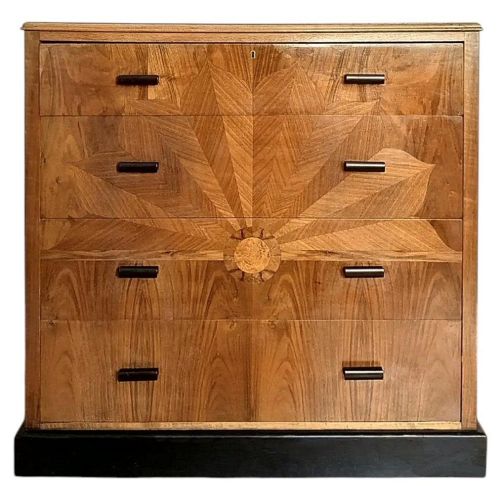
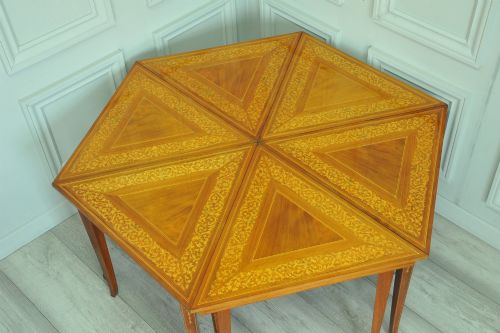
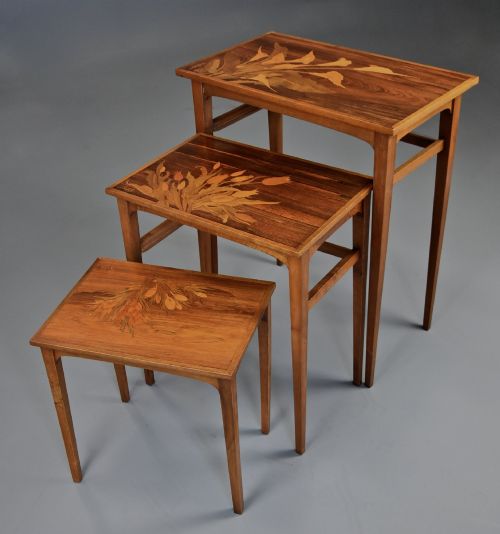
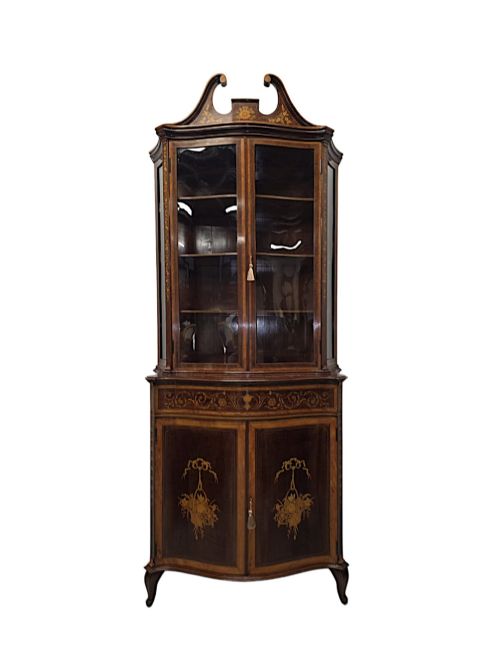
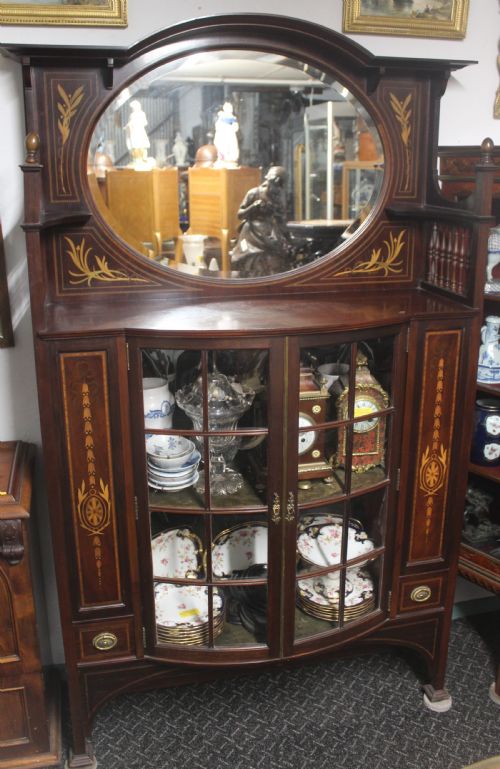
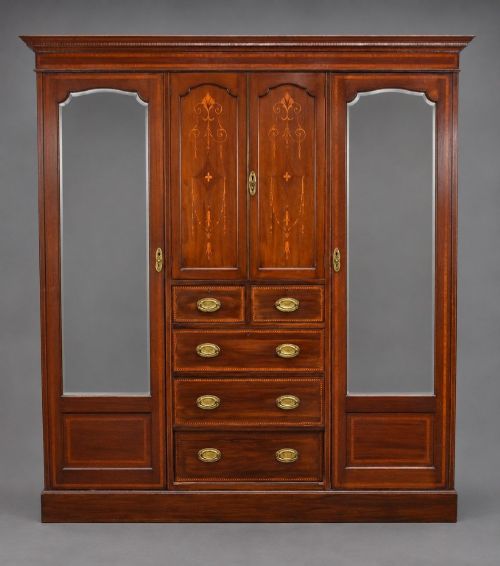
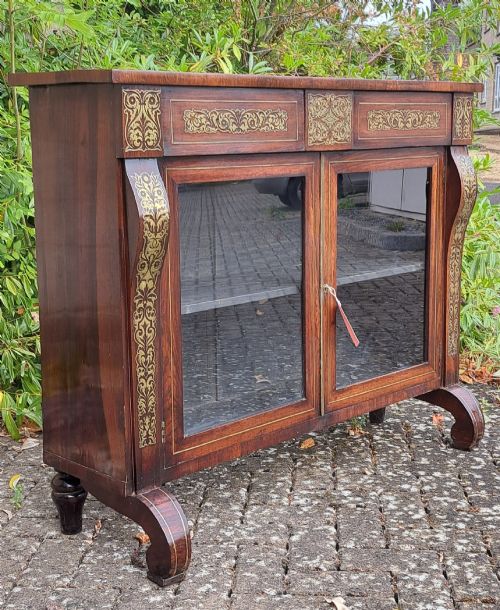
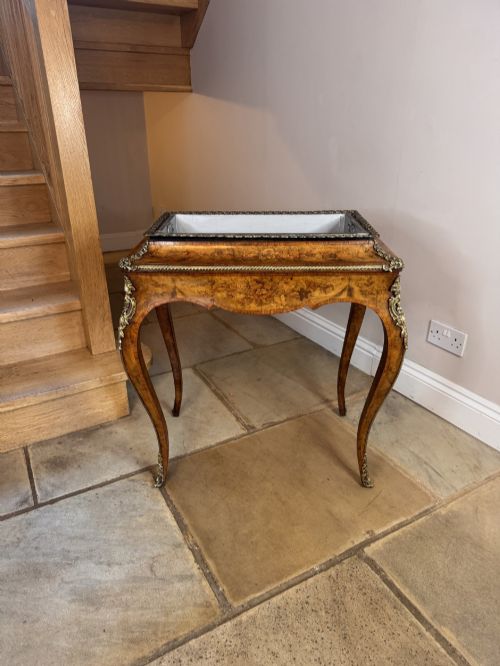
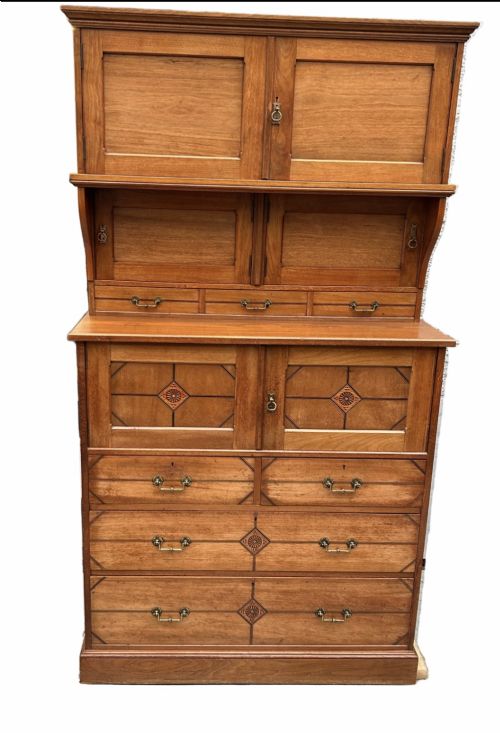
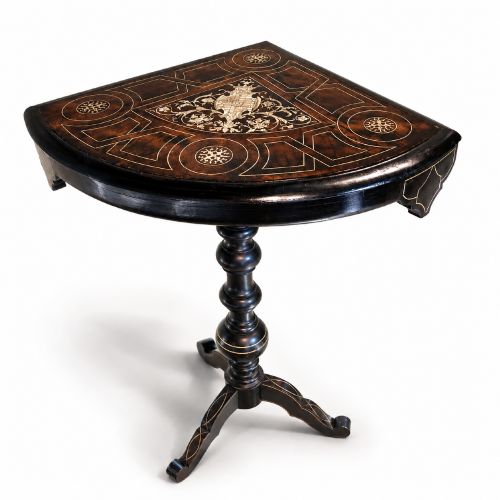
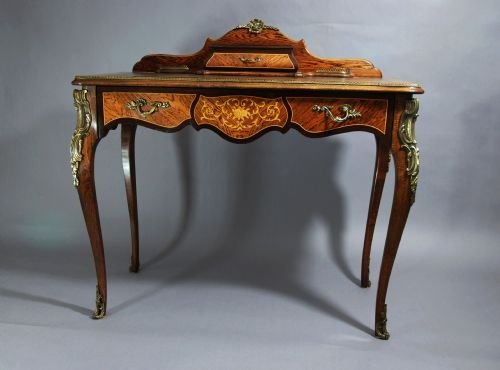
Marquetry inlaid furniture encompasses functional household items ornamented with fitted wood veneers that form pictorial or geometric patterns. These pieces span centuries of design, covering forms such as writing desks, display cabinets, chests of drawers, and occasional tables.
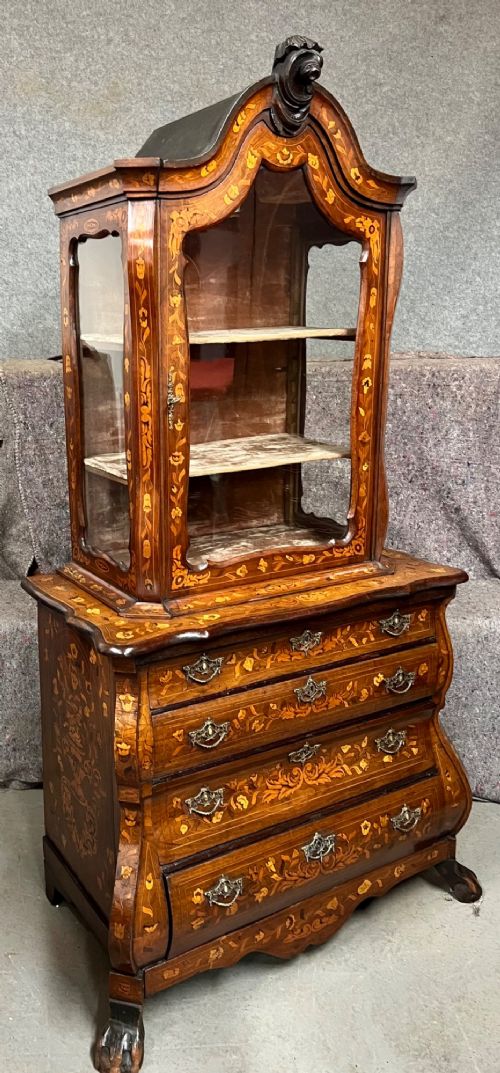
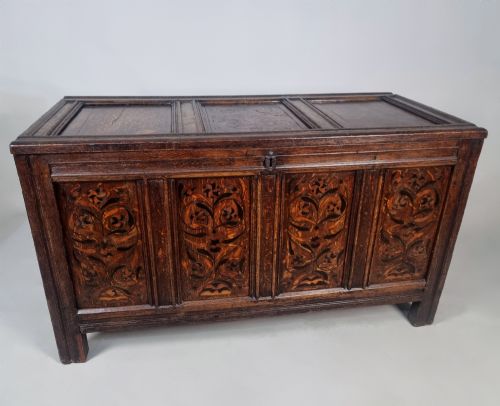
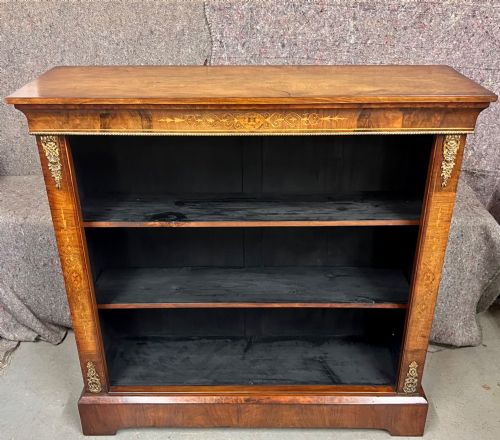
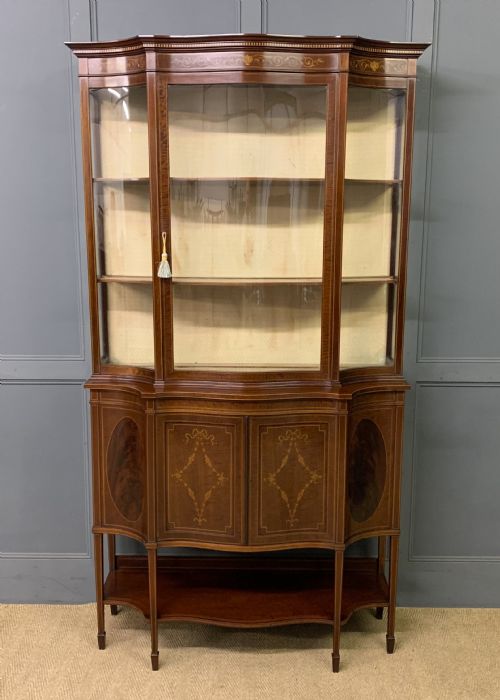
The selections here frequently draw from Victorian and Edwardian periods, alongside substantial 18th-century Dutch and Italian examples. Buyers encounter everything from compact satinwood lamp tables to large walnut commodes and breakfront bookcases.
Regional variations shape these objects significantly, ranging from floral Dutch marquetry and serpentine French kingwood writing desks to English Sheraton Revival satinwood pieces. Each style utilises specific structural forms suited to its era, such as tiered étagères or kidney-shaped writing tables.
Materials and construction methods
Craftsmen built these items using dense primary timbers such as mahogany, walnut, and oak, applying fine surface veneers over the core structure. Burr walnut, satinwood, kingwood, and amboyna provided contrasting tones and rich grain patterns for the decorative top layers.
Makers cut thin slices of various woods together using a fret saw, assembling the puzzle-like design before gluing the complete sheet onto the carcass. Additional enrichment often involved brass, mother-of-pearl, or ormolu mounts to accent the timber surfaces.
Marquetry Inlaid Furniture Retail Price Guide 2026
Typical asking prices for marquetry inlaid furniture among the pieces listed under this phrase on Sellingantiques today, from the lower quarter to the upper quarter. They describe what is for sale here now, not the wider market.
Listings feature 18th-century Dutch walnut cabinets alongside late Victorian satinwood étagères and Edwardian mahogany tables.
Factors influencing quality
The precision of the veneer cutting and the tightness of the joinery dictate the overall standard of a piece. Superior examples display seamless junctions between contrasting wood species without visible gaps or excessive filler.
The choice of secondary timbers and the complexity of the pictorial or geometric composition mark the distinction between standard production and masterwork items. Well-executed pieces retain crisp botanical or architectural motifs that align accurately across opening doors and drawers.
Jacob and Joseph Kohn·Thomas Hache of Grenoble
The Marquetry Inlaid Furniture Glossary
- Marquetry
- The decorative technique of applying thin pieces of wood veneer to a structural carcass to form pictures or ornamental patterns. It differs from parquetry by forming pictorial designs rather than repeating geometric tiles.
- Satinwood
- A durable hardwood known for its golden-yellow lustre and fine grain, frequently utilised in Sheraton Revival and late 19th-century pieces. It provides a bright background that contrasts sharply with darker inlay woods.
- Burr walnut
- Timber taken from the wart-like growths on walnut trees, prized for its swirling, highly figured grain patterns. This material creates dramatic visual movement on tabletops and cabinet doors.
- Ormolu
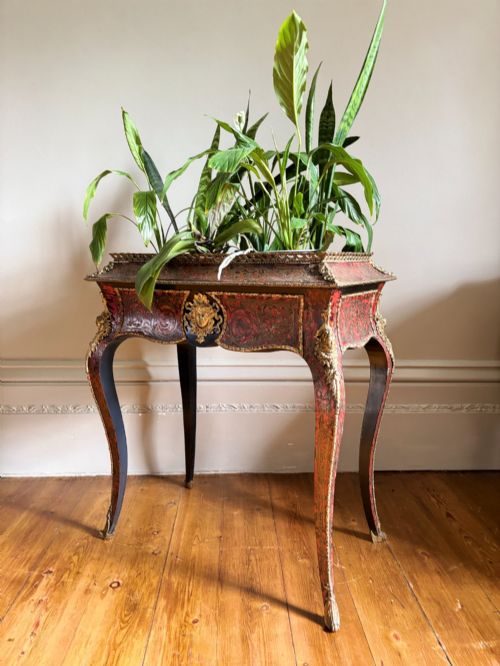
- Gilded bronze mounts cast in ornamental shapes and applied to the corners, feet, or aprons of fine furniture. It serves both a protective and a decorative function, particularly on French pieces.
- Étagère
- A set of open tiered shelves supported by columns, designed for displaying small objects or books. These light pieces gained popularity during the 19th century in mahogany and satinwood.
Marquetry Inlaid Furniture: Frequently Asked Questions
How do I clean marquetry furniture?
Dust surfaces regularly with a soft, dry cloth to prevent particulate accumulation in the veneer seams.
Avoid liquid cleaners and wax buildups that can penetrate the fine joints between different wood species.
Where should I place these tables?
Position them away from direct sunlight and heat sources to prevent the delicate wood veneers from drying and cracking.
Stable room humidity protects the animal glues used beneath the surface decoration from failing.
How do I identify a Victorian piece?
Look for dense walnut or mahogany carcasses combined with dark ebonised accents and glazed display doors.
Construction details often include machine-sawn internal elements alongside hand-cut surface veneers typical of the 19th century.
What defines Sheraton Revival work?
These items feature light satinwood foundations decorated with neoclassical urns, swags, and delicate floral border inlays.
The overall silhouette remains slender and balanced, echoing 18th-century proportions through late 19th-century craftsmanship.