
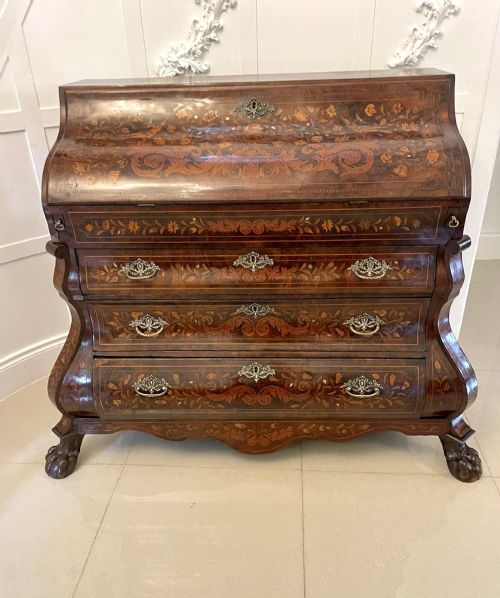
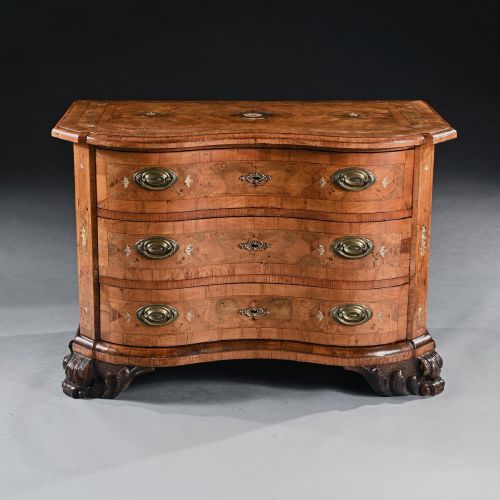
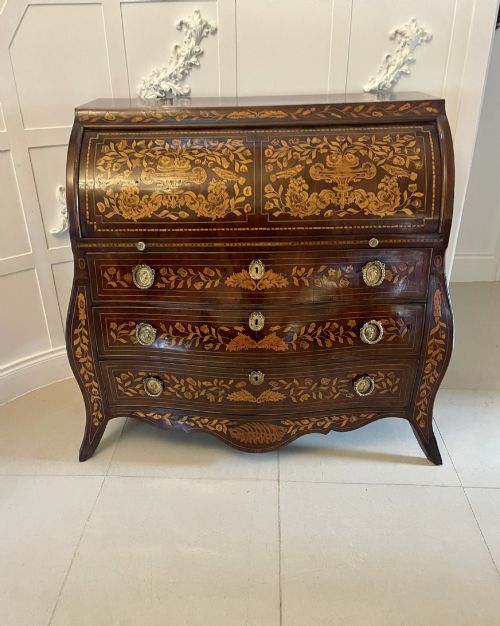
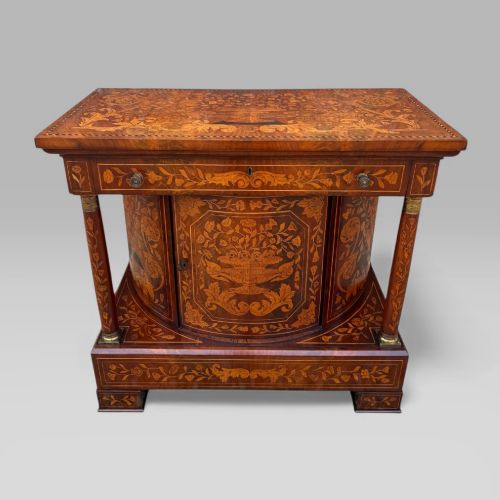


Marquetry Inlaid Chest
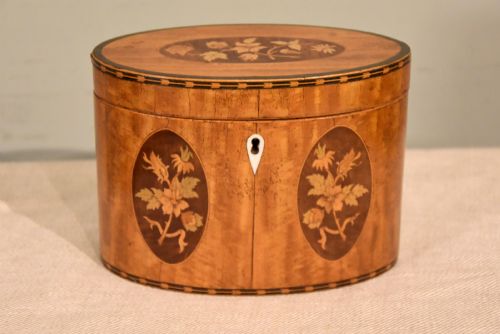
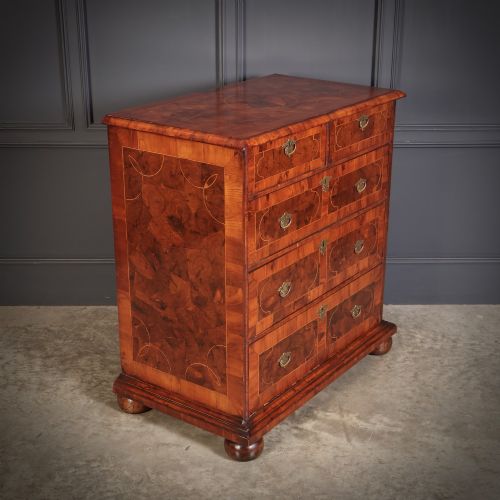
A marquetry inlaid chest brings together complex wood veneers and practical storage, offering a decorative surface that has drawn collectors since the seventeenth century.
Marquetry Inlaid Chest
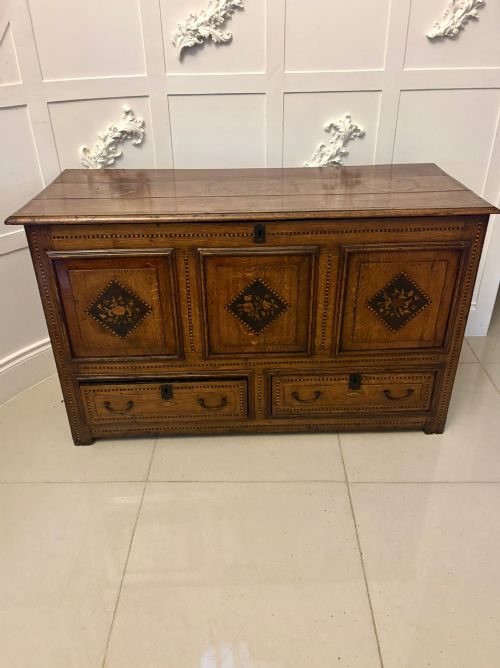
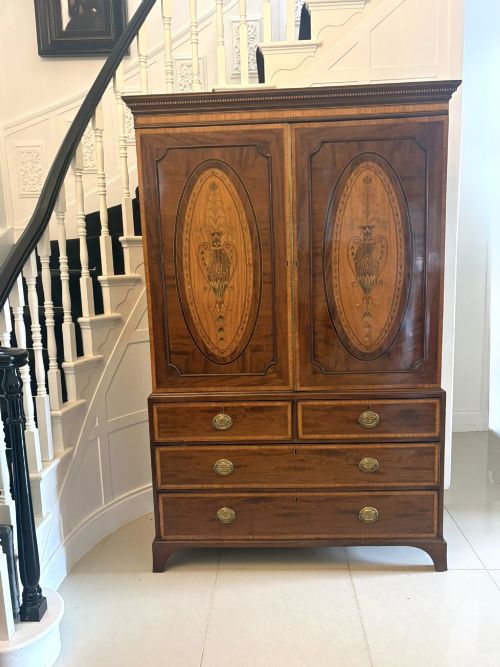
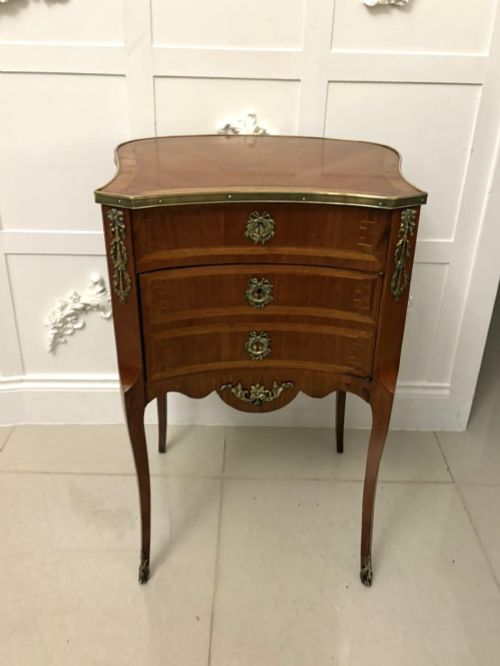
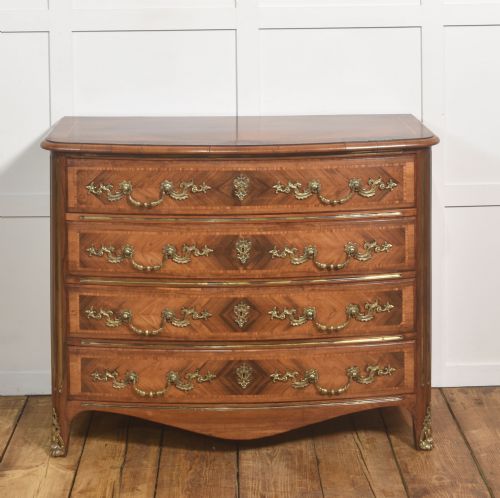
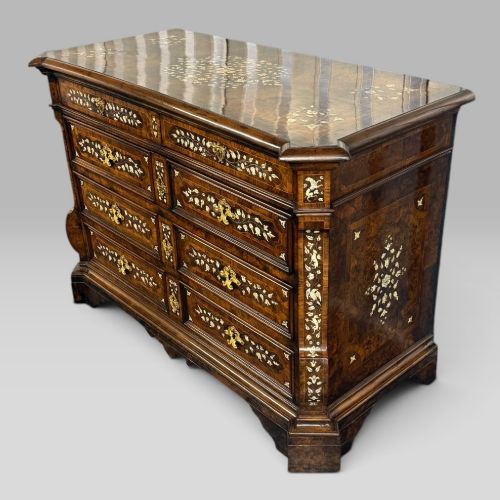
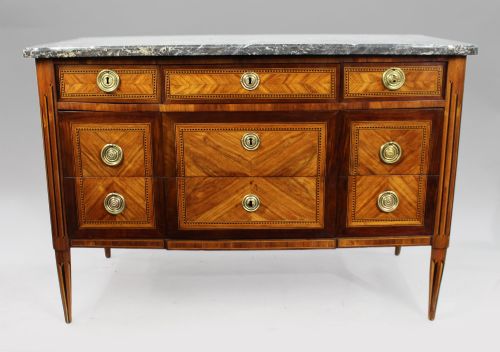
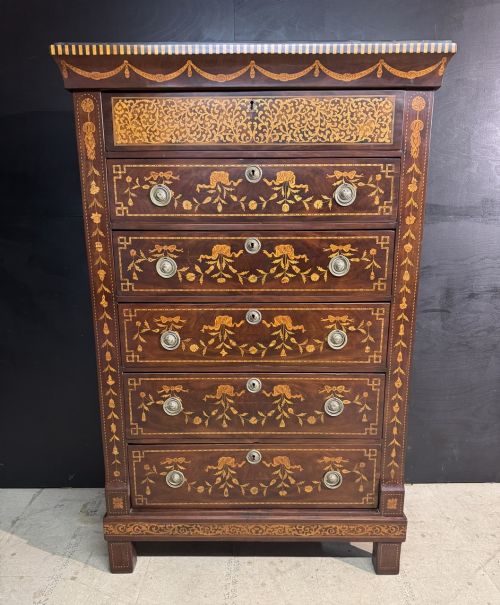
When searching for a marquetry inlaid chest, buyers encounter a variety of forms ranging from seventeenth-century oak coffers and William and Mary drawer units to eighteenth-century Dutch bombes and nineteenth-century French commodes. These pieces serve as functional storage furniture while displaying elaborate pictorial or geometric wood designs across their drawer fronts and tops.
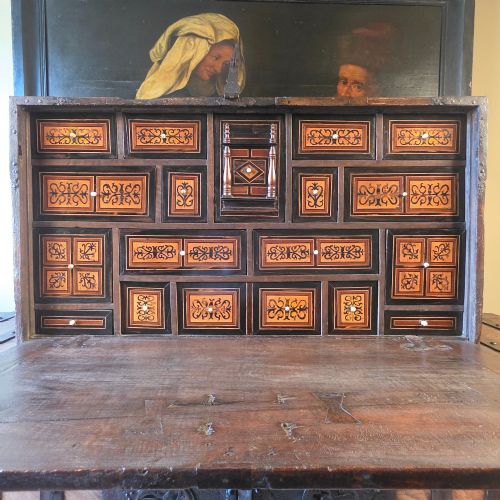
Earlier seventeenth-century examples often utilise robust carcases of oak or walnut embellished with arabesque patterns or oyster veneers, while later Victorian and Edwardian interpretations lean towards French Louis XV and XVI revival styles with serpentine or bombe profiles.
How they were made
Cabinetmakers constructed the carcase of these chests from secondary timbers such as oak or pine before applying fine wood veneers. Woods including walnut, mahogany, satinwood, and kingwood provided contrasting natural tones for the pictorial designs.
The marquetry pattern itself was created by cutting intricate floral, scrolling, or pictorial motifs from thin sheets of dyed woods, pewter, and ivory, then fitting them meticulously into a background veneer before gluing the complete sheet to the furniture carcase.
Many continental commodes and cabinets received polished marble tops in shades of white or rouge, whilst mounts and handles cast from ormolu or brass added structural and decorative accents to the finished piece.
Listings feature walnut, mahogany, and kingwood veneers across periods spanning the seventeenth to the early twentieth century.
What varies in quality
The distinction between average and exceptional pieces rests upon the precision of the veneer cutting and the complexity of the design. Superior examples display microscopic joints between the contrasting wood elements and naturalistic shading achieved by scorching veneer edges in hot sand.
Material selection significantly influences the tier of the piece, with dense exotic timbers like kingwood, finely figured burr walnut, and genuine marble or ormolu mounts marking out workshop pieces produced for wealthy patrons. Simpler provincial chests utilise domestic timbers and repeating geometric parquetry rather than elaborate pictorial floral marquetry.
Grand Ducal Workshops·Maison Krieger·J Shoolbred
The Marquetry Inlaid Chest Glossary
- Marquetry
- The art of forming decorative patterns by fitting together thin slices of wood, veneer, and other materials onto a structural carcase.
- Bombe
- A swelling, outward-curving furniture profile associated with eighteenth-century continental and nineteenth-century revival commodes.
- Parquetry
- Geometric mosaic woodwork formed of small wooden tiles arranged in repeating patterns such as cubes or chequers.
- Commode
- A low French chest of drawers featuring a wide decorative body, frequently finished with a marble top.
- Oyster veneering
- The practice of slicing small branches cross-wise to create circular or oval patterns resembling oyster shells, popular in the seventeenth century.
Marquetry Inlaid Chest: Frequently Asked Questions
How do I clean a marquetry surface?
Dust the surface regularly with a soft, dry cloth to prevent dirt accumulation in the veneer joints. Avoid modern chemical sprays and moisture, applying only traditional beeswax sparingly when the wood appears dry.
Excessive water can lift the delicate veneer or cause the adhesives beneath to fail. Professional conservation is recommended if the polish shows signs of crazing or cracking.
Are these chests suitable for daily bedroom use?
These chests function well for clothing and linen storage provided the interior drawers run smoothly and the room maintains a stable humidity level. Placing them away from direct heat sources prevents the timber and veneers from shrinking.
Because many antique pieces feature delicate projecting brass mounts or shaped fronts, positioning them out of heavy traffic areas protects the exterior decoration from accidental knocks.
How do I tell an 18th-century chest from a later revival piece?
Examine the timber construction inside the drawers and the underside of the carcase for tool marks, hand-cut dovetails, and secondary woods appropriate to the period. Eighteenth-century pieces typically show hand-planed surfaces and natural ageing within the structural timbers.
Revival furniture from the Victorian or Edwardian eras often utilises machine-sawn components, standardised screws, and modern backing boards while mimicking earlier Dutch or French styles.
What is the difference between marquetry and inlay?
Inlay involves carving a recess into a solid wood surface and fitting a contrasting piece of material into that depression. Marquetry covers the entire carcase surface with a complete picture puzzle made of assembled veneer sheets.
Both techniques decorate antique furniture, but marquetry allows for complex pictorial scenes and floral displays across entire drawer fronts and tops.