


Marquetry Clock
A marquetry clock brings patterned wood inlay and measured timekeeping together, offering a traditional centrepiece for any room.
Marquetry Clock
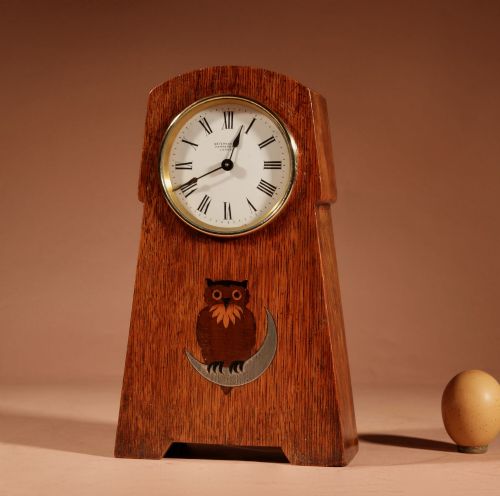
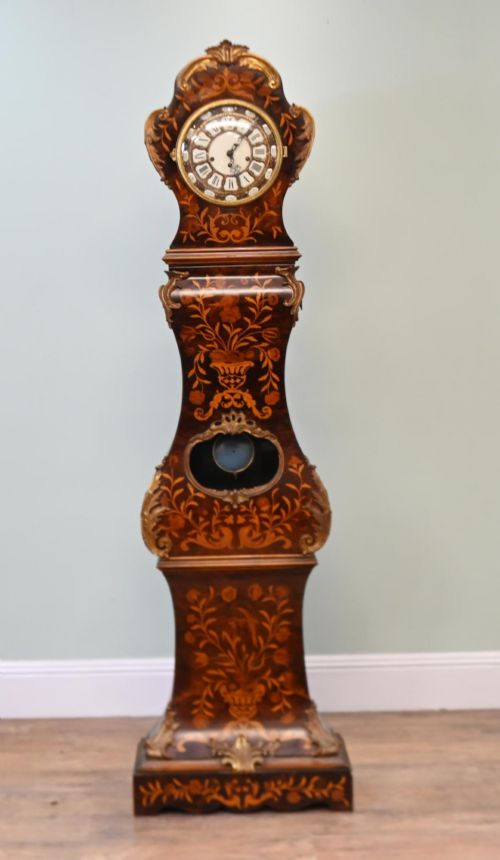
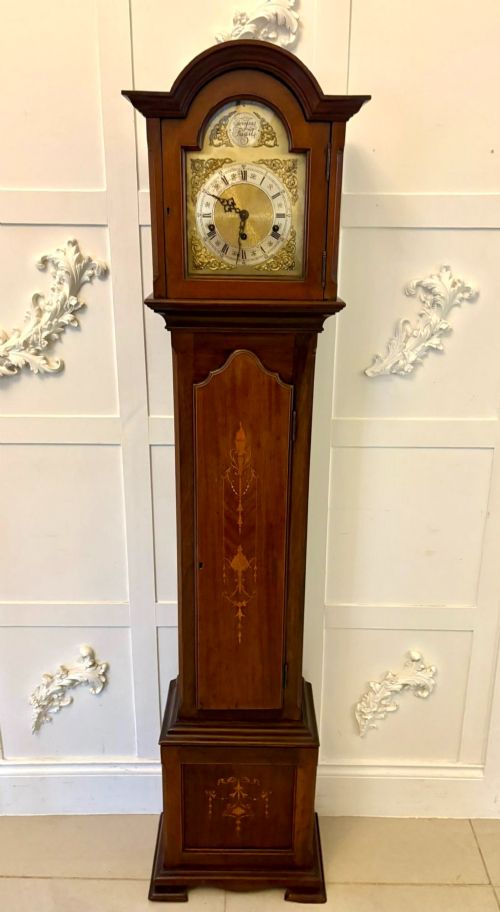
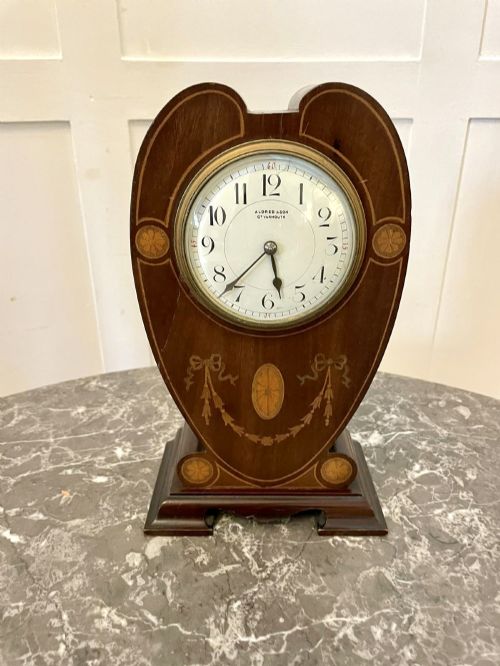
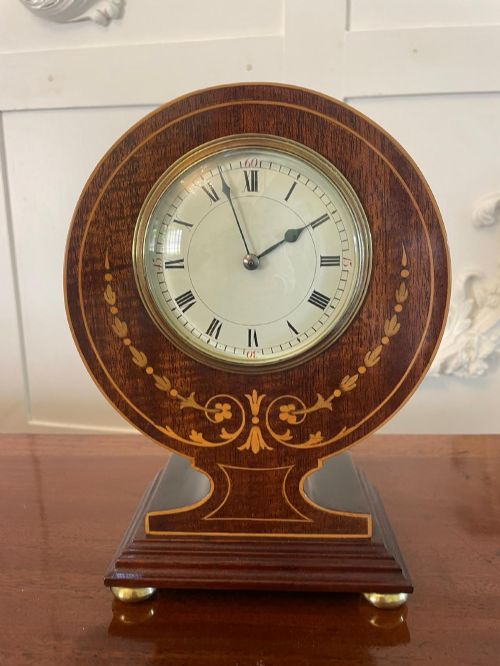
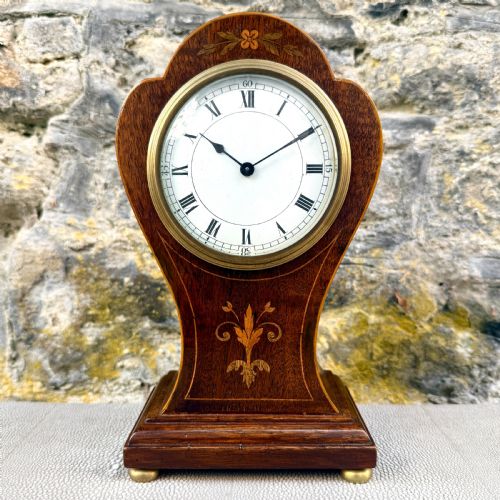
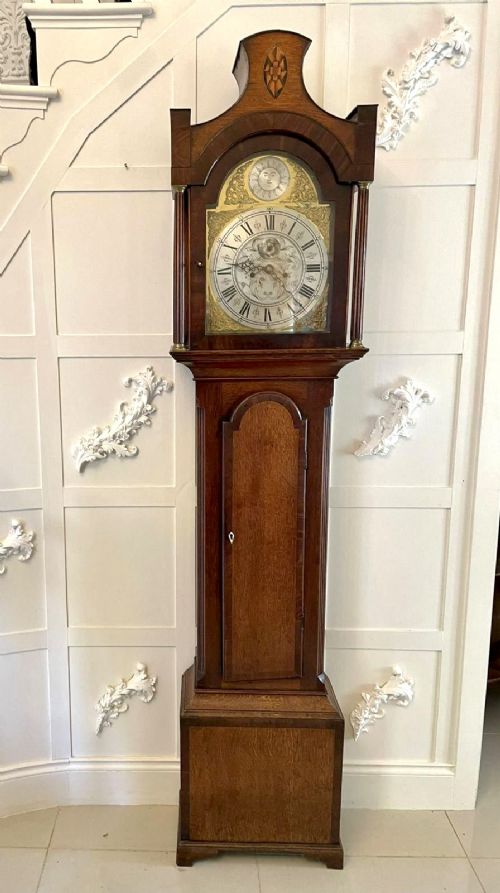
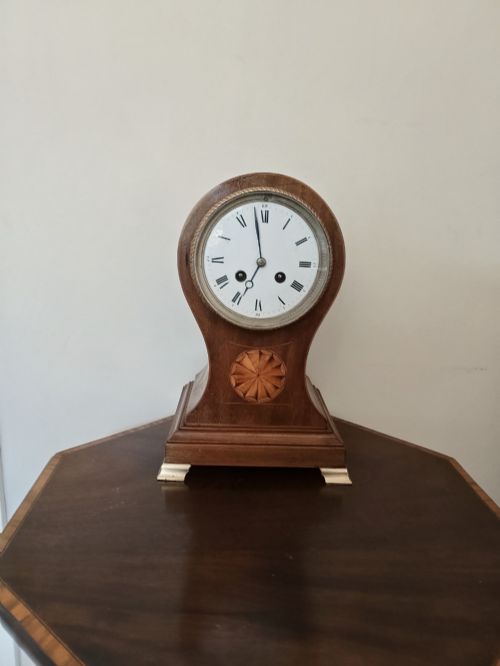
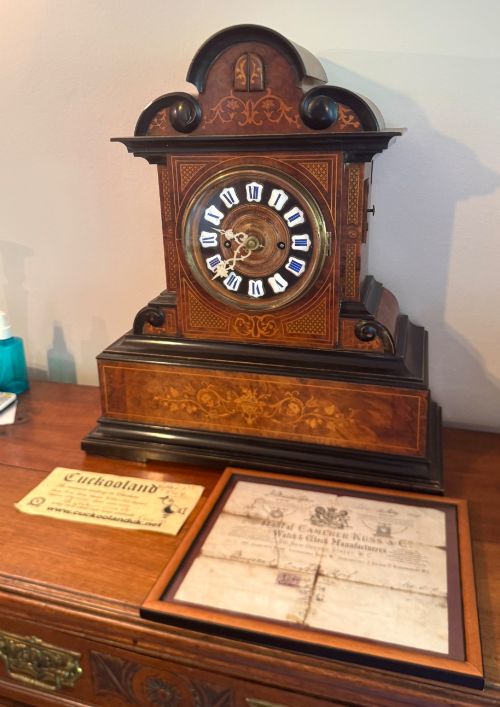
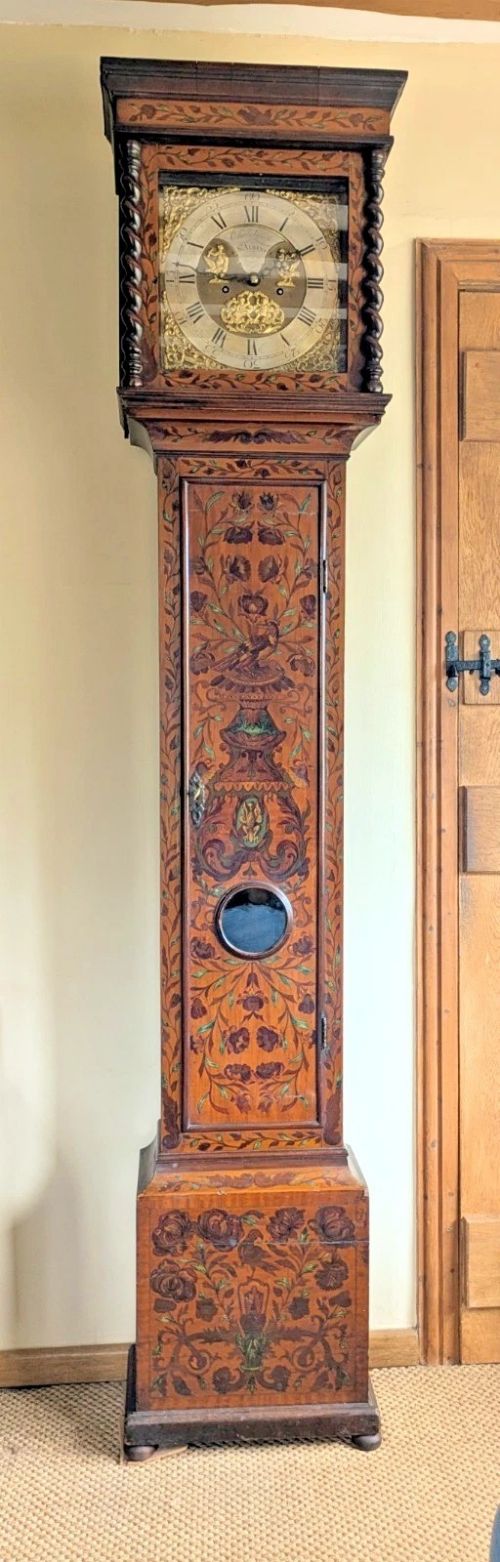
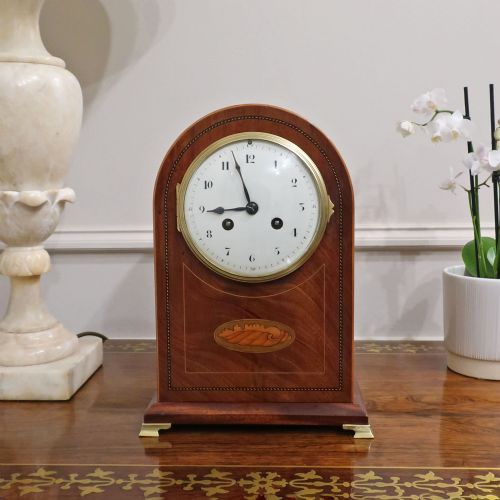
A marquetry clock is a timekeeper decorated with fitted wood veneers forming floral, geometric or figurative patterns. When you search for a marquetry clock, you will encounter various forms spanning tall longcase clocks to smaller mantel versions.
The pieces on this page originate from periods including the 18th century, the Victorian era and the Edwardian period. Longcase and mantel variants predominate, constructed in woods such as mahogany, walnut, oak and rosewood.
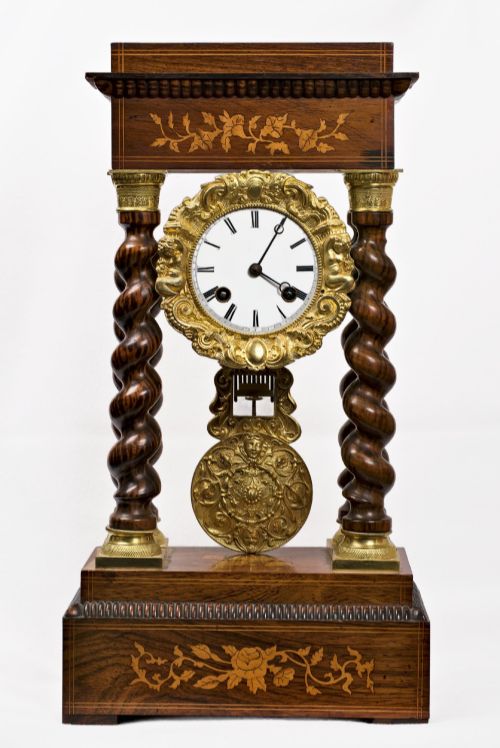
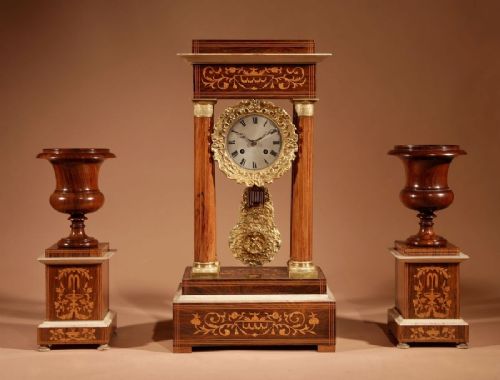
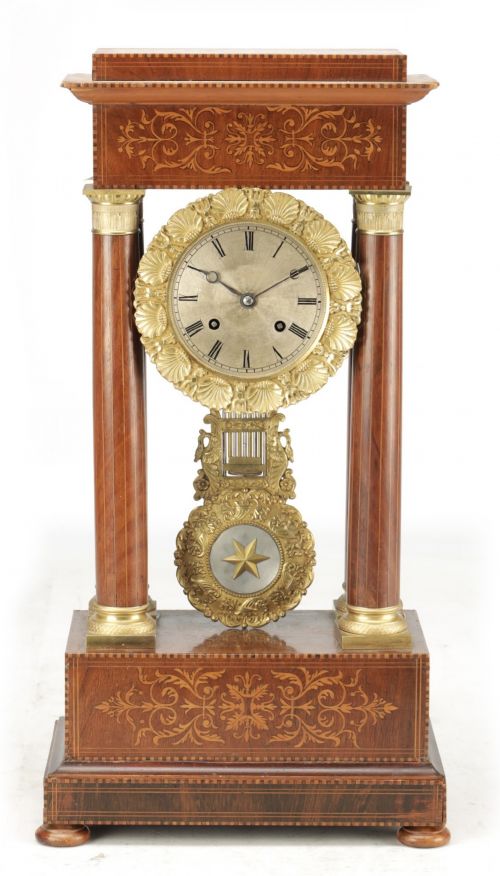
Makers and regional styles vary widely, encompassing English longcase pieces alongside French mantel clocks and portico designs. Each format retains distinct proportions and dial configurations suited to its period of manufacture.
Materials and construction
Cases combine solid structural carcasing with applied decorative veneers, utilising contrasting timbers like satinwood, lemon wood and walnut to build complex pictorial or abstract patterns. Cabinetmakers cut these thin wood sections precisely by hand before gluing them to the primary wood ground.
Movements rely on brass gear trains, often driven by weights in tall cases or spring-loaded fusee mechanisms in mantel and wall clocks. Dials incorporate engraved brass, silvered chapter rings and enamel or metal numerals protected behind glass panels.
Marquetry Clock Retail Price Guide 2026
Typical asking prices for marquetry clock among the pieces listed under this phrase on Sellingantiques today, from the lower quarter to the upper quarter. They describe what is for sale here now, not the wider market.
The listings feature diverse materials including brass, glass, enamel, mahogany, rosewood, ormolu, satinwood and tortoiseshell across multiple centuries.
Judging quality
Quality rests upon the crispness of the wood inlay work and the harmonious integration of the veneer into the clock case. Skilled execution shows tight joints between contrasting timbers without excessive filler or misalignment.
The refinement of the mechanical movement and the retention of original components dictate the standing of an example. Finer specimens display meticulous hand-finishing on both the internal brass components and the exterior cabinet woodwork.
Charles Louch St Albans·Henri Marc Of Paris·Henry Massy·Nathaniel Pyne·David Morice·W Burton
The Marquetry Clock Glossary
- Marquetry
- Decorative wood inlay work using contrasting veneers to create pictures or geometric designs. It differs from simple inlay by assembling the pattern across the entire surface before application.
- Fusee
- A conical pulley used in spring-driven clocks to equalise the torque as the mainspring unwinds. This mechanism helps maintain a steady force on the gear train for more accurate timekeeping.
- Portico clock
- A mantel clock styled to resemble a classical architectural portico with supporting columns. They frequently feature a suspended pendulum swinging within the central opening.
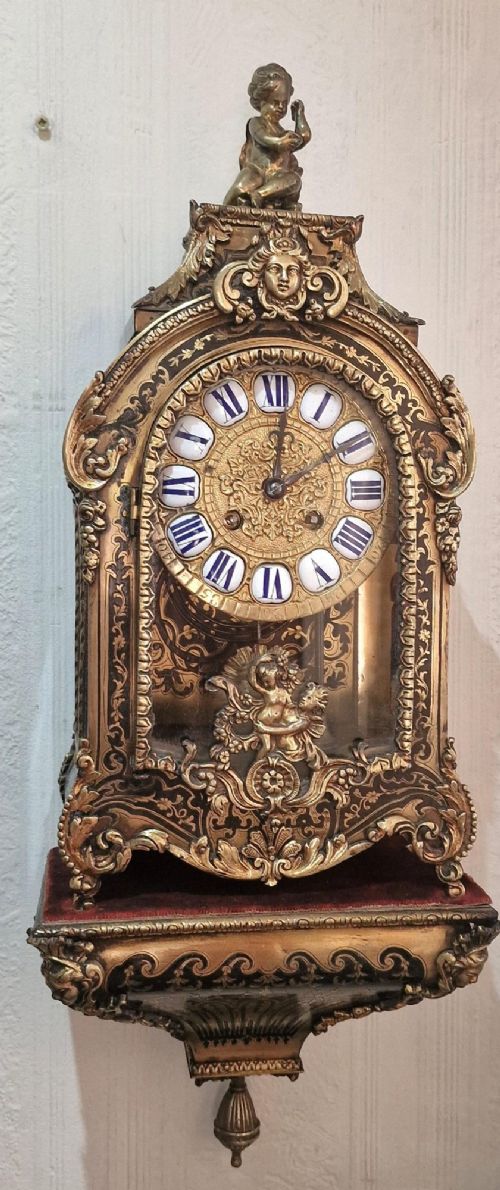
- Boulle
- A form of marquetry developed in France using brass inlaid into tortoiseshell or ebonised wood. It creates a striking metallic and dark contrast popular on luxury cases.
- Longcase clock
- A tall pendulum clock housed in a wooden case designed to stand directly on the floor. They are commonly known as grandfather or grandmother clocks depending on their height.
Marquetry Clock: Frequently Asked Questions
How do I wind a mechanical marquetry clock?
Most spring-driven models require a key inserted into the dial holes to tighten the mainspring slowly. Weight-driven longcases involve pulling the cords or winding the weights upward depending on the movement type.
Take care not to over-wind the mechanism, stopping as soon as resistance is felt. Ensure the pendulum is hanging evenly before setting the hands to the correct time.
Where should I place a longcase clock?
Position your tall case clock against a sturdy interior wall away from direct sunlight, heating vents and damp areas. Wood veneers and internal movements react poorly to extreme temperature fluctuations and humidity changes.
Ensure the floor is level so the pendulum swings symmetrically and the tick remains even. Securing the tall case to the wall with a discreet bracket prevents accidental tipping.
How do I tell an 18th-century clock from a later copy?
Examine the construction of the case interior, the mounting of the dial and the hand-cut marks on the brass movement plates. Earlier movements show distinct hand-filing and individual signatures rather than mass-produced stampings.
The ageing of the timber, the type of screws used and the wear patterns around the winding holes offer reliable clues to genuine age.
What is the difference between a mantel and a wall clock?
Mantel clocks are designed with flat bases to rest securely on shelves, sideboards or fireplace mantels. They are usually compact enough to be moved easily between rooms.
Wall clocks feature hanging brackets or flush rear mounts to secure them directly to vertical surfaces. Drop dial wall clocks often display extended lower cases to accommodate swinging pendulums.