



Maritime Seascape Artwork
Maritime seascape artwork brings naval engagements, bustling harbours and quiet coastal shores into focus through historic painting.
Maritime Seascape Artwork
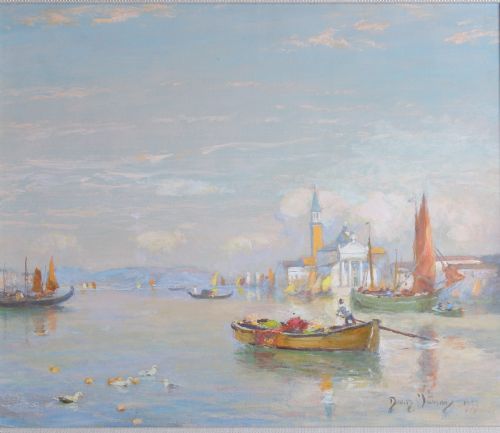
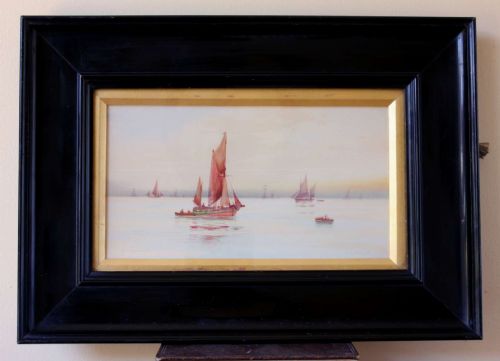
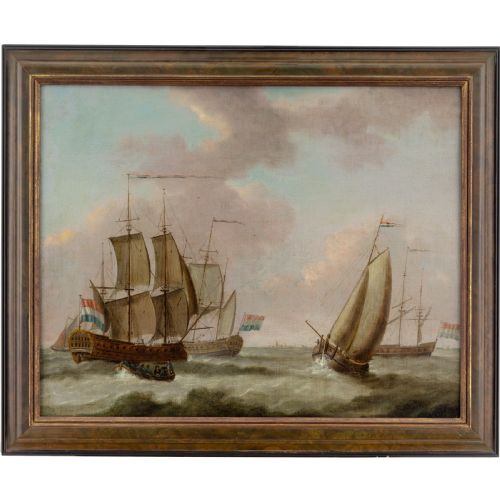
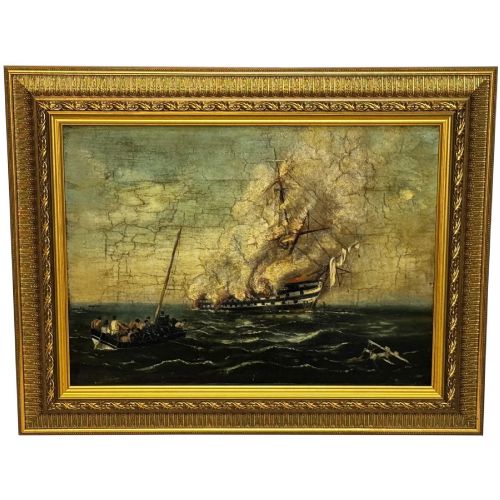
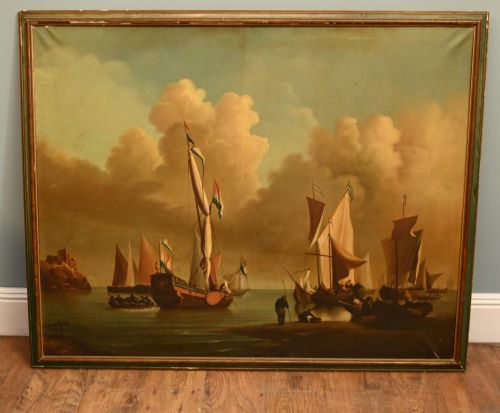
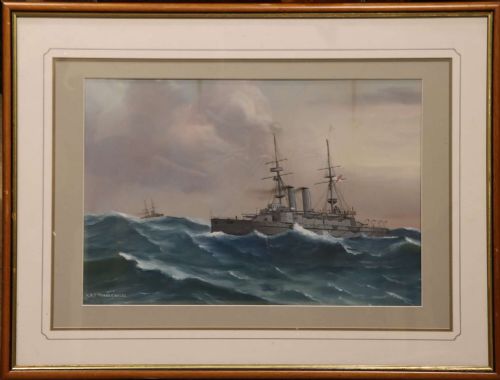
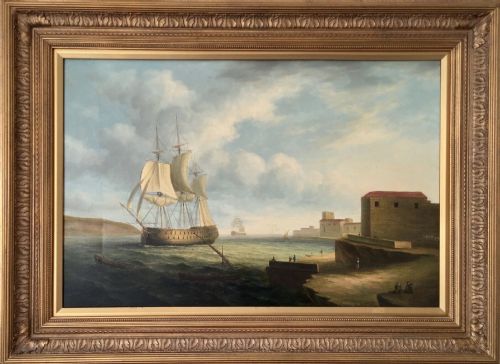
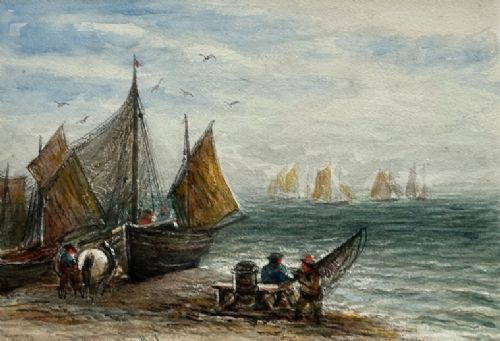
Maritime seascape artwork gathers paintings and watercolours depicting ships, coastal villages, and open waters across the nineteenth and twentieth centuries. These pieces record historical vessels, naval battles, and everyday harbour life through the eyes of British and continental artists.
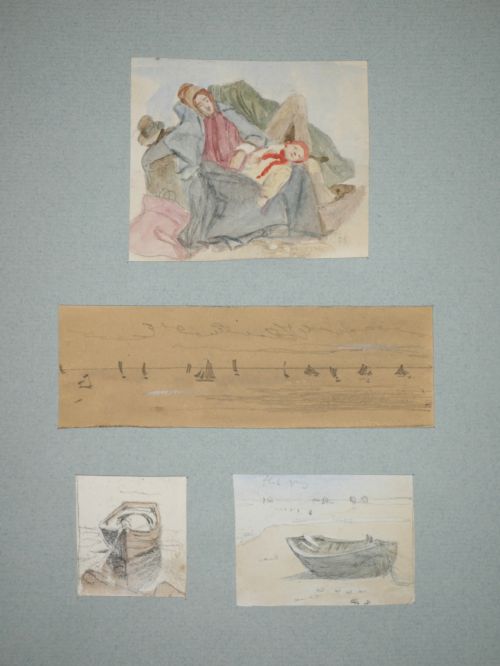
The most common examples on this page are nineteenth-century watercolours and oils on canvas or board, spanning Victorian marine scenes to mid-twentieth-century coastal views. Buyers find everything from intimate works on paper to large framed canvases depicting rivers, docks, and stormy seas.
Materials and techniques
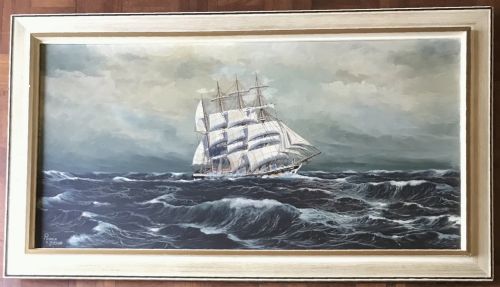
Painters utilised oil paint on canvas or wooden panel to build rich textures, particularly when capturing rough waves or heavy smoke during naval actions. Watercolour on paper offered artists the fluidity needed for luminous skies and transparent coastal waters.
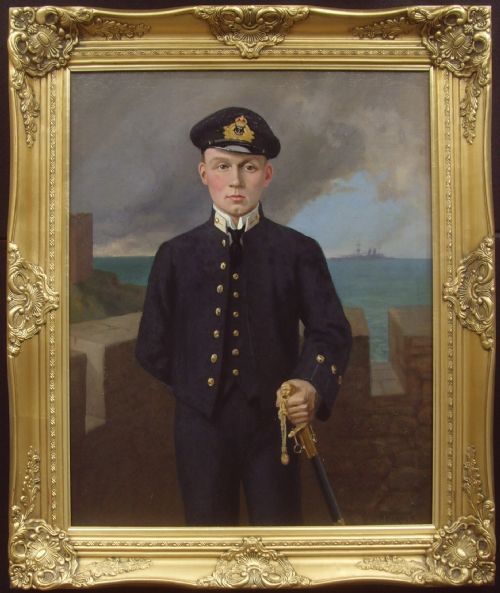
Framing often involved gilt wood, which enhanced the depth of the composition and protected the edges of the canvas or paper support. Gouache and impasto techniques also appear, adding opaque highlights or raised surface detail to stormy maritime subjects.
The selection spans from the seventeenth century through to the 1960s, utilising oil on canvas, watercolour, and gouache.
Distinctions in quality
Quality rests upon the artist's command of atmospheric light, fluid movement, and accurate nautical detail in rigging and hull construction. Stronger compositions convey the weight of water and the specific architectural character of historic vessels with confident brushwork.
Condition and originality also separate standard examples from finer works, noting the preservation of the original pigment and the integrity of the support. Framed works retaining period gilt wood components often display a more harmonious relationship between art and presentation.
James Hardy·Kenneth Cozens·James Orrock·James Smetham·Eugène Louis Gillot·William McAlpine·B Nash·Charles Edward Dixon·Eric Tufnell·William Banks Fortescue·John Rose Miles·James Kay·Frank Watson Wood·William Broome·Bernard Gribble·Bonaventura Peeters·Frank William Scarbrough·F Corpuz·Peter Brannan·Francis Moltino·Hector Caffieri·Bernard Benedict Hemy·Thomas Creswick·Lucy Pratt·Willem Bos
The Maritime Seascape Artwork Glossary
- Impasto
- Paint applied thickly to a canvas, standing out from the surface so that texture and brush marks remain visible. This technique is often utilised to render churning water or billowing smoke in marine scenes.
- Gouache
- An opaque watercolour paint mixed with a white pigment to create a heavier, denser finish. It allows artists to introduce solid highlights and flat areas of vibrant colour into works on paper.
- Panel
- A rigid flat surface made of wood used as a support for oil paintings instead of stretched canvas. Panels provide a stable base that resists the sagging common in older fabrics.
- Gilt wood
- Wood carved and coated with gold leaf or a gold-coloured finish for decorative framing. This traditional material surrounds many nineteenth-century oils and watercolours to complement the tones within the painting.
- Watercolour
- A paint consisting of pigment suspended in a water-based solution applied to paper. It relies on the white of the paper showing through transparent washes to create luminous skies and seas.
Maritime Seascape Artwork: Frequently Asked Questions
What subjects appear in maritime art?
These works depict naval warships, merchant vessels, and smaller fishing boats navigating calm rivers, coastal shores, and stormy open seas.
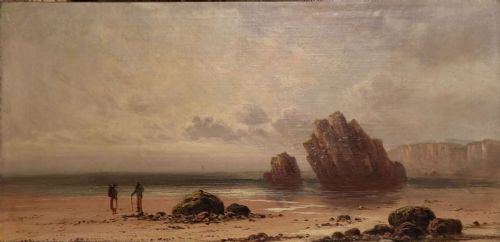
Scenes range from specific historical engagements and harbour arrivals to quiet coastal landscapes featuring traditional working craft.
How do I display these paintings?
Display paintings away from direct sunlight and excessive humidity to protect the canvas, paper, and wooden supports from fading or warping.
Ensure wall fixings match the weight of the framed piece, particularly for larger nineteenth-century oils housed in heavy gilt wood.
Are watercolours fragile?
Watercolours on paper require protection behind glass to prevent atmospheric moisture and airborne dust from damaging the delicate pigments.
Keeping them out of bright natural light prevents the fading of subtle washes in skies and coastal water.
How are periods identified?
Periods are identified through costume, ship design, framing styles, and the specific handling of paint or watercolour characteristic of the era.
Signatures, dates inscribed on the reverse, and artist exhibition records also help confirm the time of creation.