



Maritime Silver
Maritime antique silver and associated nautical works draw collectors to items that map the sea's history through precious metal and practical instruments.
Maritime Silver
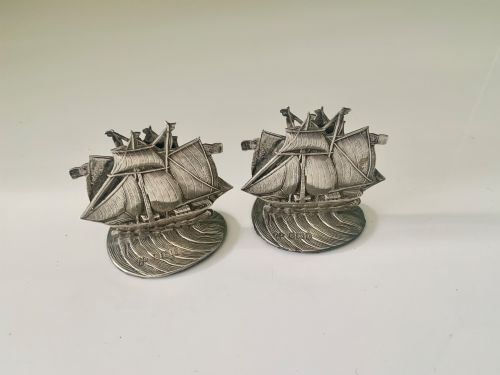
When searching for maritime antique silver, collectors encounter a diverse group of objects spanning the nineteenth and twentieth centuries, including table wares, navigation instruments, and personal accessories. These pieces range from functional shipboard gear housed in durable metals to decorative silver novelties shaped like vessels and nautical themes.
The items found here reflect both commercial shipping lines and naval service, with specific pieces linked to named makers and historical lines. Domestic silver pieces such as menu holders, dishes, and boxes sit alongside heavier utilitarian items like bulkhead clocks and gimbal lamps.
Victorian and Edwardian examples dominate the selection, showing how marine subjects inspired both utilitarian engineering and delicate silver craft. Buyers often find smaller personal items like brooches and vesta cases alongside substantial presentation pieces and clocks.
Assessing Quality and Execution
The distinction between ordinary production and superior quality lies in the crispness of detail in cast silver novelties and the precision of movement in marine clocks. Maker attribution, such as work originating from established retailers or silversmiths, elevates a piece significantly.
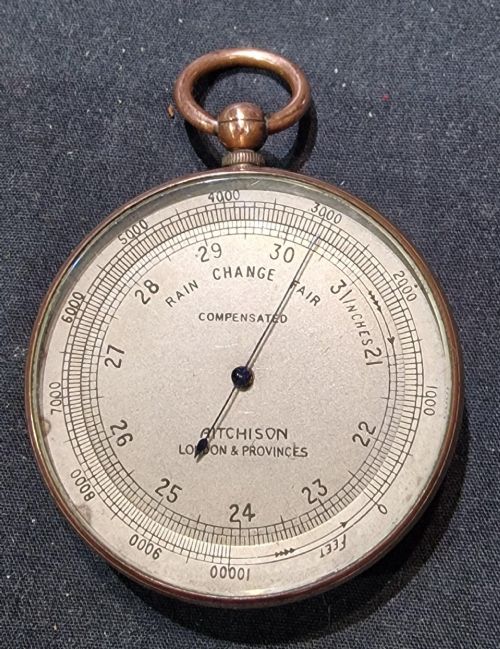
Condition and originality dictate value in functional items like gimbal lamps and pocket barometers, where surviving surface finishes and intact glass components matter greatly. Superior items retain their original mechanical integrity and clear hallmarks or signatures.
Maritime Silver Retail Price Guide 2026
Typical asking prices for maritime silver among the pieces listed under this phrase on Sellingantiques today, from the lower quarter to the upper quarter. They describe what is for sale here now, not the wider market.
Materials span sterling silver, silver plate, nickel, brass, glass, and enamel across Victorian, Edwardian, and mid twentieth century periods.
Elkington And Co·Litherland Davies Of Liverpool·Ross Of London·Gay Vicarino·Pascall Atkey Of Cowes
The Maritime Silver Glossary
- Gimbal Lamp
- A lamp suspended on pivots to keep it upright despite the motion of a ship at sea. These items frequently utilise nickel plated brass for corrosion resistance.
- Marine Chronometer
- A highly accurate timekeeper used at sea for determining longitude. These precision instruments are housed in specialised wooden boxes with gimbal mounts.
- Vesta
- A small pocket box designed for holding matches, often fitted with a striking surface on the base. Victorian examples frequently feature engraved nautical motifs or enamel decoration.
- Bulkhead Clock
- A clock designed to be mounted directly to the wall of a ship's cabin or wheelhouse. Twin fusee movements are often found in the finest examples from the nineteenth century.
Maritime Silver: Frequently Asked Questions
What distinguishes silver plate from sterling silver in nautical items?
Sterling silver items carry official hallmarking stamps indicating silver purity, whereas silver plated pieces feature a thin layer of silver over a base metal foundation like brass or copper.
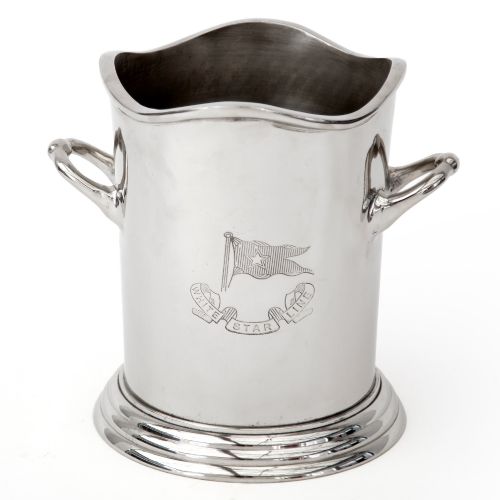
Large utilitarian pieces like wine coolers were frequently produced in silver plate for durability and weight reduction.
How were pocket barometers used at sea?
Sailors and officers carried pocket barometers to monitor atmospheric pressure changes and anticipate sudden weather shifts while away from larger station instruments.
These compact devices combine sensitive aneroid movements with protective brass or silver cases suitable for daily carriage.
Are novelty silver dishes practical for daily use?
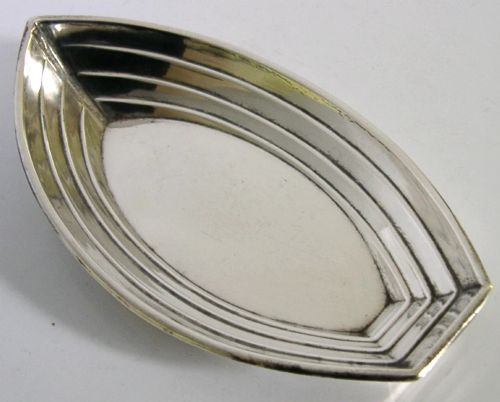
Novelty dishes shaped like rowing boats or sailing vessels were primarily created as decorative table accessories or presentation pieces rather than heavy tableware.
Their delicate forms and detailed chasing make them better suited for display or holding small trinkets than active service.